Detailed Guide on Tiktok Shop Requirements
Tiktok Shop Requirements: Learn how to set up your shop efficiently with clear steps, compliance tips, and AI-powered insights from Virlo.

Virlo Team
Virlo Marketing Team

Launching a new product idea can stall when seller verifications, product compliance checks, shipping rules, storefront setup, and content guidelines cloud the path to success. Brands embracing Tiktok Shop Marketing often scrutinize factors like account eligibility, catalog listings, payment methods, fees, and prohibited items. A clear understanding of Tiktok Shop Requirements helps ensure content remains both engaging and compliant. Smart navigation of these guidelines enables alignment of trending topics with precise product offerings.
Integrating rising trends with detailed guidelines enables brands to craft content that captivates audiences and drives sales. Data-driven insights pinpoint topics that suit catalog rules while revealing creative angles tailored for video campaigns. Ultimately, Virlo’s virality analysis tool provides actionable insights to help create engaging, compliant content that converts.
Summary
TikTok's algorithmic discovery can deliver massive reach, with over 1 billion monthly active users, and a single viral clip can expose products to hundreds of thousands of potential buyers within hours.
Shortening the purchase path matters: Click2Buy reports TikTok Shop increased conversion rates by 30% and reduced cart abandonment by 20%, driven in part by in-app buying that takes two to three gestures.
Creator-driven content accelerates trust and growth, illustrated by a shop that picked up 10,000 followers after leaning into raw creator videos, showing that creators can shorten the brand trust curve.
Operational readiness, not audience size, is often the gating factor: TikTok Shop enforces thresholds such as 1,000 followers to open a shop and, sometimes, 50 sales in the last 28 days, while approvals typically take 24 to 48 hours when documents are complete.
Costs and cash flow affect margins and launch timing, with referral fees around 6 percent plus roughly 2.9 percent in transaction processing as of April 2025, and payouts are dependent on bank verification and hold policies.
Lean testing and preflight checks reduce risk; for example, micro-launches of 50 to 150 units, paired with three short clips and quick iterations, have produced documented gains, such as a 50 percent sales increase in a 2026 case.
This is where Virlo's virality analysis tool fits in: it maps rising topics to your product categories and seller requirements, enabling teams to create trend-aligned, compliance-ready content that is more likely to go live and drive sales.
Key Benefits of TikTok Shop

TikTok Shop gives merchants a practical way to turn scrolling into buying. Placing products where people's attention is focused makes it easier to move from finding a product to paying for it. The platform improves visibility through algorithms, streamlines checkout with in-app purchasing, and offers multiple ways to display social proof, helping stores convert browsers into buyers more efficiently. By leveraging insights from a virality analysis tool, businesses can enhance their strategies and increase engagement.
1. Expanded reach through algorithmic discovery.
The platform's content recommendation system shows products to relevant audiences without needing a large follower base. This allows small or niche merchants to compete on relevance rather than just paying for ads. As a result, a category match or a single viral clip can reach hundreds of thousands of potential buyers in just a few hours. This can turn one well-made piece of creative into lasting traffic. For merchants, the practical benefit is that they need fewer paid impressions to test how well their product fits the market. This helps them learn more and lowers the cost of acquiring customers for each experiment.
2. Frictionless, in-app buying
Frictionless, in-app buying is key. By keeping purchases within the app, TikTok Shop avoids the link-click leak that often occurs in traditional social campaigns. Users can go from seeing a product in a short video to tapping to buy in just two or three steps. This process shortens the funnel and keeps impulse intent. The simpler path helps to improve conversion metrics. It also makes A/B testing of creative-to-checkout flows much more reliable by reducing the impact of external factors, such as page load times or redirect dropouts.
3. Actionable analytics for iterative optimization
Actionable analytics for iterative optimization are crucial. TikTok Shop provides granular data on impressions, product tag clicks, and checkout steps. This lets teams connect creative ideas to real revenue. They can use this data to focus on key products, adjust sales strategies in real time, and refine engaging messages that encourage people to complete their purchases. When teams combine this information with rapid testing of ideas, they can reduce wasteful spending and improve their offers twice as fast as older channels that only track clicks or page views.
4. Creator partnerships and built-in trust
Creators provide real context, and when product tags and affiliate links are included directly in their videos, trust builds in just one view. Creator-driven demos visually answer buyer questions. Aligning affiliate rewards with creators' preferences encourages them to promote truly relevant products. This setup reduces the need for high-cost brand-building upfront and shortens the trust curve, which typically takes months to build.
5. Live shopping for real-time conversion
Live sessions let hosts showcase products, compare them, and finalize sales, while viewers can ask questions in the chat. This quick interaction addresses concerns faster than regular listings and creates a sense of urgency through limited-time offers and real-life social proof. For sellers with tight marketing budgets, live shopping is a cost-effective option compared to expensive ad campaigns because it combines engagement and conversion in a single interactive session.
6. Shoppable creative that multiplies engagement
Shoppable creative that increases engagement include product tags, shoppable ads, and native storefront cards. These tools let designers make content-focused merchandising, where the creative delivers both the message and the transaction. This method boosts engagement by rewarding short stories and making money from them in the same experience. It's particularly helpful for testing various creative ideas with the same product, as it allows you to see which stories really sell.
7. Lower abandonment through streamlined checkout
By keeping the cart, payment, and confirmation processes in-app, TikTok Shop effectively reduces common reasons for abandoning purchases, like slow pages and complicated form fields. This reduction in frustration can directly lead to increased completed orders and a higher lifetime value per customer. For teams focused on recovery strategies, it also makes retargeting efforts easier, as the platform keeps the context of the original content that triggered the cart.
8. Faster product-market validation with constrained budgets
TikTok Shop turns each piece of creative into both an experiment and a storefront entry. This approach allows merchants to test product ideas with minimal media investment. If an idea resonates, distribution can be scaled through paid promotion or creator partnerships. If it doesn't work, losses can be cut early. This strategy is especially valuable for D2C and SMB merchants who may not have extensive marketing resources and need repeatable, revenue-oriented experiments.
9. Better social proof and discovery loop
Better social proof and discovery loop. User-generated content, duets, and creator endorsements build trust and credibility. When customers talk about their purchases, that content can show the product to new audiences and create natural discovery loops. Over time, this process reduces the extra costs of acquiring customers, as earned content supports paid or owned campaigns. This creates a lasting channel rather than a one-time boost.
What does the analysis say about TikTok Shop's impact on conversion rates?
According to Click2Buy's 2025 analysis, TikTok Shop has increased conversion rates by 30% for brands using the platform. This finding, published in 2025, shows how shortening the path from content to cart can really boost the percentage of viewers who make purchases, an important factor for merchants wanting to get a better return on their creative spending. Also, the platform's impact on checkout behavior is clear. Click2Buy's 2025 study reports that TikTok Shop has reduced cart abandonment by 20% for the retailers involved. This decrease indicates that in-app flows and product tagging effectively address common issues that cost merchants sales.
What is a common approach to TikTok Shop onboarding?
A practical objection can be raised regarding the common onboarding process. Most teams manage TikTok Shop onboarding using manual checklists, spreadsheets, and email threads, because this method seems low-cost and familiar. While this approach may work initially, it quickly becomes inefficient. As product catalogs grow and compliance rules tighten, reviews become scattered, delays in approvals delay launches, and merchants spend weeks chasing approvals instead of focusing on sales. Platforms like Virlo centralize compliance checks, automate storefront readiness, and manage content-first merchandising. This reduces launch cycles from weeks to days while ensuring that audit trails stay intact.
How should you think of TikTok Shop's role in e-commerce?
A quick analogy: think of TikTok Shop as a high-traffic market stall in a busy plaza. Here, the merchant brings the product while the crowd gives feedback, tests things, and makes sales. Your job is to identify which display receives the most visitors and which ones need improvement.
What happens when you try to scale without operational controls?
The tradeoff becomes clear when trying to grow without operational controls. This shows how important process and compliance are as strategic tools, not just administrative tasks.
What should you consider next?
The catch to think about next is important for planning what you will do next.
Related Reading
TikTok Shop Requirements
You can open a TikTok shop once you meet several legal, identity, and performance criteria. The platform combines basic KYC requirements with specific business thresholds. This allows stores to launch quickly if everything is in order. To ensure your shop’s success, consider using a virality analysis tool to optimize your approach. Below are the requirements, restated and expanded, to help you view compliance as a checklist rather than a guessing game.
1. Age and identity
Who qualifies: Individuals must be at least 18 years old and provide a government-issued ID that matches their name and date of birth.
Why it matters: TikTok verifies age and identity to comply with payment and tax rules. If IDs do not match or are expired, it can quickly lead to rejection.
2. Residency and bank footprint
To register a U.S. storefront, you need to be a U.S. resident and have an active U.S. bank account.
It is advisable to use a business bank account for company registrations. This can help you avoid payout holds that might happen with personal accounts.
3. Individual seller documentation
Key requirements include a valid U.S. driver’s license, passport, or state ID; the last four digits of your SSN or an ITIN; and proof of residence.
Address proof must match the ID provided.
Bank details must be in the same legal name, or payouts will stall.
4. Business seller documentation
EIN
Articles of organization or incorporation
A representative’s ID and contact details
Bank verification.
5. Performance and marketplace thresholds
TikTok Shop requires sellers to have at least 1,000 followers to open a shop.
This rule emphasizes the need for a solid following before getting full access to the platform's features, as noted in the AMZScout Blog.
There are also recency tests to consider. For instance, sellers must have at least 50 sales in the last 28 days to qualify for TikTok Shop, as highlighted by the same AMZScout Blog. These tests ensure that only active sellers can participate in the platform.
For operational success, if launching new SKUs, it's advisable to seed initial orders through family, staff, and controlled promotions. This strategy helps fulfill short-term sales requirements without risking policy abuse.
6. Approval timing and common delays
Typical timeline: Most approvals are completed within 24 to 48 hours. However, some accounts may clear faster, while others require extra review.
Common causes of delays include mismatches in names across documents, errors in bank verification, and issues with product listings that require manual review. It’s a good idea to plan for extra time when scheduling launches.
7. Fees and payout mechanics
Known costs: TikTok applies referral and transaction fees; expect a referral fee of approximately 6 percent plus transaction processing costs of approximately 2.9 percent as of April 2025.
Payout timing: When you get paid depends on your bank verification and any holds for returns or disputes. Keep in mind potential cash-flow delays.
8. Markets, cross-border selling, and limits
Supported countries include the United States, the United Kingdom, Ireland (invite-only), Spain (invite-only), andSoutheast Asian markets such as Indonesia, Malaysia, the Philippines, Singapore, Thailand, and Vietnam.
China operates as a separate ecosystem. Cross-border details are important; the platform allows cross-border listings among supported markets, but it's essential to check customs, shipping, and tax rules for each destination served.
9. Quick operational checklist to get live
Minimum items to confirm before hitting submit include a valid ID, a verified bank account, proof of matching address, any required business documents, and initial product listings verified for policy compliance
It's also essential to have a plan to meet any short-term sales or follower thresholds. Analogy: Treat these requirements like keys on a key ring; missing one key prevents the door from opening, even if the others are present.
What common misconceptions do sellers have?
Pattern recognition from launch work shows a common misconception among new sellers: they believe they need a large following to succeed. This idea makes them pause, leading merchants to hold back on their products while they try to grow their audience. The emotional cost is high, diverting focus and time that could be better spent on creating compliant listings and testing new ideas. One documented case shows this: a creator with only a few hundred followers still made significant revenue. This example should change the focus to readiness and merchant operations rather than just gathering followers.
How do teams typically handle onboarding?
Breaking the usual way of doing things: How teams typically manage onboarding. Most teams create documents and use spreadsheets and email for approvals because they know these tools well and find them easy to use. This method works at first, but as the number of SKUs increases and review notes come in, context is lost across messages, rejections accumulate, and launch dates are delayed. Solutions like Virlo centralize compliance checks, automate verification routing, and highlight missing fields, shortening review cycles from days to hours while maintaining audit trails and consistency. Our virality analysis tool can also help teams identify key performance indicators that contribute to successful onboarding.
What pitfalls should I avoid during the submission process?
A common pitfall to avoid is assuming that submitting a single document solves everything. Rejections often occur due to additional checks, such as missing product details or incorrect bank names. Each time you need to fix something, it can take several days. To reduce this risk, create a detailed preflight checklist. Check every detail against both the bank and tax records before submitting it to avoid unnecessary reviews.
What can delay my approval time?
A quick question: which part of your launch checklist is most likely to extend your approval time to more than 48 hours?
What does this section lead into next?
This simple hiccup leads to the next section, which explains how to fix it. The real surprise is in the outcome, which might not be what you expect.
How to Set Up a TikTok Shop in 7 Steps

Setting up a TikTok Shop involves seven practical stages: first, create and verify your seller account and business identity. Next, register and validate your business credentials. Then, build a clear storefront by listing products with clean metadata and assets. After that, link your TikTok profile to any external catalog, such as Shopify. It’s also essential to tag content items and consider using a virality analysis tool to optimize your content’s reach. Finally, run a tight prelaunch QA before flipping the shop live. Below, each step is restated in practical, action-oriented language, along with operational checks designed to eliminate delays and rejections.
What is the first step for setting up a TikTok Shop?
Step 1: Open the Seller Center and select the appropriate seller type.
Treat the account creation flow as a verification checklist rather than a form to rush through. Select Individual if you are a sole seller with a personal ID, or choose Business if you operate under a registered company and plan to offer multiple SKUs or allow staff access. Make sure you scan your documents at high quality and match the punctuation and spacing exactly to your bank records. Use the same legal name consistently, including middle initials and abbreviations. Small mismatches in name formatting are the most common cause of holds. To avoid problems, check the name fields against your bank statement before submitting.
How to prepare business registration materials?
Step 2: Prepare and upload business registration materials.
Besides having the right documents, it's very important to prepare them in accepted formats and with clear labels so reviewers don’t have to guess what they are. Convert certificates, licenses, and EIN paperwork to searchable PDFs or PNGs. Translate any non-English documents as needed, with certified translations. Include a dated utility bill or lease as proof of address when asked. Create a master folder labeled "Seller Center uploads" and use filenames that match the platform’s fields. This organization helps with quick re-uploads of fixed files if a reviewer asks for changes.
What should a storefront look like?
Step 3: Build a storefront that communicates trust quickly.
Your shop profile should answer three key buyer questions at a glance: what you sell, why it matters, and how returns work. Use a concise brand name with a primary keyword at the front, a clean square logo, preferably a high-resolution PNG, and a bio that states the product category, unique selling proposition (USP), and shipping region. Include a clear return address along with a brief returns policy text that aligns with your backend workflows in step-by-step terms. Inconsistency between policy text and your fulfillment process can trigger an audit.
How to list products with correct data hygiene?
Step 4: Add product listings with strict data cleanliness.
Organize titles and SKUs in a predictable way: start with the primary keyword, followed by the model or color, and then the size or variant. Include brief bullet point features and a short paragraph that addresses the biggest concern buyers have. For images, aim for clear visuals with 1:1 or 4:5 aspect ratios, consistent backgrounds, and at least one lifestyle image along with close-ups; a short demo video is also helpful for products where function is important. When doing a bulk upload, stick to the exact CSV column names that Seller Center expects. Connect variant IDs to the same IDs you use in Shopify or your ERP to prevent duplicates. Finally, make sure the weight and dimension fields are filled in correctly from the start so shipping templates can calculate properly.
How to connect a TikTok account and sync catalogs?
Step 5: Connect your tiktok account and sync catalogs.
From the Seller Center, choose Connect Official Account. Scan the QR code inside the app to confirm ownership. Then, make sure that the linked account has Creator/Business permissions turned on. If you are using Shopify, install the TikTok/Shopify connector and match the platform product ID to your store SKU. Run a small sync test with 10 SKUs to make sure that image mapping, prices, and inventory values sync correctly before you commit to the full catalog. Doing a short test with buys and refunds on a real device will help find mapping errors early.
How to tag products in creative content?
Step 6: Tag products inside the creative with purpose.
When you add product tags to videos, place them where the eye naturally goes, and mention the tag verbally in the first few seconds. Treat tags as part of a micro-conversion funnel; a creative that shows the tag early reduces friction and maintains intent. Track product-tag ctr and video-to-checkout completion together. If a tag gets clicks but few checkouts, check the product images, titles, and price clarity immediately.
What checks should to perform before activating the shop?
Step 7: Preflight everything, then flip the shop active.
Before going live, run a preflight check that covers identity, payments, product data, and user experience. Verify that the bank account name and routing match the tax paperwork. Confirm that shipping lead times and return processes are accurately reflected on product pages. Place a soft-launch order to test pick, pack, and ship timing. Additionally, ensure that automated messages, such as order confirmation, shipping notices, and return instructions, are triggered and accurate. Finally, view the storefront on multiple devices and in incognito mode to catch any layout or caching issues that may only appear for new users.
How to improve workflow and reduce delays?
Many teams use a common workflow that includes scattered spreadsheets and email threads. While this familiar method might work at first, it can become inefficient as SKUs, creators, or team members grow. Threads can split, causing daily delays from manual follow-ups. Platforms like Virlo streamline processes by centralizing document validation, automating preflight checks against bank and registration records, and syncing catalogs with Shopify. This process helps maintain an audit trail, reducing review cycles from days to hours and significantly reducing repeat rejections.
What are some tips to avoid operational hazards?
Several practical patterns are important but often ignored. Verification delays usually stem from simple formatting errors and avoidable file issues, not from unusual policy blocks. Many sellers mistakenly believe they need technical skills to upload products; however, using a consistent CSV template and a quick sync test resolves most issues. Additionally, a complete, clear storefront significantly improves conversion rates. In social commerce, trust precedes impulse, making professionalism essential. With over 1 billion monthly active users on the platform, the possible reach is huge. Plus, as TikTok Shop sales increased by 150% in 2024, the growth is real. This shows that being ready to operate is the real limiting factor, not the demand.
How to ensure a successful launch?
Think of the launch like airport security; one mismatched name or the wrong file format can stop the flight.
A preflight lane that catches those issues ahead of time will help you get on board and in the air.
What operational hazard should be considered?
That simple preflight works well until you run into the one operational hazard nobody talks about. This is where the next section gets interesting.
7 Practical Tips for Running a TikTok Shop
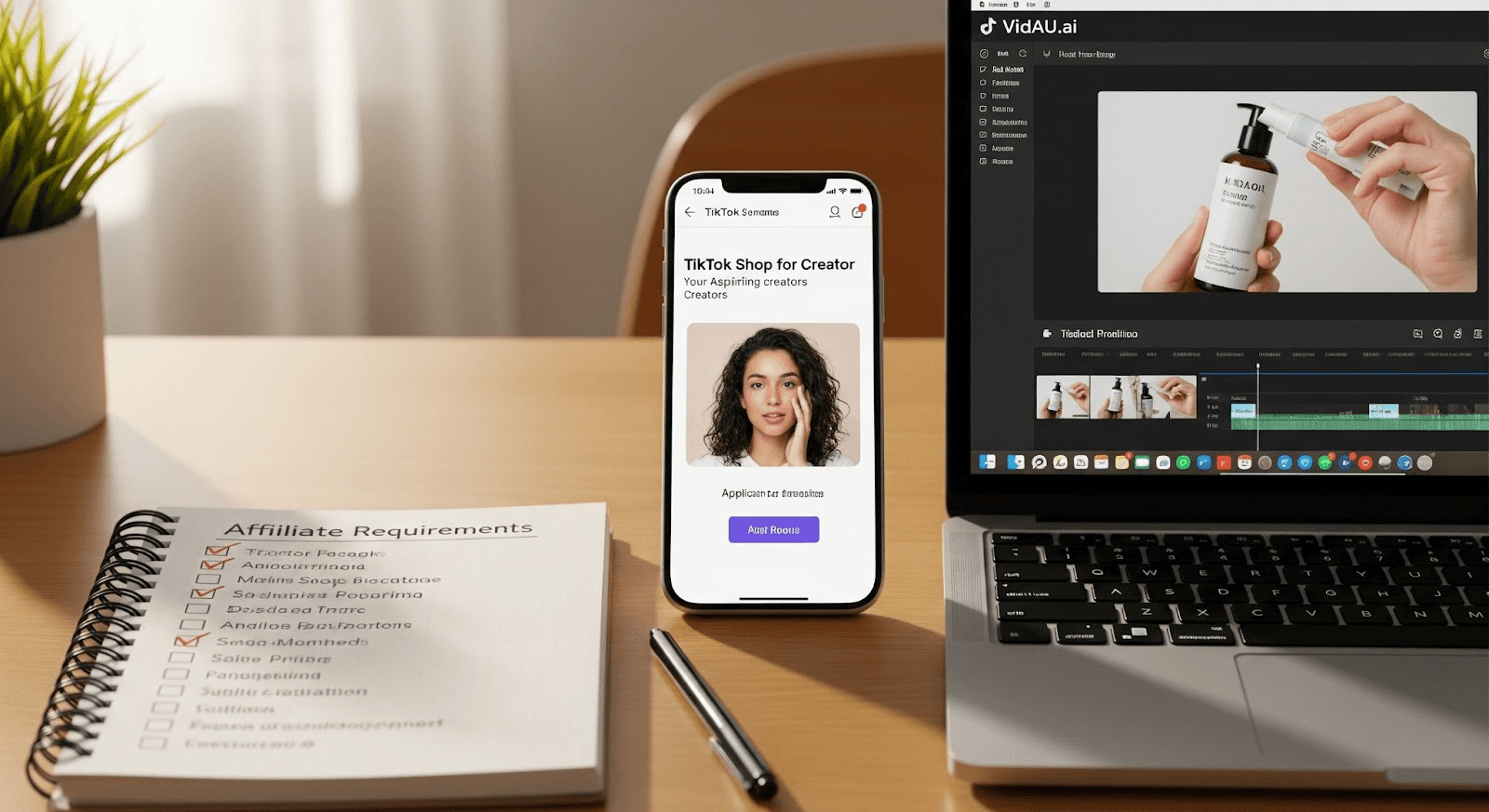
To succeed, focus on curated product choices. Create authentic content that resonates with your audience. Implement tight engagement playbooks. Establish simple operational controls that allow rapid testing and quick removal of unsuccessful products. Below are seven practical tactics you can start using immediately, each outlining specific actions and potential pitfalls to avoid.
1. Nail product selection
Think of choosing products like setting up a storefront window, not just a line on a spreadsheet. Choose items that look good in photos and show off well. Next, try some controlled micro-launches: list 50–150 units, share three short videos, and measure success by view-to-tag ratios and day-7 sales before ordering more. If a creative change significantly increases sales, make more; if it doesn’t, stop selling that item and bundle any leftover stock for promotions. A careful small-batch test can bring fast results. For instance, rapid creative changes led to a 50% increase in sales in 2026, demonstrating how effective experiments can be compared with guesswork.
2. Make content that feels like a neighbor’s recommendation
Don’t make everything look too polished like a commercial. Being genuine means showing the mess, the customer doubts, and the real setup. Film quick unboxings from different angles, short videos about what went wrong, and clips from the warehouse that include human voices and movement. Time your edits for the first three seconds to show the benefit, then end with a clear product tag and price. One shop that focused on raw packing videos gained 10,000 followers in 2026, showing how being relatable helps grow an audience. Keep a shot list: hero shot, failure shot, fix shot, CTA shot; repeat that structure until you learn what captures attention.
3. Use hashtags with intent
Choose four to five tags per post that mix popular tags with specific subcommunity signals. Create a rotating hashtag bank for each SKU that has one broad tag, two niche tags, and one action tag. Track how many clicks each tag gets for two weeks. If a tag gets views but no clicks, drop it because it wastes discovery speed. Keeping the tags concise is very important, too many labels can confuse the algorithm and make posts look spammy.
4. Turn comments into orders
Turn comments into orders. Respond quickly and in a friendly way, changing FAQ threads into pinned answers or simpler ways to buy. Use pinned replies to answer common questions about sizing, shipping, or returns. Create short templates for common objections while keeping a personal touch. Treat comments as micro-conversations; a friendly chat builds trust, while a standard response can damage it. When our clients missed replying on time, conversion rates fell as questions piled up and potential buyers left. Using automated saved replies in a single inbox helped restore conversion speed without hiring more staff.
5. Run lean ads and iterate creative-to-conversion
Run lean ads and improve creative-to-conversion. Promote your best organic post instead of creating a new ad. Start with a low daily budget for each version. Test creative against targeting simultaneously for 3 to 5 days, then increase spend on the ones that perform well. Targeting should be narrow at first: use interest groups that are similar to your competitors' followers, along with lookalike groups from your audience. Only use In-Feed placements, and watch the ad-to-checkout process closely. Wide placements can get attention, but might not show real buying interest. If an ad’s CTR and checkout rate don’t get better after three creative changes, stop and redirect the budget.
How can I improve the creative ideation process?
Most teams see creative ideation as guesswork. They track approvals through email because it is a familiar method that does not need new tools. While this approach works at first, having more creators, SKUs, and reviewers makes it hard to keep track of information across threads, leading to slower responses. This inefficiency can make launches and sales harder. Teams find that using centralized platforms with automated trend analysis and compliance checks helps align creative direction with assets ready for submission. This integration reduces rework, accelerates approvals, and maintains complete audit trails.
6. Build a professional email system that actually scales
Build a professional email system that scales effectively. Managing returns, multiple seller accounts, and support queries through Gmail aliases gets messy as volume increases, and inbox limits are reached. A domain-based email setup provides unlimited, role-specific aliases along with a central dashboard for routing and tagging. This setup helps create addresses such as support@, returns@, and ops@ to support clear workflows, preventing account flags during registration. Making this change significantly reduces duplicate responses, prevents lost messages, and saves several hours each week in triage. Be sure to connect each alias to an automated ticket rule and tag orders with the original video ID so customer conversations remain linked to the creative that drove the sale.
7. Use analytics to set hard decision rules
Use analytics to set clear decision rules. Focus on a few key metrics and turn them into simple actions. For example, if the product tag click-through rate (CTR) falls below 1 percent after seven days, it may be time to update the thumbnail and caption. On the other hand, if the return customer rate increases, a simple 10 percent loyalty code can help measure improvement over 30 days. Regularly checking in with new buyers can help identify early drop-offs. Analytics should guide not just what to grow, but also what to stop; when metrics change, think of the change as a guess to test, not a problem to stress about.
What operational metaphor can support my strategy?
A concrete way to understand this is to think of your shop as a market stall where the crowd votes every hour. If the display doesn't work, you fix it for that hour, not for next quarter. This habit of making fast local fixes, along with clear decision rules, sets apart slow, expensive scaling from iterative momentum.
What is the future of TikTok Shops?
The developments ahead will significantly accelerate the transition of your tests into compliant, live storefronts. This will help generate measurable sales.
Related Reading
Meet TikTok Shop Requirements Faster with Virlo’s AI-Powered Trend Insights
TikTok Shop requirements can slow a launch when creative ideas, verification, policy checks, and multiple approvals converge. Teams find it helpful to use platforms like Virlo, which combine AI virality analysis with compliance automation and audit-ready routing. This mix helps focus on the formats, hooks, and audio that TikTok rewards. It also ensures smoother storefront verification, product-tag compliance, and approval cycles. As a result, sellable videos can be published faster and with less guesswork. Check out the virality analysis tool for more information.
Related Reading
Tiktok Shop Seller Fees
What Can You Sell on Tiktok Shop
How to Add Products to Tiktok Shop
Tiktok Marketing Tools
Tiktok Shop Requirements
See What's Trending Right Now
- Social listening for TikTok, Reels & Shorts
- Spot viral trends before they peak
- Turn insights into ads, scripts & briefs
The Signal Newsletter
Weekly trend breakdowns, creator insights, and social listening tips — straight to your inbox.
Subscribe FreeSee Virlo in action

See What's Trending Right Now
- Social listening for TikTok, Reels & Shorts
- Spot viral trends before they peak
- Turn insights into ads, scripts & briefs
The Signal Newsletter
Weekly trend breakdowns, creator insights, and social listening tips — straight to your inbox.
Subscribe FreeRelated Articles

15 Best TikTok Analytics Tools in 2026 (Honest Comparison)
Compare the top TikTok analytics tools for 2026. We tested 15 platforms — here's what actually works for creators, agencies, and marketers.

9 Best Real-Time Trend Detection Tools for Short-Form Video in 2026
Short-form video signals can change quickly, and a format that looks promising in one niche may already be saturated in another. A useful tool should help you separate existing popularity from fresh acceleration across TikTok, Reels, and Shorts. General social listening tools built around mention...

TikTok SEO Strategy: How to Increase Visibility on FYP and Search
TikTok has evolved into a powerful discovery platform where users search for product reviews, tutorials, recommendations, and advice. This guide breaks down how TikTok SEO works, the key factors that influence visibility across the For You Page, TikTok Search, and Google, and practical strategies to help your videos reach more people. Learn how keywords, engagement signals, content quality, and consistency all contribute to better discoverability and long-term growth on the platform.
Put this into practice with Virlo
Turn what you just read into real research. These are the tools creators, agencies, and brands use to find what's working on short-form video.
Content Research Agent
Run your short-form research on autopilot — outliers, creators, and sounds across TikTok, Reels, and Shorts.
Tracking Center
Monitor breakout creators, videos, and competitors with daily snapshots and deep AI analysis.
Free Data
Explore free viral hooks, trending niches, breakout products, and more — no account required.
Get The Signal
Join creators, marketers, and agencies getting weekly trend breakdowns and social listening insights delivered free.
Subscribe to the Newsletter
Stop Guessing. Start Knowing.
Join thousands of digital entrepreneurs using data to take the guesswork out of capitalizing on trends.