Tiktok Shop vs Instagram Shop: Which One is Better?
Compare TikTok Shop vs Instagram Shop strategies to boost sales and minimize friction. Get practical insights and real metrics from Virlo experts.


Launching a product requires choosing the platform that best supports discoverability, creator engagement, ad spend efficiency, and conversion rates. Evaluating the nuances between Tiktok Shop Marketing and Instagram Shop marketing reveals distinct benefits in ad formats, algorithm behaviors, and audience demographics. Such insights help brands align their marketing strategies with evolving platform dynamics.
Measuring performance across these platforms is essential for refining content and outreach strategies. Detailed understanding of which videos capture attention, which creators drive sales, and which tags boost reach can shape future campaigns. Virlo's virality analysis tool offers data-driven insights to streamline decision-making and maximize engagement.
Summary
TikTok Shop compresses discovery, creator content, and checkout into a single session, reducing friction and boosting platform momentum, with TikTok Shop reporting a 150% increase in sales in 2025 compared to the prior year.
Instagram supports buying with richer product pages, curated storefronts, and discovery mechanics, evidenced by over 130 million taps on Instagram shopping posts each month and 70% of shopping enthusiasts using Instagram for product discovery.
Creator economics differ by platform, with TikTok rewarding fast, experimental demos and iteration. In contrast, Instagram creators build longer-term trust, a dynamic reflected by data showing 70% of consumers are more likely to buy from brands they follow.
Operational scaling exposes manual process weaknesses, as teams that manage tagging and creative coordination in spreadsheets face broken tags and reporting drift. Platform operations add latency, such as Instagram Checkout payout windows of 8 to 10 business days.
Social commerce is becoming a core revenue strategy, with Sprout Social projecting $1.2 trillion in social commerce sales by 2025, underscoring the importance of prioritizing discovery design, tagging accuracy, and fulfillment readiness.
Platform-product fit remains essential: products that demonstrate value in under 30 seconds and are priced for impulse tend to perform best on TikTok, while premium or detail-oriented items benefit from Instagram features like AR try-on and multi-image product pages.
This is where the virality analysis tool fits in; it helps teams map which creators, tags, and creative elements drive clicks and purchases across TikTok and Instagram so they can prioritize experiments and reduce wasted spend.
Key Features of TikTok Shop
TikTok Shop centralizes discovery, recommendation, and payment into four practical feature areas. This setup allows creators and brands to turn attention into transactions without sending users away from the platform. The following sections explain these features, how they work in practice, and why they are essential for teams deciding between TikTok Shop and Instagram Shop.
1. Complete marketing funnel, from trending content to checkout.
Most teams treat discovery and purchase as separate steps; however, TikTok Shop combines them into a single session. Product tags, in-feed shoppable links, and live shopping let a trending clip take a viewer from awareness to consideration to purchase, all without leaving the app. This process reduces friction since users stay in a familiar environment.
Discovery happens through an algorithm that favors virality, consideration is supported by creator reviews and product pages in the app, and checkout is a smooth process with prefilled details and built-in payments. It's like shopping at a pop-up shop during a concert: the performance creates desire, the vendor is right there, and buying feels fast rather than difficult. To enhance your approach, consider using our virality analysis tool to understand trends better.
2. Enhanced monetization opportunities for businesses and creators.
Pattern recognition shows that creators and small merchants are increasingly using native commerce to diversify their income. Instead of directing customers to webstores that are losing momentum, they are using TikTok Shop to create multiple ways to earn money. This includes direct product sales, sponsored creator drops, live-stream commerce, and affiliate splits. Scale is essential here: Root Digital, with over 1 billion users worldwide, engages with TikTok Shop, which in 2023 highlighted its broad reach and lower barrier to gaining new customers compared to smaller channels. For a brand, this means that influencer partnerships work better when the sale occurs in the same place where the recommendation was made.
Many teams still send social traffic off-site because it feels more familiar. While this strategy can work in the early stages, as volume grows, it causes problems: tracking breaks down, page loads can stop impulse buys, and reporting becomes complicated. Solutions like Virlo help by centralizing product tagging, providing live analytics, and organizing the checkout process. This allows teams to keep conversions on the platform, maintain attribution, and reduce the back-and-forth that can waste time and lead to lost sales.
3. Stronger content-commerce connection, blurring entertainment and retail.
This is where TikTok Shop changes people's expectations of advertising. Instead of stopping content with banner ads, shopping parts are woven into the creative. Examples include unboxings that link to products, tutorials that show buy buttons, and live streams where hosts demonstrate items and answer questions on the spot. As a result, there is greater relevance and less resistance, since the shopper’s feelings align with purchase intent. Brands can carefully test how products are placed within different content and improve their creative based on quick sales signals, not just vanity metrics.
4. What is the role of personalization in TikTok Shop?
Personalization plays a key role in helping users discover products and making it easier for them to buy. It's important to think about these rules: if you want to reach more people, broad promotion works well, but if you want to get more conversions, focusing on personalization is better.
TikTok Shop uses a mix of algorithm recommendations, user behavior signs, and interactive creative features like AR filters and shoppable stickers to show products that each person is likely to buy. This approach helps the platform display highly relevant product cards in users' feeds and suggest alternatives during live sessions, making it much easier for buyers to find what they are looking for. The result is not just more relevant products but also quicker decision-making, precisely what creators and merchants need, given short attention spans.
What momentum and risks should be considered?
Momentum and risk Confidence-first: adoption is speeding up, and the platform’s path is essential for strategic decisions. According to Resourcera, "By the end of 2025, TikTok Shop is projected to double in growth." This signals both a chance for growth and more competition.
Teams that overlook native commerce could face higher customer acquisition costs and more confusing data analysis later. This projection should change how you allocate budgets to creators, prepare inventory for live sales, and track results now, rather than waiting until later. Additionally, utilizing a virality analysis tool can help you make data-driven decisions for future campaigns.
What practical tradeoffs should businesses weigh?
When considering practical trade-offs, it is essential to consider various factors. This pattern shows up in campaigns: TikTok Shop makes it easier to complete purchases but keeps more control within one platform. If a business needs complete control over the post-purchase experience or advanced CRM workflows, doing some integration work is necessary.
For companies that value ease and conversion speed, using native checkout and creator-driven commerce are the best options. In the end, the choice should depend on whether the business cares more about conversion speed or having complete ownership. Next, it is essential to compare this directly with the Instagram Shop. The ways people discover products, the types of ads, and how creators earn money greatly affect investment choices. This comparison can often show insights that aren't obvious to most businesses.
Key Features of Instagram Shop
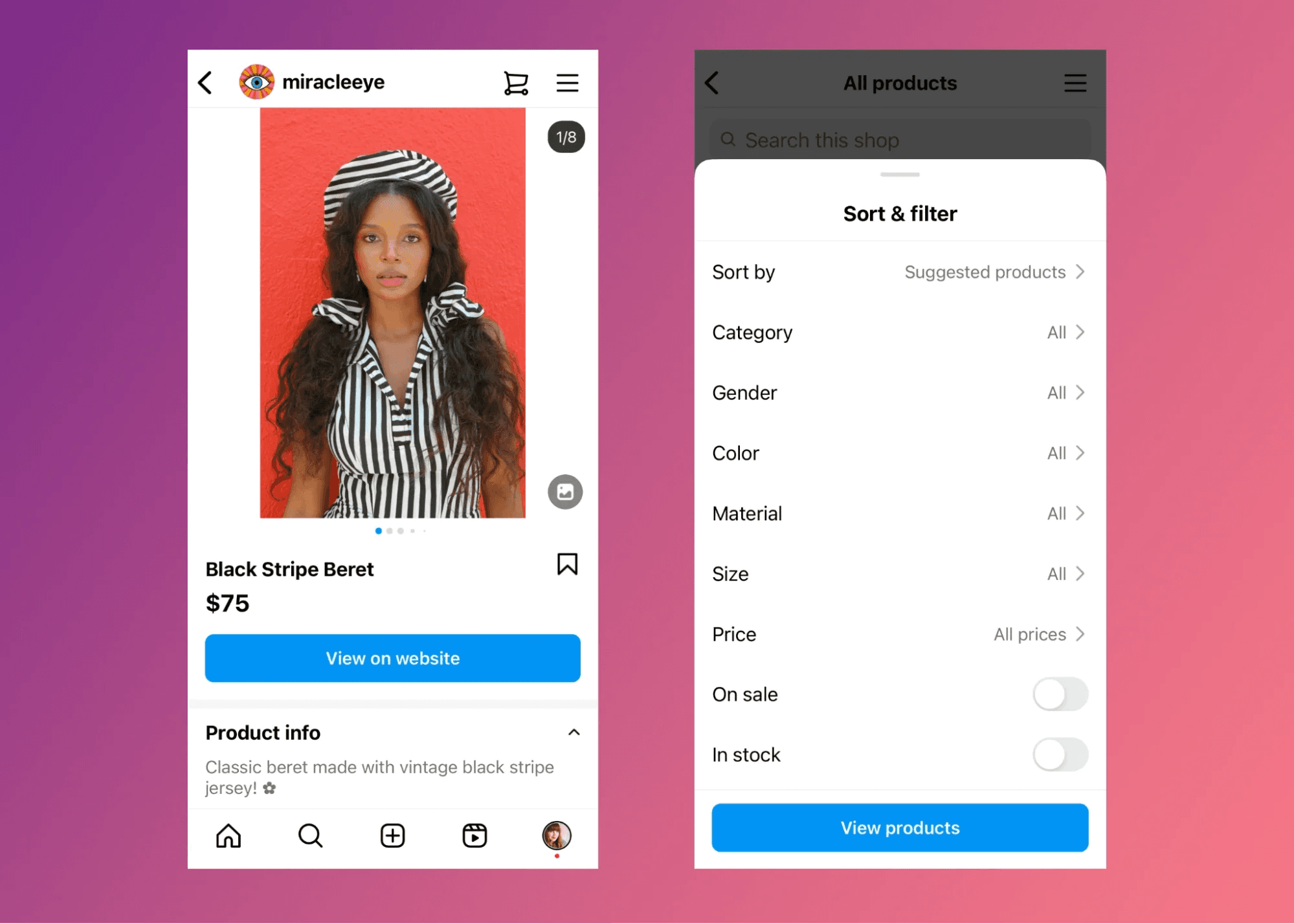
Instagram’s shopping features combine discovery, merchandising, and checkout into a single, easy-to-use place in the app. This setup lets customers go from browsing products to buying them with minimal hassle. Essential features include a storefront, organized collections, detailed product pages, and shoppable tags. Also, the platform offers ad options with product links, native checkout in supported areas, and tools for launch and creator commerce. However, remember the now-defunct live-shopping feature when planning your strategy. For insights into optimizing these features, consider using our virality analysis tool.
1. What does the Shop on your profile actually do?
Your Instagram Shop is the in-app storefront that users see after tapping View Shop. Think of it as a curated pop-up within the app. It features product tiles, promotional banners, and collections. This setup allows shoppers to view products without leaving what they are doing. Many users discover the Shop through feed content or creator posts, so the Shop serves as the central hub to showcase inventory, highlights, and current offers.
2. How do collections make browsing easier?
Collections allow users to group items into themed sets, like best sellers or gift guides, making discovery more intentional. Each collection can have a hero image shown clearly, with a short description below it. This setup helps shoppers find what they need quickly. Using collections to show curated bundles or seasonal assortments is more effective than just using a basic catalog order.
3. What belongs on a product details page, and how should you structure it?
Product pages include key sections like price, multiple images, size and option choices, shipping rules, and return information, all in a single scrollable section. These pages also recommend related items and can show approved customer photos to boost trust. You can make product pages from your catalog, add user-generated content, or even get them from organic posts. Think of them as the single source of truth for helping with purchase decisions. Additionally, utilizing a virality analysis tool can enhance your understanding of which products resonate most with customers.
4. How do product tags turn content into storefronts?
When a post or reel shows a product tag, users can quickly see it as something they can buy and tap it to go to the product page. Instagram lets users tag up to five catalog items in a single feed post, story, or reel. This feature dramatically increases the likelihood that the content will appear in high-intent places. By using tags, brands can connect their best creative work directly to the product detail page (PDP) that drives sales.
5. Are there paid options that keep those tags working harder?
Yes, businesses can make ads that include product tags or enhance existing shoppable posts using Ads Manager. This method helps to increase paid reach and build on organic momentum. These ad units can take shoppers to Checkout on Instagram, where it's available, or direct them to an external webstore if the business uses off-platform flows.
6. How does Instagram Checkout operate for sellers and buyers?
Checkout on Instagram lets eligible U.S. businesses accept payments right in the app and get payouts to their bank accounts in eight to ten business days. If businesses don’t qualify for native Checkout, they can still use Instagram Shopping to attract customers to their product pages on their own websites. But this adds a layer of friction between finding items and buying them.
7. Can Instagram handle product launches and pre-orders?
If you qualify for native Checkout, Instagram gives you valuable tools to launch your products. Shoppers can view launch details, set reminders, and receive notifications via countdown stickers or reminder prompts. This feature helps create excitement and capture customer interest before the products are shipped.
8. How do creators factor into shopping on Instagram?
The creator marketplace connects brands with creators based on audience traits like age, interests, and follower count. This setup allows direct product sales through creator posts with a paid partnership label. It separates discovery and selling power, so creators can earn commissions while shoppers can buy without leaving the creator’s post when Checkout is available. To maximize this process, utilizing a virality analysis tool can provide insights into the effectiveness of creator partnerships.
9. What happened to Live Shopping?
Instagram stopped Live Shopping on March 16, 2023. Because of this, live-stream commerce is no longer a tool that you can use, and you should not depend on it as part of your active strategy.
What practical mobile realities should you design for?
Mobile shoppers face significant challenges. Devices can be bogged down by full storage, outdated software, or poor battery health. These issues make even well-built product pages feel slow and unreliable, creating friction that kills conversions. To mitigate this, optimize image delivery, minimize client-side processing, and prefer progressive loading. These strategies are essential to prevent losing buyers due to a laggy experience.
Why does discovery design matter right now?
Instagram reported in 2025 that over 130 million people tap on Instagram shopping posts each month. This shows how many people shop on Instagram each month. A study from Instagram in 2025 also found that 70% of shopping enthusiasts turn to Instagram for product discovery. This explains why features that help people discover products should be a primary focus in your merchandising plan.
How can Virlo help with smart merchandising?
Virlo helps creators and commerce teams turn trends into effective merchandising strategies. You can try Virlo’s virality analysis tool to see which creative elements really drive clicks and purchases.
What should you consider for future campaigns?
While it looks neat, the next decision about where to focus spending will significantly affect how every future campaign measures success.
Related Reading
TikTok Shop vs Instagram Shop: Which One is Better?
TikTok is good for getting sudden attention and for making fast conversions. On the other hand, Instagram is better for building steady trust and helping with considered buying. Use TikTok to spark demand and Instagram to keep it going. By using both, businesses can reach a predictable scale.
1. What are the differences in discovery and algorithm power?
Discovery and algorithm power: TikTok’s recommendation system favors short, catchy hooks and creative styles that go beyond follower counts. Because of this, one video can reach many people overnight. Brands succeed by capturing attention, testing short hooks, and realizing that changes in reach are part of the plan. For more on these dynamics, explore the algorithm power of TikTok.
Instagram's follower-plus-interest discovery: Instagram combines the accounts users follow with interest signals, rewarding good-looking feeds and consistent themes instead of just quick bursts of activity. The platform is enormous, as evidenced by Instagram Shopping, which boasts over 1 billion active users monthly. Although reach is broad, it builds up more steadily over time, showing how users engage.
2. How do shopping features compare and affect user experience?
Shopping features and the checkout flow are essential for an easy shopping experience. TikTok makes it easy to discover and buy items quickly in short sessions, helping people buy with less effort. This quick path works well for items that need a quick visual cue and a little push to purchase. Instagram focuses on details while browsing. Instagram has better product pages, shows multiple images, and offers a try-on for products that need close inspection. This means that shoppers often take more time to consider before making a purchase. That extra thought is beneficial for items that need careful consideration.
3. What are the dynamics of creators and influencers on both platforms?
Creators on TikTok drive immediacy. TikTok creators turn attention into quick orders through fast demos, popular formats, and live drops. The platform rewards creative changes and quick content cycles. You can expect consistent and experimental creative work. In contrast, Instagram creators focus on building credibility. They trade short-term spikes for deeper storytelling, longer captions, and a clean visual identity that creates and maintains trust over time. This trust helps encourage purchases of more expensive or status-driven products.
4. How do ads and paid amplification differ?
Ads and paid amplification differ significantly across platforms. TikTok ads focus on being creative first. They can grow quickly with small budgets if they look like regular content and grab attention well. However, their success depends a lot on creative novelty and format fit. In contrast, Instagram ads give more precise targeting and consistent results. Instagram’s ad system enables detailed audience targeting and measurable controls, resulting in more reliable ROI for teams that already run Meta campaigns and want a predictable cost-per-acquisition (CPA).
5. What types of products sell best on each platform?
Key product types on TikTok include short demo goods, novelty items, affordable fashion, and gadgets that demonstrate their value in under 30 seconds. These products effectively use impulse buying and trend momentum. On Instagram, high-quality clothing, carefully curated home goods, and beauty products do well because they rely on clear visuals or AR try-on features. Users on this platform are ready to evaluate craftsmanship and fit, making these types of products especially attractive.
How do teams coordinate creative and commerce currently?
Most teams make a mistake when they think that choosing a platform is a one-size-fits-all decision. If a product can be shown quickly and visually, it should be on TikTok; if it needs trust, details, or high-quality images, Instagram is the better choice. Right now, most teams manage content, tagging, and campaign reviews manually, using spreadsheets and message threads. This way of working, while easy to start with, leads to problems over time. As the number of products, creators, and campaigns grows, mistakes start to add up: tags break and reporting gets mixed up, slowing decision-making and costing conversions. Platforms like Virlo bring together creative-to-commerce workflows, automate tag deployment, and connect specific creative versions to sales. This process cuts down weeks of manual work to just a few hours.
6. What is the performance of live shopping on both platforms?
Live shopping performance: TikTok is great at entertainment and commerce. Live sessions on TikTok feel like special events that mix scarcity, audience interaction, and creator endorsement to encourage quick purchases. In 2025, this approach generated significant excitement. According to Luminus, TikTok Shop saw a 150% increase in sales in 2025 compared to the previous year, showing how live and short videos helped boost total sales. Instagram focuses on announcements and launches. Although Instagram supports live video, it feels more like a launch or community event than a daily sales platform. Brands usually use it for planned reveals rather than fast selling.
7. How do merchant tools and integrations compare?
Merchant tools and integrations are changing quickly. TikTok’s tools include seller dashboards, product anchors, and some Shopify integrations that are improving swiftly. However, the way these processes work can vary widely across regions; therefore, merchants should expect features to change rapidly and may face policy updates. On the other hand, Instagram has a more developed commerce system. It benefits from Meta’s commerce systems, which offer strong catalog syncing, attribution tools, and consistent reporting. This trustworthiness helps teams grow their operations more effectively, with fewer unexpected issues.
8. What analytics and measurement capabilities do each offer?
Analytics and measurement: TikTok gives instant feedback on how well content is performing. This helps creators improve their content quickly. But to understand long-term success and track lifetime value, businesses need to add more tools and carefully design their sales process. Instagram provides insights that focus on conversions. It gives steady signals across different types of content and product interactions. This helps teams track clicks, add-to-carts, and conversion paths more accurately, primarily when companies aim for a reliable return on ad spend (ROAS).
9. What are the pros and cons of each platform?
TikTok has many strengths and weaknesses. Pros include substantial organic reach, strong creator support, and a quick way to buy things. On the other hand, cons are unpredictable performance, newer tools for merchants that are still developing, and a younger audience that needs fresh ideas all the time. Instagram also has its own pros and cons. Pros include a pleasant shopping experience, strong catalog and analytics features, and a well-managed advertising system. However, cons are less natural viral spread and a higher standard for creative visual content.
10. How to choose the right platform for your business?
When evaluating platforms, consider TikTok if your offering is trend-forward and can be shown in seconds. It's excellent for products priced for quick buys and aimed at younger buyers who like fast formats. On the other hand, Instagram is a better choice for premium, detail-oriented items or those that require trust through high-quality visuals. This platform works well for an older audience or for those who care about brand aesthetics.
In some cases, you might need to use both platforms. Use TikTok to grab attention and quickly check how well your product fits the market. Then, use Instagram to turn that initial interest into repeat customers and bigger purchases. It’s essential to connect insights from both platforms to maintain consistent messaging and timing.
What is the takeaway from this comparison?
The tension between rapid discovery and careful conversion is where most teams struggle. The solution is less about picking a winner and more about connecting creative efforts, tagging, and measurement to keep up with the pace your audience wants. This simple split explains a lot. However, the next part is where the real operational work starts.
9 Tips for Social Commerce Success

You win at social commerce by treating content and commerce as one, measured system. Focus on trends that result in sales, make the buying process smooth, and keep human signals, like comments, user-generated content, and reviews, at the center of every loop. Below are nine tactical levers you can use now, with clear actions and tradeoffs for teams focused on short-form creator-led selling.
1. How can Virlo help you find content ideas?
Use Virlo for finding content ideas for your social commerce. Virlo helps short-form creators and small merchants find repeatable, high-return content patterns using AI trend analysis. It lets users see which hooks, audio clips, and shot lengths are linked to higher click-through rates. By using these insights, creators can turn successful patterns into reusable creative templates. Think of Virlo's outputs as hypothesis generators: test the suggested combinations for a short time, then use the successful ones in shoppable creatives, ready for scaling.
2. Why is being social important?
Remember to be social. The platform works like a social space, so your behavior should show this. Focus on fast replies to comments and DMs, reshare customer posts, and tag collaborators to make conversations public and easy to find. This is not just optional interaction; being responsive helps build trust and makes buyers less hesitant to purchase, as they see real people supporting the product.
3. How can you encourage customer reviews?
Request reviews: Make leaving feedback easier than exiting the app. Use one-tap review prompts after purchase, showcase those reviews in your feed, and create short reels that highlight genuine customer reactions. Turn praise into social assets. Additionally, address negative feedback internally to resolve product and shipping issues before they result in lost repeat customers.
4. What should you consider when collaborating with influencers?
When working with influencers, it’s important to choose partners whose values and audience behavior match your goals, not just their follower counts. Use affiliate or trackable links to see how much revenue is actually generated. Trying a mix of nano, micro, and mid-tier creators can help find the right balance between cost per order and lifetime value. Always include in the brief what deliverables are needed and when reports should be received. This way, trials can yield precise data for future decision-making.
5. How can UGC benefit your brand?
Encouraging user-generated content (UGC) can provide authenticity and new assets without spending a lot on agencies. Brands can ask customers to share photos or short videos using a branded hashtag. Amplifying the best submissions as paid content boosts engagement. This trend is seen across many campaigns: people usually trust examples from their peers more than perfect ads. Also, UGC can speed up the creative process, as brands can quickly see which formats customers prefer most.
How can you improve creative and commerce coordination?
Most teams manage creative and commerce coordination using spreadsheets and chat threads because these methods feel familiar and straightforward. However, as the number of creators, product SKUs, and live drops increases, these manual processes begin to break down. Tags can fail, important context might be lost, and review cycles can stretch from days to weeks. Platforms like Virlo bring together trend signals, automate tag deployment, and connect specific creative versions to conversion data. This method reduces review cycles from days to hours while keeping detailed audit trails. Discover how our virality analysis tool can further enhance your coordination efforts.
6. What are shoppable posts and stories?
Use shoppable posts and stories. Embed product links where people are most interested, instead of hiding them behind a link in bio. Create designs that make the product both the hero and the answer to a quick consumer question, like: “Will this fit my commute?” or “Does this actually work on coarse hair?” Shoppable tags make it easier to go from wanting something to buying it. It's essential to A/B-test images with short clips to identify what makes people want to tap to buy for each product line. Keep it simple: one tap to the product, one tap to checkout.
7. Why use video content in your strategy?
Focus on short, specific videos that answer one question or show one benefit in 15 to 30 seconds. Use quick demonstrations, before-and-after images, and easy how-to clips that end with a visual cue to shop. Video content not only teaches but also reduces risk; when buyers see real examples, they skip the lengthy decision-making process and buy more quickly.
8. How can you monitor social media trends?
Monitor social media trends by tracking not just trending sounds or challenges, but also the behavior behind them. Consider who joins in, what emotional tone works, and how long the trend lasts. Livestreams are still very effective, especially when you combine scarcity and interaction with clear reward ideas, like limited-time bundles or exclusive codes. Think of these trend windows as experiments: run a live session, check if conversion improves, and write down the best process for future drops.
9. How do you review analytics and insights?
Review analytics and insights. Set up a scoreboard with clear KPIs before starting campaigns, and measure both creative and commercial signals together. This means tracking impressions, saves, comment sentiment, shoppable taps, add-to-cart rates, and completed purchases as one funnel. Also, keep a qualitative sheet for what customers ask in comments; often, their questions show missing assets or copy that, once fixed, can improve conversion rates.
Remember the scale: Sprout Social, 2025, expects social commerce sales to reach $1.2 trillion by 2025, which means this channel is moving from pilot budgets to main revenue streams. In addition, ThePowerMBA (2023) reports that 70% of consumers are more likely to buy from a brand they follow on social media, indicating that building a following is closely linked to purchase intent.
What is the impact of connecting content to buying?
This simple shift in how to connect content to buying is a slight change at first. However, once the backlog clears, it becomes clear that many potential conversions were hidden in the comments all along.
What are the final thoughts on social commerce?
The central part that connects everything has yet to be revealed.
Related Reading
Go Viral with Virlo's Virality Analysis Tool
Most teams handle TikTok Shop and Instagram Shop strategies by following trends and testing based on instinct. This can take a lot of time and money for ads and can lessen their momentum. Virlo has an AI-backed virality analysis tool that changes short-form trend signals into focused experiments. This helps creators set up a regular posting schedule, try out creative mixes, and focus on platforms where there's more evident proof and less waste.
Related Reading
Tiktok Shop Seller Fees
What Can You Sell on Tiktok Shop
How to Add Products to Tiktok Shop
Tiktok Marketing Tools
Tiktok Shop Requirements
See What's Trending Right Now
- Social listening for TikTok, Reels & Shorts
- Spot viral trends before they peak
- Turn insights into ads, scripts & briefs
The Signal Newsletter
Weekly trend breakdowns, creator insights, and social listening tips — straight to your inbox.
Subscribe FreeSee Virlo in action

See What's Trending Right Now
- Social listening for TikTok, Reels & Shorts
- Spot viral trends before they peak
- Turn insights into ads, scripts & briefs
The Signal Newsletter
Weekly trend breakdowns, creator insights, and social listening tips — straight to your inbox.
Subscribe FreeRelated Articles
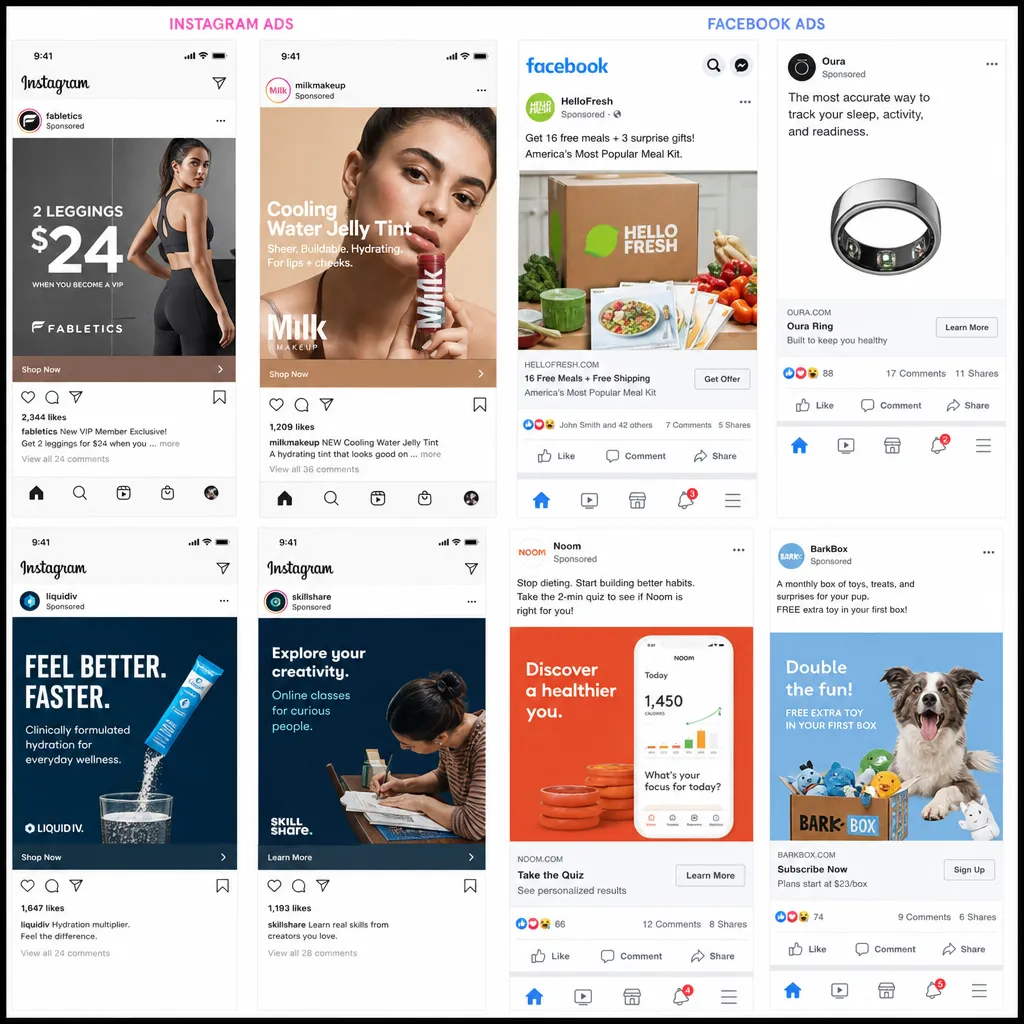
Facebook Ads vs Instagram Ads in 2026: Which One Deserves Your Budget
The real cost gap between Facebook ads and Instagram ads and which wins for ecommerce, leads, and B2B, and a starting budget split for your business type.

64% of Gen Z Uses TikTok Instead of Google—Here’s How to Make Sure They Find You
More Gen Z users are bypassing Google, turning to TikTok and Instagram for answers. Surveys show short-form video platforms are becoming Gen Z’s go-to search engines.
Ultimate Guide to Clip Farming in 2026 for Creators
Clip farming means three different things in 2026. Here's what each one is, how creators actually run it, what it pays, and what the platforms now penalize.
Put this into practice with Virlo
Turn what you just read into real research. These are the tools creators, agencies, and brands use to find what's working on short-form video.
Content Research Agent
Run your short-form research on autopilot — outliers, creators, and sounds across TikTok, Reels, and Shorts.
Tracking Center
Monitor breakout creators, videos, and competitors with daily snapshots and deep AI analysis.
Free Data
Explore free viral hooks, trending niches, breakout products, and more — no account required.
Get The Signal
Join creators, marketers, and agencies getting weekly trend breakdowns and social listening insights delivered free.
Subscribe to the Newsletter
Stop Guessing. Start Knowing.
Join thousands of digital entrepreneurs using data to take the guesswork out of capitalizing on trends.