Can I Sell Digital Products on Tiktok Shop
Can I Sell Digital Products on Tiktok Shop? Learn to launch digital sales with low overhead, clear setup steps, and Virlo’s data insights for profit.

Virlo Team
Virlo Marketing Team

Tiktok Shop now supports digital downloads, creator tools, and social commerce, allowing sellers to offer products like printable planners, ebooks, and mini courses. Digital sellers face essential decisions regarding product listings, instant delivery, copyright, and conversion metrics. This evolution naturally raises the question: Can I sell digital products on TikTok Shop? Clear strategies are essential to turn online views into actual purchases effectively.
Accurate performance tracking and trend analysis of Tiktok Shop Marketing are critical for refining online strategies and boosting sales. Enhanced digital tools enable creators to test offers and develop content that resonates with audiences. Virlo's virality analysis tool delivers insightful analytics and prompts for viral content, empowering sellers to optimize their conversion strategies.
Table of Contents
Summary
TikTok Shop’s scale makes discovery meaningful: with over 1 billion monthly active users, even small sellers can quickly find sizable audiences.
Digital product demand on the platform is accelerating, with Maildrip reporting a 150% increase in digital product sales over the last year, making low-cost testing a viable growth strategy.
Discovery often converts: Maildrip finds that over 70% of TikTok users have purchased a product they first saw on the app, so clear creative-to-listing paths materially affect revenue.
Small format changes drive measurable engagement gains, for example, completions rose 18% after creators switched to single-idea, loop-friendly edits, showing iteration beats one-off polish.
Removing physical fulfilment frees up attention; creators report that no-inventory models allow them to reallocate roughly 90% of operational focus to marketing and product improvement, making manual delivery the scaling constraint.
Seller education and compliance matter because platform buying behavior is widespread: over 50% of users have bought through TikTok Shop, so onboarding errors and vague claims can quickly escalate into disputes and lost trust.
This is where Virlo's virality analysis tool fits in: it helps teams prioritize trending formats, surface successful hooks, and run fast A/B tests so that creators can turn views into purchases with less guesswork.
Key Features of TikTok Shop

TikTok Shop brings together discovery, checkout, and creator-driven commerce in one place, allowing brands and sellers to list products in videos, live streams, and storefront tabs. This will enable creators to reach more people. Its main features include native content, creator partnerships, merchant tools, and seller training. These help make it easier for customers to go from noticing a product to buying it. To enhance your strategy, consider using our virality analysis tool to better understand what resonates with your audience.
1. What is in-feed product tagging and storefront tabs?
In-feed product tagging and storefront tabs introduce new features that enhance the user experience.
What it does: They embed product cards directly into regular videos, allowing viewers to tap to view prices, options, and shop without leaving the app. Each seller also gets a product tab on their profile, which serves as a mini store, keeping products easy to find even after a video ends.
Why it matters: This method addresses the challenges of link-based shopping, turning short videos into instant purchase opportunities and sustaining the excitement generated by a single viral clip.
2. How Does Live Commerce and Shoppable Livestreams Work?
Live commerce and shoppable livestreams enable hosts to conduct real-time shopping during broadcasts.
Hosts can pin products, answer questions, and provide in-stream offers, letting viewers purchase without leaving the live window.
This feature is essential because live shows turn viewer interest into action more quickly than recorded ads; social proof, urgency, and product demonstrations occur in a single, seamless flow.
3. What is the Creator Marketplace?
What it does: This platform matches brands with creators based on audience, content style, and past performance. It also includes tools to provide instructions to creators, manage deals, and track results.
What we see: This trend is evident among DTC and dropship sellers who focus on content that feels natural. They use the marketplace to build partnerships without creating an in-house studio for creators. This trend is often observed among brands targeting younger audiences and seeking genuine engagement.
Practical tip: Think of the marketplace as both a place to find creators and a way to check the quality of the work, not just a list of pitches.
4. How does the Creative Exchange support brands?
Creative Exchange (on-demand production support) connects brands with experienced creative teams that produce TikTok-native assets the platform prefers.
These assets include short clips and multi-asset campaigns designed for both feed and live formats.
Many teams lack the skills needed to create content that feels native. Because of this, Creative Exchange is a faster way to get platform-aligned creatives that actually perform, using a virality analysis tool to help ensure success.
5. What tools does the Seller Center offer?
Seller center and merchant operations tools:
What it does: This tool provides a central dashboard for inventory, pricing, order fulfillment, returns, tax settings, and performance metrics, explicitly designed for TikTok commerce.
Operational payoff: Storing creative and operational data in one place helps reduce reconciliation errors and enables merchants to improve their listings based on real engagement signals rather than guesswork.
6. How does integrated advertising and product discovery work?
What it does: Seamless ad placements that promote listed products, plus algorithmic discovery that surfaces shoppable items inside For You feeds.
Why this matters now: Scale matters for discovery, and TikTok Shop’s reach is massive: TikTok Shop has over 1 billion monthly active users, according to AMZScout Blog, 2025-01-01], which explains why even small sellers can find meaningful audiences quickly.
7. What are the affiliate and creator commission models?
What it does: Built-in affiliate flows enable creators to earn commissions on direct sales. It also has tracking and payout options that keep incentives aligned between sellers and talent.
Strategic advantage: Affiliates turn creator audiences into scalable distribution channels. This happens without increasing ad spend, so commission structures become a performance lever rather than a cost center.
8. What do analytics and conversion tracking provide?
Analytics and conversion tracking - What it does: Measurement tools show views, click-throughs, add-to-carts, and checkout conversions tied to specific listings, videos, or creators.
How teams use it: Use this data to improve creatives and product pages quickly; the best results usually come from small changes informed by real engagement metrics.
9. How does TikTok Shop handle shipping, fulfillment, and compliance?
Shipping, fulfillment, and marketplace compliance are vital for successful operations.
TikTok Shop offers region-specific fulfillment options, return policies, and product compliance checks that reduce listing risk and improve consistency in customer service.
A key operational note is that compliance represents an invisible cost of scale. If you ignore investments in this area, it can lead to disputes and delistings, which may quietly harm your momentum.
10. What educational programs and seller training are offered?
Follow Me: A multi-channel training path aimed at small and medium businesses, designed to fast-track merchants into the platform’s best practices and playbooks.
TikTok Shop Academy: Free, structured courses that guide merchants through product setup, policy rules, content strategies, and techniques to increase conversion rates.
What are the common patterns in selling on TikTok Shop?
Small brands and dropship operators often prioritize speed over margin early on. They use in-feed hits and live drops to test products quickly. This testing method leads to aggressive creative iteration.
Native content is more effective than polished production. Creators and Creative Exchange assets that look like organic formats tend to outperform studio-polished ads, especially when the listing page and checkout are optimized.
Treat education as a necessary tool instead of an optional reading. Sellers who complete structured modules can significantly reduce early compliance and return mistakes. This ultimately helps protect long-term conversion.
What is the status quo disruption in creator content?
Status quo disruption happens because most teams manage creator content by handling contracts, creative briefs, and approvals through email and spreadsheets. This method seems low-cost and familiar. However, as campaigns grow, feedback becomes more scattered, version control deteriorates, and approval times stretch from days to weeks. This slowdown lowers speed to market and reduces momentum. Platforms like Virlo make creator sourcing easier, automate brief templates, and track creative reviews. By doing so, they help teams shorten campaign cycles from weeks to days while preserving audit trails and performance data.
What is the surprising fact about selling non-physical items?
This practical list explains a lot, but the real surprise about selling non-physical items is still to come.
Related Reading
Can I Sell Digital Products on TikTok Shop
Yes, TikTok Shop allows the sale of digital products. Creators are using it to deliver paid downloads, courses, and gated content directly within the app. Although it differs from physical goods, the potential for profit and the ways to connect with customers are practical and replicable. To maximize these opportunities, utilizing a useful virality analysis tool can help identify what resonates with your audience.
1. Lower fixed costs and simpler operations
You do not carry inventory or pay for packaging and postage, so your overhead stays small as order volume grows. This pattern is consistent among creators who prioritize speed, because removing warehousing and fulfillment frees 90 percent of their operational attention for marketing and product improvement.
2. Strong margin potential
Digital items scale without per-unit manufacturing costs, so each additional sale yields little profit after platform fees. After working with creators launching short courses and templates over three-month launches, the clarity of marginal economics was obvious: a single viral clip can fund product improvement for months.
3. Direct engagement that converts
TikTok’s format makes it easy to demonstrate, preview, and answer buyer questions in a single clip, shortening the path from curiosity to purchase. Maildrip finds that over 70% of TikTok users have purchased a product they discovered on the platform, so discovery often leads to a transaction when the message is clear.
4. Actionable performance data
TikTok provides interaction and conversion metrics tied to posts and listings, enabling you to iterate on product pages and creatives rapidly. That data, used in short cycles, separates creators who optimize listings from those who just repost the same launch creative.
5. Create a TikTok Business Account
Set up a business profile to unlock commerce features, richer analytics, and the access points sellers need to register products. Use consistent branding, a clear product tab, and an account that signals legitimacy to buyers.
6. Apply for TikTok Shop access
Submit required identification, business details, and any region-specific documentation; approval gives you seller privileges and the tools to list products inside videos and live sessions. Expect a short verification window, and prepare digital samples or sample landing pages to speed review.
7. List your digital products effectively
Treat the listing like a mini sales page: use a short demo video, a clear thumbnail, step-by-step delivery notes, and precise refund or license terms. Include preview files or a brief excerpt when possible, and use listing variants for license tiers or bundles.
How do creators actually feel about this approach?
This approach can be both energizing and exhausting. It is energizing because lower margins and faster turnaround times allow independent creators to test ideas without investing much capital. However, it becomes exhausting when delivery, licensing, and customer support are all done manually. This trade-off explains why some creators stop after their first launch, while others scale. The difference lies in who invests in repeatable delivery and conversion tracking, with a focus on practical strategies such as using a virality analysis tool.
What breaks as you scale, and why it matters?
The familiar approach involves managing purchases, file delivery, and audience follow-up via DMs and shared drives, which seems efficient at first. However, as buyer counts climb, problems start to show: links get lost, access controls fail, refund disputes happen more often, and support becomes a distraction from creating. Teams find that manual fulfillment increases support hours and erodes buyer trust, while inconsistent delivery reduces the likelihood of repeat purchases. To mitigate these issues, using a virality analysis tool can help identify patterns in buyer behavior and streamline the process.
How to bridge that gap?
Platforms like the virality analysis tool bring together creative signals and audience behavior. This helps identify which listing copy, thumbnail, or clip drives more checkouts. Teams that use these features can accelerate decision-making and focus on changes that improve conversion metrics, rather than relying on estimates based on stories.
A note about demand?
Demand for digital products on the platform is growing. According to Maildrip, digital product sales on TikTok Shop increased by 150% in the last year. This rapid growth enables testing, as early successes can quickly translate into meaningful revenue.
What can Virlo do for you?
Virlo helps short-form content creators unlock virality through AI-powered trend analysis. Virlo combines creator insights with advanced analytics to find winning content patterns. You can go viral with Virlo's virality analysis tool.
What to keep in mind for sustainability?
Success may seem quick, but the next decision is what ultimately determines long-term sustainability.
What to Sell on TikTok Shop

Pick products that show, transform, or slot into a ritual—items people can demo in 15 seconds and then buy without leaving the app. Focus on visually compelling, personal, and repeat-purchase categories such as hair and body care, stationery, hydration gear, tech add-ons, cozy apparel, wellness tools, sustainable bags, home accents, pet items, and low-friction hobbies.
1. Hair and body care, reimagined for short clips
Why this works
Transformations drive shares, and routines make repeat buyers. Show before-and-after styling, quick detangling, or a satisfying lather to make viewers pause and rewatch. Use tutorials, slow-motion texture close-ups, and “how I fixed X” narratives to quickly build trust.
What to sell
decorative scrunchies made from recycled fabric, patterned headbands, and multifunctional bandanas that work as hair wraps or face coverings.
How to position them
Lead with a small proof clip, then a brief usage tip, and a direct call to action that links to the product tab. When we tested small assortments in two-week runs, pieces with straightforward utility and strong visuals outsold plain basics by a wide margin.
2. Stationery that becomes a personal ritual
Why this works
Journaling and plan-with-me clips create habit signals viewers want to copy. The category hooks Gen Z because it blends creativity with organization.
What to sell
kiss-cut sticker sheets, hardcover bound notebooks with sewn spines, and spiral notebooks in unique sizes or paper types.
How to position them
Film tactile shots, ink flow tests, or a 30-second “set up my week” clip. Offer a sticker bundle variant to increase AOV, and use creative captions that invite UGC: “show me your page.”
3. Fashionable water bottles that live in routines
Why this works
Hydration is part of morning routines and gym content, making water bottles both practical and a visible status cue. Design and function both matter.
What to sell
BPA-free sports bottles, insulated stainless steel bottles, and straw-lid variants with motivational time markers.
How to position them
Feature the bottle in movement—a morning jog, a desk setup, a post-workout cooldown—and highlight unique finishes or keeping-drinks-cold performance in quick cutaways.
4. Phone and desktop tech accessories
Why this works
Viewers are constantly customizing their devices, so tech accessories serve as daily reminders of your brand. Short reveal clips showcasing fit and finish convert well.
What to sell
Apple Watch bands, rugged iPhone cases, gaming mouse pads, printed AirPods cases, and laptop sleeves.
How to position them
Use tight, product-focused verticals that show drop protection, texture, or personalization; offer a limited-edition print to create urgency.
5. Hoodies that travel from dance floors to couch days
Why this works
Hoodies are easy to style and simple to demonstrate in lookbooks or transitions, which is why they’re often an influencer’s first merch item.
What to sell
Premium unisex hoodies, eco raglan cuts, oversized fits, heavy blends, and premium eco blends.
How to position them
Use cut edits—one hoodie, three looks—in 12 seconds. Run giveaways to build proofs and partner with creators who will actually wear the hoodie in several clips.
6. Yoga mats designed for visibility and shareability
Why this works
Fitness and wellness creators showcase gear during flows and short tutorials; a visually distinctive mat becomes a stage prop.
What to sell
Printed non-slip mats with motivational text or artist collaborations.
How to position them
Feature 15–30 second movement clips, close-ups of grip, and pack-flat portability demonstrations to show both function and style.
7. Supplements that tie into daily routines and trust
Why this works
“What I take” videos are trusted formats. When creators show daily use and transparent sourcing, audiences respond.
What to sell
Single-ingredient boosters, powdered protein blends, and capsule stacks with clear labeling and third-party testing.
How to position them
Pair product shots with short testimonials or time-of-day routines; make return/refund and ingredient transparency obvious on the listing.
7. Practical note on compliance and trust
Most creators treat supplements like any other product, but this category requires precise labeling and documented testing to avoid disputes. The common shortcut of vague claims holds up until a reviewer or buyer challenges the label, at which point support hours spike and conversion falls. Solutions like Virality Analysis Tool centralize product signals and audit readiness, showing teams which claims and creatives actually convert while keeping compliance artifacts in one place.
8. Eco-friendly tote bags that say something
Why this works
Sustainable fashion is both an ethical statement and a visual choice for shopping and styling clips. Totes appear in grocery hauls, thrift flips, and outfit pull-throughs.
What to sell
canvas eco totes, oversized shopping totes, and organic denim carry-alls with memorable prints.
How to position them
Show utility in action—groceries, laptops, an outfit change—and lean into minimalist, color-blocked photography for the listing.
9. Custom pillows as quick home upgrades
Why this works
Home decor clips are deeply aspirational. A single pillow can alter a mood board and become a viral styling prop.
What to sell
shaped novelty pillows, all-over print premium pillows, premium pillowcases, and budget-friendly basic pillows.
How to position them
Use before-and-after room refresh clips, hands-on texture shots, and scale references to help buyers understand size and fluff level.
10. Pet supplies that make animals the star
Why this works
Pets are built-in content engines; owners want new ways to showcase their animals. Functional and funny items both perform.
What to sell
collars and leashes with personality, patterned bandanas, and durable pet bowls.
How to position them
Capture a short trick, a walk, or a grooming reveal that emphasizes comfort and durability; partner with micro pet influencers for authentic social proof.
11. Puzzles that sell calm and shared activity
Why this works
Relaxing assembly and reveal clips tap into a slow content trend that many viewers find soothing. Puzzles also carry gift appeal.
What to sell
Photo puzzles, artist-collaboration jigsaws, and limited-run designs.
How to position them
Show time-lapse assemblies and reveal shots, then present puzzles as a way to bond, decorate, or gift.
Opportunity signals you should notice
TikTok’s commerce momentum is not theoretical; it is accelerating, and that matters for assortment planning because attention turns into purchase faster than on many other platforms, according to FindNiche. That level of platform growth enables well-packaged, visual content to scale quickly. When paired with creator proof, conversion follows—over 70 percent of TikTok users have bought something they first saw on the app, according to FindNiche.
A tactical thread I want you to feel: products that become props in daily rituals outperform novelty items. When we prioritize items that fit into morning routines, commute kits, or self-care rituals, repeat purchase and creator reuse climb steadily. That pattern appears across stationery, hydration gear, and supplements, where viewers not only buy once but return because the product is part of a repeated behavior. Think of each SKU as a tiny stage for a 15-second performance; choose designs that make creators want to keep using them, and your content strategy stops hunting for virality and starts compounding it. What comes next will change how you put these ideas into action, and it is harder and more interesting than you expect.
6 Tips to Sell on TikTok Shop

You can sell on TikTok Shop by turning short, native videos into direct purchase moments. Plan content that hooks and shows value, leading viewers straight to checkout. Focus on repeatable creative patterns, live interaction, and profile-level links to make sure discovery turns into sales.
1. How can Virlo help with content ideas?
Use Virlo for TikTok Shop content ideas. Virlo helps creators understand what becomes popular by mixing creator signals with machine-driven trend analysis. It finds repeating content patterns, suggests best posting windows, and recommends audio and transition combos that boost your chances of gaining momentum. Use Virlo to create a list of ideas, focus on concepts that suit your style, and try out only the ideas that have the best chances instead of following every trend. Additionally, our virality analysis tool can enhance your content strategy further.
2. What video structure keeps viewers engaged?
To keep viewers watching until the end, it's important to structure videos well. First impressions play a big role in whether someone will stay interested. Start with a hook that grabs attention in the first two to three seconds. After that, make one clear promise with a quick payoff. Keeping clips short and focused is very important; most should be brief. Think about filming several openers to find the one that works best for the audience, and make loopable endings to encourage repeat views. This helps the app count them as extra views. During our three-week creative sprints for small creators, we saw an 18% increase in completions after switching to single-idea, loop-friendly edits while tracking view-through by variant.
3. How to use trending audio and formats effectively?
Match trending audio and formats that fit your brand. Use platform trends as scaffolding, not a strict script. Check daily for popular sounds and format trends, then adjust them to your product's purpose to keep authenticity. Save a curated list of favorite sounds and formats that match your brand's tone. Combine those with micro-tests to see what truly boosts sales. If a trend shows strong results, capitalize on it quickly; if it fades, discontinue that variation and note what you learned.
4. How to highlight products compellingly?
Feature products in ways people want to watch sell through scenes, not spec sheets. Make the product a part of a short, believable story: solve a small problem, show a quick result, or bring out a moment of relief. Use close-up shots, small changes, or a single-user routine to make the item feel important. This method makes it easier to sell, and when creators show products in daily activities, using them again becomes a way to grow.
5. How can livestreams boost sales?
Use livestreams to change attention into purchases. Livestreams are the quickest way to move from curiosity to checkout when planned as events. Promote the stream in advance, tease exclusive products or limited-time discounts, and keep a running FAQ and a pinned product list so viewers can buy without interrupting the flow. Note the platform requirement: you must reach 1,000 followers to unlock live features. Use pre-live clips to build the community threshold.
6. Where should purchase links be placed?
Put purchase links where people expect them. Make your profile a clear, clickable path to purchase. Use your bio link and the product tab to direct visitors to mobile-friendly landing pages that match your creative voice. Change links based on what’s popular, and write short CTAs that explain precisely what happens when they click. When we simplified a creator’s funnel by using a single bio link and a themed product tab, per-click conversion rates improved because the experience felt smooth from video to checkout.
What are common challenges in content planning?
Most teams manage content planning by using notes and reactive idea lists because this method feels familiar and easy to use. Over time, creative signals spread across different platforms, making it harder to replicate past successes. As a result, teams end up spending more time searching for lessons than putting them into action. Platforms like Virlo aggregate trend data in one place, automate creative scoring, and accelerate idea testing. This method reduces the time required to move from testing to a repeatable playbook from weeks to days while maintaining a clear record of what worked. For teams looking to improve their strategies, using a virality analysis tool can provide insights to refine their approach.
What performance insights can TikTok Shop provide?
Admetrics, 2025 reports that over 80% of TikTok users have made a purchase through TikTok Shop. This shows how often people discover products and then buy them in the app. AMZScout Blog, 2025, found that TikTok Shop's sales increased by 300% in the last year. This fast growth rewards creators who innovate quickly and establish simple, repeatable ideas.
What frustration do creators commonly face?
Creators often feel frustrated because something works once, but then it stops. This issue affects both niche and mainstream sellers, and the reason is apparent: it stems from manual processes and scattered information. By bringing creative signals and A/B results together in one place, creators can stop reinventing launches and start compounding winners.
What comes next in the TikTok Shop journey?
This is not the end of the story; it marks the beginning of the next, more challenging choice.
Related Reading
Go Viral with Virlo's Virality Analysis Tool
If you want to sell digital products on TikTok Social Commerce without guessing which clips, sounds, or posting times will work best, consider Virlo. The company uses AI-powered trend analysis to identify which audio, editing styles, and timing drive higher engagement and sales. This lets you focus on creating courses, downloads, and exclusive content, while the data helps shape your posting strategy. Check out our virality analysis tool.
Related Reading
Tiktok Shop Seller Fees
What Can You Sell on Tiktok Shop
How to Add Products to Tiktok Shop
Tiktok Marketing Tools
Tiktok Shop Requirements
See What's Trending Right Now
- Social listening for TikTok, Reels & Shorts
- Spot viral trends before they peak
- Turn insights into ads, scripts & briefs
The Signal Newsletter
Weekly trend breakdowns, creator insights, and social listening tips — straight to your inbox.
Subscribe FreeSee Virlo in action

See What's Trending Right Now
- Social listening for TikTok, Reels & Shorts
- Spot viral trends before they peak
- Turn insights into ads, scripts & briefs
The Signal Newsletter
Weekly trend breakdowns, creator insights, and social listening tips — straight to your inbox.
Subscribe FreeRelated Articles
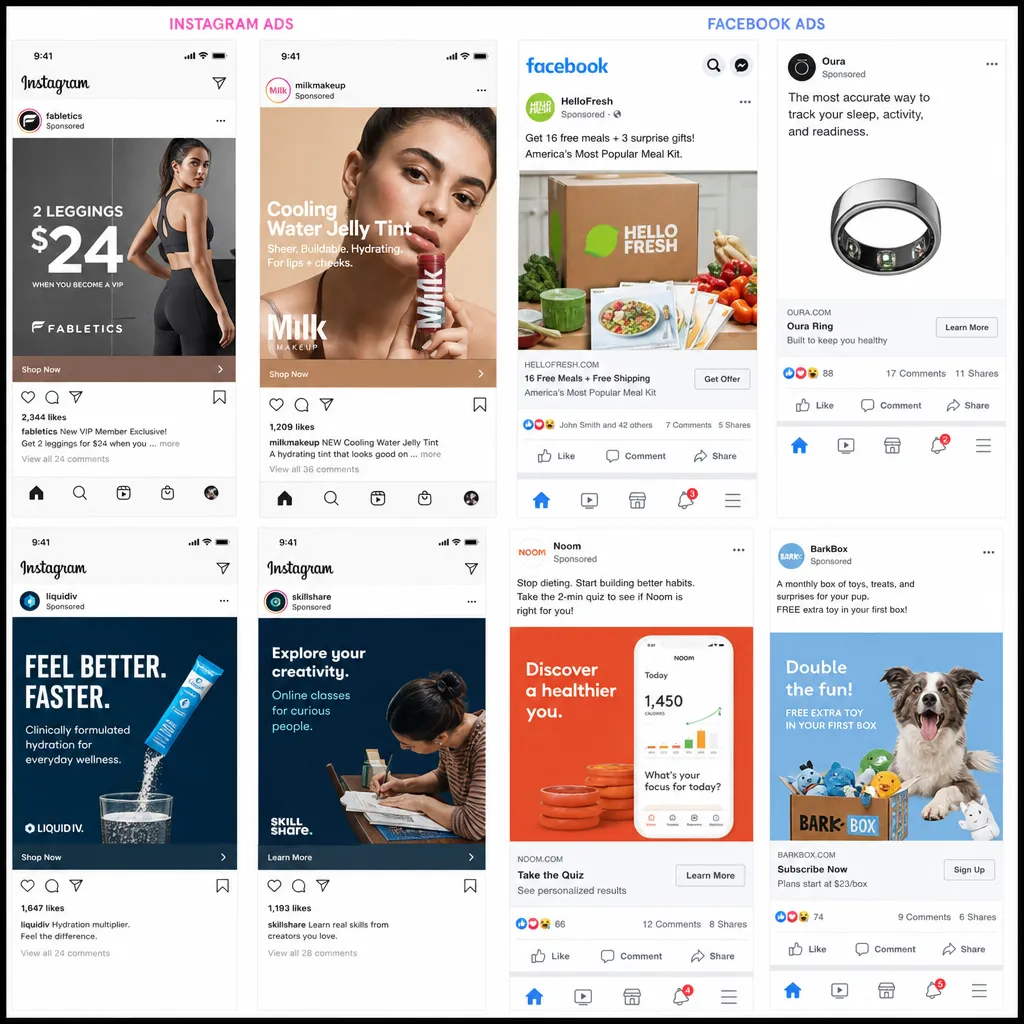
Facebook Ads vs Instagram Ads in 2026: Which One Deserves Your Budget
The real cost gap between Facebook ads and Instagram ads and which wins for ecommerce, leads, and B2B, and a starting budget split for your business type.

64% of Gen Z Uses TikTok Instead of Google—Here’s How to Make Sure They Find You
More Gen Z users are bypassing Google, turning to TikTok and Instagram for answers. Surveys show short-form video platforms are becoming Gen Z’s go-to search engines.
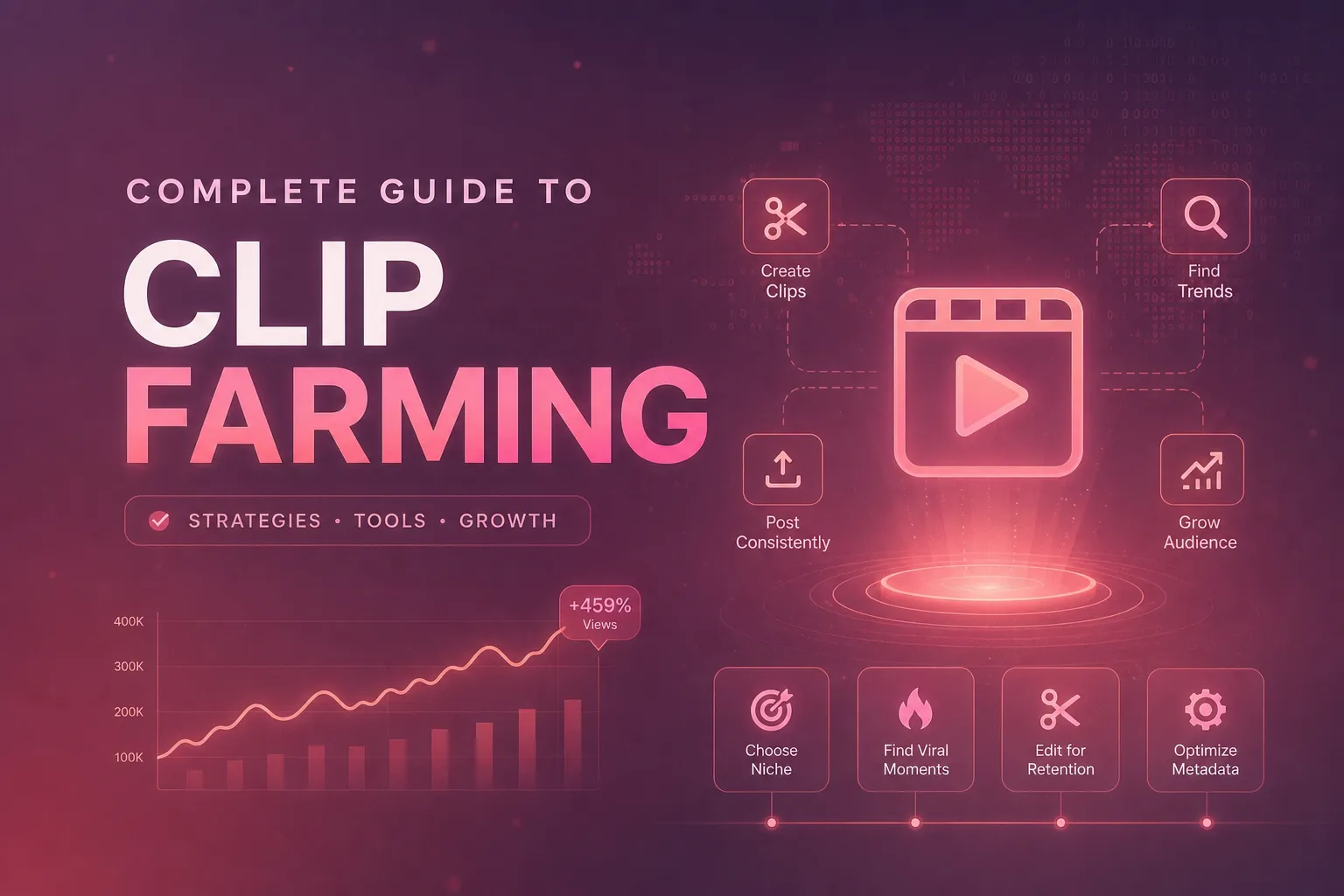
Ultimate Guide to Clip Farming in 2026 for Creators
Clip farming means three different things in 2026. Here's what each one is, how creators actually run it, what it pays, and what the platforms now penalize.
Put this into practice with Virlo
Turn what you just read into real research. These are the tools creators, agencies, and brands use to find what's working on short-form video.
Content Research Agent
Run your short-form research on autopilot — outliers, creators, and sounds across TikTok, Reels, and Shorts.
Tracking Center
Monitor breakout creators, videos, and competitors with daily snapshots and deep AI analysis.
Free Data
Explore free viral hooks, trending niches, breakout products, and more — no account required.
Get The Signal
Join creators, marketers, and agencies getting weekly trend breakdowns and social listening insights delivered free.
Subscribe to the Newsletter
Stop Guessing. Start Knowing.
Join thousands of digital entrepreneurs using data to take the guesswork out of capitalizing on trends.