VirloVirloVirlo
Get Data
Home
DevelopersPricing
Sign in with Google
Get Data
VirloVirloVirlo
Get Data
Home
DevelopersPricing
Sign in with Google
Get Data
Back to Blog
Best PracticesJanuary 14, 2026

How Does Tiktok Shop Work

How Does Tiktok Shop Work? Discover essential seller tips, operational insights, and native tactics to boost sales. Virlo delivers clear, actionable guidance.

Virlo Team

Virlo Team

Last updated: February 27, 2026Expert Verified
tiktok with locator - How Does Tiktok Shop Work

Shoppable videos and promotions may boost visibility, yet converting views into orders remains challenging. How does Tiktok Shop Marketing work when some products convert smoothly in livestreams or posts, while others stall? Conversion depends on accurate product tagging, creator commerce strategies, intuitive shopping tabs, and smooth checkout flows.

Market trends and performance metrics guide smarter decisions in online sales. Virlo's virality analysis tool provides insights by highlighting trending sounds, top-performing creatives, and competitor moves to optimize content and product promotion.

Summary

  • TikTok Shop converts discovery into checkout at scale, with over 500 million users globally, often translating directly into purchase opportunities.

  • Standing out is harder than listing products; the marketplace hosts over 1 million active sellers and over 100 million listed items, so differentiation must be creative and operational.

  • Live selling concentrates attention on purchase spikes, and the platform saw a 150% increase in sellers in the past year, signaling that merchants are betting on live and creator-driven commerce.

  • Creative format and watch-through matter. Aim for a hook in the first three seconds and many clips near 15 seconds, as those timings materially increase the chances the content will travel and convert.

  • Feed and catalog hygiene directly affect paid delivery and ad costs, so teams validate feeds nightly and reconcile SKU sell-through rates weekly to prevent campaign throttling.

  • Manual approval flows break momentum, while compressing review cycles from days to hours preserves trend windows and keeps time-sensitive promotions executable.

  • This is where Virlo's virality analysis tool fits in: it addresses timing and creative selection by surfacing trending sounds, top-performing creatives, and competitor moves, so teams can time livestreams and format experiments while trends are still active.

Table of Contents

  • Key Features of TikTok Shop

  • How Does TikTok Shop Work

  • What To Sell On Tiktok (10 Product Ideas)

  • 6 Tips to Sell on TikTok Shop

  • Go Viral with Virlo's Virality Analysis Tool

Key Features of TikTok Shop
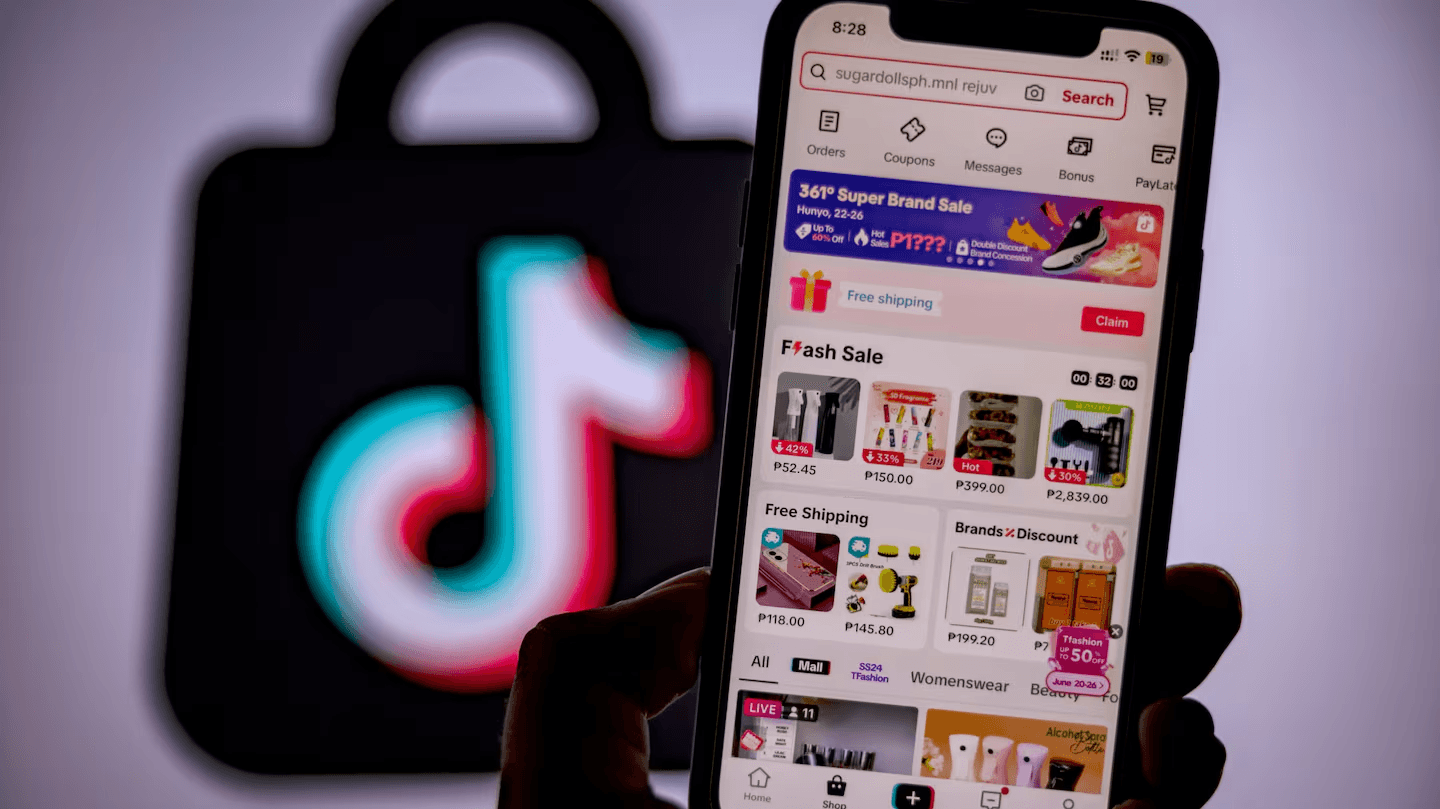
selling on tiktok - How Does Tiktok Shop Work

TikTok Shop packages native selling tools into the app, making it easy for creators, brands, and merchants to turn attention into purchases right inside videos, LIVE broadcasts, and storefront tabs.

This setup combines discovery formats with a robust commerce infrastructure and features that promote creator collaboration, enabling users to place orders where they already watch and interact.

Additionally, using a virality analysis tool like Virlo can help maximize engagement and inform decisions based on performance tracking.

1. What are the shoppable content formats?

Shoppable content formats: TikTok Shop transforms regular posts into purchase paths. This feature allows users to add product tags to in-feed videos, include buy links during live broadcasts, and display items in product stickers and cards. These formats keep customers engaged by providing a seamless experience, shortening the journey from discovery to purchase, and increasing impulse buys when excitement is high.

2. What is the Creator Marketplace?

The Creator Marketplace is where brands connect with creators who can create promotions that feel natural. It serves as a specialized collaboration system with short templates, discovery filters, and deal processes. This system makes it easier to reach out and handle legal discussions while ensuring that sponsored content appears authentic.

3. How does the Creative Exchange work?

Creative Exchange builds on that by connecting brands with production talent and creative boutiques. This way, merchants can buy high-quality, platform-optimized ads without creating an internal studio. It solves the common issue of branded videos that seem staged. Instead, it produces clips that keep the tiktok cadence and attention span.

4. What are storefronts and product presentations?

Storefronts and product presentations provide each seller with a dedicated product tab or mini-store. Sellers can control how their catalog looks, including product pages, images, and cross-sell bundles. This setup is not just a basic overlay; it is a simple commerce layer integrated with inventory. Product detail pages, reviews, and related items are included in the app to enable frictionless buying.

5. How are seller operations and fulfillment managed?

Seller operations and fulfillment include several vital parts. The back end provides inventory synchronization, order management, return handling, and integrations with third-party logistics. This system ensures that sellers don't have to use different processes for each channel.

Additionally, the seller dashboard includes promotional features like coupon codes, flash deals, and creator affiliate splits. These features help make campaigns consistent instead of random.

6. What happens when the usual approach breaks?

Most teams manage product feeds, creator agreements, and campaign assets in spreadsheets and via manual messages because it feels familiar.

This method works until volume grows, versions diverge, and errors multiply.

As a result, orders slip, and creators wait for approvals. Platforms like Virlo centralize feeds, automate tagging and approval routing, and reduce review cycles from days to hours. This approach keeps campaigns on schedule while preserving the audit trail.

7. What analytics and insights does TikTok Shop provide?

TikTok Shop provides analytics, attribution, and insights, including conversion metrics tied to content units, creator referrals, and live sessions. It also offers fundamental cohort analysis for repeat buyers. This feature lets users test creative formats against real sales outcomes rather than relying solely on popularity metrics. As a result, brands can refine their strategies to generate revenue.

8. How does the payment and checkout process work?

Payments, checkout flow, and consumer protections. Checkout occurs in the app or through partner channels. These options provide protections for buyers, facilitate dispute resolution, and make refunds easier. The goal is to create an experience that feels like a single click, with minimal friction, while tools for payment reconciliation and settlement help keep the merchant's cash flow predictable.

9. What education and seller support are offered?

TikTok offers structured learning paths to help improve merchant skills. This includes the multi-channel Follow Me program, which focuses on small and medium businesses, and the free TikTok Shop Academy. The Academy helps sellers learn about features, policy guidance, and best practices for making sales. These courses are practical, modular, and designed to shorten learning time significantly.

10. What are the trust and policy enforcement measures?

Trust, moderation, and policy enforcement. There are rules about what content can be posted, restrictions on products, and automated checks to limit counterfeit goods and unsafe listings. When flags are raised, we also conduct manual reviews. This combination helps reduce risks for buyers and ensures that platform standards can still be enforced as the platform grows.

11. How does ecosystem scale affect opportunities?

Ecosystem scale significantly affects opportunities by shaping competition and discovery mechanics. It also influences how products are priced and positioned. For example, a recent ResourceRa report states that TikTok Shop has over 1 million active sellers. The wide variety of SKUs affects attention economics; therefore, product differentiation requires a strategic approach rather than simply listing items. Additionally, ResourceRa reports that more than 100 million products are listed on TikTok Shop.

12. How do creators and sellers view the platform?

After working with merchants for two quarters, a clear pattern emerged: live selling often attracts attention during periods when people buy more.

Many sellers continue investing, even when things slow down, because the format is engaging and can grow quickly. This persistence is why live commerce is an essential tool for merchants seeking to drive growth in Western markets.

What is the curiosity loop about TikTok Shop?

The curiosity loop asks what happens when these features are combined to create a growth engine that keeps working. It also examines why many merchants still overlook the key strategy that drives regular sales.

Related Reading

  • How to Promote Products on Tiktok

  • Tiktok Shop vs Instagram Shop

  • How Does Tiktok Help Small Businesses

  • Tiktok Social Commerce

  • Is Tiktok Shop Worth It

How Does TikTok Shop Work

person on tiktok live - How Does Tiktok Shop Work

TikTok Shop drives sales by combining in-app checkout, creator-driven promotion, and merchant tools, enabling you to discover and buy in the same session. Below, I explain the key parts you need to run and grow on the platform, with precise details you can use. To enhance your strategy, consider using our virality analysis tool to better understand what drives engagement and sales on platforms like TikTok.

1. How do sellers get approved, and what account tiers exist?

Most teams start by making a seller account. This involves providing business registration, tax information, and identity verification. Then they select an account level based on their expected sales volume. Verified sellers can unlock higher daily order limits, receive faster payouts, and use advanced promotional tools.

On the other hand, unverified or new accounts have stricter listing limits until their performance gets better. An identity review might take a few days, and there are periodic checks for stores with high sales. Performance is measured using a scorecard that evaluates on-time shipping, cancellation rates, and dispute rates.

2. What fees, commissions, and payout timings should I plan for?

Sellers face a mix of transaction commissions, payment processing fees, and optional advertising spend. Settlement timing varies by region and account tier.

Commission rates apply to each sale and may change during special promotions or livestreams when platform-subsidized discounts are available. Payouts usually occur after a hold period that covers returns and fraud checks.

It is smart to budget for reserved cash flow during busy events. Additionally, establishing a reconciliation process can help ensure daily settlements match the accounting ledger.

3. How does paid promotion integrate with product listings?

Targeted ad campaigns can be run using your product catalog. This includes in-feed product cards and catalog retargeting. In this method, bids are optimized for conversion instead of impressions. Ads accept structured product feeds that require consistent SKU matching.

Performance is reported at both the ad creative and product level. This allows accurate attribution of spend to revenue. A key constraint is feed quality. Inconsistent titles, missing GTINs, and poor images can limit ad delivery and raise the cost per acquisition.

4. How do creator commissions and referral tracking work?

Creators earn either fixed flat fees, revenue shares, or affiliate commissions based on tracked links or coupon codes; attribution typically follows the last touch within a specified lookback period. The platform records creator IDs along with the order and shows referral conversions.

It's essential to compare creator payouts with order exports to identify any discrepancies. When creators use unique coupon codes, this approach keeps financial records clear and makes payouts easier. However, those codes require inventory rules to ensure discounts do not result in negative margins.

5. What are the constraints of cross‑border selling and localization?

Selling outside your home market involves currency conversion, local taxes, customs paperwork, and different shipping partners. As a result, businesses must match SKU prices to total costs rather than relying solely on list prices. In some areas, local return addresses or import licenses for restricted items may be needed. These local rules can affect whether a business sends orders directly or works with a local distributor.

It's also essential to prepare for extra lead time for international live events. Furthermore, clearly sharing details about duties and delivery expectations on product pages helps prevent chargebacks.

6. How do integrations, APIs, and inventory sync actually behave?

Connectors typically offer two-way inventory sync, order webhooks, and basic product field mapping. However, they can fail when SKUs change, when images are updated outside the primary source, or when feed schemas change after platform updates.

To avoid these problems, teams run feed validation nightly, check SKU-level sell-through rates weekly, and use version control for product metadata. This helps make sure that ad campaigns and creator tags never point to old or out-of-stock listings.

7. What are the common fraud, dispute, and buyer‑protection flows?

The platform uses automated fraud scoring and might hold funds while manually checking flagged orders. Buyers can open disputes for non-delivery or product mismatches within a specified timeframe. Sellers must provide proof of delivery, condition reports, and, in some cases, return-shipment photos to contest claims. If dispute rates rise, it can lead to stricter account holds, more frequent reviews, or even temporary suspensions.

It's essential to monitor dispute trends and address the main issues within the same billing period.

8. How should returns and reverse logistics be structured?

Return rules vary by product category and location. Some items may not be returnable, while others may incur restocking fees or require meeting specific inspection standards. A good practice is to establish a returns service level agreement (SLA), connect it to fulfillment partners that offer RMA tracking, and inspect returns in batches at main centers.

This method shortens inspection time and helps prevent
product salvage losses. Having a clear returns policy reduces buyer friction and decreases the workload for customer support. To further enhance your returns strategy, consider using a virality analysis tool to understand how customers share and discuss your products.

9. Which performance metrics move the needle for growth?

Track the live session conversion rate, average order value, repeat purchase rate, creator referral ROI, and post-purchase return incidence.

Judge campaigns by cost per retained customer instead of cost per click.

When measuring creator campaigns over two quarters, we found that spikes in conversions during live events led to higher repeat rates only if the post-purchase service matched the first experience.

This shows that investing in reliable fulfillment is more effective than simply increasing ad spend.

10. How do support and escalation workflows scale as orders climb?

Small teams often rely on ticketing systems and manual Slack sorting. This method works well until the number of requests exceeds predictable thresholds, at which point response SLAs begin to fail. As the order volume rises, it's essential to connect order events to the CRM.

This lets support representatives view the complete order timeline, use canned resolution templates for everyday situations, and set up automated refund rules for low-risk returns. If these changes are not made, resolution times may lengthen, eroding creator trust as complaints become apparent on livestreams and in comments.

11. What breaks when you keep doing things the old way, and what fixes it?

Most teams coordinate feeds, creator deals, and approval emails using spreadsheets because it seems low-cost and simple. However, this approach can cause problems when there are many campaigns, different SKU variations, and compliance checks. These issues can lead to confusion about versions, delayed approvals, and missed promotions.

Platforms like Virlo help by centralizing catalog feeds, automating creator approval routing, and creating audit trails. This reduces review cycles from days to hours while maintaining stakeholder context.

12. How big is the opportunity to reach shopping audiences right now?

This is not a niche channel; it is a massive discovery surface. ResourceRa reports that TikTok Shop has reached over 500 million users globally. This changes how you think about audience scale and event planning. Also, ResourceRa reports that TikTok Shop has over 1 million active sellers, which affects competitive positioning and the premium on standout creative. Those two facts together mean you must optimize for both discovery velocity and operational resilience.

What is the impact of treating TikTok Shop like a traditional SKU catalog?

A brief analogy illustrates the point: treating TikTok Shop like a traditional SKU catalog is like using a theater stage as a billboard. This approach misses the live, participatory energy that drives conversion.

This simple truth raises a tricky question about product selection and profit margins that most teams do not anticipate. It changes everything about what should be listed next.

What To Sell On Tiktok (10 Product Ideas)

woman reviewing - How Does Tiktok Shop Work

Sell items that people love to show off, use every day, or want to try right away: visually striking, affordable, and easy to buy.

The focus should be on products that look great in photos, can be demonstrated or shown in everyday life, and solve minor problems, making the path from double-tap to checkout feel smooth.

Instagram works well for sales. Research by Accio Business in 2025 shows that over 70% of Instagram users have purchased a product they found on the platform. This shows that discovery is already commerce-ready; your job is to pick items that encourage both impulse buys and repeat purchases.

1. What should I sell in fashion, apparel, and accessories?

What to list 

Trendy everyday pieces, casual athleisure, eyewear, bags, layered necklaces, rings, and statement or minimalist accessories.

Why it sells

Clothing and accessories are popular because they look great in photos and show who you are. Influencers and friends serve as free advertising for style. Notably, Fashion products account for 30% of all Instagram sales. Accio Business, 2025: Apparel is where attention most often turns into transactions.

How to win

Use lifestyle images that show how clothes fit, move, and their size. Provide size charts, short try-on Reels, and fair return policies. Highlight the fabric and care instructions to reduce size-related issues and returns.

2. What are good beauty and personal care products?

What to list

Daily skincare items, small makeup tools, serums, facial rollers, lip treatments, and grooming kits for men.  

Why it sells

Beauty products sell well because they are often demonstrated. A 30-second application video can be more effective than lengthy written claims and encourage quick purchases.  

How to win

Make sure to film clear before-and-after videos, highlight essential ingredients in captions, and share customer results with timestamps to build trust.

3. What should I sell in home decor and aesthetic lifestyle?

What to list

Scented candles, textured throws, prints and frames, small organizers, decorative planters, and ambient lamps. 

Why it sells

People arrange their feeds and rooms similarly; beautiful interiors get saved and copied.

How to win

Display items in lived-in settings, show their size relative to standard furniture, and present themed bundles so customers can create a mood with a single purchase. 

Additionally, using a virality analysis tool can help you track which items resonate most with your audience and adjust your offerings accordingly.

4. What fitness and wellness products work well?

What to list

Lightweight equipment, such as resistance bands, premium yoga mats, recovery tools, and supportive workout clothes, is a good option.  

Why it sells

The main reasons for their success include workout snippets, progress posts, and routine sharing, which create social proof that drives conversions.  

How to win

To succeed in this market, focus messaging on results instead of details. 
Short tutorials or 20-second product circuits usually convert better than product-only shots.

5. What are some good custom and handmade goods?

What to list

  • Personalized jewelry

  • Monogrammed apparel

  • Bespoke phone cases

  • Hand-stitched textiles

Why it sells

Personalization creates emotional value, making these items memorable gifts or preferred purchases for retailers.

How to win

Share the maker's story in captions and use process videos to explain the lead time and premium pricing.

How can I enhance custom orders management?

Most teams handle custom orders and approvals via email threads because this approach is low-friction and familiar. However, this method can become less effective when there are many custom options and order notes get lost. These problems often lead to misprints, customer dissatisfaction, and inventory waste.

Tools like Virlo bring all order variants together, automate proof approvals, and attach audit trails to each SKU. This process reduces review cycles from several days of back-and-forth conversations to same-day approvals while keeping the artisan story.

6. What eco-friendly products should I consider?

What to list

Reusable home goods, recycled-fabric accessories, zero-waste kits, and biodegradable personal items.

Why it sells

Ethical choices build loyalty when the sustainability claim is transparent and verifiable.

How to win

Show materials, certifications, and lifecycle benefits. Use unboxing to highlight compostable packaging and reduce buyer skepticism.

7. What niche trend items can I sell?

What to list

Phone accessories, novelty pet clothes, limited-run bottles, cute stationery, and compact gadgets. 

Why it sells

Novelty and cuteness are traits that people love to share, making these items great for viral short-form posts. 

How to win

Show examples of use that fit 10–30 second clips and add small-priced upsells to increase the average order value.

8. What digital products can I offer?

Digital products, such as photo presets, templates, short courses, planners, and downloadable guides, do not require shipping and can generate significant revenue. 

What to list

Think about photo presets, templates, short courses, planners, and downloadable guides. 

Why it sells

Instant delivery, no inventory, and high profits make digital products a smart way to generate revenue. 

How it wins

Use walkthrough Reels to demonstrate how the product solves a real problem.

Also, share customer testimonials that highlight quick results.

9. What hobbies and creative items should I consider?

What to list

Art supplies, journaling kits, beginner-friendly tool bundles, and specialty baking accessories.

Why it sells

Hobby communities share their progress and finished work, creating a cycle of discovery and inspiration.

How to win

Offer curated starter kits, show process videos, and encourage tags so buyers become promoters.

10. What local or cultural niche products are valuable?

Local or Cultural Niche Products. 

What to list 

Jewelry made in the area, traditional textiles, handcrafted art, and gifts that are unique to the culture. 

Why they sell

Authentic cultural items tell a story and feel more special than regular items. 

How to win

Focus on where the products come from, how they are made, and the craftsperson’s perspective to avoid seeming insensitive or exploitative.

Understanding cultural trends can be enhanced by a virality analysis tool, which helps businesses identify and leverage popular items effectively.

How can a presentation affect customer trust?

A typical pattern across brands: when listings appear as lazy screenshots or generic mockups, customers often question the product's quality. This doubt can lead to more returns because buyers can sense a lack of effort even from a thumbnail image. To address this issue, brands should invest in meaningful context, honest storytelling, and a single clear image that demonstrates the product's existence and importance.

What impact does a simple shift in strategy have?

Such a shift can significantly change buying behavior in ways that regular discounts cannot.

What is the hidden challenge in selling online?

The catch is that what most people assume is the last step actually hides an operational habit that kills momentum.

6 Tips to Sell on TikTok Shop

person with a friend - How Does Tiktok Shop Work

1. How can you use trend intelligence for content ideas?

Use Virlo’s trend intelligence for valuable content ideas. Virlo analyzes viral patterns using AI, helping eliminate guesswork in choosing effective sounds, cuts, and posting windows.

The platform combines creator behavior signals with timing and format analytics to identify content pairings that increase the likelihood of going viral. It also explains which audio, transition, and visual combinations are currently rewarded in your niche.

When creators seek rapid growth without the need to reinvent every script, Virlo provides reproducible templates and a clear set of experiments to conduct, moving beyond vague recommendations to simply 'post more.'

2. What makes a video watchable from start to finish?

Make every video watchable from start to finish. What matters most is if viewers finish your clip. Get a strong hook in the first three seconds and keep the message clear. Aim for about 15 seconds when possible to hold attention. 

The watch-through boost comes from smooth loops and a clear opening. Treat the first frame like a promise you must keep, and record several opening takes until one grabs attention right away. Think of your opening as a bright lure in dark water, not a slow fade-in that gives viewers a reason to swipe.

3. How to use trending audio and formats effectively?

Use trending audio and recognizable formats. Trends serve as the rails the algorithm uses to carry content farther, so choosing sounds that enhance your idea's reach is crucial. Start by scanning Discover and your favorites to build a library of adaptable audios.

Rework these formats so your product feels native to the trend rather than simply pasted over it. Track which trend adaptations consistently boost engagement, then standardize those patterns into quick briefs that creators can execute in one session.

4. How can you feature products in a non-intrusive way?

Feature products as moments, not showcases. People come for stories, not specs. Place your product in an action or use it to solve a problem viewers can imagine themselves solving. Whether it’s a quick transformation, a clever life hack, or a subtle reveal that grabs attention, showing the item in context is essential.

Show how the product fits into a routine, and match the music and pace with the overall feel. This technique helps the product blend smoothly into the content's flow rather than interrupting it. As a result, it reduces resistance and increases impulse purchases; viewers begin to see themselves using the item rather than feeling pressured to buy.

5. How can livestreams be used to boost sales?

Livestreaming is a great way to turn attention into sales quickly. It turns viewers into active participants through chat, giveaways, and limited-time special deals. This method also opens up TikTok's creator gifting economy, giving you more ways to earn money.

To maximize your impact, plan your live sessions with clear calls to action and special perks. Promote them in advance, and use the session to showcase products, answer questions, and drive immediate sales. Since livestreams reward quick action, treat them as special events rather than casual hangouts if your goal is to make money.

6. How can you optimize profile links and the purchase path?

Optimize profile links and the purchase path. Your profile should remove friction, not create more. Use a short, clickable path to product pages or your TikTok shop storefront.

Write clear CTAs that align with the current campaign, and ensure landing pages are mobile-first and aligned with your brand to avoid losing momentum at checkout. Consider how a virality analysis tool can help identify which links resonate most with your audience and inform your strategy.

Rotate links to highlight trending items and promotions, ensuring that new viewers always land on something current and compelling.

What challenges arise when scaling creative campaigns?

Most teams share creative ideas and obtain approvals via email and chat because these methods are easy to use and cost little initially. But as the number of campaigns and collaborators grows, conversations get scattered, feedback loops repeat, and review cycles can take days. This slows the pace of content posting.

Platforms like Virlo gather trend signals, creative briefs, and approval routing in one place. They reduce review times from days to hours while preserving version history and context.

How can AI help in trend visibility and conversion?

A typical pattern emerges among creators and small merchants: they seek AI assistance to analyze trends and enhance visibility. They also want higher watch-through rates and predictable formats that convert. 

By combining trend intelligence with straightforward execution, they can outperform random posting. When creators use this approach, adapting proven formats and measuring watch-through rates, they often see higher engagement and clearer signals for what to scale.

What do TikTok users often do after discovering products?

Keep in mind that Admetrics' 2025 report finds that over 70% of TikTok users have purchased a product they discovered on the platform. This means discovery often leads directly to transactions, and scale changes how brands prioritize creative versus operational work.

Additionally, Admetrics reports TikTok Shop has seen a 150% increase in sellers in the past year, 2025. Now, standing out requires tighter creative playbooks and faster iteration.

What is the challenge of maintaining creative momentum?

Creative momentum often stalls when approvals slow or trends fade. This is a tough spot for many teams as they grow. The answer is to use tools that mix trend signals with execution workflows.

By doing this, teams can publish content that remains relevant and impactful.

What is the one insight about virality that people often ignore?

That solution works until one considers a single insight about virality that most people overlook.

Related Reading

  • Tiktok Shop vs Amazon

  • Tiktok Shop Pros and Cons

  • Tiktok Shop Return Policy

  • Can I Sell Digital Products on Tiktok Shop

  • How Much Does It Cost to Sell on Tiktok

  • Why is My Tiktok Shop Not Showing

Go Viral with Virlo's Virality Analysis Tool

Most creators still rely on gut instinct and sporadic posting to determine what works on TikTok Shop. While this might seem acceptable at first, it often allows profitable trends to fade and drains creative energy.

Virlo changes raw trend signals into ranked experiments, clear briefs, and publishing triggers, allowing teams to move fast on the in-app moments that really convert. Use our virality analysis tool for practical insights.

Related Reading

  • What Percentage Does Tiktok Shop Take

  • Tiktok Shop Seller Fees

  • What Can You Sell on Tiktok Shop

  • How to Add Products to Tiktok Shop

  • Tiktok Marketing Tools

  • Tiktok Shop Requirements

#virlo

Track Custom Data in Minutes

  • Create your own custom data tracking based on your keywords
  • Automate the process of collecting valuable business insights
  • Leverage personal data to drive outcomes
Get Data
Back to Blog
Best PracticesJan 14, 2026

How Does Tiktok Shop Work

How Does Tiktok Shop Work? Discover essential seller tips, operational insights, and native tactics to boost sales. Virlo delivers clear, actionable guidance.

Virlo Team

Virlo Team

Updated: Feb 27, 2026

tiktok with locator - How Does Tiktok Shop Work

Shoppable videos and promotions may boost visibility, yet converting views into orders remains challenging. How does Tiktok Shop Marketing work when some products convert smoothly in livestreams or posts, while others stall? Conversion depends on accurate product tagging, creator commerce strategies, intuitive shopping tabs, and smooth checkout flows.

Market trends and performance metrics guide smarter decisions in online sales. Virlo's virality analysis tool provides insights by highlighting trending sounds, top-performing creatives, and competitor moves to optimize content and product promotion.

Summary

  • TikTok Shop converts discovery into checkout at scale, with over 500 million users globally, often translating directly into purchase opportunities.

  • Standing out is harder than listing products; the marketplace hosts over 1 million active sellers and over 100 million listed items, so differentiation must be creative and operational.

  • Live selling concentrates attention on purchase spikes, and the platform saw a 150% increase in sellers in the past year, signaling that merchants are betting on live and creator-driven commerce.

  • Creative format and watch-through matter. Aim for a hook in the first three seconds and many clips near 15 seconds, as those timings materially increase the chances the content will travel and convert.

  • Feed and catalog hygiene directly affect paid delivery and ad costs, so teams validate feeds nightly and reconcile SKU sell-through rates weekly to prevent campaign throttling.

  • Manual approval flows break momentum, while compressing review cycles from days to hours preserves trend windows and keeps time-sensitive promotions executable.

  • This is where Virlo's virality analysis tool fits in: it addresses timing and creative selection by surfacing trending sounds, top-performing creatives, and competitor moves, so teams can time livestreams and format experiments while trends are still active.

Table of Contents

  • Key Features of TikTok Shop

  • How Does TikTok Shop Work

  • What To Sell On Tiktok (10 Product Ideas)

  • 6 Tips to Sell on TikTok Shop

  • Go Viral with Virlo's Virality Analysis Tool

Key Features of TikTok Shop

selling on tiktok - How Does Tiktok Shop Work

TikTok Shop packages native selling tools into the app, making it easy for creators, brands, and merchants to turn attention into purchases right inside videos, LIVE broadcasts, and storefront tabs.

This setup combines discovery formats with a robust commerce infrastructure and features that promote creator collaboration, enabling users to place orders where they already watch and interact.

Additionally, using a virality analysis tool like Virlo can help maximize engagement and inform decisions based on performance tracking.

1. What are the shoppable content formats?

Shoppable content formats: TikTok Shop transforms regular posts into purchase paths. This feature allows users to add product tags to in-feed videos, include buy links during live broadcasts, and display items in product stickers and cards. These formats keep customers engaged by providing a seamless experience, shortening the journey from discovery to purchase, and increasing impulse buys when excitement is high.

2. What is the Creator Marketplace?

The Creator Marketplace is where brands connect with creators who can create promotions that feel natural. It serves as a specialized collaboration system with short templates, discovery filters, and deal processes. This system makes it easier to reach out and handle legal discussions while ensuring that sponsored content appears authentic.

3. How does the Creative Exchange work?

Creative Exchange builds on that by connecting brands with production talent and creative boutiques. This way, merchants can buy high-quality, platform-optimized ads without creating an internal studio. It solves the common issue of branded videos that seem staged. Instead, it produces clips that keep the tiktok cadence and attention span.

4. What are storefronts and product presentations?

Storefronts and product presentations provide each seller with a dedicated product tab or mini-store. Sellers can control how their catalog looks, including product pages, images, and cross-sell bundles. This setup is not just a basic overlay; it is a simple commerce layer integrated with inventory. Product detail pages, reviews, and related items are included in the app to enable frictionless buying.

5. How are seller operations and fulfillment managed?

Seller operations and fulfillment include several vital parts. The back end provides inventory synchronization, order management, return handling, and integrations with third-party logistics. This system ensures that sellers don't have to use different processes for each channel.

Additionally, the seller dashboard includes promotional features like coupon codes, flash deals, and creator affiliate splits. These features help make campaigns consistent instead of random.

6. What happens when the usual approach breaks?

Most teams manage product feeds, creator agreements, and campaign assets in spreadsheets and via manual messages because it feels familiar.

This method works until volume grows, versions diverge, and errors multiply.

As a result, orders slip, and creators wait for approvals. Platforms like Virlo centralize feeds, automate tagging and approval routing, and reduce review cycles from days to hours. This approach keeps campaigns on schedule while preserving the audit trail.

7. What analytics and insights does TikTok Shop provide?

TikTok Shop provides analytics, attribution, and insights, including conversion metrics tied to content units, creator referrals, and live sessions. It also offers fundamental cohort analysis for repeat buyers. This feature lets users test creative formats against real sales outcomes rather than relying solely on popularity metrics. As a result, brands can refine their strategies to generate revenue.

8. How does the payment and checkout process work?

Payments, checkout flow, and consumer protections. Checkout occurs in the app or through partner channels. These options provide protections for buyers, facilitate dispute resolution, and make refunds easier. The goal is to create an experience that feels like a single click, with minimal friction, while tools for payment reconciliation and settlement help keep the merchant's cash flow predictable.

9. What education and seller support are offered?

TikTok offers structured learning paths to help improve merchant skills. This includes the multi-channel Follow Me program, which focuses on small and medium businesses, and the free TikTok Shop Academy. The Academy helps sellers learn about features, policy guidance, and best practices for making sales. These courses are practical, modular, and designed to shorten learning time significantly.

10. What are the trust and policy enforcement measures?

Trust, moderation, and policy enforcement. There are rules about what content can be posted, restrictions on products, and automated checks to limit counterfeit goods and unsafe listings. When flags are raised, we also conduct manual reviews. This combination helps reduce risks for buyers and ensures that platform standards can still be enforced as the platform grows.

11. How does ecosystem scale affect opportunities?

Ecosystem scale significantly affects opportunities by shaping competition and discovery mechanics. It also influences how products are priced and positioned. For example, a recent ResourceRa report states that TikTok Shop has over 1 million active sellers. The wide variety of SKUs affects attention economics; therefore, product differentiation requires a strategic approach rather than simply listing items. Additionally, ResourceRa reports that more than 100 million products are listed on TikTok Shop.

12. How do creators and sellers view the platform?

After working with merchants for two quarters, a clear pattern emerged: live selling often attracts attention during periods when people buy more.

Many sellers continue investing, even when things slow down, because the format is engaging and can grow quickly. This persistence is why live commerce is an essential tool for merchants seeking to drive growth in Western markets.

What is the curiosity loop about TikTok Shop?

The curiosity loop asks what happens when these features are combined to create a growth engine that keeps working. It also examines why many merchants still overlook the key strategy that drives regular sales.

Related Reading

  • How to Promote Products on Tiktok

  • Tiktok Shop vs Instagram Shop

  • How Does Tiktok Help Small Businesses

  • Tiktok Social Commerce

  • Is Tiktok Shop Worth It

How Does TikTok Shop Work

person on tiktok live - How Does Tiktok Shop Work

TikTok Shop drives sales by combining in-app checkout, creator-driven promotion, and merchant tools, enabling you to discover and buy in the same session. Below, I explain the key parts you need to run and grow on the platform, with precise details you can use. To enhance your strategy, consider using our virality analysis tool to better understand what drives engagement and sales on platforms like TikTok.

1. How do sellers get approved, and what account tiers exist?

Most teams start by making a seller account. This involves providing business registration, tax information, and identity verification. Then they select an account level based on their expected sales volume. Verified sellers can unlock higher daily order limits, receive faster payouts, and use advanced promotional tools.

On the other hand, unverified or new accounts have stricter listing limits until their performance gets better. An identity review might take a few days, and there are periodic checks for stores with high sales. Performance is measured using a scorecard that evaluates on-time shipping, cancellation rates, and dispute rates.

2. What fees, commissions, and payout timings should I plan for?

Sellers face a mix of transaction commissions, payment processing fees, and optional advertising spend. Settlement timing varies by region and account tier.

Commission rates apply to each sale and may change during special promotions or livestreams when platform-subsidized discounts are available. Payouts usually occur after a hold period that covers returns and fraud checks.

It is smart to budget for reserved cash flow during busy events. Additionally, establishing a reconciliation process can help ensure daily settlements match the accounting ledger.

3. How does paid promotion integrate with product listings?

Targeted ad campaigns can be run using your product catalog. This includes in-feed product cards and catalog retargeting. In this method, bids are optimized for conversion instead of impressions. Ads accept structured product feeds that require consistent SKU matching.

Performance is reported at both the ad creative and product level. This allows accurate attribution of spend to revenue. A key constraint is feed quality. Inconsistent titles, missing GTINs, and poor images can limit ad delivery and raise the cost per acquisition.

4. How do creator commissions and referral tracking work?

Creators earn either fixed flat fees, revenue shares, or affiliate commissions based on tracked links or coupon codes; attribution typically follows the last touch within a specified lookback period. The platform records creator IDs along with the order and shows referral conversions.

It's essential to compare creator payouts with order exports to identify any discrepancies. When creators use unique coupon codes, this approach keeps financial records clear and makes payouts easier. However, those codes require inventory rules to ensure discounts do not result in negative margins.

5. What are the constraints of cross‑border selling and localization?

Selling outside your home market involves currency conversion, local taxes, customs paperwork, and different shipping partners. As a result, businesses must match SKU prices to total costs rather than relying solely on list prices. In some areas, local return addresses or import licenses for restricted items may be needed. These local rules can affect whether a business sends orders directly or works with a local distributor.

It's also essential to prepare for extra lead time for international live events. Furthermore, clearly sharing details about duties and delivery expectations on product pages helps prevent chargebacks.

6. How do integrations, APIs, and inventory sync actually behave?

Connectors typically offer two-way inventory sync, order webhooks, and basic product field mapping. However, they can fail when SKUs change, when images are updated outside the primary source, or when feed schemas change after platform updates.

To avoid these problems, teams run feed validation nightly, check SKU-level sell-through rates weekly, and use version control for product metadata. This helps make sure that ad campaigns and creator tags never point to old or out-of-stock listings.

7. What are the common fraud, dispute, and buyer‑protection flows?

The platform uses automated fraud scoring and might hold funds while manually checking flagged orders. Buyers can open disputes for non-delivery or product mismatches within a specified timeframe. Sellers must provide proof of delivery, condition reports, and, in some cases, return-shipment photos to contest claims. If dispute rates rise, it can lead to stricter account holds, more frequent reviews, or even temporary suspensions.

It's essential to monitor dispute trends and address the main issues within the same billing period.

8. How should returns and reverse logistics be structured?

Return rules vary by product category and location. Some items may not be returnable, while others may incur restocking fees or require meeting specific inspection standards. A good practice is to establish a returns service level agreement (SLA), connect it to fulfillment partners that offer RMA tracking, and inspect returns in batches at main centers.

This method shortens inspection time and helps prevent
product salvage losses. Having a clear returns policy reduces buyer friction and decreases the workload for customer support. To further enhance your returns strategy, consider using a virality analysis tool to understand how customers share and discuss your products.

9. Which performance metrics move the needle for growth?

Track the live session conversion rate, average order value, repeat purchase rate, creator referral ROI, and post-purchase return incidence.

Judge campaigns by cost per retained customer instead of cost per click.

When measuring creator campaigns over two quarters, we found that spikes in conversions during live events led to higher repeat rates only if the post-purchase service matched the first experience.

This shows that investing in reliable fulfillment is more effective than simply increasing ad spend.

10. How do support and escalation workflows scale as orders climb?

Small teams often rely on ticketing systems and manual Slack sorting. This method works well until the number of requests exceeds predictable thresholds, at which point response SLAs begin to fail. As the order volume rises, it's essential to connect order events to the CRM.

This lets support representatives view the complete order timeline, use canned resolution templates for everyday situations, and set up automated refund rules for low-risk returns. If these changes are not made, resolution times may lengthen, eroding creator trust as complaints become apparent on livestreams and in comments.

11. What breaks when you keep doing things the old way, and what fixes it?

Most teams coordinate feeds, creator deals, and approval emails using spreadsheets because it seems low-cost and simple. However, this approach can cause problems when there are many campaigns, different SKU variations, and compliance checks. These issues can lead to confusion about versions, delayed approvals, and missed promotions.

Platforms like Virlo help by centralizing catalog feeds, automating creator approval routing, and creating audit trails. This reduces review cycles from days to hours while maintaining stakeholder context.

12. How big is the opportunity to reach shopping audiences right now?

This is not a niche channel; it is a massive discovery surface. ResourceRa reports that TikTok Shop has reached over 500 million users globally. This changes how you think about audience scale and event planning. Also, ResourceRa reports that TikTok Shop has over 1 million active sellers, which affects competitive positioning and the premium on standout creative. Those two facts together mean you must optimize for both discovery velocity and operational resilience.

What is the impact of treating TikTok Shop like a traditional SKU catalog?

A brief analogy illustrates the point: treating TikTok Shop like a traditional SKU catalog is like using a theater stage as a billboard. This approach misses the live, participatory energy that drives conversion.

This simple truth raises a tricky question about product selection and profit margins that most teams do not anticipate. It changes everything about what should be listed next.

What To Sell On Tiktok (10 Product Ideas)

woman reviewing - How Does Tiktok Shop Work

Sell items that people love to show off, use every day, or want to try right away: visually striking, affordable, and easy to buy.

The focus should be on products that look great in photos, can be demonstrated or shown in everyday life, and solve minor problems, making the path from double-tap to checkout feel smooth.

Instagram works well for sales. Research by Accio Business in 2025 shows that over 70% of Instagram users have purchased a product they found on the platform. This shows that discovery is already commerce-ready; your job is to pick items that encourage both impulse buys and repeat purchases.

1. What should I sell in fashion, apparel, and accessories?

What to list 

Trendy everyday pieces, casual athleisure, eyewear, bags, layered necklaces, rings, and statement or minimalist accessories.

Why it sells

Clothing and accessories are popular because they look great in photos and show who you are. Influencers and friends serve as free advertising for style. Notably, Fashion products account for 30% of all Instagram sales. Accio Business, 2025: Apparel is where attention most often turns into transactions.

How to win

Use lifestyle images that show how clothes fit, move, and their size. Provide size charts, short try-on Reels, and fair return policies. Highlight the fabric and care instructions to reduce size-related issues and returns.

2. What are good beauty and personal care products?

What to list

Daily skincare items, small makeup tools, serums, facial rollers, lip treatments, and grooming kits for men.  

Why it sells

Beauty products sell well because they are often demonstrated. A 30-second application video can be more effective than lengthy written claims and encourage quick purchases.  

How to win

Make sure to film clear before-and-after videos, highlight essential ingredients in captions, and share customer results with timestamps to build trust.

3. What should I sell in home decor and aesthetic lifestyle?

What to list

Scented candles, textured throws, prints and frames, small organizers, decorative planters, and ambient lamps. 

Why it sells

People arrange their feeds and rooms similarly; beautiful interiors get saved and copied.

How to win

Display items in lived-in settings, show their size relative to standard furniture, and present themed bundles so customers can create a mood with a single purchase. 

Additionally, using a virality analysis tool can help you track which items resonate most with your audience and adjust your offerings accordingly.

4. What fitness and wellness products work well?

What to list

Lightweight equipment, such as resistance bands, premium yoga mats, recovery tools, and supportive workout clothes, is a good option.  

Why it sells

The main reasons for their success include workout snippets, progress posts, and routine sharing, which create social proof that drives conversions.  

How to win

To succeed in this market, focus messaging on results instead of details. 
Short tutorials or 20-second product circuits usually convert better than product-only shots.

5. What are some good custom and handmade goods?

What to list

  • Personalized jewelry

  • Monogrammed apparel

  • Bespoke phone cases

  • Hand-stitched textiles

Why it sells

Personalization creates emotional value, making these items memorable gifts or preferred purchases for retailers.

How to win

Share the maker's story in captions and use process videos to explain the lead time and premium pricing.

How can I enhance custom orders management?

Most teams handle custom orders and approvals via email threads because this approach is low-friction and familiar. However, this method can become less effective when there are many custom options and order notes get lost. These problems often lead to misprints, customer dissatisfaction, and inventory waste.

Tools like Virlo bring all order variants together, automate proof approvals, and attach audit trails to each SKU. This process reduces review cycles from several days of back-and-forth conversations to same-day approvals while keeping the artisan story.

6. What eco-friendly products should I consider?

What to list

Reusable home goods, recycled-fabric accessories, zero-waste kits, and biodegradable personal items.

Why it sells

Ethical choices build loyalty when the sustainability claim is transparent and verifiable.

How to win

Show materials, certifications, and lifecycle benefits. Use unboxing to highlight compostable packaging and reduce buyer skepticism.

7. What niche trend items can I sell?

What to list

Phone accessories, novelty pet clothes, limited-run bottles, cute stationery, and compact gadgets. 

Why it sells

Novelty and cuteness are traits that people love to share, making these items great for viral short-form posts. 

How to win

Show examples of use that fit 10–30 second clips and add small-priced upsells to increase the average order value.

8. What digital products can I offer?

Digital products, such as photo presets, templates, short courses, planners, and downloadable guides, do not require shipping and can generate significant revenue. 

What to list

Think about photo presets, templates, short courses, planners, and downloadable guides. 

Why it sells

Instant delivery, no inventory, and high profits make digital products a smart way to generate revenue. 

How it wins

Use walkthrough Reels to demonstrate how the product solves a real problem.

Also, share customer testimonials that highlight quick results.

9. What hobbies and creative items should I consider?

What to list

Art supplies, journaling kits, beginner-friendly tool bundles, and specialty baking accessories.

Why it sells

Hobby communities share their progress and finished work, creating a cycle of discovery and inspiration.

How to win

Offer curated starter kits, show process videos, and encourage tags so buyers become promoters.

10. What local or cultural niche products are valuable?

Local or Cultural Niche Products. 

What to list 

Jewelry made in the area, traditional textiles, handcrafted art, and gifts that are unique to the culture. 

Why they sell

Authentic cultural items tell a story and feel more special than regular items. 

How to win

Focus on where the products come from, how they are made, and the craftsperson’s perspective to avoid seeming insensitive or exploitative.

Understanding cultural trends can be enhanced by a virality analysis tool, which helps businesses identify and leverage popular items effectively.

How can a presentation affect customer trust?

A typical pattern across brands: when listings appear as lazy screenshots or generic mockups, customers often question the product's quality. This doubt can lead to more returns because buyers can sense a lack of effort even from a thumbnail image. To address this issue, brands should invest in meaningful context, honest storytelling, and a single clear image that demonstrates the product's existence and importance.

What impact does a simple shift in strategy have?

Such a shift can significantly change buying behavior in ways that regular discounts cannot.

What is the hidden challenge in selling online?

The catch is that what most people assume is the last step actually hides an operational habit that kills momentum.

6 Tips to Sell on TikTok Shop

person with a friend - How Does Tiktok Shop Work

1. How can you use trend intelligence for content ideas?

Use Virlo’s trend intelligence for valuable content ideas. Virlo analyzes viral patterns using AI, helping eliminate guesswork in choosing effective sounds, cuts, and posting windows.

The platform combines creator behavior signals with timing and format analytics to identify content pairings that increase the likelihood of going viral. It also explains which audio, transition, and visual combinations are currently rewarded in your niche.

When creators seek rapid growth without the need to reinvent every script, Virlo provides reproducible templates and a clear set of experiments to conduct, moving beyond vague recommendations to simply 'post more.'

2. What makes a video watchable from start to finish?

Make every video watchable from start to finish. What matters most is if viewers finish your clip. Get a strong hook in the first three seconds and keep the message clear. Aim for about 15 seconds when possible to hold attention. 

The watch-through boost comes from smooth loops and a clear opening. Treat the first frame like a promise you must keep, and record several opening takes until one grabs attention right away. Think of your opening as a bright lure in dark water, not a slow fade-in that gives viewers a reason to swipe.

3. How to use trending audio and formats effectively?

Use trending audio and recognizable formats. Trends serve as the rails the algorithm uses to carry content farther, so choosing sounds that enhance your idea's reach is crucial. Start by scanning Discover and your favorites to build a library of adaptable audios.

Rework these formats so your product feels native to the trend rather than simply pasted over it. Track which trend adaptations consistently boost engagement, then standardize those patterns into quick briefs that creators can execute in one session.

4. How can you feature products in a non-intrusive way?

Feature products as moments, not showcases. People come for stories, not specs. Place your product in an action or use it to solve a problem viewers can imagine themselves solving. Whether it’s a quick transformation, a clever life hack, or a subtle reveal that grabs attention, showing the item in context is essential.

Show how the product fits into a routine, and match the music and pace with the overall feel. This technique helps the product blend smoothly into the content's flow rather than interrupting it. As a result, it reduces resistance and increases impulse purchases; viewers begin to see themselves using the item rather than feeling pressured to buy.

5. How can livestreams be used to boost sales?

Livestreaming is a great way to turn attention into sales quickly. It turns viewers into active participants through chat, giveaways, and limited-time special deals. This method also opens up TikTok's creator gifting economy, giving you more ways to earn money.

To maximize your impact, plan your live sessions with clear calls to action and special perks. Promote them in advance, and use the session to showcase products, answer questions, and drive immediate sales. Since livestreams reward quick action, treat them as special events rather than casual hangouts if your goal is to make money.

6. How can you optimize profile links and the purchase path?

Optimize profile links and the purchase path. Your profile should remove friction, not create more. Use a short, clickable path to product pages or your TikTok shop storefront.

Write clear CTAs that align with the current campaign, and ensure landing pages are mobile-first and aligned with your brand to avoid losing momentum at checkout. Consider how a virality analysis tool can help identify which links resonate most with your audience and inform your strategy.

Rotate links to highlight trending items and promotions, ensuring that new viewers always land on something current and compelling.

What challenges arise when scaling creative campaigns?

Most teams share creative ideas and obtain approvals via email and chat because these methods are easy to use and cost little initially. But as the number of campaigns and collaborators grows, conversations get scattered, feedback loops repeat, and review cycles can take days. This slows the pace of content posting.

Platforms like Virlo gather trend signals, creative briefs, and approval routing in one place. They reduce review times from days to hours while preserving version history and context.

How can AI help in trend visibility and conversion?

A typical pattern emerges among creators and small merchants: they seek AI assistance to analyze trends and enhance visibility. They also want higher watch-through rates and predictable formats that convert. 

By combining trend intelligence with straightforward execution, they can outperform random posting. When creators use this approach, adapting proven formats and measuring watch-through rates, they often see higher engagement and clearer signals for what to scale.

What do TikTok users often do after discovering products?

Keep in mind that Admetrics' 2025 report finds that over 70% of TikTok users have purchased a product they discovered on the platform. This means discovery often leads directly to transactions, and scale changes how brands prioritize creative versus operational work.

Additionally, Admetrics reports TikTok Shop has seen a 150% increase in sellers in the past year, 2025. Now, standing out requires tighter creative playbooks and faster iteration.

What is the challenge of maintaining creative momentum?

Creative momentum often stalls when approvals slow or trends fade. This is a tough spot for many teams as they grow. The answer is to use tools that mix trend signals with execution workflows.

By doing this, teams can publish content that remains relevant and impactful.

What is the one insight about virality that people often ignore?

That solution works until one considers a single insight about virality that most people overlook.

Related Reading

  • Tiktok Shop vs Amazon

  • Tiktok Shop Pros and Cons

  • Tiktok Shop Return Policy

  • Can I Sell Digital Products on Tiktok Shop

  • How Much Does It Cost to Sell on Tiktok

  • Why is My Tiktok Shop Not Showing

Go Viral with Virlo's Virality Analysis Tool

Most creators still rely on gut instinct and sporadic posting to determine what works on TikTok Shop. While this might seem acceptable at first, it often allows profitable trends to fade and drains creative energy.

Virlo changes raw trend signals into ranked experiments, clear briefs, and publishing triggers, allowing teams to move fast on the in-app moments that really convert. Use our virality analysis tool for practical insights.

Related Reading

  • What Percentage Does Tiktok Shop Take

  • Tiktok Shop Seller Fees

  • What Can You Sell on Tiktok Shop

  • How to Add Products to Tiktok Shop

  • Tiktok Marketing Tools

  • Tiktok Shop Requirements

#virlo

Track Custom Data in Minutes

  • Create your own custom data tracking based on your keywords
  • Automate the process of collecting valuable business insights
  • Leverage personal data to drive outcomes
Get Data

Related Articles

35 Best Faceless Tiktok Niches to Go Viral

35 Best Faceless Tiktok Niches to Go Viral

Discover 20+ of the best faceless TikTok niches to grow your account and make money—no on-camera presence needed!

How Long Does It Take for a TikTok to Go Viral + 15+ Tips to Go Viral

How Long Does It Take for a TikTok to Go Viral + 15+ Tips to Go Viral

Wondering how long it takes for a TikTok to go viral? Discover key timing insights and 15+ proven tips to boost your chances fast.

Does TikTok Have Robust Analytics + How To Leverage It

Does TikTok Have Robust Analytics + How To Leverage It

Does TikTok have robust analytics? Learn what data is available and how to use it to track performance and grow your audience.

CTA Background

Stop Guessing. Start Knowing.

Join thousands of digital entrepreneurs using data to take the guesswork out of capitalizing on trends.

Get Started

Footer

Virlo

Your trend spotting companion

Download on the App StoreFeatured on There's An AI For That
Support powered byAssistBot
SimilarLabs Embed Badge

Virlo

  • Home
  • Pricing
  • Developers
  • Affiliate
  • Manifesto
  • Blog
  • Grant Program
  • Contact

Solutions

  • Research
  • UGC Creators
  • E-commerce
  • TikTok Shop
  • Clipping
  • Social Media Managers

Key Features

  • Account Connect
  • TikTok Profile Analyzer
  • Niche Analyzer
  • Outliers
  • Smart Collections
  • YouTube Creator Research
  • Content Studio

Legal

  • Refund Policy
  • Terms of Service
  • Privacy Policy
  • Cookie Policy
  • Affiliate TOS

Resources

  • FAQ
  • Top 99 TikTok Videos
  • API
  • Sitemap
  • RSS Feed

Free Tools

  • UGC Business Plan Generator
  • Video Idea Generator
  • Hook Generator
  • Hashtag Generator
  • TikTok Username Checker
  • Caption Generator
  • Engagement Calculator
  • Earnings Estimator

Free AI Agents

  • Social Media OpenClaw Skill

Copyright © 2026 Red Lab, LLC. All Rights Reserved

YouTubeLinkedInXInstagramTikTokGitHub