How Much Does It Cost to Sell on Tiktok (Detailed Guide)
How Much Does It Cost to Sell on Tiktok? Our detailed guide provides insights into fees, processing, and ad spend to boost margins. Optimize costs with Virlo.

Virlo Team
Virlo Marketing Team

Listing a product on TikTok Shop can incur costs such as seller fees, platform commissions, transaction fees, advertising costs, shipping, and creator fees. Sellers may naturally ask, 'how much does it cost to sell with Tiktok Shop Marketing?' as they balance these costs with maintaining a healthy profit margin.
A clear understanding of these expenses supports more innovative budgeting and refined promotional strategies that drive profitability. Accurate expense tracking and trend analysis help businesses optimize ad spend and improve returns, while Virlo’s virality analysis tool offers insights to test strategies and measure ROI.
Table of Contents
Summary
TikTok Shop turns attention into transactions: 70% of users report discovering new products on the platform, and over 40% have made a purchase directly through TikTok, which explains why discovery and conversion often happen in the same scroll.
Fees are a built-in margin pressure point, because common payment processing examples like 2.9% plus $0.30 per transaction or a fixed $0.30 per order can turn a low-AOV SKU from profitable to loss-making.
Paid promotion and creator incentives can generate algorithmic momentum. Still, they must be treated as measured experiments since TikTok Shop live commerce sales have grown about 150% year-over-year, making velocity a driver of scale.
Fast, constrained creative tests reveal what actually moves buyers: shoot three 15-second variants per hook, keep most clips in the 12 to 18 second range, and run small boosts for 7 to 10 days to identify repeatable winners.
Operational friction is the hidden limiter of growth, as manual spreadsheets and scattered briefs create attribution gaps and payout holds that force teams to maintain several weeks of operating expense reserves. At the same time, corrective pricing decisions shift from hours to days.
Virlo's virality analysis tool addresses this by linking creative signals to order-level revenue, surfacing trending hooks, and reducing the time from discovery to corrective repricing from days to hours.
Can You Sell Products on TikTok?
Yes, TikTok Shop allows users to sell products directly within the app. Sellers can use videos, live broadcasts, and a dedicated product tab on their profiles. This makes it easy for customers to buy things without leaving TikTok. Plus, sellers keep control over their listings, payments, and fulfillment. They can also integrate their stores with other systems, such as Shopify. To enhance your sales strategy, consider leveraging our virality analysis tool to identify which products are most likely to perform best on the platform.
1. What are TikTok Shop storefront features?
TikTok Shop storefront, listings, and formats: TikTok Shop operates as an in-app store that surfaces products through short videos, live streams, and a dedicated Showcase tab on user profiles. Users can create product pages and link SKUs to creative assets. The platform adds shopping clips and cards directly into the content, making it easy to find and purchase items.
2. How do payments and shipping work?
Payments, shipping, and order management are easier to handle with the merchant dashboard. Sellers can set their payment and shipping preferences, track orders, and manage returns all in one spot. This centralized dashboard makes it simple to oversee transactions and fulfillment status. It eliminates the need to manage multiple systems for payment reconciliation and order updates.
3. Can you integrate with other platforms?
Platform integrations are critical to growing operations. You can connect your TikTok Shop to other e-commerce platforms, such as Shopify, to sync catalogs, inventory, and orders. This syncing eliminates duplicate product records, reducing the number of manual updates required. As a result, many smaller sellers treat TikTok as a channel rather than a separate backend to manage.
4. How to sell digital products?
Selling digital products and alternatives: For non-physical goods, third-party solutions such as Stand Store help creators offer downloads, memberships, or digital experiences linked to TikTok content. This method is practical when shipping would unnecessarily complicate matters. Additionally, leveraging a virality analysis tool can help optimize your product promotion.
5. What are creator partnerships?
The Creator Marketplace matches brands with creators who make platform-native promotional content. This makes it easier to plan and measure collaborations. The Creative Exchange adds to this by connecting brands with professional creative teams. These teams can quickly and efficiently create high-performing TikTok videos.
6. What educational resources are provided?
TikTok offers structured learning using different educational tools and training for merchants. One program is the Follow Me initiative, which focuses on small and medium-sized businesses. Also, the TikTok Shop Academy offers a free curriculum covering topics such as listing best practices, policy compliance, and strategies to boost conversion rates.
7. Why are merchants choosing TikTok Shop now?
This trend is evident among sellers launching trending SKUs and experimenting with dropshipping. Merchants are choosing TikTok Shop because it lowers costs and helps people find products where they already look. Many use Shopify sync to make things easier and less technical. According to a report from eMarketer, over 40% of TikTok users have made a purchase directly on the platform. This opportunity to convert customers is essential, which is why businesses continue to test this approach.
8. How do creators and brands use TikTok Shop?
Brands use a mix of organic clips, paid ads, and live events to drive both discovery and impulse buys. Creators embed product links within native-feeling content to ensure a seamless experience. Since 70% of users report discovering new products on TikTok, discovery and commerce often occur on the same scroll, according to The Social Shepherd.
What are the challenges of running campaigns?
Most teams manage influencer coordination and campaign assets using ad hoc messaging and spreadsheets. This approach is familiar and doesn't need new tools. However, as campaigns grow, assets become scattered, tracking becomes more complex, and attribution becomes a full-time job. Platforms like Virlo help by centralizing creator briefs, automating asset approvals, and linking performance back to orders. This integration reduces coordination time while keeping valuable audit trails.
How to optimize your store setup?
Think of TikTok Shop as a dynamic storefront that follows attention, rather than a fixed sign on a street. This view changes how offers are created and results are reviewed.
What might be challenging about TikTok Shop?
That easy-looking win comes with a late-breaking twist that is worth noting.
Related Reading
How Much Does It Cost to Sell on TikTok
Selling on TikTok incurs costs for promotion, creators, and affiliates. These main charges affect total earnings. The real difficulty is setting the correct prices and planning cash flow to ensure the business remains profitable after paying fees. Using a virality analysis tool can help you optimize your strategy and ensure your spend is effective.
1. What is platform commission, and how does it work?
Rates vary by category, country, and promotion type.
A product that appears profitable in one area may not be in another due to changing commission rates.
2. What are payment and processing fees?
What it is: Besides the commission, most orders have card and payment processor charges added during settlement, which lower the net funds you get.
Concrete example: Some merchant flows show a card charge of 2.9% + $0.30 in payment processing fees, as reported by Orichi eCommerce in 2025, reflecting the usual processor portion of the transaction total before payouts.
How to manage it: Include processing fees in your breakeven worksheet for each SKU, and set pricing to round up enough to cover the fixed cents-per-transaction cost when the average order value is low.
3. How does promotional and campaign spending affect pricing?
What it is: Optional incentives you pay to creators, paid placements, coupon subsidies, or campaign-specific discounts, all meant to increase visibility and sales.
Why sellers accept it: These costs often lead to more sales quickly, and faster sales can help your product get noticed more online, which is something that just marketing alone might not achieve. However, campaigns should be viewed as marketing experiments that measure returns on ad spend, rather than as endless discounts. For a deeper understanding of how to optimize these campaigns, consider a virality analysis tool to better gauge the impact.
How to control it: Use strict limits on promotions, keep track of extra orders linked to each campaign, and ask creators for deliverables that match sales triggers so you can see how much extra you earn for each dollar spent.
What are small per-order charges and fixed costs?
Small per-order charges and fixed costs can affect overall profitability. Some business models charge a small flat fee per transaction. This may not seem like much at first, but it grows bigger as sales increase. For example, platforms and gateways might charge a fixed fee, such as $0.30 per transaction, according to Orichi eCommerce (2025). This fee matters a lot for low-priced items, as it can eat up a large share of the profit margin on each sale. To address this issue, businesses selling products with a low average order value (AOV) should consider bundling items, setting minimum order requirements, or offering free shipping. These methods increase the average order value enough to offset the effect of fixed costs.
What Hidden Costs Should Sellers Consider?
Payout delays
Account holds
Returns
Chargebacks
Miscategorization fines
Time spent on policy appeals.
These costs don't appear as direct fees, but they significantly affect cash flow and trust in the platform. Accounts can face payout restrictions for long periods. This forces merchants to use credit to manage cash flow or stop advertising spending. This pressure increases stress and often leads to rushed pricing decisions that harm long-term profits. To reduce these risks, sellers should plan to maintain a reserve of at least several weeks of operating expenses. Also, including potential dispute windows in the growth plan ensures sellers don’t increase spending, believing they can instantly access all earned revenue. Using a virality analysis tool can enhance awareness of potential issues and improve planning strategies.
Why is tracking costs necessary for sellers?
When teams run cost models, they typically update a spreadsheet manually each month and adjust prices based on the previous period's results. This method works well at first; however, as the number of SKUs, creator deals, and regional rates increases, the spreadsheet starts to have problems. Formulas can go off track, causing mismatches between payout timing and ad spend, and pricing decisions may be delayed by days or even weeks. Platforms like the virality analysis tool connect creator performance data to order-level revenue. They identify which SKU-fee combinations are losing money, reducing the time to discover and correct pricing issues from days to hours while maintaining an audit trail.
How can small fees impact profitability?
This matters because the math is unforgiving and straightforward: a small percentage-point change in commission or a fixed $0.30 per order can shift your break-even price, turning a winner into a loss overnight. Think of fees like a slow leak in a tire, not a sudden blowout. You might ignore it for a while, but eventually, it will stop you in the middle of the road.
What decisions will sellers have to make next?
The simple margin squeeze is not the end of the story. It forces sellers to make crucial decisions as they move forward.
How can Virlo help content creators?
Virlo helps short-form content creators go viral through AI-powered trend analysis. You can use the virality analysis tool to identify which content elements are driving sales and which fee combinations perform well over time.
What to Sell on TikTok

Pick products that show and sell, items people can demo, style, or personalize in short clips. Visual transformation, everyday utility, and customization options are the best categories to list first because they create eye-catching content and encourage repeat purchases. According to AMZScout Blog, "Over 1 billion people use TikTok every month." (2025), the audience is vast, and AMZScout Blog, "TikTok users spend an average of 52 minutes per day on the app." (2025) shows that the platform provides long, repeating exposure windows that are perfect for short demos and regular use cases.
1. Why do hair and body care products sell well?
Hair and body care products are popular for the transformative experiences they deliver. Consumers want glow-ups and create routines that show precise before-and-after results, making engaging stories that build trust. To effectively show these products, use short video clips of transformations, detailed step-by-step routines, and satisfying shots of textures that show results. Mixing these visuals with influencer tutorials can also boost social proof. When stocking items, consider patterned recycled scrunchies, printed headbands, and custom bandanas that serve as both styling tools and fashionable accessories.
2. What makes stationery and planners appealing?
Stationery and planners get noticed for several reasons. Younger users on the platform value self-expression and enjoy analog rituals that are both mindful and shareable. To showcase these products well, film calming handwriting loops, planner flat-lays, and sticker-peel ASMR to connect with viewers in a small ritual. Essential products include kiss-cut sticker sheets, hardcover journals with sewn bindings, and spiral-bound notebooks with themed interiors.
3. Why are designer water bottles popular?
Designer water bottles have become popular for many reasons. Staying hydrated is something people do every day, and it fits nicely into their routines, exercises, and stylish arrangements. To demonstrate this effectively, creators can film challenges in which they refill their bottles at set times, check in from the gym, or create desk videos featuring the bottle. Essential items to have include sport-style bottles, insulated stainless steel bottles, and stainless steel bottles with straw lids for easy on-the-go use.
4. How do phone and tech accessories perform?
Printed Apple Watch bands
Rugged iPhone cases
Gaming mouse pads with art prints
AirPods printed covers
Slim laptop sleeves
5. What works for trend-forward hoodies?
Why this sells: Hoodies combine comfort, identity, and high margins, enabling a single viral clip to scale orders quickly.
How to present it: Share short lookbooks, movement shots, or creator-styled fits that show off fit, drape, and fabric detail.
What to stock: Think about offering unisex premium hoodies, eco raglan cuts, oversized silhouettes, heavy-blend classics, and premium eco fabric options.
6. Why sell printed yoga mats?
Printed yoga mats are a great product because they combine wellness content with movement and style. Mats are visual props often seen in workout or meditation videos. To showcase them well, consider creating videos that sequence workouts, share clips of 'what I bring to class,' and include alignment checks that keep the mat visible. For inventory, stock full-print, non-slip mats with bold patterns or inspirational text.
7. How to market daily supplements and wellness powders?
Why this sells: People enjoy routines and morning habits when they see tangible benefits over time.
How to present it: Show easy preparation steps, combine images with recipes, and include real testimonial videos.
What to stock: individual protein blends, immune support mixes, and beauty-focused supplements that fit into everyday routines.
8. What should I consider when choosing eco-friendly tote bags?
Eco-friendly tote bags are popular for several reasons. Sustainability drives purchases and serves as a style signal. These bags are versatile, acting as content props for shopping hauls and outfit builds. To present these totes effectively, it's essential to show how much they can carry and how to use them. Highlighting their uses, like for grocery or market hauls, can showcase their practicality on camera.
Standard eco totes for everyday use
Oversized shopper totes for larger items
Organic denim variants for a unique, sustainable choice.
9. Why use decorative and custom pillows?
Shaped novelty pillows that add character
All-over printed premium inserts for a luxurious feel
Printed pillow covers to change styles easily
Simple basic prints for layering.
10. What are the benefits of pet-focused accessories?
Why this sells: Pets drive engagement and emotional sharing. Small, camera-ready pet pieces effectively turn animals into content co-stars.
How to present it: Create playful styling clips, highlight training reward moments, and include product-use demonstrations to showcase durability and fit.
What to stock: Consider offering collar-and-leash sets, printed bandanas, and sturdy pet bowls.
11. How do custom puzzles and tactile activities perform?
Custom puzzles and tactile activities are popular for several reasons. Puzzles help with relaxation, nostalgia, and collectible fandom, making them an excellent fit for long videos showing the building process and reveal moments. To present these products effectively, filmmakers should capture progressive completion clips, time-lapses, and gift-unwrapping reactions to keep viewers engaged. When stocking these items, think about offering photo-based jigsaw puzzles in different piece counts to meet various commitment levels.
What is a successful pattern for selling?
This pattern is seen in different categories. Transformation, personalization, and dual-purpose design often capture attention and drive repeat purchases. They give viewers something they can picture using every day. This is why items that look good on camera and help solve a small problem in life sell faster.
How can you improve creator coordination?
Most teams manage creator deliveries, shipping notes, and promo briefs using a mix of scattered messages and spreadsheets because this approach seems familiar and straightforward. However, as campaigns grow, this approach can lead to issues with creative assets, delays in approvals, and limited visibility into which creator clips actually drove orders. Platforms like the virality analysis tool centralize creator briefs, automate content approvals, and connect creative performance to order data. This change shortens review times from days to hours while keeping an audit trail.
What is a practical test for improving results?
A quick practical test involves choosing one visual hook for each SKU. Create three 15-second variants that demonstrate the product's use, setup, and results. After that, run small tests to identify which creative details drive clicks and add-to-carts. This method keeps production costs low while providing clear insight into what truly engages customers. This will help you avoid costly guessing in the future.
What is the scaling problem in selling?
That selection strategy looks neat until the scaling problem, which is often not discussed, quietly determines who ends up winning.
Related Reading
6 Tips to Sell on TikTok Shop

Selling on TikTok Shop means making short, eye-catching videos that help people buy easily. It's essential to test new trends and ideas to accelerate order growth. Focus on creative patterns that can be used again, check out links that feel natural, and live moments that turn viewers into buyers. Consider using a virality analysis tool to understand better what resonates with your audience.
1. What content ideas can you use?
Use Virlo for content ideas. Virlo helps creators learn what works by combining creator actions with a machine analysis of trends, sounds, and posting times. Most teams generate ideas using scattered notes and guesswork, which is common but not very effective. This approach makes learning more difficult as the scale grows; with greater campaign variation, it becomes challenging to identify which specific parts drove views or sales. Platforms like Virlo gather trend signals in one place, suggest audio/visual pairings, and highlight combinations that show early signs of success. With Virlo, the time from idea to a repeatable clip is reduced from days to hours.
2. Why do full views matter?
Watch your videos from beginning to end. Why do full views matter, and what should you do differently? The platform favors videos watched in full, so start with a hook that captures attention within the first three seconds. Ensure viewers know what to expect next. Keep most clips between 12 and 18 seconds long, focus on one clear idea per video, and practice your opening line until it works well right away. This pattern is common among independent creators and niche brands: weak openers are a big reason for failure. The solution is to test different ways of starting your videos. Try making five or more different opening lines, run small boosts for a week, and then stick with the version that gets the most repeat views.
3. Which sounds should you pick?
Use trending songs and formats. Which sounds should you pick, and how do you make them yours? Look at the Discover tab for rising audio, then choose sounds that support your message rather than divert attention from it. Think of trending formats as scaffolding, not a script: change dances into product reveals, turn transitions into before-and-after beats, and save promising sounds to a favorites library so you can work quickly. Track how each sound performs over two-week periods to find out which changes increase watch-through and add-to-cart actions.
4. How do you make products feel natural?
Feature products through short stories and small rituals. How do you make products feel natural on camera? Instead of showing items as bullet points, start blending them into moments that people know, like morning routines or quick hacks. Show a small problem, demonstrate a quick fix using the product, and end with a simple payoff that encourages others to try it. Creators I’ve worked with say this method helps viewers feel better: they no longer feel like they are being sold to and begin to imagine using the product in their daily lives. This change increases their interest without needing a significant discount.
5. What makes livestreams different?
Livestream to activate followers. What makes livestreams different, and how do you start? Live broadcasts turn passive followers into active buyers through real-time chat, on-the-spot demos, and limited-time offers. The platform’s commerce side is growing quickly. According to TikTok Shop Analytics, TikTok Shop has seen a 150% year-over-year increase in sales. This indicates that buyers are becoming more familiar with the platform and that live commerce is converting at a higher rate as more sellers adopt it. Build excitement by promoting the stream in advance, offering perks available only during the stream, and using urgency tactics such as limited-quantity codes to drive impulse buys.
How do you reduce friction between interest and checkout?
To reduce friction between interest and checkout, add clear purchase links in your profile and creative. Position direct links where users are already engaged, such as product cards in clips, a prioritized link in your bio, and mobile-optimized landing pages that reflect your TikTok tone. Conversion rates improve when the path from discovery to purchase is seamless. According to the TikTok Consumer Survey, 70% of TikTok users have purchased a product after seeing it on the platform. This statistic underscores the critical role of a tight funnel in conversions. Keep CTAs short, rotate links to match current promotions, and test simple product pages optimized for one-thumb checkout.
What is the hidden cost of creative chaos?
Most teams create content plans in chat threads and spreadsheets because this approach is quick and easy. This approach works well until there are many creator deals and regional promotions. At that stage, creative signals get mixed up, attribution stops working, and teams have to guess which clip led to which sale. Solutions like Virlo bring together creator briefs, track which audio-video combinations relate to orders, and cut down review times by automating approvals. This way, teams can keep clarity as their workload increases. To gain deeper insights, utilizing a virality analysis tool can make all the difference.
What quick production rule can you use now?
A quick production rule to follow is to pick one hook and film three 15-second variations. Each variation should show the use, setup, and result. Run them for seven to ten days with small boosts, and keep the winner as your control creative.
What are the trickiest parts of scaling?
That tactic works until the need arises to scale consistently across dozens of SKUs and creators. At that point, a different problem arises.
What keeps you repeating creative mistakes?
The hardest part isn’t the strategy or the metrics; it’s the human habit that keeps us making the same creative mistakes.
Go Viral with Virlo's Virality Analysis Tool
With the mapping of fees and margins complete, think of Virlo as a GPS for changing creative tests into steady profits. The platform uses AI trend analysis to link audio and visual hooks, improve posting times, and match creator pairings to fundamental cost factors. This includes commission rates, transaction fees, promotional spending, and payout timing. As a result, you can confidently price, post, and safeguard margins and cash flow. Use our virality analysis tool to boost your strategies.
Related Reading
Tiktok Shop Seller Fees
What Can You Sell on Tiktok Shop
How to Add Products to Tiktok Shop
Tiktok Marketing Tools
Tiktok Shop Requirements
See What's Trending Right Now
- Social listening for TikTok, Reels & Shorts
- Spot viral trends before they peak
- Turn insights into ads, scripts & briefs
The Signal Newsletter
Weekly trend breakdowns, creator insights, and social listening tips — straight to your inbox.
Subscribe FreeSee Virlo in action

See What's Trending Right Now
- Social listening for TikTok, Reels & Shorts
- Spot viral trends before they peak
- Turn insights into ads, scripts & briefs
The Signal Newsletter
Weekly trend breakdowns, creator insights, and social listening tips — straight to your inbox.
Subscribe FreeRelated Articles
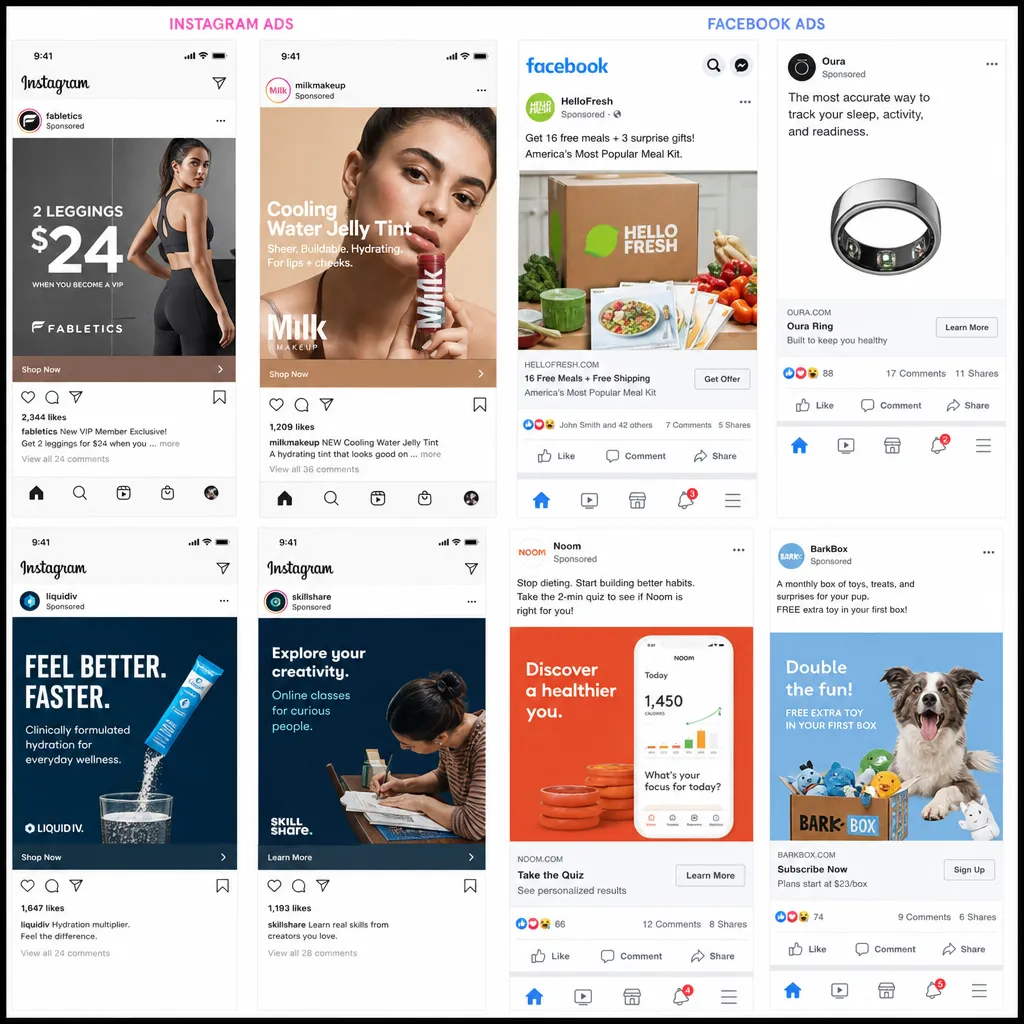
Facebook Ads vs Instagram Ads in 2026: Which One Deserves Your Budget
The real cost gap between Facebook ads and Instagram ads and which wins for ecommerce, leads, and B2B, and a starting budget split for your business type.

64% of Gen Z Uses TikTok Instead of Google—Here’s How to Make Sure They Find You
More Gen Z users are bypassing Google, turning to TikTok and Instagram for answers. Surveys show short-form video platforms are becoming Gen Z’s go-to search engines.
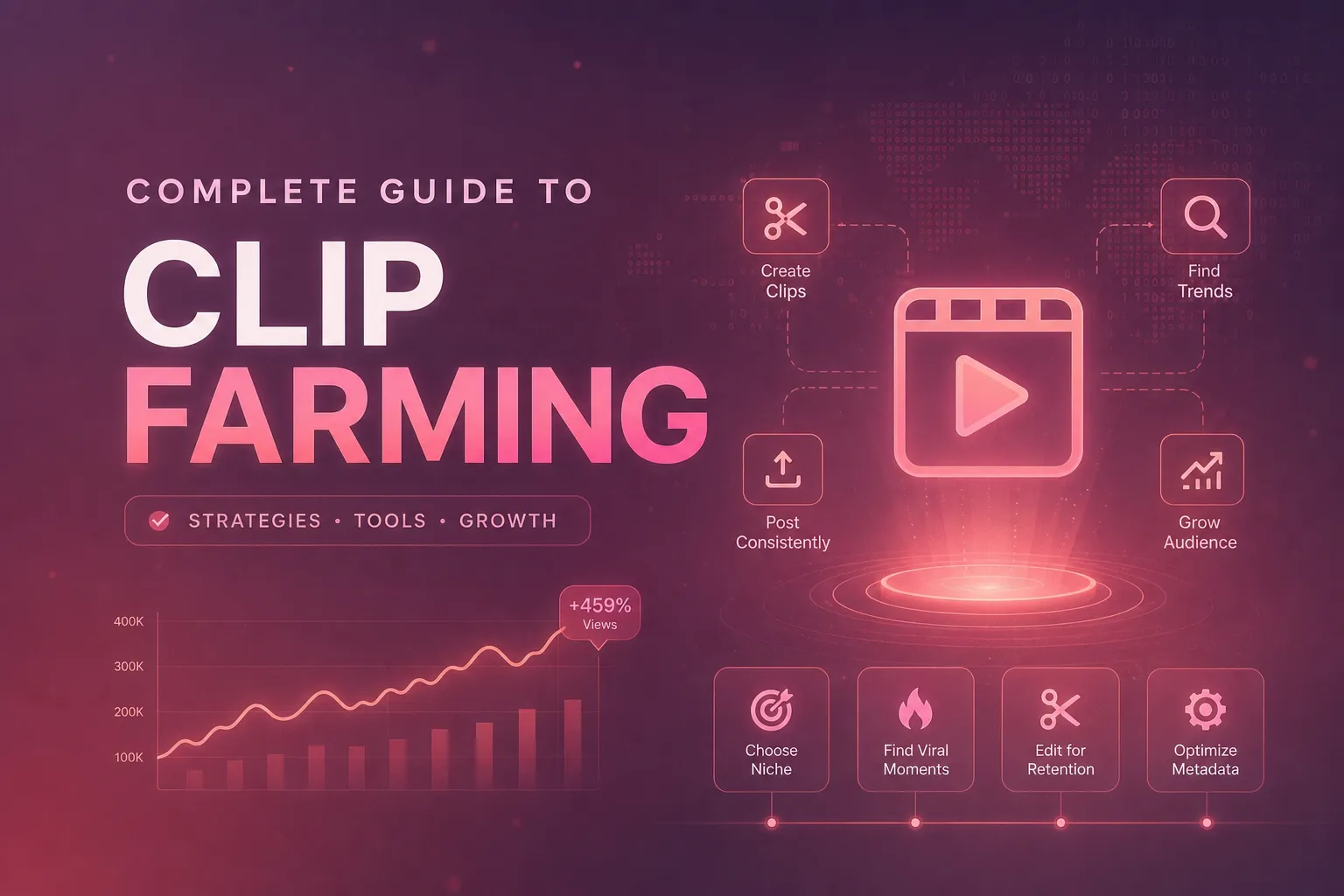
Ultimate Guide to Clip Farming in 2026 for Creators
Clip farming means three different things in 2026. Here's what each one is, how creators actually run it, what it pays, and what the platforms now penalize.
Put this into practice with Virlo
Turn what you just read into real research. These are the tools creators, agencies, and brands use to find what's working on short-form video.
Content Research Agent
Run your short-form research on autopilot — outliers, creators, and sounds across TikTok, Reels, and Shorts.
Tracking Center
Monitor breakout creators, videos, and competitors with daily snapshots and deep AI analysis.
Free Data
Explore free viral hooks, trending niches, breakout products, and more — no account required.
Get The Signal
Join creators, marketers, and agencies getting weekly trend breakdowns and social listening insights delivered free.
Subscribe to the Newsletter
Stop Guessing. Start Knowing.
Join thousands of digital entrepreneurs using data to take the guesswork out of capitalizing on trends.