TikTok Shop Return Policy: Detailed Guide
The TikTok Shop Return Policy guide explains clear refund timelines, return steps, and seller rules. Virlo offers expert tips to minimize disputes.

Clear rules for refunds, exchanges, return windows, and shipping logistics are essential for maintaining customer trust and boosting sales on Tiktok Shop. Well-defined return terms not only reduce disputes but also create a foundation for effective marketing and product presentation. A balanced approach to eligibility criteria and refund processing supports operational efficiency and builds lasting customer relationships.
Transparent buyer protection measures and real-time feedback help merchants fine-tune their returns process while enhancing overall service quality. A clear Tiktok Shop Marketing return policy naturally complements strategic advertising, virality analysis, and content creation efforts. Ultimately, a virality analysis tool from Virlo provides actionable insights to refine policies and optimize customer engagement.
Summary
Return windows and automated deadlines shape buyer behavior and merchant operations: Mall purchases allow 30 days to return, customers must upload return logistics within 10 calendar days, and the platform auto-refunds if the seller has not recorded receipt within 14 calendar days.
Rapid SLAs determine dispute outcomes: sellers must respond to return or refund requests within one working day or face automatic acceptance; then inspect approved returns within one working day or allow refunds to proceed automatically; and buyers have a 48-hour follow-up window after an initial rejection.
Creative clarity and transparent post-sale messaging materially improve conversion and decision speed, with platform signals showing a 150% increase in user engagement since launch and over 70% of users reporting increased brand awareness.
Policy tightening is accelerating across retail, with 40% of retailers looking to reduce the return window to 30 days and 50% of sellers considering restocking fees, meaning merchants must bake stricter rules and cost recovery into pricing and listings.
Evidence and logistics tracking drive refund velocity: 75% of refunds are issued within 3 business days of return approval when customers provide tracking, whereas missing photos or late uploads increase disputes and delay refunds.
Scale brings outsized opportunity and operational risk: TikTok Shop reached $10 billion GMV in 2025 and engages over 1 billion users, yet that volume amplifies content demand, post-sale support load, and fee pressure that can erode margins without aligned staffing and workflows.
This is where Virlo's virality analysis tool fits in, helping teams identify which short-form formats drive sales and surface content-related return triggers so they can refine return policies and customer responses.
Table of Content
Key Features of TikTok Shop
TikTok Shop bundles discovery, checkout, creator collaboration, education, seller tools, and post-sale controls into one native commerce system. This keeps the buying experience inside the app and in creators’ hands. It combines shoppable videos, live selling, creator-led promotion, storefront product tabs, and merchant back-end features.
As a result, brands can go from idea to order without sending users off-platform. To better understand your reach and sales potential, consider using a virality analysis tool to optimize your efforts.
1. What are shoppable product placements and storefront tabs?
Shoppable product placements and storefront tabs. TikTok lets merchants attach product cards directly to in-feed videos and to a dedicated product showcase tab on their profile. This way, every piece of content can act like a storefront. That means a viewer can go from a 10-second authentic demo to checkout in just a few taps. Sellers can show SKUs, pricing, and stock in context without needing extra landing pages.
2. How does native live commerce work?
Native live commerce includes buying controls that are built into live broadcasts. These broadcasts feature product shelves, pinned product links, countdown offers, and real-time engagement metrics. This setup changes conversational streams into direct sales channels.
For quick launches or limited drops, live commerce enables faster conversion from impulse to purchase. It gives creators built-in tools to highlight return policies, shipping timelines, and promo codes while they sell.
3. What is the Creator Marketplace?
Creator Marketplace, rephrased and practical. The Creator Marketplace is TikTok’s way of connecting brands with creators who are a good fit for a product and its audience. It helps brands avoid writing their own native content by making it easy to find partners who already create content in the right style and format. This reduces the effort needed to create content and helps it feel more genuine.
4. What is Creative Exchange, and how does it work?
Creative Exchange, rephrased and actionable: connects professional content teams with merchants to craft TikTok-native videos on demand. Use it when you need consistent creative volume or A/B testable assets that still feel natural; it helps increase creative output without losing the platform’s casual voice.
5. What educational programs are available for sellers?
Educational programs for seller readiness on TikTok offer structured support. This includes Follow Me, a program for small businesses that uses multiple channels, and TikTok Shop Academy, a free course that covers compliance, product setup, and conversion tactics. These resources help speed up onboarding, clarify listing rules, and reduce avoidable policy strikes.
This focus on support is essential for ensuring reliable product discoverability and steady sales.
6. How is order, fulfillment, and returns management handled?
Order, fulfillment, and returns management includes essential return policy controls. Merchants receive tools to manage inventory, orders, shipping, and return requests. There are settings for return windows, refund processing, return shipping rules, and dispute resolution.
This allows businesses to set clear buyer protection terms, automate refund triggers for approved returns, and work with logistics partners. These features help lower manual tickets and significantly boost customer satisfaction.
7. What commerce analytics tools are available?
Commerce analytics tools, performance. TikTok offers dashboards that keep track of views, conversion rates, sales by SKU, and creator-driven affiliate performance. They also have a built-in checkout and payout system.
For context, TikTok Shop's GMV (Gross Merchandise Volume) reached $10 billion in 2025. These metrics help identify which creatives, creators, and product pages really make money.
8. What discovery and trust signals are present?
Discovery and trust signals that drive conversion include tools such as badges, verified seller markers, ratings, shipping ETA displays, and detailed product pages. These features help shoppers quickly evaluate risk.
In practice, explicit product claims and honest creator demos significantly lower returns and disputes. This is because buyers make decisions with a stronger sense of what they will actually receive.
What impact do creator-led demos have on sales?
When we tested creator-led demos for a midmarket skincare seller over three weeks, the pattern was clear: transparent product demonstrations.pdf and simple shipping and refund language made people more likely to complete their purchases and made their decision time shorter. This aligns with what many buyers want today: ethical tips and convenience.
How do teams handle creative partnerships?
Most teams manage creative partnerships through ad hoc outreach and spreadsheets. This feels easy at the start. However, as catalogs and creator lists grow, tracking approvals, assets, and commission structures becomes difficult. It often leads to messy communication through email chains and missed deliverables.
Solutions like Virlo keep creator onboarding in one place, automate contract routing, and offer a single view of performance. This dramatically reduces review times from days to hours, while ensuring audit trails and payment clarity.
What analogy can describe the TikTok Shop experience?
A helpful analogy is to think of TikTok Shop as a high-traffic market hall instead of a small boutique. In this setting, creators act like vendors, product tabs are like stalls, and real-time live commerce serves as the loud, compelling pitch that helps close sales.
This structure shows why reach is significant: a larger scale creates more opportunities for impulse buying and allows for quicker testing.
What is the significance of user reach for merchants?
Scale shows in user reach too, with over 1 billion users globally engaging with TikTok Shop. This large audience affects how you think about inventory risk, return windows, and customer support SLAs.
Why is clarity around returns necessary for merchants?
Merchants are especially worried about clarity concerning returns, refunds, and buyer protection. These policies are key in deciding if a one-time buyer becomes a repeat customer or leads to an expensive support issue. This tension will be looked at more closely in the next section.
TikTok Shop Pros and Cons

TikTok Shop can be a powerful tool for discovery and impulse sales. However, it also entails high operational and creative costs that require careful planning. Below are the benefits and tradeoffs explained in two clear sections.
This will help you decide if the upside is worth the investment needed. Additionally, exploring a virality analysis tool can provide insights into how your content might perform.
1. What are the pros of TikTok Shop?
Pros of TikTok Shop - Huge, reachable audience. TikTok puts products in front of a large, active audience. This means businesses do not need to create demand; they just need to capture it. Having an audience ready to buy shortens testing time and enables low-cost experiments, especially if the brand aligns with the platform’s style.
Native checkout that reduces friction: Since browsing, social proof, and purchasing happen all in the same app, there are fewer clicks between curiosity and buying. This faster way to purchase is why many sellers say they see more impulse buys and shorter decision times.
Real upside when content hooks viewers. The platform rewards creative hooks, so one authentic clip can lead to big sales overnight. It's like being on a busy street where an engaging pitch sells out a stall; a single viral clip can drive orders much faster than traditional paid ads.
Engagement is accelerating rapidly. Evidence shows that the activity on the channel is growing. A 2025 report by RKS Growth Strategy Solutions highlights a 150% increase in user engagement since it launched, making it a platform where creative ideas can be tested quickly.
Strong lift in sellers' brand visibility. For many merchants, having a presence on this platform directly increases awareness. Research from RKS Growth Strategy Solutions shows that over 70% of TikTok Shop users reported higher brand awareness, which is a real advantage when looking for top-of-funnel reach alongside direct sales.
Levels the playing field for smaller sellers. Tools for partnerships with creators, product tagging, and live selling help small teams compete based on creativity and timing, not just advertising budgets.
If a seller can tell a clear, native story and respond quickly, they can outperform larger competitors during short, intense selling periods.
2. What are the cons of TikTok Shop?
Cons of TikTok Shop: Saturated categories make it hard to stand out. High competition is a common downside of any profitable channel. When every brand tries to use the same viral formats, they must spend more on more intelligent audience segmentation, creative testing, or better product differentiation to avoid being just another option.
Content demand creates a staffing issue. The platform rewards frequency and new ideas; thus, regular output is key rather than just a few big successes. It can be tiring when teams treat TikTok like an ad channel. Success requires a short-form content engine, role clarity, and a reliable creative backlog; otherwise, fatigue and inconsistency can ruin momentum.
Platform fees squeeze profits. Commission and transaction fees change the economics, making low-margin products potential money losers once platform costs and returns are factored in. It's essential to include these fees in pricing, promotions, and lifetime value calculations, rather than seeing them as an afterthought.
Geographic limits make it hard to scale. TikTok Shop is not available everywhere, creating challenges for merchants looking to go global. If a growth plan expects global reach, businesses will need other storefronts or logistics solutions for places where native commerce isn’t supported.
Operational issues after sales create friction. Quick sales growth increases customer support needs, and a bad post-purchase experience can hurt the lifetime value generated by viral content.
This pressure shows up in handling returns, fulfillment accuracy, and resolving disputes, all of which can take time and harm reputation if not set up well from the start.
What practical judgement calls should you make?
Most teams coordinate trend research and creator outreach using spreadsheets and ad hoc messaging because it feels familiar and requires minimal setup. This approach works early on, but as content needs grow and campaigns multiply, tracking ideas, approvals, and performance becomes fragmented. Deadlines slip, and promising concepts may either be repeated or go unused.
Platforms like the virality analysis tool centralize signals, automate the discovery of winning formats, and shorten creative research from days to hours. This gives teams a single source of truth for what to scale next.
If you sell a high-margin novelty product that benefits from show-and-tell, prioritize TikTok Shop early and budget for creative testing.
If your margins are thin and operations are small, run controlled pilots, tighten return and fulfillment rules, and measure net profit per order before scaling spend on creator relationships.
If your brand needs global reach now, treat TikTok Shop as one part of a multichannel plan rather than the core revenue engine.
A vivid comparison highlights the situation: TikTok Shop is more like a festival pop-up than a permanent retail lease. It's excellent for bursts of attention and conversion, but risky if long-term inventory plans are built around unpredictable spikes.
What tool can help with virality analysis?
Virlo helps short-form content creators go viral with AI-powered trend analysis.
Try Virlo’s virality analysis tool to find out which formats, audios, and posting times really make a difference.
This simple success, however, often hides a rule that can turn a win into a costly mess.
Related Reading
TikTok Shop Return Policy
TikTok Shop lets buyers request returns and refunds within specific time limits, through a simple process. To be eligible for returns, the item must have been bought through the Mall. Sellers can decline a return request once, and there is a limited time to appeal.
For approved returns, buyers must provide shipping details within a specified time. The platform also offers automatic refunds if the seller doesn't receive the returned package. Below, each rule is explained and rewritten for better understanding and practical use.
1. What are the return windows, and who qualifies?
Return windows and eligibility vary depending on the type of purchase. For Mall purchases, the platform allows customers to request a return within the specified period, with 30 days from delivery to return items, as noted by the Webgility Blog (2025).
For items purchased outside of TikTok Shop Mall, the allowable return window is shorter and begins from the moment the order status changes to Delivered. These windows serve as the baseline for determining whether a return or refund request will be accepted.
2. How many times can a buyer try if a seller says no?
If a seller denies the first return or refund request, the buyer can send one follow-up request. This follow-up must be submitted within 48 hours of the rejection. If the buyer misses this time limit, the platform will close the case. It's essential to see the first rejection as a slight chance to appeal, not as the final decision.
3. What logistics steps are required after approval?
When the platform or seller approves the return or refund, the customer must upload the required shipping or pickup details within 10 calendar days. If this upload is not completed, the platform will automatically close the request. This upload is essential; without it, the process stops.
4. How do customers actually get the item back?
For approved returns, customers can either send the package back to the seller by courier or, when available, drop the item at one of TikTok's shop’s designated drop-off points. Choose the option that gives you a trackable receipt; proof of handoff is essential.
5. When are refunds triggered, and how fast do they move?
Refunds for eligible returns happen when the item is dropped off or picked up by the logistics service provider. The platform can give refunds quickly; in fact, 75% of refunds are issued within 3 business days after the return is approved, according to the Webgility Blog, 2025. This means that most refunds are processed quickly after approval; however, the exact timing can still depend on the payment method and bank processing.
6. What is the buyer’s packing responsibility?
The buyer’s responsibility for packing is to ensure the returned package includes the correct and complete product, including any accessories the seller requires. If pieces are missing, it can cause disputes and delay refunds.
It's important to pack carefully and take a photo of the parcel before handing it over.
7. What happens if the seller never receives the item?
If the seller has not recorded the return of the product within 14 calendar days after the customer uploaded the return details, the platform will automatically refund the buyer.
Sellers who face a loss or delay can reach out to platform support to request compensation for a returned item that was delayed or lost in transit.
8. What happens after the after-sales period ends?
Once the official after-sale window closes, customers who still want to escalate their issues must either negotiate directly with the seller or open a support case through the specific order page within the TikTok app. There, TikTok’s customer support tools are available.
What are some common issues with return disputes?
When helping many merchants with return disputes, a clear pattern showed up: unclear messaging about whether unopened or non-defective items can be returned leads to hopeful, trial-and-error return requests. This situation increases support volume and frustrates both buyers and sellers. Luckily, this confusion can be fixed with more explicit product-level return language and consistent checkout cues.
How do teams manage return exceptions?
Most teams handle return exceptions through inbox threads and makeshift spreadsheets. This way feels familiar and doesn't need any new integrations; it might work well at first. However, as the number of returns increases, these threads can break apart, evidence can get mixed up, and the time to resolve issues can grow from days to weeks.
Solutions like Virlo streamline dispute tracking and automate status updates. This means that instead of taking days, manual reconciliation can be done in just hours while still keeping audit trails and seller-buyer context.
What are some practical tips for returns?
A practical tip is always to capture timestamps and photos at drop-off. It's essential to keep the upload proof inside your order conversation. Furthermore, consider the 10-day upload requirement and the 14-day auto-refund window as critical deadlines that you must meet or monitor.
What happens after the rules are explained?
The operational list explains the rules. However, what happens next decides who will pay the costs and who will keep the customer.
Related Reading
Return Policy for Sellers

Sellers must respond to each return or refund request quickly. It is essential to check approved returns promptly. Make sure that every decision is based on recorded evidence and a clear reason code. This method not only shows fairness to buyers but also helps reduce disputes.
1. What is the initial response protocol?
Initial response and automatic approval. Respond to any return or refund request within 1 working day of the customer filing it. If no one contests the request by that time, the platform will automatically approve it. To make this process easier, create a single-click acknowledgment template and an internal SLA tracker to make sure no message is missed after the one-day deadline.
2. What happens when you approve a return?
When a return is approved, the clock starts on physical receipt. After receiving the returned item, you have one working day to inspect it and either confirm the refund or submit a rejection with evidence.
If you miss that inspection window, the system will automatically allow the refund to proceed. Therefore, it's essential to prioritize inbound return triage during operating hours.
3. What are the grounds for rejecting a return?
Grounds for rejecting an approved return include times when the product does not meet reasonable standards. For example, visible damage that occurs after delivery, missing parts, or incomplete components can lead to a refusal.
Rejections must include photographic proof, timestamps, and a clear link to the proper policy clause. Avoid vague language; instead, connect every denial to a documented defect or a missing piece.
4. What is the exception for Apple product returns?
Apple product exception for authorized sellers. If you are an Apple authorized seller handling Apple brand returns, you get an extended review period: check and respond within 7 working days of receipt. Make sure to track those Apple returns separately in your dashboard to avoid treating them like regular items.
5. How should rejection reasons be handled?
Rejection reasons and accuracy. Always choose the most relevant rejection reason given by the platform. Picking the correct code helps speed up dispute resolution and reduces forced refunds. To make things more consistent, train customer service representatives on the rejection categories, do weekly checks of denied cases, and keep a short decision guide.
This way, similar cases will have consistent outcomes.
6. What to check for ‘no longer needed’ requests?
Handling 'no longer needed' requests requires extra checks. Returns marked as 'no longer needed' must be unopened, with all tags and accessories present, and any hygiene seals intact.
If the item fails these checks, record the specific missing element and reject the return with supporting media. Additionally, making the 'no longer needed' criteria visible on the product page can help reduce speculative returns.
7. How should refund amounts be processed?
Refund amounts, including seller-initiated refunds without returns, must equal exactly what the buyer paid for the product, with no rounding or unilateral rebates. A seller may choose to issue a refund before receiving the returned goods; however, if this is done, the seller must assume the inventory and financial risks that come with it.
This option should be used carefully for high-value customers or to improve a reputation after a logistics failure. It's essential to record the reasons for the decision in the order notes.
8. What happens to outstanding refunds when an account is terminated?
If the platform ends a seller account under enforcement rules, it may manage any pending refund requests to protect buyers. The platform will handle these situations on its own.
It's essential to keep a contingency reserve and clear records outside the platform. By doing this, you can support any follow-up claims or audits if your account status changes.
9. What operational controls should be in place?
Operational controls and evidence practices are essential for managing returns effectively. Treat returns like an audit trail. Capture inbound photos at the courier handoff, record the carrier tracking and timestamps, and attach those files to the order record right away. Establish a daily intake window for returns and assign a dedicated reviewer to sign off within the one-day inspection SLA.
These habits help to reduce disputes and create defensible outcomes.
10. How should sellers prepare for policy trends?
Policy trends you must plan for. Policy tightening is speeding up in retail. Retailers are moving to shorter return periods and stricter restocking rules, so adapt your product pages and return scripts now to set buyer expectations.
According to NRF and Happy Returns, 40% of retailers are looking to reduce the return window to 30 days. This shows a move toward shorter and clearer return windows. Also, NRF and Happy Returns: 50% of sellers are considering implementing restocking fees, indicating that many merchants are looking at ways to recover costs. You should turn these trends into a pricing and policy plan to avoid problems with loss of volume or profit margins.
11. What metrics should be tracked?
Metrics to watch and escalation rules include tracking these KPIs weekly: the percent of requests responded to within one working day, the percent of returns inspected within one working day of receipt, the rate of evidence-backed rejections, and the net dollars refunded per 1,000 orders.
Set up automated alerts when any metric slips; this helps managers intervene before the platform automatically approves tickets.
12. How do tooling changes impact return processes?
Most teams manage return communications using inboxes and spreadsheets because this method is known and works well when there are few returns. However, as the number of returns increases, conversations can break apart, proof can become disorganized, and response times can go from hours to days. This can often lead to forced refunds and unhappy customers.
Tools like the virality analysis tool centralize return tickets. They attach photos and timestamps to each case, automate SLA reminders, and provide a record of what happened. As a result, review cycles are reduced from days to hours while preserving key evidence for justified rejections.
What analogy demonstrates the tradeoff in returns?
An analogy that helps explain the tradeoff in returns is to think of them like a baggage carousel. If one station doesn’t scan and log luggage correctly, everything gets stuck, making passengers miss their flights. This situation is similar to returns; small mistakes can cause big problems and lead to significant damage to a company's reputation.
How to implement these changes immediately?
To put this into action right away, make a returns playbook that lists the standard messages, photo angles needed, an evidence checklist, and a process for escalating to a single reviewer. Conduct a 30-day experiment to make sure inspections take less than four hours.
During this time, track how it changes dispute reversals and buyer satisfaction.
What is the final pressure to consider?
While tight control may seem final, there is one more hidden pressure that can change everything.
Go Viral with Virlo's Virality Analysis Tool
Virlo is highly recommended for creators who want to stop guessing and turn short-form trends into steady sales growth. Solutions like Virlo use AI-powered trend analysis and creator signals to identify winning formats, optimal posting times, and effective audio-video pairings. This method provides a clear guide for growth while ensuring that return windows, refunds, and buyer protection align with TikTok Shop. Check out the virality analysis tool.
Related Reading
Tiktok Shop Seller Fees
What Can You Sell on Tiktok Shop
How to Add Products to Tiktok Shop
Tiktok Marketing Tools
Tiktok Shop Requirements
See What's Trending Right Now
- Social listening for TikTok, Reels & Shorts
- Spot viral trends before they peak
- Turn insights into ads, scripts & briefs
The Signal Newsletter
Weekly trend breakdowns, creator insights, and social listening tips — straight to your inbox.
Subscribe FreeSee Virlo in action
See What's Trending Right Now
- Social listening for TikTok, Reels & Shorts
- Spot viral trends before they peak
- Turn insights into ads, scripts & briefs
The Signal Newsletter
Weekly trend breakdowns, creator insights, and social listening tips — straight to your inbox.
Subscribe FreeRelated Articles
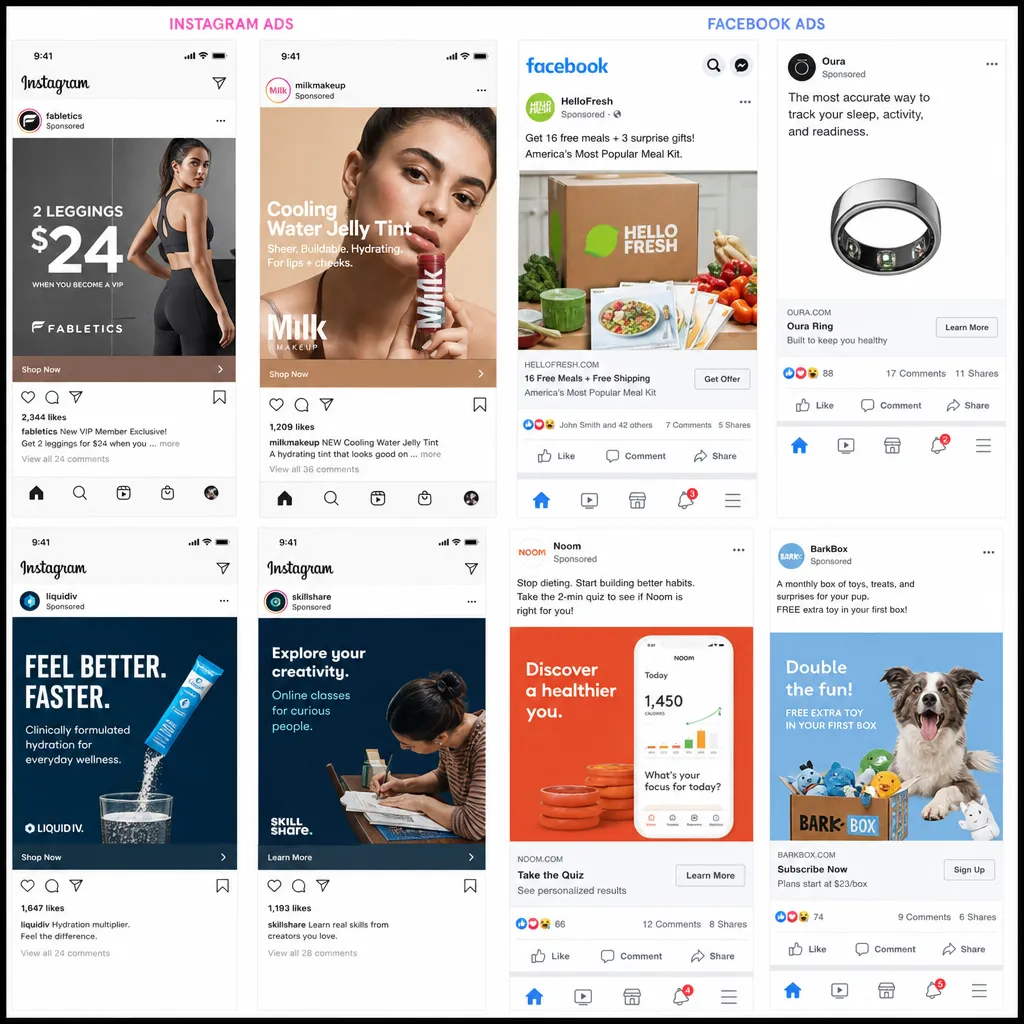
Facebook Ads vs Instagram Ads in 2026: Which One Deserves Your Budget
The real cost gap between Facebook ads and Instagram ads and which wins for ecommerce, leads, and B2B, and a starting budget split for your business type.

64% of Gen Z Uses TikTok Instead of Google—Here’s How to Make Sure They Find You
More Gen Z users are bypassing Google, turning to TikTok and Instagram for answers. Surveys show short-form video platforms are becoming Gen Z’s go-to search engines.
Ultimate Guide to Clip Farming in 2026 for Creators
Clip farming means three different things in 2026. Here's what each one is, how creators actually run it, what it pays, and what the platforms now penalize.
Put this into practice with Virlo
Turn what you just read into real research. These are the tools creators, agencies, and brands use to find what's working on short-form video.
Content Research Agent
Run your short-form research on autopilot — outliers, creators, and sounds across TikTok, Reels, and Shorts.
Tracking Center
Monitor breakout creators, videos, and competitors with daily snapshots and deep AI analysis.
Free Data
Explore free viral hooks, trending niches, breakout products, and more — no account required.
Get The Signal
Join creators, marketers, and agencies getting weekly trend breakdowns and social listening insights delivered free.
Subscribe to the Newsletter
Stop Guessing. Start Knowing.
Join thousands of digital entrepreneurs using data to take the guesswork out of capitalizing on trends.