Tiktok Shop vs Amazon: What is the Difference?
Tiktok Shop vs Amazon: What is the Difference? Compare conversion, fees & operations to pick the best channel. Virlo’s tool delivers data-backed insights.

Retail strategies vary significantly: Tiktok Shop Marketing leverages short-form videos, live experiences, and creator partnerships, while Amazon relies on search ranking, detailed product pages, and fulfillment expertise. Comparing the two—Tiktok Shop vs Amazon—requires a nuanced look at conversion rates, seller fees, and how each platform uncovers trending content.
Distinct approaches to product discovery and customer engagement influence how effectively each channel drives sales. By analyzing trending ideas, conversion patterns, and associated costs, marketers can refine their strategies, and Virlo’s virality analysis tool provides valuable insights to optimize performance.
Table of Contents
Summary
TikTok Shop converts short-form discovery into transactions at scale, reaching over 1 billion users worldwide and driving roughly 400% year-over-year category sales growth in beauty, fashion, and wellness, making quick creative testing and velocity essential.
TikTok’s unified in-app checkout and creator commerce tighten the content-to-purchase feedback loop, and with the platform projected to double by the end of 2025, late entry risks higher costs for personalization and ad buy.
Amazon delivers predictable reach and logistics at scale, hosting about 9.7 million sellers and reaching more than 310 million customers, so discoverability and differentiation matter more than low-cost entry.
Conversion behavior differs by channel: TikTok experiments can yield as much as 6x the conversions of other platforms when creative and placement align, while Amazon rewards SEO, reviews, and incremental optimization.
Audience dynamics shape strategy; for example, Gen Z spends around 95 minutes per day on TikTok, which favors repeated short exposures and creator-led launches over single long-form product pages.
Operational choices should match your tests and timelines: run 10 to 15 creative variations to validate visual SKUs quickly, measure organic ranking lift over 30 to 90 days for search-driven SKUs on Amazon, and consider a hybrid path of TikTok validation, then Amazon scale.
This is where Virlo's virality analysis tool fits in; it helps teams surface trending creative ideas, measure asset-level reach and conversion, and compress creative test cycles from weeks to days so platform decisions are based on data rather than guesswork.
Key Features of TikTok Shop
TikTok Shop packages discovery, social proof, and checkout into a single flow. This integration lets trends change into transactions with little hassle. Its main features allow users to go from watching a viral video to buying a product without leaving the app. This smooth experience gives creators and merchants different ways to earn money and customize their offers. Our virality analysis tool can help you understand the dynamics of your content's popularity. Scale and context: Over 1 billion users worldwide engage with TikTok Shop, according to Root Digital. This massive user base offers built-in reach for any creator or brand that successfully learns how to use short videos for discovery and sales.
1. What is full-funnel commerce, all in one place?
Full-funnel commerce brings together the user journey from the first time someone sees a product to when they buy it. It mixes organic discovery, creator endorsements, shoppable tags, livestream commerce, and in-app payments into a smooth experience. Marketers need to recognize how important this is, as it provides a straightforward way for customers to buy.
How it works in real life: Users find products through a personalized feed by clicking on product links in posts or livestreams. They can easily buy items using saved payment information and one-click checkout. This setup eliminates the need to switch between apps, which can prevent people from making quick purchases.
What many teams overlook: treating discovery and commerce as separate tasks wastes time and resources and slows the flow of insights. When the funnel is combined into a single platform, creative performance connects directly to revenue data rather than just being a nice number to look at.
2. What are the expanded revenue channels for merchants and creators?
Expanded revenue channels for merchants and creators. What new income paths are available? What it is: Direct product sales, affiliate splits with creators, sponsored content, and livestream tipping create a layered monetization model rather than a single ad spend model. Practical advantage: Brands can test influencer-driven product drops, limited-time bundles, and creator storefronts with lower setup costs, turning audience attention into immediate sales opportunities. Strategic tradeoff: Running creator programs at scale requires tagging, attribution, and inventory sync; if those processes are manual, growth slows. Solutions like Virlo help by centralizing product feeds, automating tag assignment, and compressing time-to-list from days to hours, so teams maintain momentum without increasing overhead.
3. How does the content-commerce feedback loop tighten?
How does entertainment become commerce without feeling pushy? What it is: Content and storefronts help each other, so a funny review or a how-to demo also acts as a way to buy. This enables ongoing A/B testing of creative hooks, price points, and bundles in real-world settings. Behavior pattern we see: In the beauty and home categories, users pick platforms that let them go from inspiration to purchase in one session because it feels easy, not salesy. Tactical implication: Track creative-level conversion instead of just impressions; the best-performing clip guides both creative briefs and product selection within hours.
4. How do shoppers find the right product for themselves?
What it is: Personalized product recommendations come from watch history, creator interests, and real-time engagement signals. There are also interactive features, such as clickable product overlays, AR try-ons, and custom filters, that let shoppers see items in different situations. Why it converts: Personalized, interactive displays make it easier for people to decide and build their confidence, turning casual interest into a desire to buy. Market momentum: Given how the platform works, TikTok Shop is projected to double in growth by the end of 2025 — Resourcera, 2025. This means brands need to focus on getting personalization right now to gain market share before costs go up.
What is a quick analogy for TikTok Shop?
A quick analogy: Think of the TikTok Shop as a busy farmers' market where the stall talks back. Here, creators show off products, buyers can ask questions, and payment happens right at the table. Meanwhile, the crowd loudly cheers as products sell out.
What is the status quo disruption pattern?
The status quo disruption pattern in creator commerce shows how most teams work together on these efforts. They usually rely on spreadsheets and ad dashboards because they are familiar with them; this method requires no new systems. While this way works at first, it becomes a problem as the number of projects grows, creators multiply, and tracking gets confusing. This increase makes managing campaigns a full-time drain. Teams find that tools like Virlo can centralize product metadata, automate creator splits, and provide live attribution. This helps to lower manual checking and keeps campaigns running smoothly as they grow.
How does success look in the future?
Success seems decisive right now. The more difficult question is how platform-level advantages will turn into predictable, repeatable revenue as competition grows.
Related Reading
Key Features of Amazon Shop
Amazon combines visibility, seller tools, and brand control into a single commerce engine that makes products easy to find, buy, and measure. The platform offers storefront formatting, rich media, SEO hooks, merchandising levers, social proof mechanisms, and analytics. These features help sellers continue improving their sales conversion rates. For better insights, consider using a virality analysis tool to understand your product's performance.
1. How should you structure the storefront to prevent customers from getting lost?
A clear, hierarchical layout that guides shoppers from broad categories to specific offers is essential. Use a simple top-level menu and show curated blocks on the homepage for best sellers and new drops. This approach helps customers quickly find items they are interested in. When navigation becomes too crowded due to more products, shoppers may hesitate, leading to abandoned tabs. This pattern is common among brands trying to increase discovery without redesigning their navigation systems. Therefore, it is crucial to plan your grid and navigation to handle an increasing number of products.
2. What kind of product visuals actually convert?
Treat photos and videos like your sales team. High-quality pictures from different angles, lifestyle shots, and short demo videos can help reduce buyers' uncertainty and hesitation. Amazon allows video on storefront pages, using clips to show scale, fit, and usage. When images answer common questions at the beginning, returns go down and conversion rates go up because buyers feel more confident before they make a purchase.
3. How do you write content that gets found and converts?
To write content that gets found and converts, start by crafting headlines and descriptions that match search intent and naturally include priority keywords. Highlight unique selling points early on, and address likely doubts with bullet points. Use precise language that a busy shopper can easily scan. Remember, SEO is not just an academic exercise; it is practical. Well-written copy can significantly improve organic placement and turn impressions into clicks.
4. Why tell your brand’s story on Amazon?
A brand section on Amazon makes your store feel more personal and sets your products apart from regular listings. You can add mission notes, use colors people recognize, and showcase customer awards to build trust. When shoppers see a clear identity, they tend to engage differently, as what looks like loyalty often comes from the comfort of knowing what to expect.
5. How should you group products so browsing feels effortless?
Group products into themed collections that match shoppers' needs, such as Best Sellers, Seasonal Picks, New Arrivals, and Bundles. Organized groupings help shoppers make decisions faster by changing a big catalog into a short list of wise choices. Think of collections as window displays that lead the eyes and hands to the items you want shoppers to look at.
6. Is mobile design worth the effort or just table stakes?
Mobile design is essential because much browsing happens on phones. It's important to ensure that images resize properly, text flows well without awkward line breaks, touch targets are large enough, and load times remain low. Small layout mistakes can look worse on mobile devices, so it's crucial to test how things interact across different devices rather than assuming what works on desktop will work on mobile.
7. How do you nudge customers to add more items at checkout?
To encourage customers to add more items at checkout, place related items close to product pages and in shopping carts. This method helps with cross-selling and upselling. Provide better options that show clear, tangible benefits and use bundle pricing to make the calculations easy. These strategies can significantly increase average order value by making an additional purchase feel like a natural next step rather than a tough sell.
8. What promotions actually move the needle?
What promotions actually make a difference? Feature limited-time discounts, Prime-exclusive deals, and coupons clearly so that urgency and exclusivity are easy to see. Promotions should be carefully chosen, aimed at specific inventory or profit goals, rather than a broad strategy that teaches customers to wait for sales. It's essential to show the best offers where shoppers are making choices, instead of hiding them on a subpage.
9. How do reviews and social proof become assets rather than noise?
To turn reviews and social proof into valuable assets, highlight top-rated SKUs and choose testimonials that answer common questions. Using the Q&A section can help get ahead of questions that potential customers might ask again. By offering positive social proof, sellers can reduce psychological risks, which often serves as the final push that turns someone unsure into a buyer.
10. What metrics should you track, and how often should you iterate?
Use Amazon Brand Analytics and storefront metrics to watch traffic sources, click-through rates, and conversions at the creative level. It's essential to test banners, product placements, and copy in short cycles, letting data guide your choices. The most common mistake is waiting months to change creative; fast, measured iterations help lead to meaningful improvements.
How to improve merchandising decisions for better performance?
Most teams make merchandising decisions using spreadsheets and ad hoc banners because these methods are easy to use and don’t need any new systems. This way works until inventory, creatives, and creator partnerships grow, at which point manual coordination becomes scattered. As a result, assets become old, attributions get unclear, and updates take days. Teams find that platforms like the virality analysis tool help centralize feed management, automate tag assignment, and speed up listing time from days to hours. This keeps storefronts up to date while significantly reducing the need for manual checking.
Why does discoverability matter on Amazon?
Amazon’s size makes search and visibility competitive. This means you are working in a crowded marketplace with many buyers, and this has effects you need to plan for. The platform has 9.7M sellers, according to Amazon Marketplace Statistics 2025.
This shows why being discoverable and different is more important than ever. It also reaches 310M+ customers, according to Amazon Marketplace Statistics 2025. This means that if you make the right merchandising choices, you can get a massive audience by removing barriers.
What is Virlo, and how can it help?
Virlo helps short-form content creators understand how to go viral using AI-powered trend analysis. You can go viral with Virlo's virality analysis tool.
What is the deeper reason for consistent challenges?
The real reason these challenges continue is more complicated than many people think.
Tiktok Shop vs Amazon: What is the Difference?
Tiktok shop and Amazon serve different business goals and operational needs: one converts attention into quick purchases based on categories, while the other turns intent into extensive and repeatable sales. The choices you make affect how you measure success, design operations, and your growth plan. Understanding the impact of marketing strategies is vital; utilizing a virality analysis tool can provide insights to help shape your approach.
1. What is the business model and buyer behavior?
Business Model & Buyer Behavior TikTok Shop features trend-first commerce. Users buy while having fun, creating short, emotionally charged purchasing windows. Their choices are influenced by the creators' credibility and their current desires. This means that making decisions about what to sell is strategic: choosing fast-selling items, having regular limited releases, and testing new ideas frequently work better than focusing on a wide range of products. Operators Network reports that TikTok Shop sales grew 400% YoY, especially in beauty, fashion, and wellness. This shows how category momentum in 2025 drives quick acceptance in visually focused industries.
2. How do setup, listings, and fulfillment differ?
Amazon, intent-first commerce shoppers arrive with a problem to solve, so conversion depends on search relevance, reviews, and clear value propositions. Buying cycles are longer, and customers compare features, price, and fulfillment options. This creates steadier AOVs, deeper product pages, and a stronger signal for long-term categories where repeat purchases and reviews are essential. Set up, Listings & fulfilment tiktok Shop, creative-first setup. Onboarding happens quickly, but the focus shifts to creative operations: filming, tagging, coordinating with creators, and optimizing clips for conversion. Inventory and fulfillment responsibilities are with the merchant unless local TikTok logistics are available. So, it’s crucial to design operational buffers to handle sudden spikes in demand and returns associated with impulse buys.
3. What are the differences in audience and reach?
Amazon has a process-first onboarding approach that focuses on catalog hygiene, SKU hierarchy, and packaging requirements. Fulfillment by Amazon centralizes storage, shipping, and customer service, reducing operational surprises. However, this model adds layers of fees and needs careful inventory planning. Key points: TikTok Shop has a focused, younger audience. Its reach skews younger, and engagement levels are high; discovery algorithms quickly boost successful products. This environment creates chances for breakout SKUs. However, audience loyalty tends to be stronger with creators than with brands. So, to effectively own customer relationships, strategies for capturing them off-platform are needed.
4. How do marketing and advertising strategies compare?
Amazon has a large and well-established market share. Its presence creates a high-intent audience comprising many types of people, while its size provides predictable demand baselines. According to FordeBaker, Amazon holds a 38% market dominance. This market share is why many sellers see Amazon as the basic channel for volume and credibility in 2025. Key points about TikTok Shop focus on its emphasis on creative virality and creator programs. While paid placements offer advantages, organic and creator-driven content can lead to quick engagement lifts. The measurement model highlights short-term creative tests that directly connect to conversion metrics at the asset level. Therefore, innovative operations and fast iteration are the main drivers of success.
5. What is the cost structure for both platforms?
Amazon advertising focuses on keyword targeting and funnel strategies. Users buy visibility through search and display ads, and optimization requires continuous effort. Bid management, relevance, and A/B testing on titles and images are crucial. The ad stack scales with catalog size, which means practical tools and rules are necessary to avoid excessive spending as the number of products increases. TikTok Shop has lower platform fees, but often needs higher creative spending. Even though platform commissions may be lower, margins usually decrease due to influencer fees, production costs, and aggressive promotional pricing. Financial planning must account for both creative output and the expenses required to keep the audience engaged.
6. How scalable are TikTok Shop and Amazon?
Amazon has predictable yet layered costs. Fees for referral, fulfillment, storage, subscription, and advertising squeeze profits; however, this squeezing is offset by reliable logistics and a broader reach. The most significant risk to making money on Amazon is losing track of these total costs. Scalability and long-term growth differ across platforms. TikTok Shop sees fast scaling with volatility. When a video becomes popular, sales can spike quickly; however, when interest drops, demand can disappear just as quickly. Because of this, systems need to be made to scale up quickly rather than grow steadily, using flexible inventory rules and creator pipelines that help keep the momentum going.
7. What are the overall pros and cons?
Amazon provides steady scalability. Growth is gradual and expected, with set plans to expand product ranges, roll out internationally, and increase ad efforts. Achieving success on Amazon builds upon itself; however, competition makes small gains more costly over time.
Low-cost entry for sellers.
Quick product-market validation through creative tests.
High conversion rates occur when a format works well on TikTok Shop.
What are the unique challenges faced on each platform?
Cons on TikTok Shop include fulfillment gaps, reliance on creators for distribution, and revenue fluctuations when trends change. Pros on Amazon feature deep buyer intent, a strong fulfillment and returns system, and a way to grow consistently. Cons on Amazon include higher fees, tough competition for search results, and the operational discipline needed to stay visible.
How can teams improve marketing and fulfillment workflows?
Status quo disruption: how teams break and how to fix it. Most teams run creative campaigns and fulfillment workflows in separate silos. This setup feels familiar and doesn't need new tools. As campaigns grow, attribution breaks down, and inventory doesn't match creative demand. Figuring out who made a sale becomes a weekly headache. Teams find that tools like the virality analysis tool help centralize creative-to-inventory mapping, automate creator tag assignment, and cut down reconciliation from days to hours. This process restores coherence while maintaining high creative velocity.
What vivid comparison helps us understand both platforms?
A vivid comparison to think about involves two storefronts. One is a pop-up that fills up and empties every hour, while the other is a department aisle that sells items steadily but needs careful placement to outperform its neighbors. Each model requires different staffing, forecasting, and creative rhythms.
What measurement changes occur with your choice?
What measurement changes with your choice? If you like TikTok Shop, measure conversion by creative unit, short-term ROAS, and velocity to stockout. If you prefer Amazon, measure keyword share, repeat-purchase rate, and margin after fulfillment fees. Create dashboards that show these different rhythms so that operational teams can respond to the right signals.
Where do most merchants fail in operations?
The gap between the platform's promise and the actions that support it is where most merchants fail. This is also where choices become very important. The next decision will show a clearer tradeoff than expected, affecting everything merchants focus on from now on.
Related Reading
How to Choose Between TikTok Shop and Amazon

Choose the platform that fits how people find your product, who buys it, and how you handle growth and operations. Think of this as an operational decision, not just a popularity contest. Below, you will find six crucial factors, each explained in simple, actionable trade-offs, to help you select the best option for your product and team, along with insights from a virality analysis tool to evaluate the effectiveness of your strategies.
1. When does TikTok Shop win, and when does Amazon win?
TikTok Shop, best fit: High-visual, low-to-mid price items that benefit from a quick demo and emotional hooks. If a short clip can remove doubt, show fit and texture, or present a before-and-after, you get significant returns. Aim for products that can handle higher return rates and occasional sales, because how fast things sell and repeat orders matter more than the profit from a single sale.
Amazon, best fit: Durable, problem-solving products where buyers search, compare features, and trust reviews before deciding. For more expensive items or anything that needs detailed specs, longer descriptions, and warranties, Amazon’s search and review system helps buyers feel more confident over time.
Practical tests to run: For visual products, run 10-15 creative variations and watch how well each one does; for functional products, run search-term A/B tests and check for improvement in organic ranking over 30–90 days.
2. Who are you actually selling to?
TikTok Shop, audience signal: Younger, entertainment-first buyers who discover through creators and trends. According to FordeBaker, "Gen Z engagement on TikTok is 95 minutes per day." This means that small exposures can add up to purchases if your content fits what people expect on the platform.
Amazon, audience signal: Broad, intent-driven shoppers from different age groups who come ready to solve a problem and expect predictable fulfillment and help after they buy.
The pattern I see when advising merchants: creator-led launches attract younger buyers quickly, but keeping them and encouraging repeat purchases needs off-platform capture or subscription models. You should plan how you will keep the customer engaged beyond their first order.
3. What are you better at: storytelling or systems?
TikTok Shop, fit for creative-first teams: If your team can make eye-catching videos, work with creators, and change content every week, TikTok makes that skill shine. The platform rewards styles that grab attention and encourage buyers to act.
Amazon, fit for optimization-first teams: If you are good at keyword strategies, writing persuasive copy, running promotions based on inventory, and paid search, Amazon provides clearer ways to grow steadily.
Evidence to weigh: FordeBaker, "TikTok Shop has 6x conversions compared to other platforms." This shows that when creativity and placement work well together, conversions can increase significantly, but only if you can keep up with creative production and properly track it.
4. Where will your money be spent, and what tradeoffs are acceptable?
TikTok Shop, cost profile: Lower platform onboarding fees but consistent spending on creators, production, and quick promotion to keep trend momentum going. Budget for content testing as a recurring line item, not as a one-time campaign. Expect to change marketing dollars when a creative shows promise quickly.
Amazon, cost profile: Higher overall costs, including referral fees, fulfillment, storage, and pay-for-visibility advertising. These reduce margins but provide operational predictability and a broad reach.
Most teams coordinate creator deals and campaign spreadsheets because it feels familiar and works at low volume, with empathy first. As the number of creators increases, manual tracking and inventory alignment can get messy, orders can get delayed, and reconciliation can take days. Teams find that platforms like Virlo centralize product-to-creator mapping, automate tag assignment, and reduce reconciliation time from days to hours, restoring clarity while maintaining creative speed.
5. Which platform matches your operational reality?
Tiktok shop, logistics fit: This works if you have flexible shipping, can handle busy periods with manual fulfillment, or have local TikTok fulfillment in your area. Make plans for safety stock rules for viral spikes and easy return processes, so the customer experience stays good even after a single popular clip.
Amazon logistics fit: Use Amazon when you want hands-off shipping, customer service, and returns management at scale. FBA removes many operational problems, but it requires careful inventory forecasting and acceptance of storage and handling fees.
Operational guardrails to set: For TikTok validation runs, limit your initial batch sizes and set reorder triggers; for Amazon, create inventory health dashboards and automated restock alerts based on how quickly items are selling. Understanding how to utilize a virality analysis tool can also enhance your strategy.
6. Which rhythm do you prefer to design for?
Consider the balance between stability and viral growth when deciding your design rhythm.
TikTok Shop: This platform has a growth pattern characterized by quick spikes and rapid drop-offs.
Brands should prepare for sudden bursts, refresh their creative ideas quickly, and focus on short-term promotions. If you enjoy creative experimentation and aim for viral hits, this rhythm might be right for you.
Amazon: This platform’s growth rhythm is known for steady, increasing gains. Successful optimization can lead to predictable improvements in ranking, reviews, and lifetime value; however, this process takes patience and commitment.
A hybrid approach is suggested for many brands: Use TikTok to test messaging, pricing, and product-market fit quickly, then move the successful products into an Amazon-led growth strategy. This ensures ongoing growth and broader distribution while minimizing the risk of spending too much on inventory for products that only do well for a short time.
What is the final decision guide?
Fast validation and creative-driven demand
Younger, trend-focused customers
Predictable, search-driven sales and broader demographics
Strong fulfillment and customer service on a larger scale
A long-term strategy that focuses on reviews, SEO, and margin management.
What can affect your final choice?
That simple choice can feel important until an operational bottleneck shows the absolute limit. This often leads to surprising problems that can change the whole story.
Go Viral with Virlo's Virality Analysis Tool
To make short-form content work better on platforms like TikTok Shop or Amazon, Virlo is highly recommended. It changes confusing trend signals into clear creative choices, finds the best times to post, and gives helpful audio-video pairings. Many creators struggle with chasing trends and managing inventory risk, where guesswork can waste time and momentum. By using Virlo, teams can shorten testing cycles from weeks to just a few days. This tool reveals repeatable patterns of virality and timing, allowing teams to scale creative tests without risking too much stock. See our virality analysis tool for more information.
Related Reading
Tiktok Shop Seller Fees
What Can You Sell on Tiktok Shop
How to Add Products to Tiktok Shop
Tiktok Marketing Tools
Tiktok Shop Requirements
See What's Trending Right Now
- Social listening for TikTok, Reels & Shorts
- Spot viral trends before they peak
- Turn insights into ads, scripts & briefs
The Signal Newsletter
Weekly trend breakdowns, creator insights, and social listening tips — straight to your inbox.
Subscribe FreeSee Virlo in action

See What's Trending Right Now
- Social listening for TikTok, Reels & Shorts
- Spot viral trends before they peak
- Turn insights into ads, scripts & briefs
The Signal Newsletter
Weekly trend breakdowns, creator insights, and social listening tips — straight to your inbox.
Subscribe FreeRelated Articles
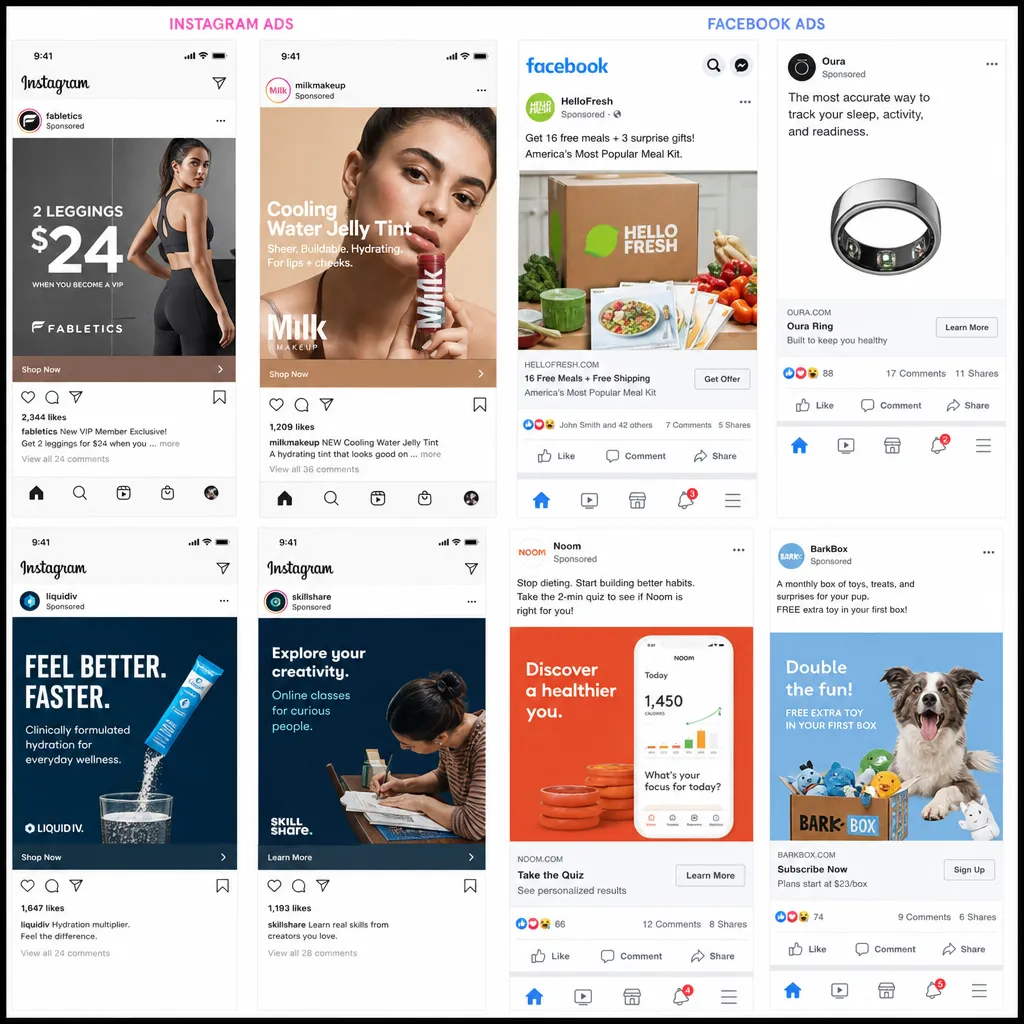
Facebook Ads vs Instagram Ads in 2026: Which One Deserves Your Budget
The real cost gap between Facebook ads and Instagram ads and which wins for ecommerce, leads, and B2B, and a starting budget split for your business type.

64% of Gen Z Uses TikTok Instead of Google—Here’s How to Make Sure They Find You
More Gen Z users are bypassing Google, turning to TikTok and Instagram for answers. Surveys show short-form video platforms are becoming Gen Z’s go-to search engines.
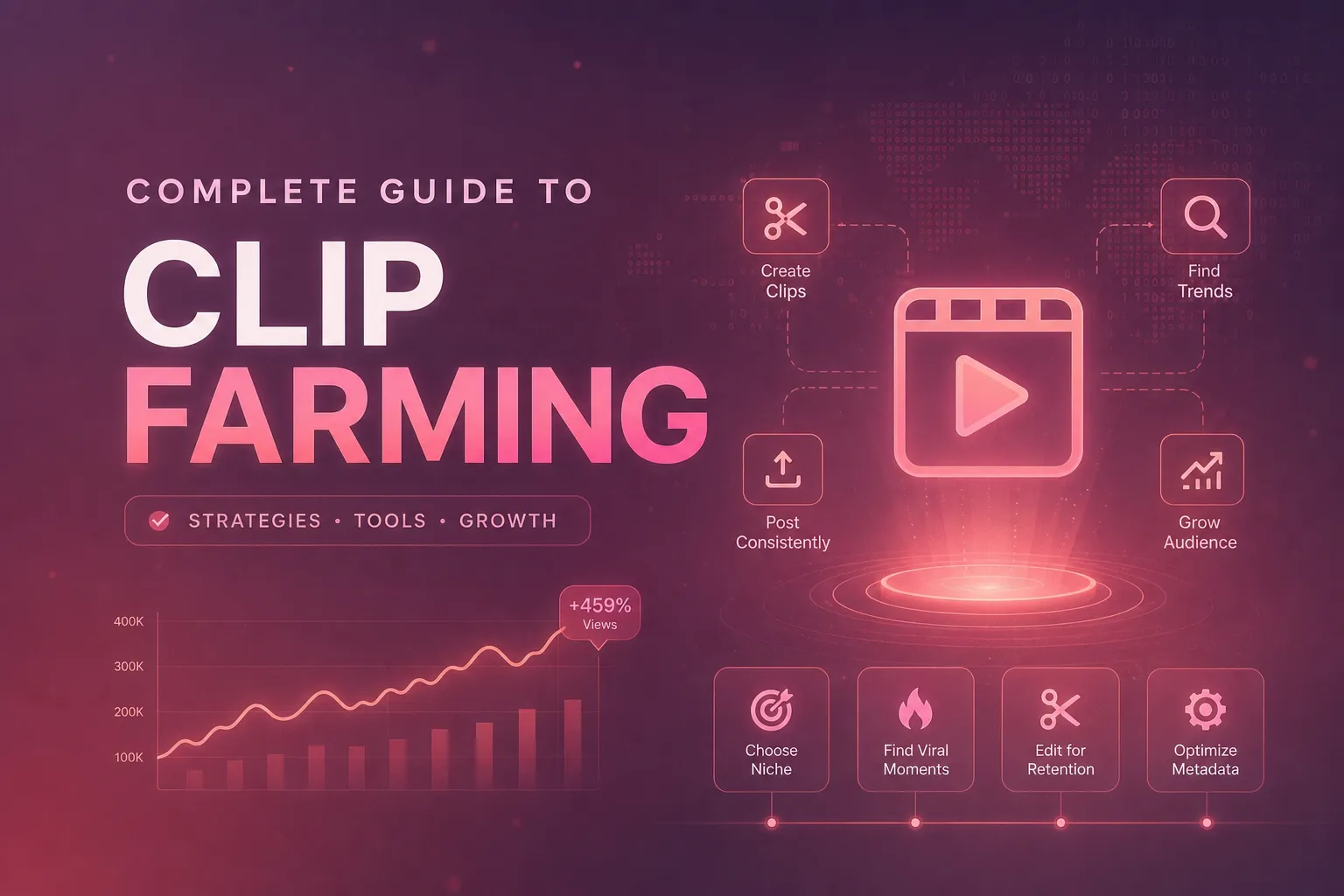
Ultimate Guide to Clip Farming in 2026 for Creators
Clip farming means three different things in 2026. Here's what each one is, how creators actually run it, what it pays, and what the platforms now penalize.
Put this into practice with Virlo
Turn what you just read into real research. These are the tools creators, agencies, and brands use to find what's working on short-form video.
Content Research Agent
Run your short-form research on autopilot — outliers, creators, and sounds across TikTok, Reels, and Shorts.
Tracking Center
Monitor breakout creators, videos, and competitors with daily snapshots and deep AI analysis.
Free Data
Explore free viral hooks, trending niches, breakout products, and more — no account required.
Get The Signal
Join creators, marketers, and agencies getting weekly trend breakdowns and social listening insights delivered free.
Subscribe to the Newsletter
Stop Guessing. Start Knowing.
Join thousands of digital entrepreneurs using data to take the guesswork out of capitalizing on trends.