VirloVirloVirlo
Get Data
Home
DevelopersPricing
Sign in with Google
Get Data
VirloVirloVirlo
Get Data
Home
DevelopersPricing
Sign in with Google
Get Data
Back to Blog
Product UpdatesJanuary 12, 2026

What Can You Sell on TikTok Shop (15 Products)

What Can You Sell on TikTok Shop? Discover 15 product ideas that actually move—plus quick tips to pick winners and avoid duds.

Nicolas Mauro

Nicolas Mauro

Last updated: February 19, 2026Expert Verified
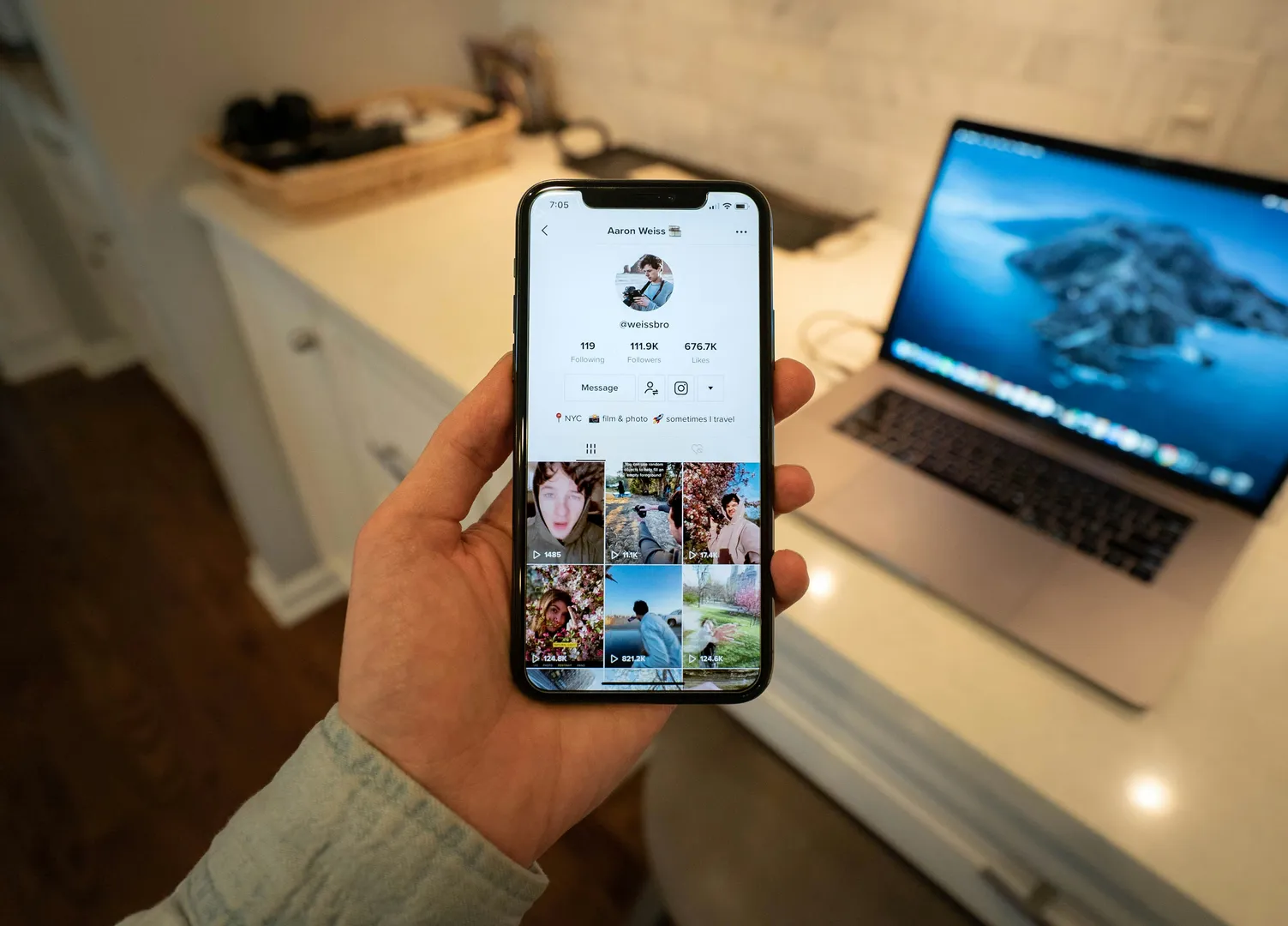
tiktok profile - What Can You Sell on TikTok Shop

You opened a seller account, watched a few viral clips, and now you ask: what can you sell on TikTok Shop to turn views into orders? Tiktok Shop Marketing reshapes how creators, influencers, and small brands use shoppable videos, live shopping, and product pages to move fashion, beauty, gadgets, home goods, and handmade finds into buyers' carts. 


This guide breaks down best-selling categories, pricing, listing tips, and content signals to help you analyse content and identify viral ideas for your store. To help with that, Virlo offers a virality analysis tool that shows which clips, products, and hashtags catch on so you can spot trends, test ideas, and plan shoppable videos that drive sales.

Summary

  • TikTok Shop uses a strike-based enforcement system that retains points for 180 days and can block listing after a dozen strikes, so minor compliance lapses, such as an unanswered message, can rapidly reduce privileges and visibility.  

  • Platform-specific documentation creates operational debt, especially now that TikTok Shop has seen a 150% increase in sellers, because removing listings for missing ingredient lists or certifications forces relisting and drops search rankings.  

  • Operational KPIs drive discovery, with explicit thresholds such as late dispatch under 4 percent, valid tracking at 95 percent or higher, and seller fault cancellations below 2.5 percent; missed SLAs quickly translate into throttled traffic and lost revenue.  

  • Fulfillment and payments are the single biggest risk during virality, with Capital One Shopping reporting 30 percent of sellers experienced shipping delays and 45 percent of users reporting payment issues, outcomes that fuel cancellations, disputes, and account penalties.  

  • Run lightweight product experiments to avoid waste, for example, a 90-day pilot or a test that lists 5 candidates, allocates 50 units total, and measures views-to-cart within the first 72 hours to find repeatable winners without overstocking.  

  • Make creative and tagging systematic; use 4 to 6 purposeful hashtags per post; test small ad budgets of $5 to $15 per day with a CTR target above 1.2 percent; and remember that roughly 90 percent of users say they discover new products on TikTok.  

  • This is where Virlo's virality analysis tool fits in; it surfaces which clips, products, and hashtags are catching on so teams can spot trends and prioritize tests.

Table of Content

  • Challenges of TikTok Shop

  • How to Set Up a TikTok Shop in 7 Steps

  • 7 Practical Tips for Running a TikTok Shop

  • What Can You Sell on TikTok Shop (15 Products)

  • Not sure what products actually sell on TikTok Shop—and don’t want to waste time testing the wrong ones?

Challenges of TikTok Shop

tiktok - What Can You Sell on TikTok Shop

TikTok Shop rewards viral content, not follower count, but the platform’s rules and operational demands create four clear, recurring failure points that trip up small sellers. Below, I’ve rephrased and expanded each challenge so you can see the practical risks, how they show up, and what breaks first.

1. Violation points and account strikes

Platforms typically use point systems to enforce rules, and TikTok’s is unforgiving: points accrue for misleading listings, prohibited items, late replies, and refunds. Think of it as a strike system, where a dozen strikes block listing ability for a week, and far more can mean permanent deactivation. 


It’s worse because points stick for 180 days, so one bad quarter can shadow your store for half a year. It’s exhausting when a single unanswered customer message or a poorly worded description cascades into fewer privileges and less visibility, and many teams underestimate how quickly routine slips add up.

2. Complex, platform-specific seller policies

The rules on TikTok Shop are not a copy of Amazon or Shopify; they’re a separate rulebook with unique requirements and category traps. Products that are legal elsewhere often require additional documentation here, from ingredient lists for beauty products to certifications for baby gear. 


The problem appears consistently across smaller DTC brands and marketplace sellers: a listing removed for incomplete paperwork not only costs immediate sales but forces rework, relisting, and a drop in search ranking. When you don’t treat TikTok’s policy set as a living checklist, compliance failures become operational debt.

3. Strict performance SLAs that bite visibility and revenue

TikTok evaluates shops based on operational KPIs, not intentions: keep late dispatches under 4 percent, maintain valid tracking at 95 percent or higher, and seller-fault cancellations below 2.5 percent. Miss those thresholds and enforcement rarely pauses at warnings; it shifts to reduced traffic, loss of promotional tools, and trapped revenue. 


The pattern is clear: teams that treat fulfillment as a secondary task see these KPIs decline during growth, and the enforcement response compounds the problem by throttling the very discovery that generates orders.


Most teams handle fulfillment and compliance with spreadsheets and ad-hoc checks because it feels low-friction. That works at first, but as orders multiply, the spreadsheets fracture: tracking numbers get misplaced, deadlines slip, and policy flags stack. Platforms like Virlo centralize order monitoring, automatically surface policy risks, and push corrective actions, enabling merchants to compress issue resolution from days to hours while keeping performance within SLA thresholds.

4. Fulfillment fragility and the volatility of viral demand

TikTok purchases are driven by impulse and trends, so volume can spike without warning. That makes fulfillment the single biggest operational risk: oversells, packing mistakes, and shipping backlogs are common when a product hits traction. Shipping itself is fragile on the platform; in 2025, Capital One Shopping found that 30% of sellers experienced delays shipping products through TikTok Shop, a reality that drives cancellations and penalties. 


Payment and checkout problems add another layer of friction for buyers. In 2025, Capital One Shopping reports that 45% of users experienced payment-processing issues on TikTok Shop, which led to refunds, disputes, and negative seller metrics. The combined effect is simple: unless your logistics and payments are bulletproof, a viral moment can trigger a cascade of customer complaints and policy violations.

Operational patterns and where sellers fail first

This failure mode appears in a predictable sequence: product or listing mistakes trigger initial flags, fulfillment stress causes SLA breaches, payment or shipping errors create customer disputes, and those disputes feed the violation points cycle. If you prioritize follower-building over process, you will hit scale problems before you have systems to resolve them. The emotional weight matters: sellers I’ve worked with describe a cycle of panic after a good organic day, because the upside of virality is suddenly paired with the risk of permanent account damage.

What to prioritize now

Treat compliance and fulfillment as primary product features. Audit listings for policy gaps, integrate SLA checks into your shipping workflow, and standardize customer response times so a live sale never outpaces your ability to service it. When you move these systems from reactive to routine, you turn viral spikes from emergencies into planned growth.


That solution sounds technical, but the next step in your setup either protects you from these hazards or leaves you exposed.

How to Set Up a TikTok Shop in 7 Steps

tiktok - What Can You Sell on TikTok Shop

You can set up a TikTok Shop by registering a seller account in Seller Center, choosing the correct business type, uploading the required verification documents, creating a polished shop profile, listing products with clear images and details, linking your TikTok account, tagging items in posts, and then activating the shop once everything matches exactly. Follow each step carefully because small mismatches or missing fields are the most common causes of delays and rework.

1. Create your seller account and select business type

Start in Seller Center, select your region and country, then sign in with an existing TikTok account or create a new one. During onboarding, you will choose between an individual seller profile or a business account for registered companies, and TikTok will guide you through the basic shop setup. If you register as a business, gather corporate documents first; individual sellers need a national ID, a phone number, and proof of a street address. Quick tip: check TikTok’s list of prohibited seller categories before you apply to avoid a simple, avoidable rejection.

2. Prepare and upload business registration documents

If you choose the business path, you must prove the company is legitimate. Have your official business license, the legal company name, business address, any representative documents, and region-specific items, such as a US EIN, ready. Upload these to Seller Center and verify that the document fields match your account information exactly to reduce delays. Pattern to watch for: verification delays commonly come from mismatches between the names on IDs and bank accounts, so align every field before you hit submit.

3. Build a shop profile that earns trust

Your shop profile is how customers decide whether to click. Choose a memorable shop name, use a clear logo, write a short, benefits-driven bio, and list a return address and contact method. Keep language concise and product-focused; shoppers skim fast. A complete profile increases recommendation eligibility, so complete all optional fields and add a policy page for returns and shipping.

4. Add product listings with buyer questions answered

Create each product listing as if you are answering the buyer’s first three questions: what it is, why it matters, and how much it will cost. Include precise titles, SKU or stock levels, price, weight, and shipping rules, and clear images showing the product at scale, plus short demo videos when possible. Use brief bullet points in descriptions to capture scroll-happy buyers, and upload lifestyle photos and close-ups so viewers can see fit, texture, and use.

5. Link your TikTok account and external stores

From Seller Center, connect the TikTok account you will use for marketing by scanning the QR code inside the app to authorize the link. If you run a Shopify store, sync your catalog so inventory and price updates flow both ways, keeping listings consistent across channels. When you authorize connections, make sure the account handles and bank details match your Seller Center entries to prevent verification friction.

6. Tag items in video posts for direct checkout

After your products are live, tag them in in-feed videos using Add Link so viewers can move from discovery to checkout without extra steps. Tagging works best when the item appears visually within the first few seconds of the clip, and when your caption and pinned comments repeat the call to action. Keep in mind that TikTok’s discovery-first nature means product-first creative conversions; with 90% of TikTok users reporting they discover new products on the platform, a clean tag path matters.

7. Verify, review all fields, then activate your shop

Before you switch the shop to active, audit every field: account name, bank account owner, legal business name, contact phone, and uploaded documents must match exactly. Test checkout, confirm shipping policies, and view the storefront on mobile to catch layout issues. Once you go live, monitor the dashboard for any flags and be prepared to update listings quickly.

A short status quo check

Most teams set this up manually because it seems simple and requires no new tools, but that approach leads to repeated document errors and slower resolution cycles as volumes grow. The hidden cost is time lost to back-and-forth verification; platforms like Virlo centralize verification checks and automatically surface mismatches, helping teams reduce administrative friction from days to hours while preserving full audit trails.

A few practical quicks that save time

  • Use a single authoritative name across IDs, bank accounts, and Seller Center to avoid verification rejection.  

  • Keep product copy in short bullet points and include measurements or specifications to reduce returns.  

  • Save templates for image sizes and shipping rules so new SKUs get added without rework.  

  • When connecting third-party stores, test a single SKU flow from listing to checkout before syncing the full catalog to catch mapping errors.


TikTok’s seller base is growing fast, so plan to scale your catalog and processes now rather than later. TikTok Shop has seen a 150% increase in sellers, so early operational hygiene is essential to staying competitive.


That seemed like the final step, but it actually opens the door to a different challenge that most sellers miss.

Related Reading

• How Does Tiktok Help Small Businesses
• Tiktok Shop vs Instagram Shop
• How to Promote Products on Tiktok
• Tiktok Shop Marketing
• Tiktok Social Commerce
• Is Tiktok Shop Worth It

7 Practical Tips for Running a TikTok Shop

Treat your TikTok Shop like a tight experiment: pick a small set of visually magnetic SKUs, make quick, human-first videos that show real use, and hard-wire simple ops so a viral day does not turn into a crisis. Below are seven actionable tactics, reworded and expanded with practical steps I use to test, measure, and scale without burning cash or reputation.

1. Choose products that catch the eye and move fast

Why this matters: visual novelty wins attention, but not every novelty sells.  

When we ran a 90-day pilot across three product lines, the winners consistently shared two traits: they solved a friction people felt immediately, and they demonstrated scale in 3 seconds on camera. Use a lightweight product-validation loop: 1) list 5 candidates, 2) build one short demo clip for each, 3) allocate 50 units total and split them across ads and organic posts, 4) measure views-to-cart in the first 72 hours. Treat inventory like a pressure valve: release too much, and you flood cash; hold too little, and you choke momentum.

2. Make authenticity your creative brief

What converts is not polish, it is relatability.  

Film demos that feel real: quick fails, real customers using the product at home, or a short problem-solution moment that ends in a visible payoff. Create a 15-second template you can reuse, with a 3-second opening hook, a 7-second demonstration, and a 5-second call to action. Batch scripts for a week, then rotate sounds and captions within that template to preserve freshness without remaking the wheel. When we swapped one scripted demo for a messy, honest unboxing in pajamas, watch time and saves rose by a measurable margin within one campaign week.

3. Use hashtags with purpose, not as decoration

How to mix tags so you hit the right people without looking spammy.  

Choose 4 to 6 tags per post: one high-volume discovery tag, two niche community tags, one brand or campaign tag, and an optional geographic tag if you ship regionally. Track each tag’s performance over two weeks and retire ones that underperform by 30 percent or more in CPM or engagement. That keeps your signal clean and your reach targeted.

4. Convert comments into transactions

Turn conversations into orders by design.  

Pin answers to the top of comment threads for FAQs like sizing, shipping, and bundles, and save three short reply templates you can customize fast. Run a daily 15-minute “comment harvest” where you reply, pin, and mark a comment as needing follow-up. For higher-volume shops, route customer questions to a shared inbox with tags for product, shipping, and returns so nothing slips through the cracks. This simple discipline reduces repeat questions and increases conversion from conversational shoppers.


Most teams handle content discovery and creative decisions through guesswork because it feels quick and free. That works until a handful of campaigns demand consistent, repeatable hooks, and you waste ad spend chasing one-off ideas. Platforms like Virlo centralize trend signals and surface which hooks, formats, and sounds are actually driving clicks and purchases, reducing creative churn and compressing the test cycle from weeks to days.

5. Run ads like experiments, not billboards

Start small, iterate fast, then scale winners.  

Promote your best organic clip with a minimal budget, $5 to $15 per day, and treat that spend as an A/B test on thumbnails and captions. Aim for a click-through rate above 1.2 percent as your first pass; if you miss it after two creative iterations, kill the ad and try a different hook. When scaling, widen reach by geography first, then by interest segments, to avoid overspending on irrelevant clicks.

6. Professionalize your email, without complexity

Make customer communication a single source of truth.  

Set up a domain email and unlimited aliases so support, returns, and wholesale requests are separate but centralized. Route incoming messages to a single dashboard, use canned responses for common requests, and customize only where necessary. When we moved from multiple personal inboxes to a domain-based system, response times dropped from hours to under 30 minutes during peak times, and dispute-related returns fell measurably because customers felt heard quickly.


7. Prioritize a small set of analytics that tell you the truth

Focus on the metrics that drive decisions, not vanity metrics.  

Track conversion rate from view to cart, first-purchase cost, one-week retention, and the percentage of orders with valid tracking. Run weekly cohorts for customers acquired in the prior seven days to catch fulfillment or product problems early. If CTR is below 1 percent, fix the creative; if return rate rises above 8 percent, audit listing accuracy and sizing guides. Small, regular experiments on these metrics are how you turn a lucky viral day into repeatable revenue.


A human note on the grind: I know how exhausting it feels to chase a trend while your inbox and fulfillment systems implode, and that urgency pushes many sellers to make reactive decisions. This pattern appears across early-stage startups and established DTC brands. The familiar mistake is prioritizing follower growth over operational discipline, and the consequence is a brittle business that cannot keep a promise to buyers.  


That frustrating truth points to the next move, but the real snag most people miss is not a strategic issue; it is a single operational gap nobody talks about.


That simple gap is exactly where the next section will test everything you think you know.

Related Reading

• Tiktok Shop Return Policy
• Can I Sell Digital Products on Tiktok Shop
• Tiktok Shop Pros and Cons
• Why is My Tiktok Shop Not Showing
• How Much Does It Cost to Sell on Tiktok
• Tiktok Shop vs Amazon

What Can You Sell on TikTok Shop (15 Products)

tiktok page - What Can You Sell on TikTok Shop

You can sell all the categories below on TikTok Shop, but pick items that create short, replayable moments and keep returns low. Below, I list each product type, why it works in short-form commerce, how to present it on TikTok, and practical product suggestions you can test first.

1. Hair and body products

Why will glow-up formats sell this?

When we ran creator-led product trials for over a month, the pattern was clear: transformation clips and routine walkthroughs build trust faster than static images, because viewers watch for results and replicate the steps. Show before-and-after, close-up texture shots, and a single quick tip that viewers can copy. Use packaging that protects cosmetics in transit and include clear ingredient or care labels to reduce returns.


Product suggestions: printed recycled scrunchie, patterned headband, all-over-print bandana.

2. Stationery

Who is buying notebooks and stickers on TikTok?

Younger audiences view stationery as a symbol of identity, not just a tool. Position notebooks as mood pieces, film satisfying handwriting sequences, and show stickers being placed into a planner to sell the idea of a calmer, curated life. Focus on bundles that justify shipping and reduce per-unit cost.


Product suggestions: kiss-cut sticker sheets, hardcover bound notebook, spiral-bound journal.

3. Water bottles

How do you make a bottle feel like a fashion choice?

Turn hydration into a lifestyle prop. Film the bottle during a morning routine, at the gym, or on a commute so it becomes part of a repeatable scene viewers want to copy. Prioritize leakproof lids, BPA-free materials, and branded packing that survives drops.


Product suggestions: sports bottle in a CamelBak Eddy+ style, insulated stainless steel bottle, stainless steel bottle with a straw lid.

4. Tech accessories

What creative hooks sell phone and audio gear?

Make tech accessories feel personal. Unboxing that includes customization, or short clips showing a case surviving a drop or fitting into an aesthetic bag, quickly answers buyer doubts. Emphasize compatibility details in captions to reduce returns, and offer simple bundles such as a case plus a screen protector.


Product suggestions: Apple Watch strap, rugged iPhone tough case, gaming mouse pad, printed AirPods case, and laptop sleeve.

5. Trendy hoodies

Why are hoodies a repeat seller on TikTok?

Hoodies sell because they show instantly how a person wants to be seen: cozy, casual, or statement. Show movement, layering, and how the hoodie fits across body types. Offer clear size charts and a low-cost return label option to lower buyer hesitation.


Product suggestions: unisex premium hoodie, eco raglan hoodie, oversized unisex hoodie, heavy blend hoodie, premium eco hoodie.

6. Yoga mats

What makes a mat a shareable TikTok product?

Designs and textures sell mats. Film sequences of short flows, a mat roll-out reveal, or a mat fitting into a tote as visual proof of portability. Call out grip, thickness, and wash instructions up front to prevent dissatisfaction.


Product suggestions: a custom-printed yoga mat with a non-slip surface.

7. Supplements

How should you present consumables on short-form video?

Frame supplements as part of a daily ritual, not quick fixes. Use testimonial-style clips and transparent ingredient lists. Always include required disclaimers and keep packaging tamper-evident and clearly labeled to satisfy platform checks.


Product suggestions: powdered protein, daily immunity sachets, beauty supplement boxes.

8. Eco-friendly tote bags

Why do sustainable bags resonate on TikTok?

Totes sell as practical style statements. Show multiple uses in short sequences, from grocery hauls to airport carry-ons, so viewers consider repeated utility. Offer a neutral default color and one limited-print drop to test which designs resonate.


Product suggestions: standard eco tote, large canvas tote, organic denim tote.

9. Custom pillows

How do you make pillows feel worth buying impulsively?

Pillows are visual mood anchors for a room, so show a quick staging swap that changes a corner’s look. Offer cover-only SKUs to lower shipping weight and introduce inserts as an upsell.


Product suggestions: shaped novelty pillow, all-over-print premium pillow, printed pillowcase, basic printed pillow.

10. Pet supplies

What content formats convert pet owners fastest?

Playful, short clips of pets wearing gear or reacting to toys create instant emotional pull. Keep sizing and safety info prominent, and include return or exchange options for fit-sensitive items.


Product suggestions: collar-and-leash sets, printable pet bandanas, pet feeding bowls.

11. Puzzles

Why are puzzles suddenly shareable again?

Puzzles sell as tactile, screen-free projects that also photograph well. Show a time-lapse of assembly, or reveal a custom image at the end to make the payoff obvious. Offer different piece counts to hit both casual and committed buyers.


Product suggestions: custom jigsaw puzzle with multiple piece-count SKUs.

12. Home organization and storage

What hooks make organization tools addictive to watch?

Before-and-after transitions work because humans love order. Film one small area being fixed in 15 seconds, highlight modular features, and cross-sell complementary organizers to boost average order value.


Product suggestions: drawer organizers, cable management boxes, makeup organizers, foldable bins.

13. LED and aesthetic room decor

How do lighting products perform in short clips?

Lighting sells on mood. Create short room-mood transitions in which the lighting shifts the entire scene. Test color presets and demonstrate remote or app control in a single quick demo to demonstrate convenience.


Product suggestions: LED strip kits, sunset lamps, neon signs, and star projectors.

14. Digital accessories and printables

Why sell files instead of physical goods?

Digital downloads avoid shipping and have high margins. Show screen recordings of the product in use, such as a planner template being filled in, to demonstrate immediate value. Offer a small bundle with an easy refund policy for first-time buyers.


Product suggestions: printable planners, social media templates, study guides, and Notion templates.


Most teams run product discovery ad hoc because it feels low-risk, but that approach hides costs as trends shift, comments pile up, shipping questions multiply, and creative signals get lost in the noise. Platforms like Virlo surface trending hooks, automate comment routing, and flag listing mismatches, turning frantic manual checks into steady workflows that shorten time-to-action from days to hours while keeping an audit trail.

A quick operational note on margins and logistics

Choose SKUs that keep shipping light and minimize return friction, especially during tests. Pack small accessories in poly mailers, use plain protective inner packaging for apparel, and pre-calculate landed costs for heavier items. Think in pairs: a highly visual SKU paired with a low-cost add-on increases AOV without complicating fulfillment.

A simple creative rubric to test each SKU

Test each new product using three short clips: 1) a social proof clip, 2) a problem-solution demo, and 3) a lifestyle use case. Rotate music and trim hooks to the first three seconds. This keeps creativity cheap and gives a reliable signal about whether a product is worth scaling.

Context that changes the math

With over 1 billion monthly active users on TikTok, and users spending an average of 52 minutes per day on the app, you are playing for attention more than brand recognition at first, so pick products that win the scroll fast.


Think of a viral clip like a tiny elevator pitch, one that either leaves viewers wanting more or lets them scroll past. Nail the first three seconds, and the rest becomes execution.


That solution sounds complete until you realize the real selection problem is something else entirely.

Not sure what products actually sell on TikTok Shop—and don’t want to waste time testing the wrong ones?

After running multiple TikTok Shop pilots, I've seen teams select SKUs based on gut feel and then scramble when a trend pivots, wasting stock and momentum. Platforms like Virlo use AI-powered virality analysis to surface emerging product trends, content angles, sounds, and formats that are already driving engagement and sales, so you can choose what to sell with confidence and stop guessing, turning a viral moment into repeatable revenue.

Related Reading

• What Percentage Does Tiktok Shop Take
• How Does Tiktok Shop Work
• Tiktok Marketing Tools
• Tiktok Shop Seller Fees
• Tiktok Shop Requirements
• What Can You Sell on Tiktok Shop
• How to Add Products to Tiktok Shop

Track Custom Data in Minutes

  • Create your own custom data tracking based on your keywords
  • Automate the process of collecting valuable business insights
  • Leverage personal data to drive outcomes
Get Data
Back to Blog
Product UpdatesJan 12, 2026

What Can You Sell on TikTok Shop (15 Products)

What Can You Sell on TikTok Shop? Discover 15 product ideas that actually move—plus quick tips to pick winners and avoid duds.

Nicolas Mauro

Nicolas Mauro

Updated: Feb 19, 2026

tiktok profile - What Can You Sell on TikTok Shop

You opened a seller account, watched a few viral clips, and now you ask: what can you sell on TikTok Shop to turn views into orders? Tiktok Shop Marketing reshapes how creators, influencers, and small brands use shoppable videos, live shopping, and product pages to move fashion, beauty, gadgets, home goods, and handmade finds into buyers' carts. 


This guide breaks down best-selling categories, pricing, listing tips, and content signals to help you analyse content and identify viral ideas for your store. To help with that, Virlo offers a virality analysis tool that shows which clips, products, and hashtags catch on so you can spot trends, test ideas, and plan shoppable videos that drive sales.

Summary

  • TikTok Shop uses a strike-based enforcement system that retains points for 180 days and can block listing after a dozen strikes, so minor compliance lapses, such as an unanswered message, can rapidly reduce privileges and visibility.  

  • Platform-specific documentation creates operational debt, especially now that TikTok Shop has seen a 150% increase in sellers, because removing listings for missing ingredient lists or certifications forces relisting and drops search rankings.  

  • Operational KPIs drive discovery, with explicit thresholds such as late dispatch under 4 percent, valid tracking at 95 percent or higher, and seller fault cancellations below 2.5 percent; missed SLAs quickly translate into throttled traffic and lost revenue.  

  • Fulfillment and payments are the single biggest risk during virality, with Capital One Shopping reporting 30 percent of sellers experienced shipping delays and 45 percent of users reporting payment issues, outcomes that fuel cancellations, disputes, and account penalties.  

  • Run lightweight product experiments to avoid waste, for example, a 90-day pilot or a test that lists 5 candidates, allocates 50 units total, and measures views-to-cart within the first 72 hours to find repeatable winners without overstocking.  

  • Make creative and tagging systematic; use 4 to 6 purposeful hashtags per post; test small ad budgets of $5 to $15 per day with a CTR target above 1.2 percent; and remember that roughly 90 percent of users say they discover new products on TikTok.  

  • This is where Virlo's virality analysis tool fits in; it surfaces which clips, products, and hashtags are catching on so teams can spot trends and prioritize tests.

Table of Content

  • Challenges of TikTok Shop

  • How to Set Up a TikTok Shop in 7 Steps

  • 7 Practical Tips for Running a TikTok Shop

  • What Can You Sell on TikTok Shop (15 Products)

  • Not sure what products actually sell on TikTok Shop—and don’t want to waste time testing the wrong ones?

Challenges of TikTok Shop

tiktok - What Can You Sell on TikTok Shop

TikTok Shop rewards viral content, not follower count, but the platform’s rules and operational demands create four clear, recurring failure points that trip up small sellers. Below, I’ve rephrased and expanded each challenge so you can see the practical risks, how they show up, and what breaks first.

1. Violation points and account strikes

Platforms typically use point systems to enforce rules, and TikTok’s is unforgiving: points accrue for misleading listings, prohibited items, late replies, and refunds. Think of it as a strike system, where a dozen strikes block listing ability for a week, and far more can mean permanent deactivation. 


It’s worse because points stick for 180 days, so one bad quarter can shadow your store for half a year. It’s exhausting when a single unanswered customer message or a poorly worded description cascades into fewer privileges and less visibility, and many teams underestimate how quickly routine slips add up.

2. Complex, platform-specific seller policies

The rules on TikTok Shop are not a copy of Amazon or Shopify; they’re a separate rulebook with unique requirements and category traps. Products that are legal elsewhere often require additional documentation here, from ingredient lists for beauty products to certifications for baby gear. 


The problem appears consistently across smaller DTC brands and marketplace sellers: a listing removed for incomplete paperwork not only costs immediate sales but forces rework, relisting, and a drop in search ranking. When you don’t treat TikTok’s policy set as a living checklist, compliance failures become operational debt.

3. Strict performance SLAs that bite visibility and revenue

TikTok evaluates shops based on operational KPIs, not intentions: keep late dispatches under 4 percent, maintain valid tracking at 95 percent or higher, and seller-fault cancellations below 2.5 percent. Miss those thresholds and enforcement rarely pauses at warnings; it shifts to reduced traffic, loss of promotional tools, and trapped revenue. 


The pattern is clear: teams that treat fulfillment as a secondary task see these KPIs decline during growth, and the enforcement response compounds the problem by throttling the very discovery that generates orders.


Most teams handle fulfillment and compliance with spreadsheets and ad-hoc checks because it feels low-friction. That works at first, but as orders multiply, the spreadsheets fracture: tracking numbers get misplaced, deadlines slip, and policy flags stack. Platforms like Virlo centralize order monitoring, automatically surface policy risks, and push corrective actions, enabling merchants to compress issue resolution from days to hours while keeping performance within SLA thresholds.

4. Fulfillment fragility and the volatility of viral demand

TikTok purchases are driven by impulse and trends, so volume can spike without warning. That makes fulfillment the single biggest operational risk: oversells, packing mistakes, and shipping backlogs are common when a product hits traction. Shipping itself is fragile on the platform; in 2025, Capital One Shopping found that 30% of sellers experienced delays shipping products through TikTok Shop, a reality that drives cancellations and penalties. 


Payment and checkout problems add another layer of friction for buyers. In 2025, Capital One Shopping reports that 45% of users experienced payment-processing issues on TikTok Shop, which led to refunds, disputes, and negative seller metrics. The combined effect is simple: unless your logistics and payments are bulletproof, a viral moment can trigger a cascade of customer complaints and policy violations.

Operational patterns and where sellers fail first

This failure mode appears in a predictable sequence: product or listing mistakes trigger initial flags, fulfillment stress causes SLA breaches, payment or shipping errors create customer disputes, and those disputes feed the violation points cycle. If you prioritize follower-building over process, you will hit scale problems before you have systems to resolve them. The emotional weight matters: sellers I’ve worked with describe a cycle of panic after a good organic day, because the upside of virality is suddenly paired with the risk of permanent account damage.

What to prioritize now

Treat compliance and fulfillment as primary product features. Audit listings for policy gaps, integrate SLA checks into your shipping workflow, and standardize customer response times so a live sale never outpaces your ability to service it. When you move these systems from reactive to routine, you turn viral spikes from emergencies into planned growth.


That solution sounds technical, but the next step in your setup either protects you from these hazards or leaves you exposed.

How to Set Up a TikTok Shop in 7 Steps

tiktok - What Can You Sell on TikTok Shop

You can set up a TikTok Shop by registering a seller account in Seller Center, choosing the correct business type, uploading the required verification documents, creating a polished shop profile, listing products with clear images and details, linking your TikTok account, tagging items in posts, and then activating the shop once everything matches exactly. Follow each step carefully because small mismatches or missing fields are the most common causes of delays and rework.

1. Create your seller account and select business type

Start in Seller Center, select your region and country, then sign in with an existing TikTok account or create a new one. During onboarding, you will choose between an individual seller profile or a business account for registered companies, and TikTok will guide you through the basic shop setup. If you register as a business, gather corporate documents first; individual sellers need a national ID, a phone number, and proof of a street address. Quick tip: check TikTok’s list of prohibited seller categories before you apply to avoid a simple, avoidable rejection.

2. Prepare and upload business registration documents

If you choose the business path, you must prove the company is legitimate. Have your official business license, the legal company name, business address, any representative documents, and region-specific items, such as a US EIN, ready. Upload these to Seller Center and verify that the document fields match your account information exactly to reduce delays. Pattern to watch for: verification delays commonly come from mismatches between the names on IDs and bank accounts, so align every field before you hit submit.

3. Build a shop profile that earns trust

Your shop profile is how customers decide whether to click. Choose a memorable shop name, use a clear logo, write a short, benefits-driven bio, and list a return address and contact method. Keep language concise and product-focused; shoppers skim fast. A complete profile increases recommendation eligibility, so complete all optional fields and add a policy page for returns and shipping.

4. Add product listings with buyer questions answered

Create each product listing as if you are answering the buyer’s first three questions: what it is, why it matters, and how much it will cost. Include precise titles, SKU or stock levels, price, weight, and shipping rules, and clear images showing the product at scale, plus short demo videos when possible. Use brief bullet points in descriptions to capture scroll-happy buyers, and upload lifestyle photos and close-ups so viewers can see fit, texture, and use.

5. Link your TikTok account and external stores

From Seller Center, connect the TikTok account you will use for marketing by scanning the QR code inside the app to authorize the link. If you run a Shopify store, sync your catalog so inventory and price updates flow both ways, keeping listings consistent across channels. When you authorize connections, make sure the account handles and bank details match your Seller Center entries to prevent verification friction.

6. Tag items in video posts for direct checkout

After your products are live, tag them in in-feed videos using Add Link so viewers can move from discovery to checkout without extra steps. Tagging works best when the item appears visually within the first few seconds of the clip, and when your caption and pinned comments repeat the call to action. Keep in mind that TikTok’s discovery-first nature means product-first creative conversions; with 90% of TikTok users reporting they discover new products on the platform, a clean tag path matters.

7. Verify, review all fields, then activate your shop

Before you switch the shop to active, audit every field: account name, bank account owner, legal business name, contact phone, and uploaded documents must match exactly. Test checkout, confirm shipping policies, and view the storefront on mobile to catch layout issues. Once you go live, monitor the dashboard for any flags and be prepared to update listings quickly.

A short status quo check

Most teams set this up manually because it seems simple and requires no new tools, but that approach leads to repeated document errors and slower resolution cycles as volumes grow. The hidden cost is time lost to back-and-forth verification; platforms like Virlo centralize verification checks and automatically surface mismatches, helping teams reduce administrative friction from days to hours while preserving full audit trails.

A few practical quicks that save time

  • Use a single authoritative name across IDs, bank accounts, and Seller Center to avoid verification rejection.  

  • Keep product copy in short bullet points and include measurements or specifications to reduce returns.  

  • Save templates for image sizes and shipping rules so new SKUs get added without rework.  

  • When connecting third-party stores, test a single SKU flow from listing to checkout before syncing the full catalog to catch mapping errors.


TikTok’s seller base is growing fast, so plan to scale your catalog and processes now rather than later. TikTok Shop has seen a 150% increase in sellers, so early operational hygiene is essential to staying competitive.


That seemed like the final step, but it actually opens the door to a different challenge that most sellers miss.

Related Reading

• How Does Tiktok Help Small Businesses
• Tiktok Shop vs Instagram Shop
• How to Promote Products on Tiktok
• Tiktok Shop Marketing
• Tiktok Social Commerce
• Is Tiktok Shop Worth It

7 Practical Tips for Running a TikTok Shop

Treat your TikTok Shop like a tight experiment: pick a small set of visually magnetic SKUs, make quick, human-first videos that show real use, and hard-wire simple ops so a viral day does not turn into a crisis. Below are seven actionable tactics, reworded and expanded with practical steps I use to test, measure, and scale without burning cash or reputation.

1. Choose products that catch the eye and move fast

Why this matters: visual novelty wins attention, but not every novelty sells.  

When we ran a 90-day pilot across three product lines, the winners consistently shared two traits: they solved a friction people felt immediately, and they demonstrated scale in 3 seconds on camera. Use a lightweight product-validation loop: 1) list 5 candidates, 2) build one short demo clip for each, 3) allocate 50 units total and split them across ads and organic posts, 4) measure views-to-cart in the first 72 hours. Treat inventory like a pressure valve: release too much, and you flood cash; hold too little, and you choke momentum.

2. Make authenticity your creative brief

What converts is not polish, it is relatability.  

Film demos that feel real: quick fails, real customers using the product at home, or a short problem-solution moment that ends in a visible payoff. Create a 15-second template you can reuse, with a 3-second opening hook, a 7-second demonstration, and a 5-second call to action. Batch scripts for a week, then rotate sounds and captions within that template to preserve freshness without remaking the wheel. When we swapped one scripted demo for a messy, honest unboxing in pajamas, watch time and saves rose by a measurable margin within one campaign week.

3. Use hashtags with purpose, not as decoration

How to mix tags so you hit the right people without looking spammy.  

Choose 4 to 6 tags per post: one high-volume discovery tag, two niche community tags, one brand or campaign tag, and an optional geographic tag if you ship regionally. Track each tag’s performance over two weeks and retire ones that underperform by 30 percent or more in CPM or engagement. That keeps your signal clean and your reach targeted.

4. Convert comments into transactions

Turn conversations into orders by design.  

Pin answers to the top of comment threads for FAQs like sizing, shipping, and bundles, and save three short reply templates you can customize fast. Run a daily 15-minute “comment harvest” where you reply, pin, and mark a comment as needing follow-up. For higher-volume shops, route customer questions to a shared inbox with tags for product, shipping, and returns so nothing slips through the cracks. This simple discipline reduces repeat questions and increases conversion from conversational shoppers.


Most teams handle content discovery and creative decisions through guesswork because it feels quick and free. That works until a handful of campaigns demand consistent, repeatable hooks, and you waste ad spend chasing one-off ideas. Platforms like Virlo centralize trend signals and surface which hooks, formats, and sounds are actually driving clicks and purchases, reducing creative churn and compressing the test cycle from weeks to days.

5. Run ads like experiments, not billboards

Start small, iterate fast, then scale winners.  

Promote your best organic clip with a minimal budget, $5 to $15 per day, and treat that spend as an A/B test on thumbnails and captions. Aim for a click-through rate above 1.2 percent as your first pass; if you miss it after two creative iterations, kill the ad and try a different hook. When scaling, widen reach by geography first, then by interest segments, to avoid overspending on irrelevant clicks.

6. Professionalize your email, without complexity

Make customer communication a single source of truth.  

Set up a domain email and unlimited aliases so support, returns, and wholesale requests are separate but centralized. Route incoming messages to a single dashboard, use canned responses for common requests, and customize only where necessary. When we moved from multiple personal inboxes to a domain-based system, response times dropped from hours to under 30 minutes during peak times, and dispute-related returns fell measurably because customers felt heard quickly.


7. Prioritize a small set of analytics that tell you the truth

Focus on the metrics that drive decisions, not vanity metrics.  

Track conversion rate from view to cart, first-purchase cost, one-week retention, and the percentage of orders with valid tracking. Run weekly cohorts for customers acquired in the prior seven days to catch fulfillment or product problems early. If CTR is below 1 percent, fix the creative; if return rate rises above 8 percent, audit listing accuracy and sizing guides. Small, regular experiments on these metrics are how you turn a lucky viral day into repeatable revenue.


A human note on the grind: I know how exhausting it feels to chase a trend while your inbox and fulfillment systems implode, and that urgency pushes many sellers to make reactive decisions. This pattern appears across early-stage startups and established DTC brands. The familiar mistake is prioritizing follower growth over operational discipline, and the consequence is a brittle business that cannot keep a promise to buyers.  


That frustrating truth points to the next move, but the real snag most people miss is not a strategic issue; it is a single operational gap nobody talks about.


That simple gap is exactly where the next section will test everything you think you know.

Related Reading

• Tiktok Shop Return Policy
• Can I Sell Digital Products on Tiktok Shop
• Tiktok Shop Pros and Cons
• Why is My Tiktok Shop Not Showing
• How Much Does It Cost to Sell on Tiktok
• Tiktok Shop vs Amazon

What Can You Sell on TikTok Shop (15 Products)

tiktok page - What Can You Sell on TikTok Shop

You can sell all the categories below on TikTok Shop, but pick items that create short, replayable moments and keep returns low. Below, I list each product type, why it works in short-form commerce, how to present it on TikTok, and practical product suggestions you can test first.

1. Hair and body products

Why will glow-up formats sell this?

When we ran creator-led product trials for over a month, the pattern was clear: transformation clips and routine walkthroughs build trust faster than static images, because viewers watch for results and replicate the steps. Show before-and-after, close-up texture shots, and a single quick tip that viewers can copy. Use packaging that protects cosmetics in transit and include clear ingredient or care labels to reduce returns.


Product suggestions: printed recycled scrunchie, patterned headband, all-over-print bandana.

2. Stationery

Who is buying notebooks and stickers on TikTok?

Younger audiences view stationery as a symbol of identity, not just a tool. Position notebooks as mood pieces, film satisfying handwriting sequences, and show stickers being placed into a planner to sell the idea of a calmer, curated life. Focus on bundles that justify shipping and reduce per-unit cost.


Product suggestions: kiss-cut sticker sheets, hardcover bound notebook, spiral-bound journal.

3. Water bottles

How do you make a bottle feel like a fashion choice?

Turn hydration into a lifestyle prop. Film the bottle during a morning routine, at the gym, or on a commute so it becomes part of a repeatable scene viewers want to copy. Prioritize leakproof lids, BPA-free materials, and branded packing that survives drops.


Product suggestions: sports bottle in a CamelBak Eddy+ style, insulated stainless steel bottle, stainless steel bottle with a straw lid.

4. Tech accessories

What creative hooks sell phone and audio gear?

Make tech accessories feel personal. Unboxing that includes customization, or short clips showing a case surviving a drop or fitting into an aesthetic bag, quickly answers buyer doubts. Emphasize compatibility details in captions to reduce returns, and offer simple bundles such as a case plus a screen protector.


Product suggestions: Apple Watch strap, rugged iPhone tough case, gaming mouse pad, printed AirPods case, and laptop sleeve.

5. Trendy hoodies

Why are hoodies a repeat seller on TikTok?

Hoodies sell because they show instantly how a person wants to be seen: cozy, casual, or statement. Show movement, layering, and how the hoodie fits across body types. Offer clear size charts and a low-cost return label option to lower buyer hesitation.


Product suggestions: unisex premium hoodie, eco raglan hoodie, oversized unisex hoodie, heavy blend hoodie, premium eco hoodie.

6. Yoga mats

What makes a mat a shareable TikTok product?

Designs and textures sell mats. Film sequences of short flows, a mat roll-out reveal, or a mat fitting into a tote as visual proof of portability. Call out grip, thickness, and wash instructions up front to prevent dissatisfaction.


Product suggestions: a custom-printed yoga mat with a non-slip surface.

7. Supplements

How should you present consumables on short-form video?

Frame supplements as part of a daily ritual, not quick fixes. Use testimonial-style clips and transparent ingredient lists. Always include required disclaimers and keep packaging tamper-evident and clearly labeled to satisfy platform checks.


Product suggestions: powdered protein, daily immunity sachets, beauty supplement boxes.

8. Eco-friendly tote bags

Why do sustainable bags resonate on TikTok?

Totes sell as practical style statements. Show multiple uses in short sequences, from grocery hauls to airport carry-ons, so viewers consider repeated utility. Offer a neutral default color and one limited-print drop to test which designs resonate.


Product suggestions: standard eco tote, large canvas tote, organic denim tote.

9. Custom pillows

How do you make pillows feel worth buying impulsively?

Pillows are visual mood anchors for a room, so show a quick staging swap that changes a corner’s look. Offer cover-only SKUs to lower shipping weight and introduce inserts as an upsell.


Product suggestions: shaped novelty pillow, all-over-print premium pillow, printed pillowcase, basic printed pillow.

10. Pet supplies

What content formats convert pet owners fastest?

Playful, short clips of pets wearing gear or reacting to toys create instant emotional pull. Keep sizing and safety info prominent, and include return or exchange options for fit-sensitive items.


Product suggestions: collar-and-leash sets, printable pet bandanas, pet feeding bowls.

11. Puzzles

Why are puzzles suddenly shareable again?

Puzzles sell as tactile, screen-free projects that also photograph well. Show a time-lapse of assembly, or reveal a custom image at the end to make the payoff obvious. Offer different piece counts to hit both casual and committed buyers.


Product suggestions: custom jigsaw puzzle with multiple piece-count SKUs.

12. Home organization and storage

What hooks make organization tools addictive to watch?

Before-and-after transitions work because humans love order. Film one small area being fixed in 15 seconds, highlight modular features, and cross-sell complementary organizers to boost average order value.


Product suggestions: drawer organizers, cable management boxes, makeup organizers, foldable bins.

13. LED and aesthetic room decor

How do lighting products perform in short clips?

Lighting sells on mood. Create short room-mood transitions in which the lighting shifts the entire scene. Test color presets and demonstrate remote or app control in a single quick demo to demonstrate convenience.


Product suggestions: LED strip kits, sunset lamps, neon signs, and star projectors.

14. Digital accessories and printables

Why sell files instead of physical goods?

Digital downloads avoid shipping and have high margins. Show screen recordings of the product in use, such as a planner template being filled in, to demonstrate immediate value. Offer a small bundle with an easy refund policy for first-time buyers.


Product suggestions: printable planners, social media templates, study guides, and Notion templates.


Most teams run product discovery ad hoc because it feels low-risk, but that approach hides costs as trends shift, comments pile up, shipping questions multiply, and creative signals get lost in the noise. Platforms like Virlo surface trending hooks, automate comment routing, and flag listing mismatches, turning frantic manual checks into steady workflows that shorten time-to-action from days to hours while keeping an audit trail.

A quick operational note on margins and logistics

Choose SKUs that keep shipping light and minimize return friction, especially during tests. Pack small accessories in poly mailers, use plain protective inner packaging for apparel, and pre-calculate landed costs for heavier items. Think in pairs: a highly visual SKU paired with a low-cost add-on increases AOV without complicating fulfillment.

A simple creative rubric to test each SKU

Test each new product using three short clips: 1) a social proof clip, 2) a problem-solution demo, and 3) a lifestyle use case. Rotate music and trim hooks to the first three seconds. This keeps creativity cheap and gives a reliable signal about whether a product is worth scaling.

Context that changes the math

With over 1 billion monthly active users on TikTok, and users spending an average of 52 minutes per day on the app, you are playing for attention more than brand recognition at first, so pick products that win the scroll fast.


Think of a viral clip like a tiny elevator pitch, one that either leaves viewers wanting more or lets them scroll past. Nail the first three seconds, and the rest becomes execution.


That solution sounds complete until you realize the real selection problem is something else entirely.

Not sure what products actually sell on TikTok Shop—and don’t want to waste time testing the wrong ones?

After running multiple TikTok Shop pilots, I've seen teams select SKUs based on gut feel and then scramble when a trend pivots, wasting stock and momentum. Platforms like Virlo use AI-powered virality analysis to surface emerging product trends, content angles, sounds, and formats that are already driving engagement and sales, so you can choose what to sell with confidence and stop guessing, turning a viral moment into repeatable revenue.

Related Reading

• What Percentage Does Tiktok Shop Take
• How Does Tiktok Shop Work
• Tiktok Marketing Tools
• Tiktok Shop Seller Fees
• Tiktok Shop Requirements
• What Can You Sell on Tiktok Shop
• How to Add Products to Tiktok Shop

Track Custom Data in Minutes

  • Create your own custom data tracking based on your keywords
  • Automate the process of collecting valuable business insights
  • Leverage personal data to drive outcomes
Get Data

Related Articles

What is a UGC Video + 15 UGC Examples for Your Brand

What is a UGC Video + 15 UGC Examples for Your Brand

What is a UGC Video? Explore 15 detailed examples and practical tactics to boost your brand’s trust and engagement. Virlo offers data-backed briefs.

CTA Background

Stop Guessing. Start Knowing.

Join thousands of digital entrepreneurs using data to take the guesswork out of capitalizing on trends.

Get Started

Footer

Virlo

Your trend spotting companion

Download on the App StoreFeatured on There's An AI For That
Support powered byAssistBot
SimilarLabs Embed Badge

Virlo

  • Home
  • Pricing
  • Developers
  • Affiliate
  • Manifesto
  • Blog
  • Grant Program
  • Contact

Solutions

  • Research
  • UGC Creators
  • E-commerce
  • TikTok Shop
  • Clipping
  • Social Media Managers

Key Features

  • Account Connect
  • TikTok Profile Analyzer
  • Niche Analyzer
  • Outliers
  • Smart Collections
  • YouTube Creator Research
  • Content Studio

Legal

  • Refund Policy
  • Terms of Service
  • Privacy Policy
  • Cookie Policy
  • Affiliate TOS

Resources

  • FAQ
  • Top 99 TikTok Videos
  • API
  • Sitemap
  • RSS Feed

Free Tools

  • UGC Business Plan Generator
  • Video Idea Generator
  • Hook Generator
  • Hashtag Generator
  • TikTok Username Checker
  • Caption Generator
  • Engagement Calculator
  • Earnings Estimator

Free AI Agents

  • Social Media OpenClaw Skill

Copyright © 2026 Red Lab, LLC. All Rights Reserved

YouTubeLinkedInXInstagramTikTokGitHub