What is a UGC Video + 15 UGC Examples for Your Brand
What is a UGC Video? Explore 15 detailed examples and practical tactics to boost your brand’s trust and engagement. Virlo offers data-backed briefs.

Virlo Team
Virlo Marketing Team

User-generated content powers viral success on platforms like TikTok, Instagram Reels, and YouTube Shorts. Authentic creator content builds social proof and sparks engagement, leaving many to ask, what is a UGC trend video? Diverse reviews, tutorials, and community clips illustrate the formats that resonate most with real audiences. Emerging trends in user-generated content reveal the subtle factors driving shareability and discussion.
Spotting these trends is key for creators and brands aiming to make meaningful connections with their audience. Data-driven insights not only enhance content planning but also simplify the journey to wider reach. Virlo's virality analysis tool provides robust metrics and trend detection that refine creative strategies and amplify impact.
Summary
UGC videos trade polish for authenticity, and over 85% of consumers report that UGC is more influential than brand photos or videos, which explains why creator clips drive trust in-feed and on product pages.
UGC drives action and attention, with UGC videos registering a 4x higher click-through rate than traditional ads, shortening the path from discovery to purchase.
Well-run UGC programs can produce dramatic engagement gains, for example, Starbucks reported a 150% increase in engagement from a UGC campaignn and GoPro saw a 35% rise in brand mentions.
Measurement and creative testing shift with UGC toward view-throughs, clicks, and social proof lift, aligned with data showing 70% of consumers trust online peer reviews and recommendations.
Scaling UGC favors micro creators and repeatable briefs. A common tactic is recruiting dozens of creators with 5k to 50k followers to lower the cost per usable clip while preserving authentic voice.
Operational breakdowns, not lack of content, are the top failure mode; teams using standardized one-sentence briefs, permission templates, and timed contests convert messy submissions into repeatable assets, and brands using UGC report a roughly 20% increase in ROI.
This is where Virlo's virality analysis tool fits in, helping teams surface trending hooks, audios, and formats and convert them into data-backed briefs to reduce guesswork and speed iteration.
What is a UGC Video
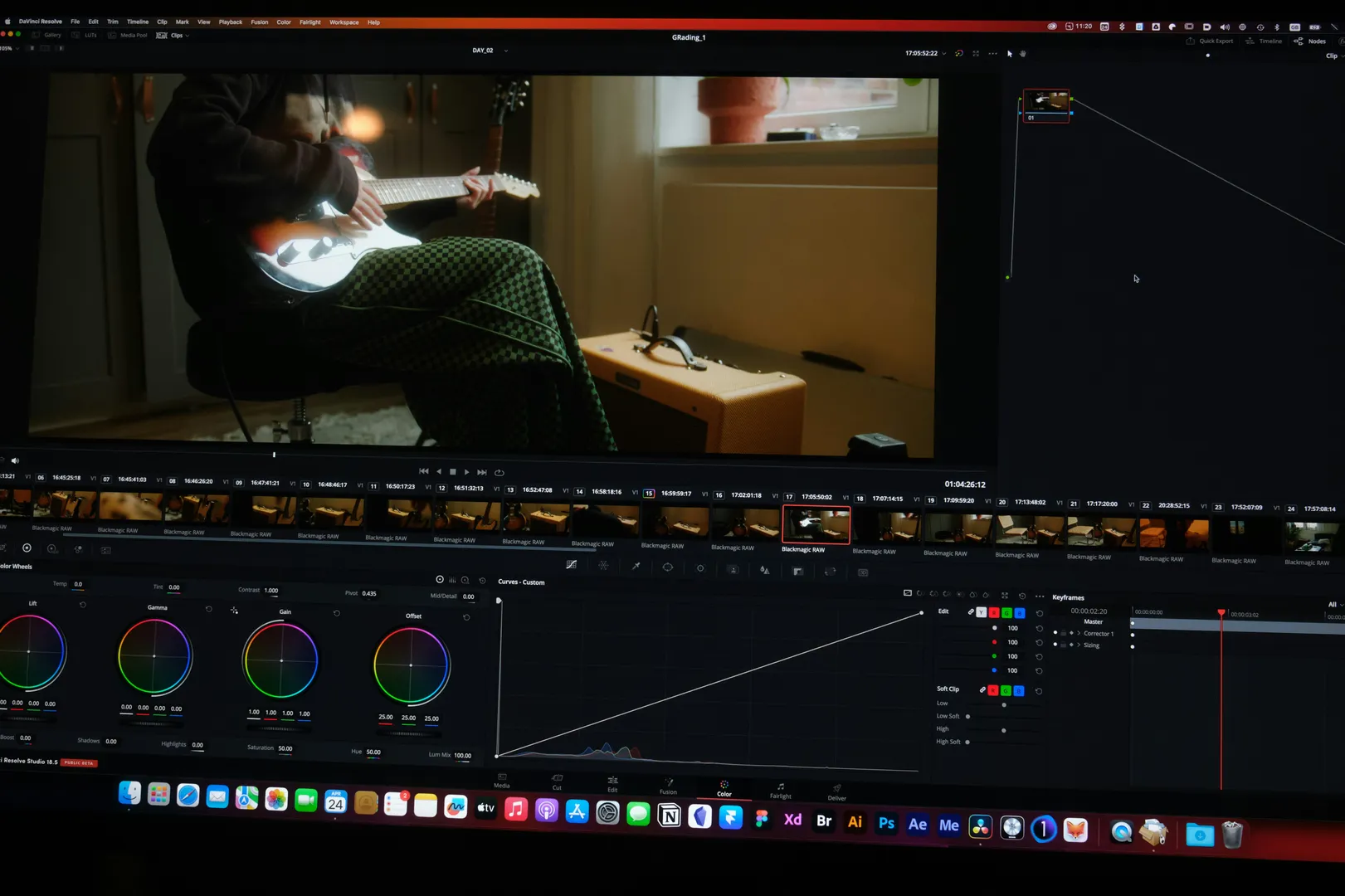
A UGC video is a short clip made by real customers, fans, or everyday users that shows how they interact with a product, service, or idea. It appears on social platforms, product pages, or in campaigns. These clips choose authenticity over polish, and that switch is what gives them strong influence in the feed and on the product page. To better understand this impact, our virality analysis tool can provide you with valuable insights.
1. What exactly counts as a UGC video?
A UGC video is any content recorded and shared by a non-brand creator that shows your product or experience. Examples include vertical TikTok product demos, Instagram Reels made by customers, unboxing clips posted to Stories, YouTube reviews by hobbyists, or short testimonial snippets on a product page. The creator could be a paying customer, a micro-influencer, or an enthusiastic fan; the key is that the content comes from the user, not the marketing team.
2. How is a UGC video different from a brand-produced ad?
The difference between a UGC video and a brand-produced ad lies in intention and polish. Brand videos are scripted, produced, and optimized to sell. In contrast, UGC videos are more candid, organic, and often improvised. As a result, the lighting, editing, and wording may vary; however, the message shares a lived experience rather than a sales pitch.
This distinction significantly impacts viewer reactions: people see UGC as demonstration and testimony, while brand ads are viewed as persuasion.
3. What common formats should I recognize?
Several common formats are worth recognizing. Formats include quick how-tos, unboxings, before-and-after sequences, candid reviews, styling reels, setup demos, and reaction clips.
Each format answers an important question for buyers: Does it work? How do I use it? How will it fit my life? Creators usually focus on simple framing, talking directly to the camera, and showing real moments, rather than using fancy setups.
4. Why do these videos resonate with people?
These videos connect with audiences because they seem more like a friend's suggestion than an advertisement. When someone shows the product in their kitchen, at their desk, or while traveling, viewers notice behavioral cues that fancy ads usually hide.
This sense of honesty helps build trust quickly, and that trust makes people less hesitant to buy. In simple terms, UGC videos act as social proof that is both seen and heard.
5. Where do brands place UGC videos, and what role do they play?
Brands use UGC in three main areas: discovery, consideration, and conversion. In the discovery phase, UGC grabs attention and makes things relatable. During the consideration stage, it gives demos and answers to questions from other users. At the conversion stage, UGC provides buyers with confidence on the product page and at checkout.
Since these clips are made to fit each channel's style, they blend in well with how users interact, rather than disrupting it.
6. What practical tradeoffs should teams expect?
You gain credibility but sacrifice uniform quality. This means you need clear permissions, light moderation, and simple rules so creators can make usable assets without losing their authenticity. Good rights management, easy release forms, and a quick curation process help avoid legal and brand-safety issues while preserving the creator’s voice. Additionally, utilizing a virality analysis tool can enhance your strategy by providing insights into what resonates with your audience.
7. How does this change measurement and creative testing?
UGC shifts the focus to engagement signals that drive conversions. This includes view-throughs, clicks, and social proof lift, rather than just counting impressions. It also shortens creative cycles, as small creator clips can be tested and improved more quickly than large shoots. This trend is clear in both the DTC and gaming sectors.
Teams that swap out one big quarterly shoot for many real creator clips see their creative insights build week by week, rather than waiting month by month.
8. What does the evidence say about impact?
Authenticity works well because it grabs attention and gets people to take action: over 85% of consumers find UGC videos more influential than brand photos or videos. This 2025 finding shows why audiences like stories told by their peers. When you need more clicks, the effect is very strong: UGC videos have a 4x higher click-through rate compared to traditional ads. This helps speed up the journey from discovering a product to buying it.
9. How do creators and brands keep the momentum going?
Start with small, clear campaigns that invite specific actions, like "show your routine" or "record the unboxing." Reward creators with visibility and simple incentives. Then, create a lightweight system to collect permissions, tag themes, and route high-performing clips into paid promotion so that authentic content can grow without losing what made it successful.
What common challenges do campaigns face?
When auditing campaigns over several weeks, a recurring failure emerges: it is not a lack of content, but rather the inability to channel messy, honest clips into a repeatable process. This process should preserve brand voice while also meeting legal and performance needs. Additionally, leveraging a virality analysis tool can greatly enhance your strategic approach.
What is the next part of the story?
That’s only half the story. The next part shows why some companies turn casual clips into momentum that really helps their business.
Examples of Businesses Using UGC Content Successfully

Brands in different fields are using user-generated content more and more to reach more people, show how their products fit, and create their brand image. Below are seven reworded examples that explain what each company is asking for, why it is effective, and what they gain from it.
There's also a brief note in the middle about how teams usually handle the workflow, as process issues often slow down many programs. For organizations looking to enhance their strategies, leveraging a virality analysis tool can provide insights into content performance and audience engagement.
1. Calvin Klein — Humanizing an aspirational label
Calvin Klein is effectively humanizing an aspirational label. The brand has created a long-lasting social movement that values everyday intimacy more than formal style. It encourages customers to share photos of themselves wearing CK and showcases notable posts on a campaign landing page and in its social bios. This method makes the clothes feel lived-in without losing their luxury appeal.
This balance, mixing celebrity endorsements with ordinary-person testimonials, broadens its reach to audiences who might otherwise overlook a high-end brand. Additionally, it keeps the campaign culturally fresh by rotating new creators into prominent placements.
2. Pottery Barn — Letting shoppers borrow other people’s style
Pottery Barn is letting shoppers borrow other people's style. The company encourages customers to tag and hashtag their interior shots. They then use these images on product pages and Instagram, effectively turning the site into a visual catalog of real installations.
This approach removes guesswork for buyers, allowing them to see scale, fabric, and placement in actual homes rather than in staged showrooms. As a result, this tactic converts inspiration into confidence, shortening the path from browsing to checkout for shoppers who need to visualize pieces in their own space.
3. Aerie — Turning UGC into a message that matters
Specific experience: Mission-driven UGC can become identity work, not just content, and Aerie shows how. They focus submissions on body positivity and lift up community voices, tying their branding to real values rather than just product details.
The emotional benefit is greater engagement; when customers feel represented, they create content that is both genuine and loyal. This content, in turn, helps to attract others who want to be part of the community, not just make a purchase.
4. Allbirds — Creating a community where stores are limited
Allbirds faced a problem because there weren't many retail locations where people could try on shoes in person. To solve this, they used community posts to offer social proof on a large scale. Fans share notes about how the shoes fit, casual outfit photos, and tests of how the shoes wear.
This acts like a remote fitting room, helping solve a key issue when buying shoes sold mainly online. This method builds trust through testimonials, helping make up for the fact that customers can't touch and try the products before they buy.
What challenges do teams face in managing UGC?
Most teams handle UGC by collecting submissions through email, spreadsheets, and ad hoc folders. While this approach seems quick at first, as the amount increases, it creates fragmented rights, slows down approvals, and buries high-performing clips in noise. The hidden costs are clear: review cycles take longer, legal permissions get lost, and progress stops.
Platforms like Virlo centralize asset intake with automated tagging, permission management, and routing rules. This system reduces review time and keeps valuable creator clips available for reuse without manual searching.
5. Tourism Australia — Making a CTA part of the tag
Tourism Australia effectively uses a call to action (CTA) in its branding through a simple, action-oriented hashtag that encourages people to contribute. This strategy highlights the best travel videos from across social media and the website, while also supporting creators and attracting new visitors.
This method works well because travelers often share their experiences, allowing the brand to capture these spontaneous moments as promotional proof. The results are clear in measurable lead growth for the tourism board, with the content offering both inspiration and direct referrals.
6. Ipsy — Showcasing user talent as product inspiration
Ipsy showcases user talent as product inspiration. The platform uses pattern recognition to curate high-skill posts from both makeup artists and hobbyists. Ipsy credits the creators and amplifies tutorials and looks that potential subscribers can replicate.
This approach achieves two objectives: it turns customers into teachers and gives undecided buyers clear ideas of how they could use the products. The emotional effect is both aspirational and accessible; viewers see someone relatable creating beautiful work, which helps bridge the gap between interest and purchase.
7. GoPro — Using spectacular user moments to prove capability
GoPro organizes exciting user clips into a continuous proof loop, showing amazing moments that prove capability. This confident way of presenting invites viewers to create and share their own content, which helps sell the camera while building community engagement.
The model works well because the product's value is shown in context, generating significant social buzz that serves as one of its best advertisements. GoPro's UGC campaign led to a 35% increase in brand mentions, underscoring why brands that focus on experiences invest heavily in curated customer footage.
What insights can we gather from these UGC examples?
Across these examples, one pattern repeats: well-run UGC programs trade short-term control for long-term credibility. That trade is why major campaigns can produce dramatic interaction gains; for example, Digital Marketing Institute and Starbucks saw a 150% increase in engagement with their UGC campaign. This shows that audience participation can multiply attention when the ask is simple and shareable.
What will the next section cover about UGC?
This section has shown what seven different brands ask for and why those requests work. The next part will look at the practical steps that turn scattered posts into repeatable, high-performing creatives. This is often where most teams unexpectedly struggle.
How to Get UGC Videos for Your Brand

Get users to make more UGC videos by making the task simple, showing clear examples they can copy, and rewarding the behavior so participation feels worthwhile.
Below, I will rework each practical tactic into a clear action with operational detail you can use right away.
1. Branded hashtag, actively promoted.
Treat a hashtag as a public campaign, not just a label. Put the tag everywhere people engage with your brand: pinned posts, packaging, checkout emails, receipts, and short on-site banners. Run a short sequence of prompts that tell people what to post, like "60-second routine" or "one surprise moment." Then, show the best clips in your Stories to model the format.
Think of a hashtag like a shelf in a busy market, as a key reminder that attracts attention only when you keep it stocked and consistently direct customers to it.
2. Ask for permission to repost
To ask for permission to repost content, be direct and clear in your request. When a customer tags you, reply with a message that shows appreciation, names the post, and asks if you can repost it. Make sure to clearly explain how you plan to use the content, and consider offering a small incentive, like a discount code.
Most creators want to be featured; they usually just need a polite reminder and an easy way to agree. Using a virality analysis tool can also help identify which content resonates with your audience.
3. Run time-bound contests with clear rules
Make contests with specific creative limits, like length, format, required tags, and one judging standard, such as “most helpful demo.” It's very important to use a legal checklist before starting to avoid any legal problems.
Contests focus effort and improve production quality. Creators put in more work when they see a reachable win and a clear judging guide.
4. Let customers upload videos in reviews
Adding a short video upload field to your product review flow can make it more engaging. Prompt reviewers with example hooks like “Show one way you use it” or “Show the unboxing.”
This field should be placed after the product experience, not at checkout. It's important to test the mobile-first user experience so that uploading is just one tap. Reviews that include videos can greatly reduce buyer uncertainty and increase conversions by answering the key buyer question: How will this fit into my life?
5. Repurpose customer clips across touchpoints
When sharing someone’s clip, label the outcome and credit the creator. Then, route that asset into a simple rotation for ads, emails, and product pages.
Reposting shows the audience that real people are getting noticed, which encourages others to share their content. Over time, this creates a cycle in which sharing leads to more content, and having more content makes sharing even better. This is why many brands treat reposting as a core growth tactic.
6. Use creator partnerships and affiliate incentives
Offer creators a clear affiliate split and a simple brief that asks for a short, demonstrative clip with an honest caption. Transparent commissions attract creators who will create repeatable, trackable content, rather than just one-time promotions. This method works well when you standardize the brief, payment terms, and reporting, helping creators understand what success means.
7. Gifting and seeding around launches
Gifting and seeding around launches need careful timing for PR packages. These packages should arrive before the announcement times and include a brief, creative message with suggested ideas and necessary tags. For launch times, a staggered strategy is best: early testers get special messages, while later creators receive a different prompt.
This helps make sure posts flow one after the other and do not overlap. Well-timed seeding catches real, timely footage when excitement is at its peak.
8. Scale micro-creator collaborations
While reaching a lot of people is attractive, working with micro creators boosts authenticity. Recruit many creators with 5k to 50k followers, and give each a clear brief. By keeping track of which styles and ideas work best, you can reuse the successful ones.
This approach preserves the real voice and delivers reliable creative results. It also lowers the cost for each useful clip and keeps the pipelines full.
9. Provide clear video formats and templates using trend data
Creators often hesitate because they do not know which format or audio will work. This uncertainty is common among small brands and new creators; doubts about style, sound, and reach can stop posts before they start.
Most teams address this issue by giving vague directions, which is not effective. The common advice to creators to 'be creative' may work at first, but it does not help when consistency is needed on a larger scale.
This hidden cost shows up as low submission rates and unusable clips. Platforms like Virlo help to reduce that friction by showing the specific short-form structures, hooks, and audios that are trending. By producing data-backed content briefs that creators can easily use, Virlo increases submission rates and reduces iteration time.
Why is structured guidance necessary?
When testing structured briefs during a rollout, creators produced more on-brand clips with less back-and-forth. This study showed that people are more likely to create when they are not uncertain and have a reliable template to follow. Utilizing a virality analysis tool can enhance these processes by providing insights into what works best.
How does UGC impact ROI?
Why this matters for ROI: Use UGC to answer questions and keep attention, because the benefits are clear. According to inBeat Agency, brands that use UGC videos see a 20% increase in return on investment. This kind of boost happens when UGC is seen as a repeatable channel rather than a one-time campaign.
What should beginners know about UGC?
A practical note about beginner engagement and competition is essential. Beginners often leave platforms that feel too crowded, and the feedback can be slow. To keep new creators interested, the best investment is a fast feedback system: quick acknowledgment, a small reward, and an example of how their clip could be used.
This method reduces dropout rates and builds momentum. Creators who experience early success are more likely to share again.
What is the operational checklist to follow?
Create one-sentence briefs for each format you want.
Build a permission template and automate the reply flow.
Schedule a 4-week promotion calendar for your hashtag.
Run a timed contest with a single judging metric.
Add a mobile-first video field to reviews.
Route high-performing clips into an ad and email rotation.
Offer clear affiliate terms and a repeatable creative brief.
Time gifting with launches and staggered outreach.
Use trend tools to produce copyable templates for creators.
How does this system impact creator engagement?
This simple system reduces friction, letting creators stop guessing and start posting.
What are some examples of effective UGC?
The next section will present 15 real videos that demonstrate how these tactics work in practice.
15 UGC Video Examples for Inspiration

User-generated video comes in many forms, and each addresses a different buyer question, requiring its own brief. Below are the common UGC video types, with useful details, creator hints, and specific tradeoffs that teams should expect. Additionally, implementing a virality analysis tool can help track the effectiveness of these videos.
1. Reviews and Testimonials
When customer praise is turned into short clips for different campaigns, a pattern shows up: authenticity beats polish when it comes to building trust. These can be direct-to-camera endorsements, star ratings with brief clips, or voice-over testimonials that highlight a specific benefit or emotional outcome.
Creative notes include asking creators to mention the specific problem they fixed, show the product in use for 5–12 seconds, and end with a clear verdict. An operational tip is to ask for permission upfront with a simple button reply to avoid legal issues that delay reposting.
2. Unboxing and Product Showcases
Unboxing and product showcases are some of the most exciting formats because they capture the moment of discovery. Effective clips focus on tactile details, like packaging, first impressions, and the reveal sequence.
A genuine reaction is very important; it should feel spontaneous, not scripted. To keep the visuals clear, the shot should be steady, and the size should be shown with a common object.
Short captions that highlight product specs can help with understanding. For more reuse value, asking creators to include a 10-second ‘what surprised me’ line can make clips easier to scan.
3. How-To and Tutorial Videos
How-to and tutorial videos are really important for teaching. Structure is key to making this work well. Short walkthroughs that fix one specific problem usually do the best. It helps to show the goal first, then the steps, and end with the final result, all in less than 90 seconds.
When creators break tasks into simple steps, viewers are more likely to copy what they see, which increases retention. As a helpful tip, make sure each tutorial has a one-minute demo and a final tip that many users often miss.
4. Product Demonstration Videos
Product demonstration videos show the product in action rather than just talking about it. They usually start with a specific use case, demonstrate a feature in real-world conditions, and end with a brief assessment of how durable or easy to use it is. Demonstrations that answer the important question, “Will this survive my life?”, have been shown to lower returns.
This is important because, according to Taggbox Blog, 70% of consumers trust online peer reviews and recommendations. This explains why demonstrations often happen at key moments when people are deciding to buy.
5. Behind-the-Scenes Videos
Behind-the-scenes videos give us a look into the process and the people who create a product. These clips can show everything from factories to sketches made by the makers. They add context that makes a brand feel more relatable.
Using candid framing, short interviews with team members, and including real details that wouldn't fit in a brochure can make these videos more powerful. Emotionally, they help communities feel recognized; practically, they create content that participants naturally own.
6. Challenges and Contest Entries
Challenges and contest entries create a framework that encourages participation by providing specific constraints that can spark creativity. The brief should be clear and concise, detailing elements such as duration, tags, required actions, and a single judging metric.
This one metric reduces confusion and improves the overall quality of submissions. From an operational perspective, time-bound prompts yield short periods of high-quality submissions that can be reviewed effectively in groups.
7. Haul Videos
Haul videos are filled with many items and focus on discovery. Creators show off various recent purchases, share their thoughts, and often try on items or briefly demonstrate them.
For brands, haul videos are useful because they highlight opportunities to sell more products together. It's a good idea to ask creators to include a quick “would I keep this?” verdict for each item, so viewers can quickly scan to see what matters to them.
8. Comparison Videos
Comparison videos show side-by-side tests that answer the important question: “Which should I buy?” Good comparisons limit variables by making sure the same situation, price range, and controlled testing environment are used. This helps viewers see the tradeoffs more clearly.
To clarify, creators should start by stating three specific criteria and then score each product against them. This method makes it easier for buyers who are not sure what to choose to act on the videos.
9. Storytime Videos
Storytime videos focus on telling a story, with creators sharing a personal experience that underscores the product's importance. The strength of these videos comes from their emotional structure. They usually begin with some context, move through a conflict, and finish with a resolution that includes the product.
Encourage storytellers to keep their stories under 90 seconds and to clearly show the decisive moment. This clear framing changes short stories into strong social proof.
10. Event Recap Videos
Event recap videos capture the atmosphere by showing highlights, memorable quotes from attendees, and short clips that reflect the crowd's energy. For brands, these videos act like the closest thing to social proof for live experiences. It's important to collect vertical clips from different angles and compile them into a single, consistent caption style, ensuring the final edit feels unified.
11. Collaboration Videos
Collaboration videos are pieces created together by a creator and a brand, or two creators. The best collaborations let the creator’s voice take the lead, while the brand gives something valuable in return, like early access or an exclusive angle. To get steady results, it helps to use a short, creative brief that describes what you want to achieve, rather than focusing on the exact words to use.
12. Educational Videos
Educational videos are more than just one tutorial. They teach skills or provide context about a specific category rather than focusing solely on a product. This way, they make creators seem like teachers and brands seem like helpful resources. Expect longer attention spans with this format, so it’s good to encourage series with multiple parts and add timestamps that viewers can reference to encourage them to come back.
13. Live Stream Videos
Live stream videos trade control for immediacy and direct interaction. Their strengths include real-time Q&A, visible troubleshooting, and spontaneous reactions. However, they also have weaknesses, such as unpredictability and a need for moderation. For successful live events, it's important to assign a dedicated moderator, prepare a clear run sheet, and have a backup plan for technical issues to ensure the session stays helpful and brand-safe.
What are common challenges in UGC content collection?
When teams gather user-generated content (UGC), they often use a common method that involves entering data into spreadsheets and obtaining approvals manually. This way might look easy at first, but as the number of submissions goes up, it can cause issues with rights, bury valuable clips, and make the review process take longer, going from hours to days. Platforms like Virlo centralize intake, automate permission requests, and send high-performing clips to the right places. These features speed up review cycles while keeping an audit trail.
How does UGC affect traditional creators?
When we checked the creator pipelines of retail clients over a 12-week period, we found a recurring emotional pattern. Professional photographers showed frustration and insecurity as quick creator clips and AI content started to replace traditional commissions. They were worried that AI often gets product details wrong.
This tension is important; teams that ignore it might end up with inconsistent assets and dissatisfied creators, increasing the likelihood of losing creators in the creator pool.
What is the key to successful UGC?
The honest tradeoff is simple: each video type addresses a distinct buyer friction, so the design must align with the specific format. Think of these formats as different keys on the same ring, each unlocking a unique decision: trust, demonstration, education, or community. When the right key matches the door, creators excel; if not, clips remain unused.
What is the ongoing challenge in UGC?
While this issue seems fixed for now, the ongoing problem is turning unclear briefs into consistent videos that grab attention at a large scale. Understanding this gap is important because it can seriously slow progress.
Related Reading
UGC vs Influencer
Product Videos Ecommerce
Social Proof Ecommerce
UGC Ecommerce
User Generated Content Tips
Turn Confusing UGC Briefs Into Scroll-Stopping Videos With Virlo
There's no need to guess which short-form formats, hooks, or audio brands will reuse. This guesswork often wastes valuable shots and buries creator clips that could earn placements and sales.
Platforms like Virlo analyze viral user-generated content across apps. They break down the exact video styles, audios, hooks, and posting patterns into repeatable briefs. This process gives clear, data-backed direction.
It ensures that your short-form creator videos look authentic, perform naturally, and attract brand interest. Use our virality analysis tool to gain insights.
Related Reading
UGC Hooks
Best UGC Campaigns
Trend.io Alternatives
AutoPod Alternative
UGC Testimonials Examples
UGC Video Examples
Billo Competitors
UGC Tools
Best Video Editing Software for Vlogging
UGC Rights Management
Types of UGC Videos
Related Virlo Tools & Features
UGC Creator Solutions — Tools and workflows designed for UGC creators
Content Studio — AI-powered UGC content creation
Outlier Detection — Study top-performing UGC content
See What's Trending Right Now
- Social listening for TikTok, Reels & Shorts
- Spot viral trends before they peak
- Turn insights into ads, scripts & briefs
The Signal Newsletter
Weekly trend breakdowns, creator insights, and social listening tips — straight to your inbox.
Subscribe FreeSee Virlo in action
See What's Trending Right Now
- Social listening for TikTok, Reels & Shorts
- Spot viral trends before they peak
- Turn insights into ads, scripts & briefs
The Signal Newsletter
Weekly trend breakdowns, creator insights, and social listening tips — straight to your inbox.
Subscribe Free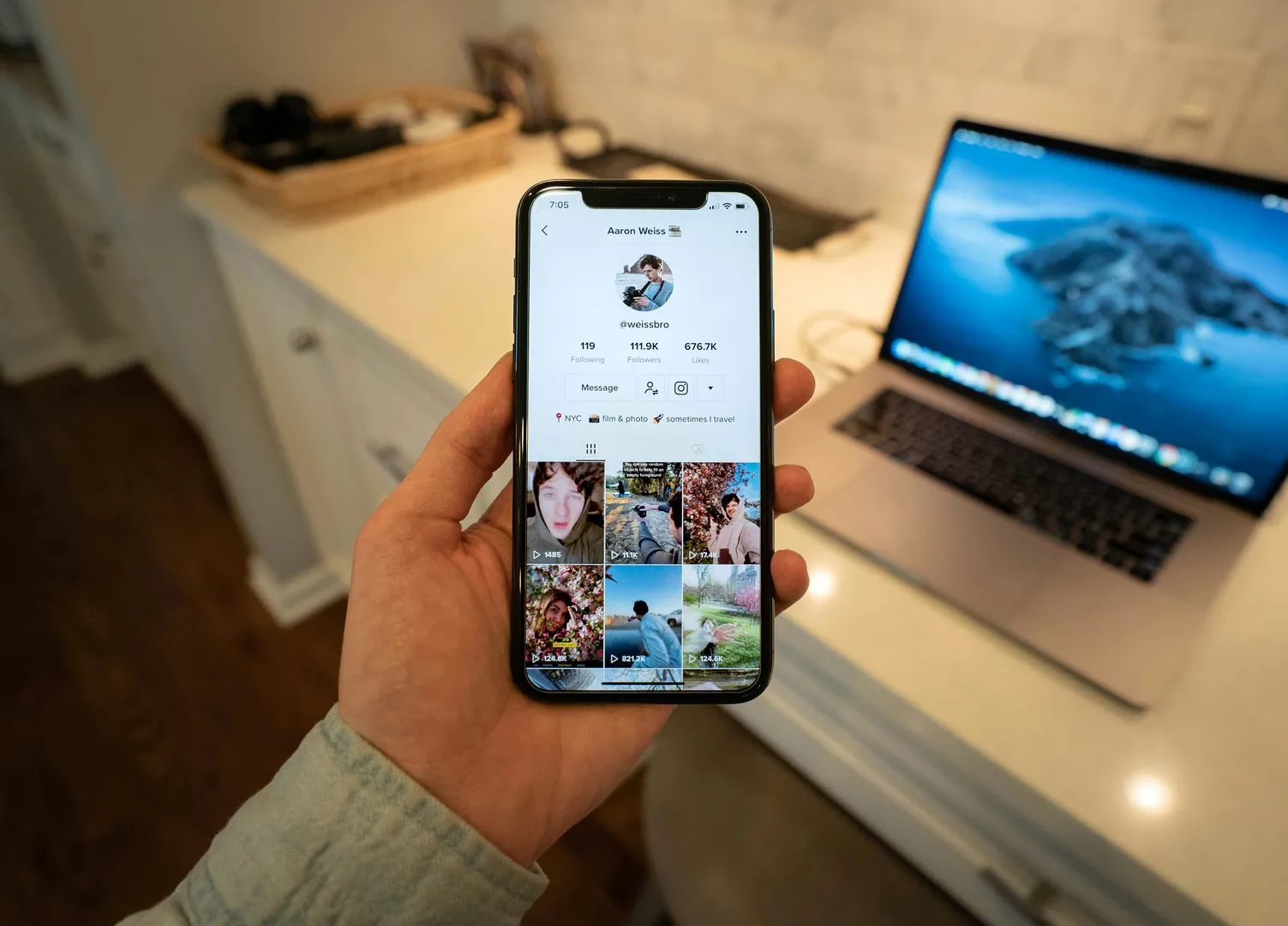
Put this into practice with Virlo
Turn what you just read into real research. These are the tools creators, agencies, and brands use to find what's working on short-form video.
Content Research Agent
Run your short-form research on autopilot — outliers, creators, and sounds across TikTok, Reels, and Shorts.
Tracking Center
Monitor breakout creators, videos, and competitors with daily snapshots and deep AI analysis.
Free Data
Explore free viral hooks, trending niches, breakout products, and more — no account required.
Get The Signal
Join creators, marketers, and agencies getting weekly trend breakdowns and social listening insights delivered free.
Subscribe to the Newsletter
Stop Guessing. Start Knowing.
Join thousands of digital entrepreneurs using data to take the guesswork out of capitalizing on trends.