How Does Tiktok Help Small Businesses
How Does Tiktok Help Small Businesses? Discover practical strategies to boost sales and brand recognition using TikTok—backed by Virlo’s data-driven insights.

Small retailers often struggle to stand out online, and short-form videos alone may not capture the audience’s attention. How does tiktok help small businesses? Tiktok Shop Marketing converts engaging product videos into tangible sales by leveraging trending hashtags, influencer partnerships, and targeted ads to drive product discovery.
Success in a competitive landscape hinges on staying ahead of trends with clear, data-driven insights. A keen understanding of content performance and optimal posting times can transform viewer engagement into growth. Virlo’s virality analysis tool provides actionable insights that refine marketing strategies and boost organic reach.
Summary
TikTok offers massive discovery potential, with over 1 billion monthly active users, meaning a single well-timed clip can convert casual curiosity into test purchases and new markets.
Users spend an average of 52 minutes per day on TikTok, so three-second hooks and sensory-first short-form storytelling are essential to capture attention before viewers scroll away.
Paid creative experiments surface rapidly on TikTok, reflected in a 300% higher engagement rate for TikTok ads versus other platforms, which makes fast A/B tests particularly useful for finding scalable creatives.
Creative testing beats theoretical audience lists when teams use a lightweight rubric that tracks three signals, completion rate, share rate, and early replays, because pattern recognition typically emerges after about 30 tagged experiments.
Retention on TikTok favors consistent, serial content over one-off spikes, with light, steady CTAs over six to twelve weeks shown to begin converting attention into repeat buyers rather than transient virality.
Peer momentum is strong, with 67% of small businesses using TikTok for marketing, yet many teams still suffer from fragmented workflows because spreadsheets and ad-hoc folders strip context and slow reaction time.
Virlo's virality analysis tool addresses this by centralizing trend signals, highlighting high-performing formats and posting windows, and surfacing tight hypotheses so teams can compress test cycles from weeks to days while preserving an audit trail.
TikTok for Small Businesses

TikTok is one of the fastest and most cost-efficient discovery channels available to small businesses. It turns short, honest videos into measurable reach and sales. When used correctly, TikTok becomes both a low-friction testing ground for finding the right market for a product and a consistent way to attract new customers and encourage repeat buyers. Understanding the effectiveness of your TikTok strategy can be enhanced with our virality analysis tool, which helps you measure and optimize your content's reach.
1. How can differentiation through creative presence benefit my brand?
Differentiation through creative presence is essential for making your brand stand out in a crowded feed. Short videos help you show texture, scale, and personality in ways that static posts cannot. This is important because attention is the bottleneck, not spending and positioning on TikTok rewards clear visual cues and simple, repeatable hooks so your customer can recognize you in just three seconds.
2. How can I turn scrolls into customers with shareable video?
Turning scrolls into customers with shareable video means making videos that people want to share and that look like regular social media posts. Examples include a quick demo, a before-and-after comparison, or a short story. By making videos easy to share, a single clip that shows off the product to one person can be seen by many others for free. This shows why creative testing works better than just using theoretical audience lists; the creative itself becomes the primary growth engine.
3. How do ads and targeting scale acquisition?
Ads and targeting can effectively increase acquisition. Using TikTok’s ad tools allows for quick tests based on ideas, such as A/B testing with creative content, short-form user-generated content (UGC), and targeting people with similar interests or who look like your current audience. Paid tests are beneficial for finding out what works quickly because of TikTok’s delivery algorithm. For example, TekRevol states that TikTok ads have a 300% higher engagement rate than those on other platforms, citing a 2025 report. This high engagement rate means paid experiments can show results faster than many different networks.
4. Why is centralized measurement important for funnel optimization?
Centralized measurement is essential for optimizing your funnel. It lets you track creative performance, cost per click, and conversion rates in one place. This makes it clear which videos result in cart actions or signups. If the metrics are spread across different dashboards, you might misattribute growth and waste money. Focus on a few important signal metrics and use them as your guiding star for ongoing creative improvements.
5. What community-first retention tactics should I use?
Community-first retention tactics focus on habit and recognition instead of traditional loyalty programs on platforms like TikTok. Sequential content, episodic stories, and simple calls to action (CTAs) are crucial for getting viewers to come back to your content. The trend seen with new brands is clear: posting inconsistently makes it harder for people to discover your content, while light and consistent CTAs over six to twelve weeks can successfully turn attention into repeat buyers. To analyze the effectiveness of these strategies, leveraging a virality analysis tool can provide valuable insights down the line.
6. How does TikTok amplify brand recognition at scale?
The platform amplifies small brands by using algorithmic discovery. This means it shows your best content to the right viewers, even if you don’t have many followers. By mixing this ability with steady creative themes, brands can create recognizable signals. These signals help people decide to buy in the future.
7. What is the practical playbook, and what are the common pitfalls?
The practical playbook starts with generating daily creative ideas. Measure the top two metrics that directly connect to revenue, and put some of the early wins back into paid promotion to speed up growth. Expect early friction; many owners notice that getting visibility and initial sales is slow until they find a creative format that works repeatedly. Trying to go viral overnight can waste both time and morale. A smart strategy is to reinvest in testing budgets and share your content on platforms like Reels or shorts, as this often helps to grow sustainably.
8. How does adoption and peer momentum impact small businesses?
Adoption and peer momentum are significant for small businesses today. By joining a larger group of peers already testing the platform, companies can reduce the social cost of testing new strategies. This trend is clear, as shown by TekRevol: 67% of small businesses use TikTok for marketing. These statistics offer a useful peer reference for how typical experimentation has become.
What are the challenges of managing creative and ad tracking?
Most teams manage creative and ad tracking using spreadsheets and ad-hoc folders because these methods are familiar and do not need new tools. At first, this approach works well; however, as the number of videos, campaign variants, and performance signals grows, things become scattered. This scattering slows tests and leads to reactive decision-making rather than trying new methods. Solutions like Virlo bring creative results and campaign analytics together in one place, enabling teams to run organized A/B tests. Because of this, test cycles can shrink from weeks to days while still keeping a clear record of everything.
How can sustainable growth be achieved?
This pattern shows up again and again in retail, local services, and DTC brands. To get early success, you need a mix of steady creative cadence and a strong commitment to testing. If you don’t have this balance, spending can outpace learning, which can lead to frustration.
What should I do when I don’t see a clear signal?
It’s tiring to keep testing without seeing a clear signal, and that tension is where most businesses get stuck. Keep pushing.
Related Reading
How Does TikTok Help Small Businesses
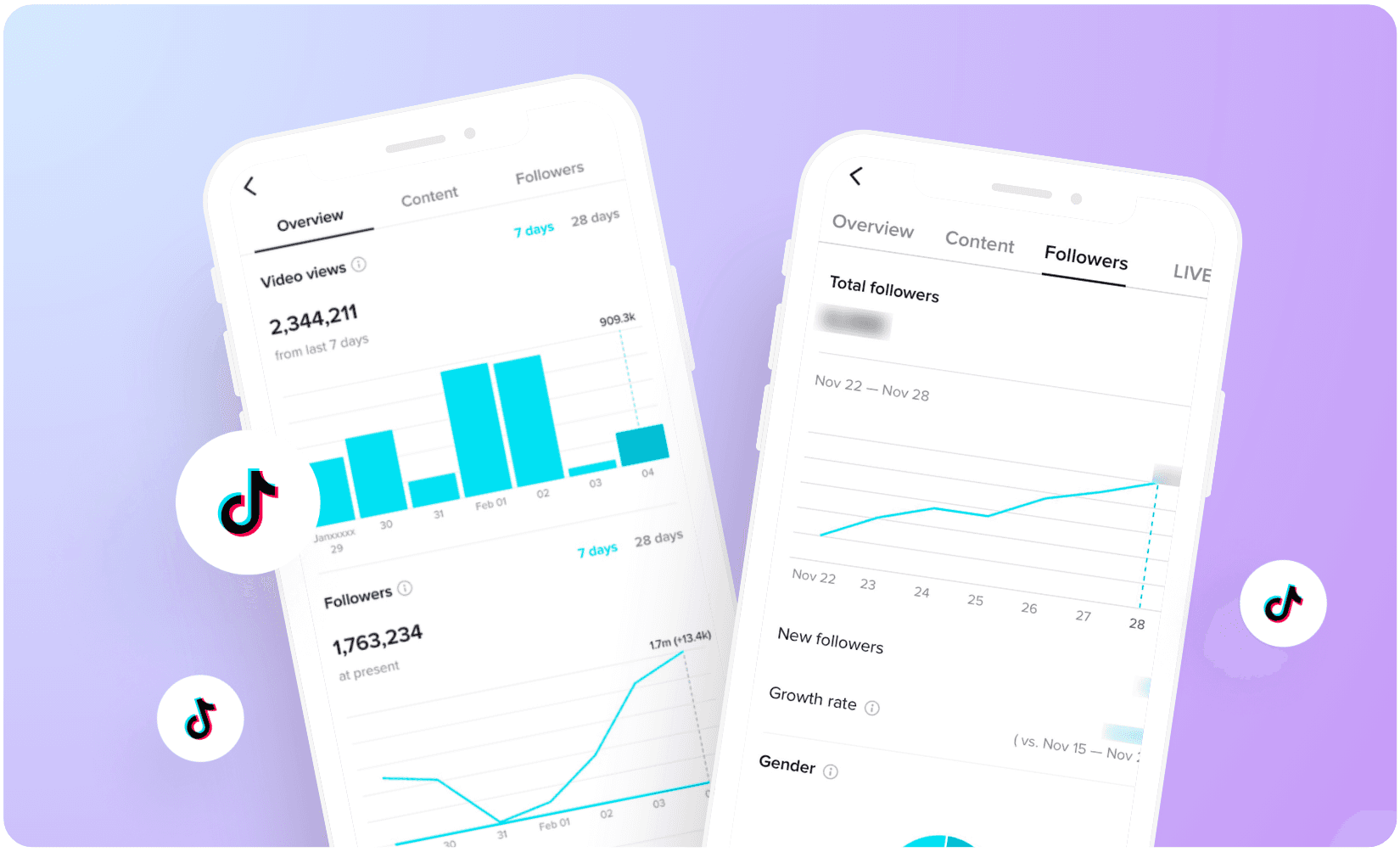
TikTok offers five practical advantages for small businesses to attract customers and make money. By treating the platform like a creative microscope instead of just an ad spray, companies can take advantage of these benefits. Each of the advantages described below explains the changes in behavior or processes that create value and why they significantly affect the business. It's also important to consider the trade-offs you should be prepared for, including how a virality analysis tool can help you understand your content's performance.
1. What are the massive discovery and audience scale benefits?
TikTok has a vast audience, which helps you find many potential customers through its content-sharing and large user base. Over 1 billion users are active on TikTok each month — SiteGround Academy, 2025-08-27. Just one well-timed clip can be seen by people far beyond your neighborhood. Why is this important? That broad reach turns curious viewers into buyers who try your products and helps you enter new markets without spending money on physical stores. This is a way for many makers and local service providers to discover demand across different cities.
2. How does the short-form format command attention?
Short-form formats grab attention quickly. TikTok likes short, engaging storytelling where sound, movement, and a three-second hook decide if someone keeps watching. The platform’s built-in editing tools and music library make it easy to create fast-paced, repeatable formats that help viewers recognize your style. Why this matters: Short formats let brands get focused attention in just a few seconds, making it easier to build habitual recognition and get quicker recall when it's time to buy.
3. What is the advantage of low production friction?
Low production friction, high creative leverage. You do not need a studio to win on TikTok. Smartphones, natural light, and a reliable template can replace production budgets. This allows small teams to go from idea to post in just hours, not days. That accessibility is powerful, but it also creates a demand for steady output. This can stress owners who try to be single-person content factories. Why this matters: When you replace perfection with repeatable formats and a limited editing process, you compete on idea speed rather than on spending. This is how smaller shops can outpace bigger brands.
4. How do product demonstrations impact buying decisions?
Product demonstrations that shorten the buying decision process are efficient. Video presentations show how a product looks, sounds, fits, or performs in real-world situations. This clarity significantly reduces uncertainty at checkout. Demonstrations, quick comparisons, and real-time answers to common questions change passive viewers into informed buyers. As a result, small businesses have reported a 30% increase in sales after using TikTok for marketing, according to SiteGround Academy. Seeing the product in action answers the questions customers often have in reviews or DM threads. This method speeds up conversion and lowers return rates, especially when visually addressing fit, scale, or use case.
5. How does authentic storytelling build trust?
Authentic storytelling that builds trust and repeat business. TikTok rewards personality, not polish. Behind-the-scenes clips, founder explanations, and honest portrayals of small failures create a connection that formal ads rarely achieve. This emotional currency leads to loyalty: repeat buyers, referrals, and strong word of mouth. Why this matters: Human stories help new customers trust unknown brands more quickly, and that trust turns into higher lifetime value than just discount-driven transactions.
Why is trend selection and creative planning important?
Most teams handle trend selection and creative planning using folders, spreadsheets, or their instincts. This feels familiar and helps them keep their workflow. However, as the number of tasks and the speed of platforms increase, this method often fragments context, hides successful formats, and makes idea generation a daily scramble. Tools like the virality analysis tool gather trend signals in one place, compare past creative performances with audio and visual features, and suggest focused ideas to test. This can shorten the time it takes to turn ideas into posts from days to hours while keeping the context of what actually worked.
What is the challenge of balancing velocity and burnout?
The tension between velocity and burnout is a quiet challenge that often goes unnamed, yet it sets the stage for future outcomes.
What Can Lead to Repeatable Growth from a Viral Moment?
Do you want to learn the easy steps that can change a viral moment into repeatable growth?
7 Tips to Use TikTok for Small Businesses
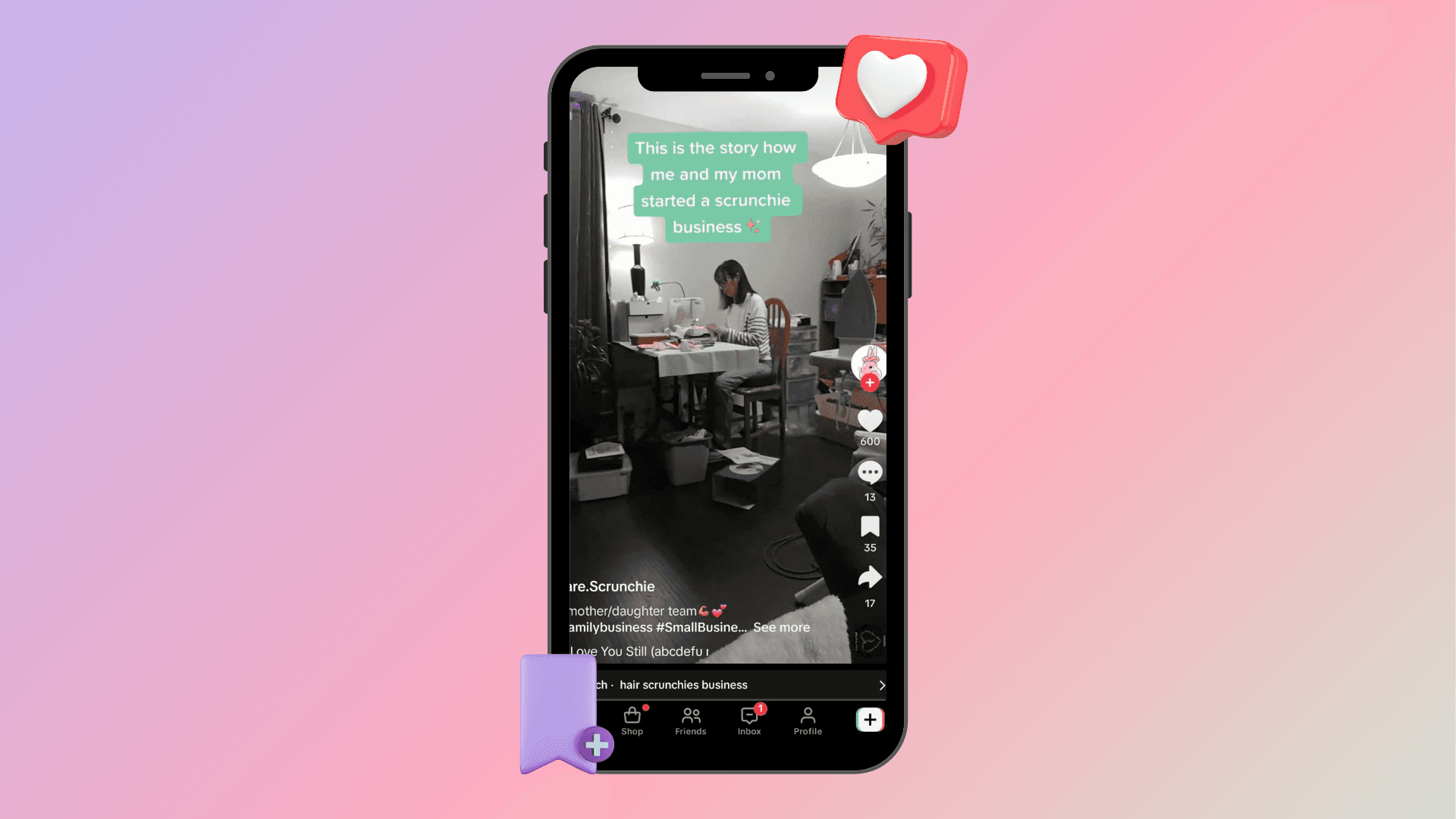
Treat TikTok like a quick experiment: try different things, track what works, and highlight the successes. Remember that TikTok users spend an average of 52 minutes per day on the app, according to Hootsuite Blog. This means the chance to be seen is always there if you engage with intent.
1. How can Virlo help with content ideas?
Use Virlo for finding content ideas and recognizing patterns. Virlo changes trend signals into actionable hypotheses, instead of just vague suggestions. Rather than just looking for sounds, create three category alerts. Export the platform’s best audio/video pairings and match those to specific product SKUs or service offerings. By tagging each idea with a clear hypothesis, like "short demo increases add-to-cart by X," you turn a guess into a testable experiment. If you need a workflow, get Virlo’s trend report, pick the top two audio matches, write two hooks for each, and have one person film within 24 hours. This organized loop changes random inspiration into repeatable output.
2. What should be the posting strategy?
Post multiple times daily, but ensure each post serves a purpose. Aim for high volume, but divide that volume by purpose: one attention-grabbing clip, one proof or demo, and one community or response video. Using batch-production methods makes this easier; set aside two hours each week to film 12 hooks, and then spend 30 minutes editing those into three different cuts. Use simple file names, allowing editors to create three versions in just 10 minutes each. This method helps prevent burnout while giving the algorithm the variety it needs to evaluate what works well.
3. How can you get feedback quickly?
Get fast feedback with a lightweight testing rubric. Treat each video like a mini-experiment by measuring the same three signals across posts: completion rate, share rate, and early replays in the first 24 to 72 hours. Record the results in a single row of your tracking sheet, including the hypothesis, the creative variables, and the outcome. After finishing 30 tagged experiments, you will stop guessing about what works; instead, you will start seeing patterns. When a clip stops getting views after a few hundred, think of it as a cheap data point that saves you hours of unnecessary creative work.
4. How to align product messaging with trends?
Mix your product message into trends without losing credibility. Not every trend fits your brand voice, so create a small trend-playbook: one templated way to adapt a trending sound, one story angle that aligns with your offer, and one clear CTA. Execute three quick variations when a trend emerges, such as product-first, narrative-first, and reaction-first, so you learn which framing moves attention to conversion. Because 68% of tiktok users watch someone else’s video, according to Hootsuite Blog, your ability to pivot a trend to your product will determine whether that trend sends strangers to your storefront or gets lost in the noise.
5. How to use storytelling for brand recognition?
Build brand recognition through serialized storytelling by breaking longer business narratives into tight, repeatable microepisodes. Choose a fixed opener and a predictable payoff structure, so viewers know what to expect in each episode. For instance, you can turn a customer case study into four thirty-second posts: the challenge, first try, surprising fix, and outcome. Serial formats create low-friction commitment, turning casual viewers into repeat watchers and eventually into buyers.
6. How to improve team organization?
Multiply creativity by organizing your team with a simple system. Most teams manage content through casual messages and shared folders because it feels comfortable. This way might work at first, but as ideas grow, feedback can get scattered, version problems can pop up, and essential chances can be missed. Platforms like Virlo aggregate trend information in one place, allowing team members to assign content tasks and keep a record of decisions. This reduces the need for coordination while preserving the creative background. Teams that make this change can shorten review times and react to trends much faster, all without losing brand guardrails.
7. What should be the focus for each clip?
Treat every clip like a craft exercise. Focus on small technical wins that build up: sharpen the first two seconds of the edit, choose an audio track that supports the hook, test one bold thumbnail frame, and add captions that read at conversational speed. If the completion rate goes down, don’t guess; swap the opening shot, tighten the pacing by 0.5-1 second per cut, and try again. The platform rewards content that gets full watches and replays, so it’s critical to focus on rewatch triggers and micro-structure instead of just chasing polish for its own sake.
How to manage creative coordination?
When teams are busy, it’s reasonable to coordinate creative efforts via email and cloud folders, as these tools are available and familiar. However, the hidden cost is the friction that grows with volume: notes get lost, trend context disappears, and reaction time stretches from hours into days. Solutions like Virlo provide centralized trend discovery, hypothesis templates, and assignment workflows. These features compress the path from idea to publication while keeping an audit trail of what was tested and why, including insights from using our virality analysis tool to gauge effectiveness.
What is the surprising work involved?
That solution sounds neat, but the unexpected work is figuring out which of your formats needs the most budget and focus. This evaluation can lead to some interesting insights.
10 TikTok Content Ideas for Small Businesses

Create short, helpful formats that make your brand seem human, teach a skill, and encourage viewers to make a purchase. Below are ten practical types of content, rephrased and added with filming beats, hooks, and notes on distributing them. This method makes filming, testing, and growing easier, without the guesswork. To assess your content's potential reach, consider using a virality analysis tool for better insights.
1. What should I record for Meet the Team?
Meet the Team: A Day on the Job. What to record includes quick introductions of each person, one-minute snapshots of their role, and a few candid moments that show their routines and personalities.
How to film: start with a three-second visual hook, use a handheld close-up for immediacy, and end with a sign-off so viewers recognize the series.
Purpose and metric logic: Serialized staff clips build trust faster than a single polished ad.
Posting one short team clip each week for six weeks creates a reliable schedule that viewers can learn to expect, which improves repeat viewership.
Quick prompts like “What’s the hardest part of your shift?” or “One thing people don’t know about my job?” produce short, shareable answers that connect to the product context.
2. How should I structure Process and Craft?
What to record: raw assembly shots, detailed closeups of textures or components, and a short timelapse that compresses the full build.
Editing tips: pair a 10x timelapse with three 2–4 second closeups, layer captions that explain materials or choices, and keep the whole clip under 45 seconds.
Angle to emphasize: highlight one surprising detail: a hand-finish, a custom jig, a material choice; to make the craft defensible and memorable.
CTA idea: “Which part surprised you? Comment to win a behind-the-scenes tour.”
3. What to Include in an Origin Story and Tools?
Origin Story and Tools: Explain why you started and what tools you use.
Key points include: what to record: share the founding moment in one minute, an honest obstacle you faced, and the practical tools you rely on (apps, machines, suppliers).
How to frame it: tell a turning point, then show the exact app or gadget you use for production with a live screen or an over-the-shoulder demo.
Lesson format: end with a short tip for other founders, such as a tool swap that saves you time or cuts down on returns.
Credibility move: strengthen the tactic by adding a timeframe; for example, say, “We switched tools after month three, and that cut rework.”
4. What are some ideas for Interactive Offers and Contests?
Interactive Offers and Contests, Fast Community Wins
What to run: caption contests, UGC challenges, and limited-time discount codes tied to a single post.
Execution mechanics: make entry simple, require content or a follow-up for tracking, and promise a public winner reveal to drive repeat visits.
Timing logic: With 90% of TikTok users accessing the app daily, according to Cintra Consultancy, short windows and immediate winner announcements capture attention and convert FOMO into participation.
Safeguard tip: Create a pinned comment with official rules and a simple URL to capture emails or track conversions.
5. How can I demonstrate my product's use case?
Demo and use case: Show how it works. Key points include a clear step-by-step demonstration, a common problem that your product solves, and the exact final result.
Framing strategy: start with the pain point, show the product in use, then include a close-up of the outcome and a clear next step.
Additionally, consider discovery leverage: since 68% of TikTok users find new products on the platform according to Cintra Consultancy, focus on demos that answer the most common purchase questions.
Tag the clip with the right product keywords to improve discovery.
Lastly, a repurpose tip is to change a long demo into three short clips: hook, middle action, and payoff.
6. What to show in a Studio or Store Walkthrough?
What to record: show off your physical space, point out where orders are packed, and highlight any visual signs that identify your brand.
Production beats: have a steady camera walk with background sound, three key stop points, and add short text that explains the purpose of each area.
Emotional angle: include a slight imperfection, like a real sticky note or a photo on the wall, to make the space feel lived in and authentic.
Distribution note: add a map sticker or local tag when your shop serves customers nearby.
7. How can I showcase customer transformations?
Key points include: what to record: short customer interviews, before and after clips, or filmed reactions when someone uses the product for the first time.
How to get it: encourage customers to film using an easy script and offer a discount on their next purchase; ask one question like, "What surprised you most?";
Trust mechanics: show receipts, order dates, or absolute timestamps when possible, making the story verifiable without being intrusive; editing move: place the customer reaction in the first five seconds, then show the product detail that caused the reaction.
8. What Wins Can I Share with Milestones and What We Learned?
What to record: Celebrate small achievements like reaching your 100th order, launching a product, or solving supply delays. Pair these milestones with an honest lesson learned.
Pattern insight: Many owners stop sharing their wins because they think they are boring. However, a simple lesson linked to a specific metric or date changes a boast into valuable insight.
Empathy and candor: Acknowledge mistakes and describe how you fixed them. For example, share a process change made in week four that solved a recurring issue.
Story arc: Tell your story with a win, the problem that came up, the solution that was put in place, and the new standard reached.
9. How can I play with trends while keeping my personality?
What to record: Show one trend in three brand-safe ways, like reaction, product-first, and narrative-first versions.
Constraint rule: Keep one part the same across versions, such as a signature opener or product placement, so you can compare how the trend performs.
Testing note: Try out the trend on just one SKU at first. Only add more products if they get clicks or direct messages.
Guardrail: Make a brand veto list to avoid sounds or formats that don’t fit your image.
10. What tips can I offer as Teachable Moments?
What to record: Short hacks, troubleshooting guides, or parts that answer common questions.
Structure: Spend 15 seconds naming the problem, 20–30 seconds showing the solution, and finish with a 5-second call to action.
Authority play: Mention a specific rule or guideline that customers can use right away.
Shareability: These clips become long-lasting content that can be revisited whenever a relevant question arises.
Why do familiar workflows become problematic?
Most teams plan content using different documents and message threads because these ways are easy and familiar. While this method works at first, as more ideas, trends, and approvals come in, the context gets lost, feedback can conflict, and response times can stretch from hours into days. Teams find out that tools like the virality analysis tool help centralize trend discovery, assign tasks, and keep a history of decisions. This helps shorten review cycles from days to hours, keeping everyone on the same page and reducing the need to redo work.
What are some filming rules to improve outcomes?
A few practical filming rules can significantly change outcomes. Key points include:
Test one variable per post, not ten. Change the hook while keeping everything else the same to learn about causality.
Build three modular cuts per shoot: attention, proof, and CTA. This helps you quickly reassemble for ads or responses.
Harvest UGC permission on the first message, making sure customer videos are ready to use right away.
Batch for cognitive flow by filming 8–12 clips in two hours, then editing them in short sprints during the week.
What operational checklist can help in the first month?
Pick two series from this list and schedule them on fixed days.
Use one naming convention for files, which should include the date, series, and SKU.
Keep an experiment log detailing the hypothesis, creative variable, and three outcome metrics: completion rate, comment volume, and direct messages.
- Reallocate one post per week for trend experiments, but only if three variations can be produced within 48 hours.
Why is it challenging to repeat successes?
Earning a spike can be satisfying. However, real challenges come when those wins do not happen consistently.
Related Reading
Go Viral with Virlo's Virality Analysis Tool
If you want your TikTok Shop tests to change into a steady income instead of random jumps, think about using Virlo. It uses AI-powered trend analysis and signals that focus on creators to find out which short-form hooks, audio pairings, and posting times really boost discovery, engagement, and conversion. This lets you spend more time growing winners and less time guessing. Use the virality analysis tool for the best results.
Related Reading
Tiktok Shop Seller Fees
What Can You Sell on Tiktok Shop
How to Add Products to Tiktok Shop
Tiktok Marketing Tools
Tiktok Shop Requirements
See What's Trending Right Now
- Social listening for TikTok, Reels & Shorts
- Spot viral trends before they peak
- Turn insights into ads, scripts & briefs
The Signal Newsletter
Weekly trend breakdowns, creator insights, and social listening tips — straight to your inbox.
Subscribe FreeSee Virlo in action

See What's Trending Right Now
- Social listening for TikTok, Reels & Shorts
- Spot viral trends before they peak
- Turn insights into ads, scripts & briefs
The Signal Newsletter
Weekly trend breakdowns, creator insights, and social listening tips — straight to your inbox.
Subscribe FreeRelated Articles

9 Best Real-Time Trend Detection Tools for Short-Form Video in 2026
Short-form video signals can change quickly, and a format that looks promising in one niche may already be saturated in another. A useful tool should help you separate existing popularity from fresh acceleration across TikTok, Reels, and Shorts. General social listening tools built around mention...

8 Best TikTok Competitor Analysis Tools in 2026
If you are managing TikTok content without a clear picture of what your competitors are doing, you are flying blind in one direction. You can see your own numbers. You cannot see what is working for the brands or creators competing for the same audience — which formats are driving their views, wh...
Hashtags Backfire: Why “More is Better” Is Costing You Engagement on Reels
Discover why using too many hashtags on Instagram Reels can hurt your reach and learn data-backed strategies to boost engagement the right way.
Put this into practice with Virlo
Turn what you just read into real research. These are the tools creators, agencies, and brands use to find what's working on short-form video.
Content Research Agent
Run your short-form research on autopilot — outliers, creators, and sounds across TikTok, Reels, and Shorts.
Tracking Center
Monitor breakout creators, videos, and competitors with daily snapshots and deep AI analysis.
Free Data
Explore free viral hooks, trending niches, breakout products, and more — no account required.
Get The Signal
Join creators, marketers, and agencies getting weekly trend breakdowns and social listening insights delivered free.
Subscribe to the Newsletter
Stop Guessing. Start Knowing.
Join thousands of digital entrepreneurs using data to take the guesswork out of capitalizing on trends.