What Are UGC Ads + Examples of Brands Using UGC Ads
Discover how UGC ads drive trust and lower costs. See clear examples and practical tips from Virlo to improve your ad performance.

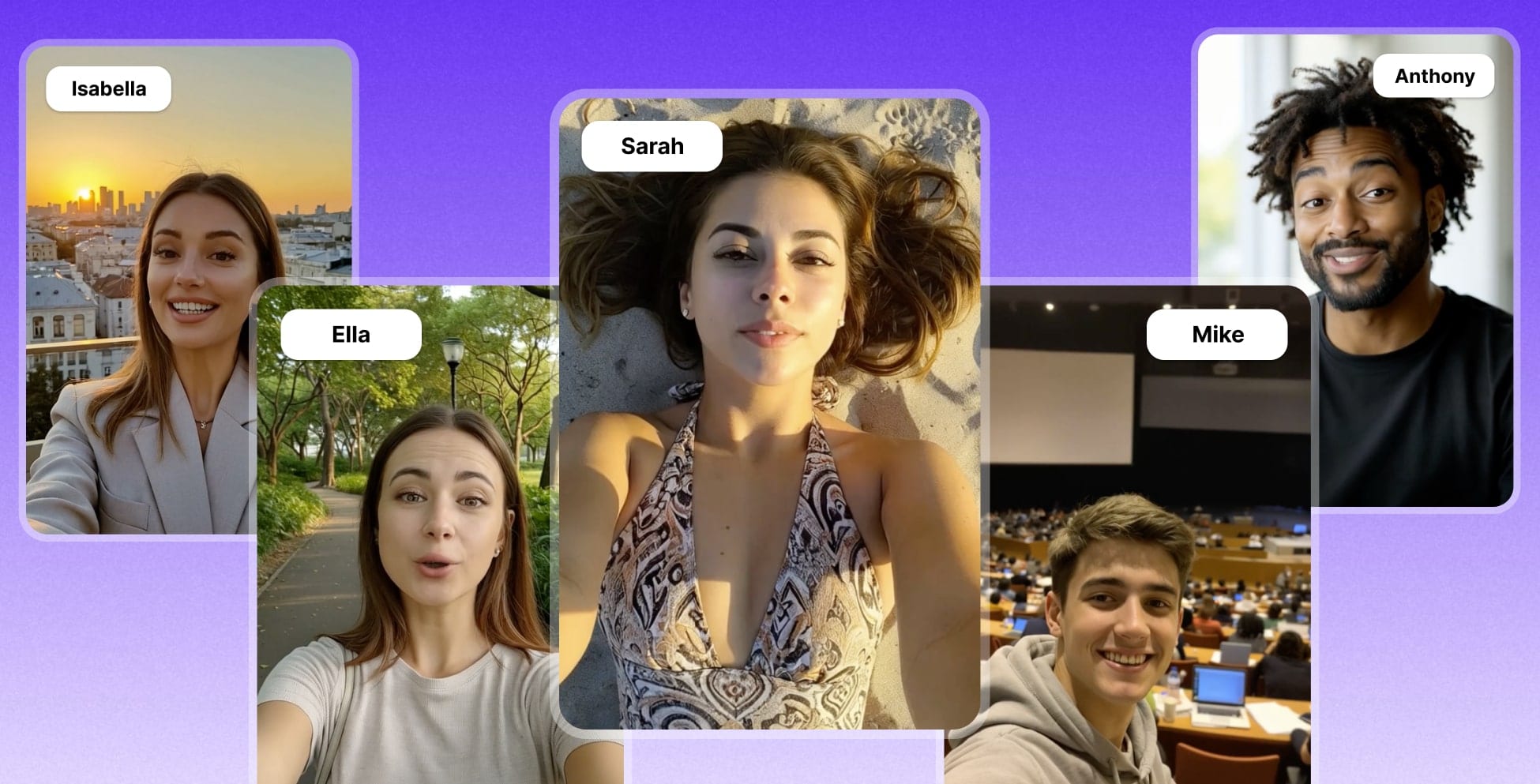
Authentic customer clips and genuine testimonials capture attention in ways polished ads rarely do. Creator videos, reviews, and influencer posts build trust and drive conversions by leveraging real experiences and social proof. Many wonder what UGC ads are and why they command such influence. The shift toward hashtag challenges, short-form reels, and micro-influencer content highlights a move to more relatable, organic advertising.
Effective campaigns depend on identifying trends quickly and adapting strategies accordingly. Precision in tracking engagement, emerging topics, and rising creators transforms raw content into successful native ads. This analytical approach empowers brands to systematically leverage trends; Virlo’s virality analysis tool provides valuable insights to support data-driven decisions.
Summary
Authenticity is the core driver of UGC impact: 88% of consumers prioritize authenticity when choosing brands, and 59% say user-generated content is the most authentic format.
UGC delivers clear performance advantages, with industry findings showing a 4x higher click-through rate versus traditional ads and a 50% reduction in cost per click for brands using UGC in paid channels.
Creators enable rapid, tailored content, returning multiple platform-native edits in days rather than weeks, so teams can react to trends and seasonal moments in near real time.
When treated as a conversion lever rather than mere engagement fodder, UGC boosts persuasive power, for example, delivering a 20% increase in engagement over branded content, and about 74% of European customers find UGC more trustworthy.
Manual collection workflows cause scale failures, as approvals and rights tracking stretch into days and usable inventory erodes, whereas centralized processes compress review cycles from days to hours while preserving legal clarity.
Curation beats volume, as a six-month audit showed teams that promoted only the top 10 clips to paid testing and used simple shot lists turned thousands of raw submissions into repeatable ad winners.
This is where Virlo's virality analysis tool fits in, analyzing rising tags, creator momentum, share, and engagement so teams can identify which UGC hooks and formats are likely to lift CTR and lower CPA.
What Are UGC Ads
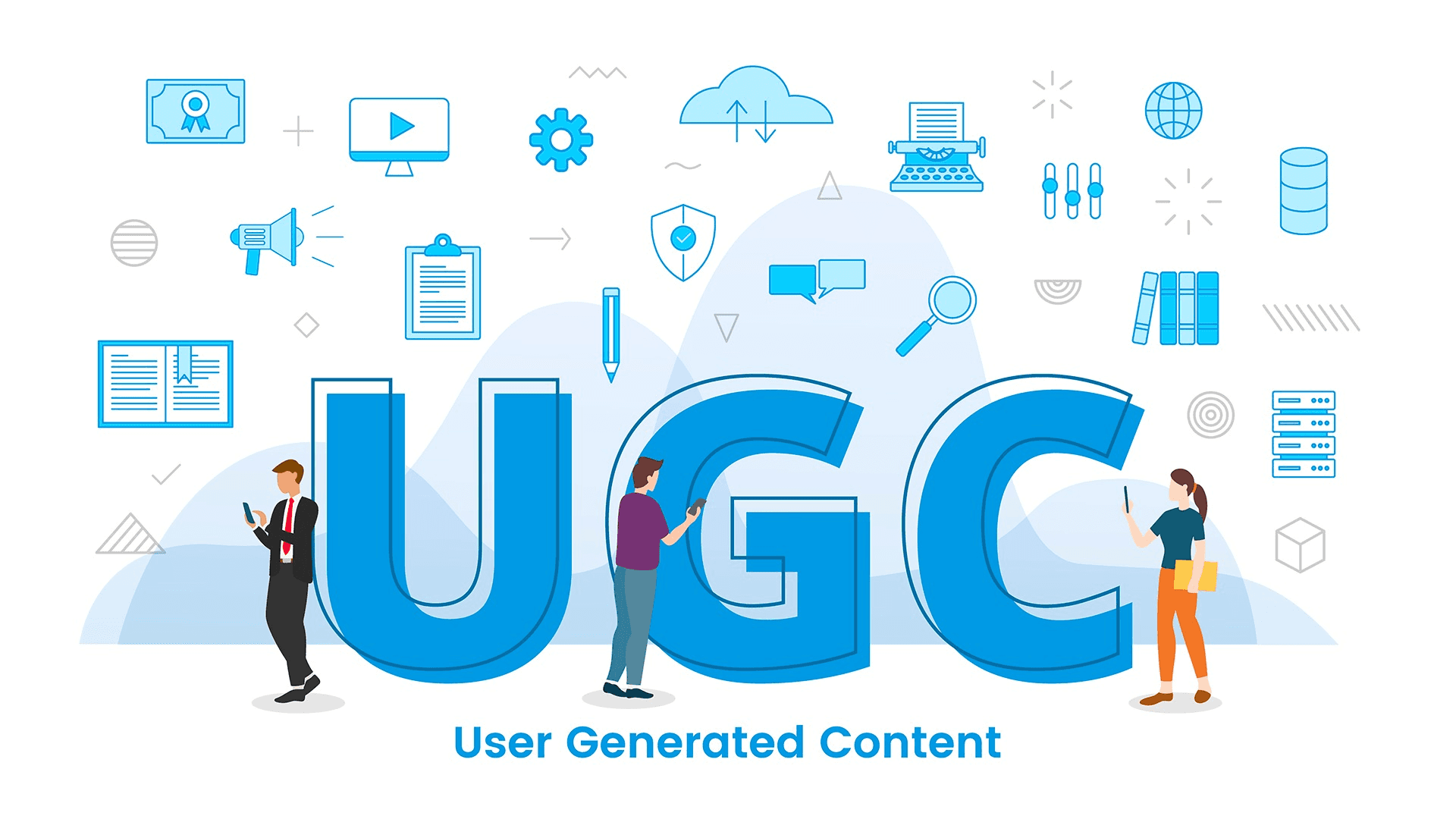
UGC ads are paid creatives that use real customers, fans, or independent creators to share the message and visuals. This method turns everyday experiences into advertising that seems like a peer recommendation. They work well because the creative comes from outside the brand, which makes audiences see it as social proof rather than just polished persuasion. To effectively measure the impact of these ads, utilizing our virality analysis tool can provide valuable insights.
1. What is a UGC ad actually?
UGC ads put user voices in the spotlight. Customer photos, candid videos, written testimonials, ratings, and influencer clips act as the creative parts of the ads. This method turns the ad into a curated highlight reel of real customer interactions rather than a typical studio-made commercial. This change in origin affects how viewers connect with the message, as the content represents the trust of everyday experience.
2. How is UGC produced differently?
Virlo creates UGC by capturing unscripted interactions and amplifying real feedback. This process can also involve asking creators to record honest-use moments, followed by light editing to improve clarity and formatting. The focus is on believability and context rather than polish. As a result, production workflows prioritize speed, iterative testing, and permission management instead of lengthy creative briefs and multiweek shoots.
3. Where UGC Sits Inside Modern Campaigns?
Social feeds, influencer placements, in-feed ads, and review platforms are natural homes for user-generated content (UGC) because these formats mimic how people already share their experiences. Brands place these assets in paid placements, retargeting sequences, and product pages. This helps ensure that peer content appears where buying decisions are made, rather than being separated in a brand channel.
4. Why trust, not spectacle, is the point?
Audiences now trust peer recommendations and real customer voices before they buy things. Because of this, how credible an ad is matters more than just how it looks. This is why user-generated content (UGC) works well: it serves as a neighbor’s support rather than a typical sales message. That change can really impact how people decide to buy.
5. What are the types of UGC ads?
Text entries, images, videos, reviews, social posts.
Text: short social comments, forum posts, and long testimonials that show specific product details.
Images: real product photos and lifestyle pictures that prove a product works in everyday life.
Videos: short clips, unboxings, tutorials, and reactions that show how something works and the emotions involved.
Reviews: star ratings and written reviews that affect search and purchasing decisions.
Social posts: stories, reels, and tweets that spread quickly and can be used for paid advertising.
6. How does UGC perform for sales?
Some teams think UGC only gets likes and not purchases. This belief changes when you measure the results, because UGC often grabs more attention and lowers acquisition costs. For example, inBeat Agency (2025) found that UGC ads have a 4x higher click-through rate compared to traditional ads. Those higher engagement signals lead to measurable increases when assets are used in conversion-focused funnels.
7. What is UGC's cost efficiency and ROI?
User-generated content (UGC) is not only cheaper to shoot, but it can also be more affordable to buy and grow in paid channels. Indeed, inBeat Agency (2025) reports that brands using UGC ads see a 50% reduction in cost per click. This drop in cost per click (CPC) is significant. It allows brands to use their budget for testing new ideas and quickly scaling successful ones. As a result, this strategy improves both short-term returns and the development of long-term creative libraries.
8. What real tensions arise from UGC?
This shift creates friction within creative teams. Product photographers and traditional creators often feel sidelined as teams chase quick UGC and AI choices. This frustration leads to real operational costs, such as longer review cycles as teams try to fit UGC into strict brand standards. This pattern appears across eCommerce and creative departments: the pursuit of volume without clear standards results in inconsistent assets that can ultimately harm long-term brand perception.
9. How do teams typically handle UGC today?
Most teams collect assets through manual DMs and spreadsheets for rights. They also do some quick editing because this method seems fast at first. But as campaigns grow, approvals get scattered, legal clearance slows down, and usable inventory can't keep up. This well-known method works until teams bring in multiple platforms, creators, and regional rules. Then, operations get stuck, and creative reuse falls apart.
10. What is a better operational path for UGC?
Most teams handle UGC collection manually because it's familiar, which makes sense on a small scale. However, as the number of creators and ad variations increases, the manual method breaks up workflows and loses important context. Platforms like Virlo provide centralized asset ingestion, rights tracking, metadata tagging, and creator payment workflows. This helps teams shift from broken spreadsheets to a single, clear source of information, reducing review times from days to hours while maintaining legal clarity and formats ready for reuse.
What analogy helps to understand UGC?
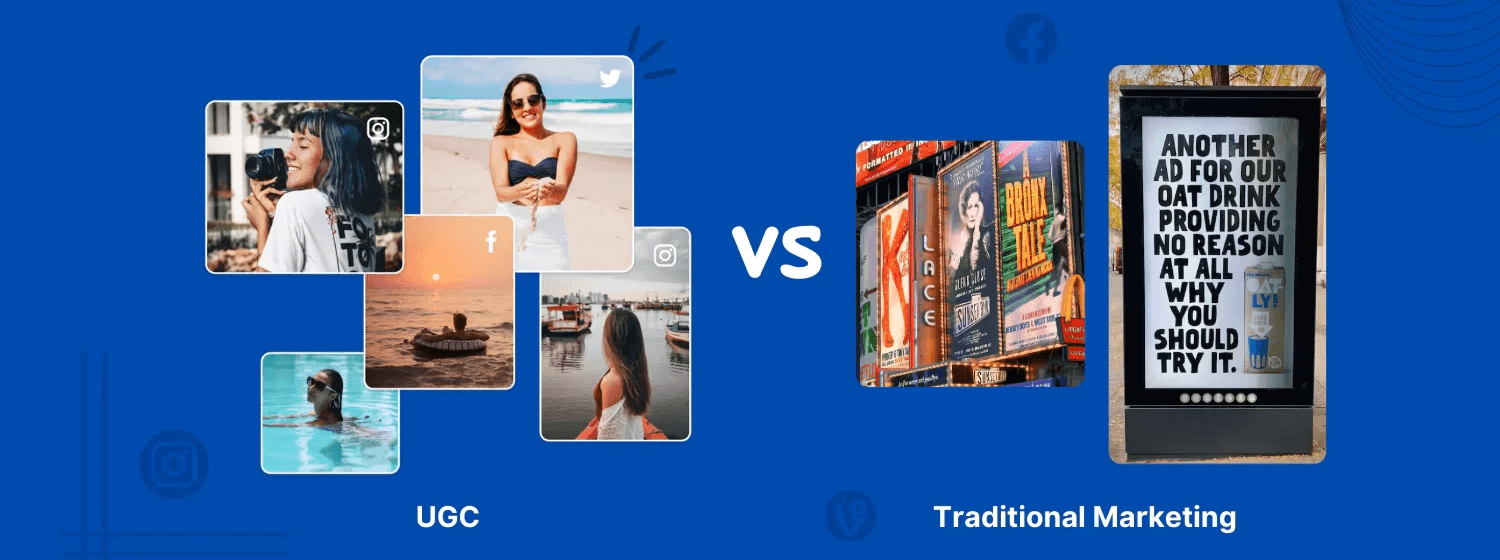
UGC works like a neighborhood recommendation: it's a simple suggestion from someone you trust. On the other hand, traditional branded ads are like a glossy salesperson in a suit. Although both can help you decide on a purchase, the neighbor’s opinion usually starts the discussion. To understand how a virality analysis tool can enhance your marketing strategy, consider how it helps identify which recommendations resonate most.
What comes next for UGC?
That pattern of trust, friction, and operational stress is only the first act. The next part shows why brands need to embrace UGC strategically rather than casually.
Why Do Brands Need UGC Ads
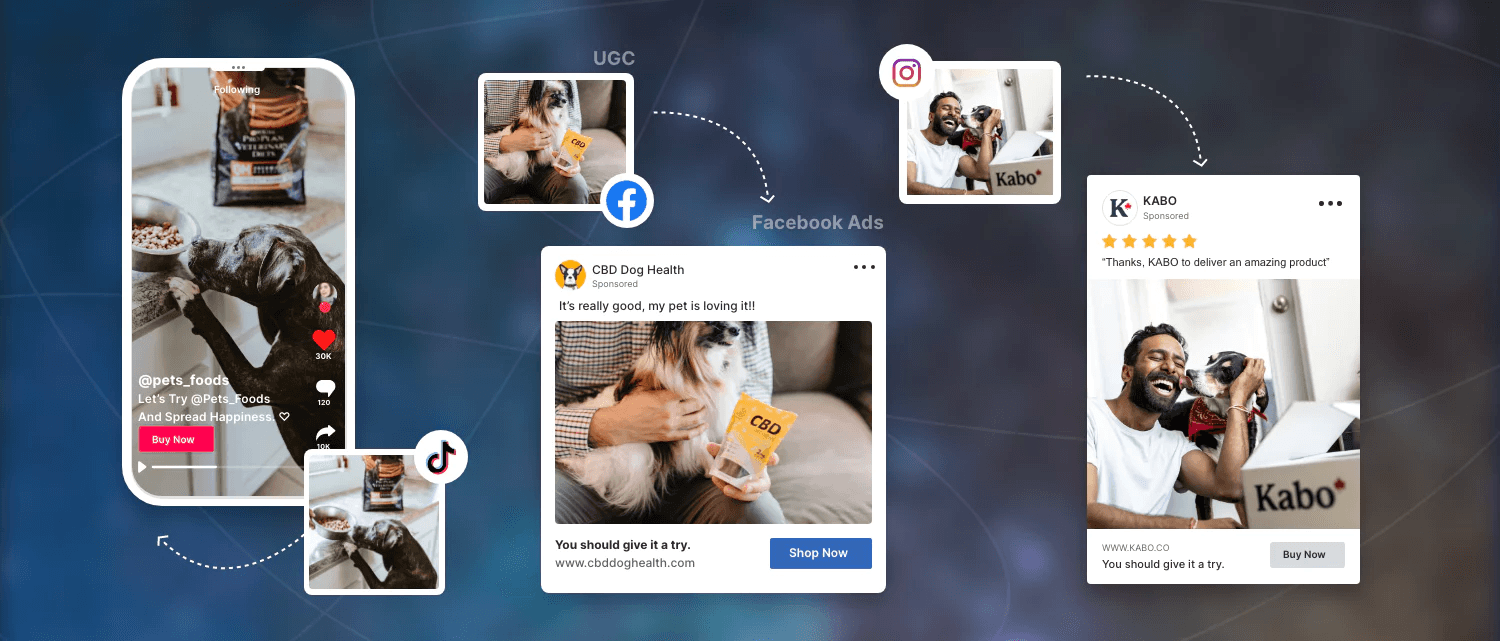
Brands need UGC ads because they create more powerful ads at a lower cost while building trust in ways that polished ads cannot. This real trust affects what consumers decide to buy. When brands move more quickly to personalize ads with social proof, the result is clearer sales paths and simpler ad improvements. Additionally, utilizing a virality analysis tool can help brands understand which content resonates most with their audience.
1. Cost-efficient creative
User-generated content (UGC) lowers the cost of testing and expanding creativity per asset. This method lets teams create more content without losing variety. Instead of relying on large groups and fancy sets, production focuses on simpler instructions, shot lists, and quick edits. This means timelines become shorter, and logistics costs go down.
As a result, teams with tighter quarterly budgets often shift funds from costly shoots to content created by creators. This strategy not only produces many clips for the price of a single studio shoot, but also provides significant flexibility in building successful campaigns. The emotional reward is quick: marketing teams feel relief when budget pressures turn into practical choices rather than fewer strategies.
2. Trust and authority
Authentic creator voices carry rhetorical weight that branded messaging rarely matches. Placements that highlight real users change how audiences understand claims. For proof of influence, consider Nielsen's finding that "79% of people say user-generated content highly impacts their purchasing decisions," available here. This level of persuasive power changes how brands allocate creative resources across the discovery and consideration stages, as social proof significantly shortens the path from awareness to intent.
Practically, a noticeable shift occurs when category specialists or experienced creators discuss product fit. Their specificity and knowledge in the field convert skeptical attention into a credible endorsement. This added credibility compounds in retargeting and on product pages.
3. Rapid, tailored content at scale
Rapid, tailored content at scale is very important for creators who work quickly. When they get a clear brief and examples of the right tone, they can make many platform-specific edits in days rather than weeks. This speed reduces campaign latency and enables them to respond to market signals almost in real time. This trend is clear in both direct-to-consumer and retail teams: when a feature update or seasonal moment happens, teams that rely on creators can produce tailored social cuts within the same week. On the other hand, traditional shoots often still have to plan call times, locations, and permits. This operational advantage enables more live tests, supports more microsegmentation, and results in fewer missed moments.
How do platforms enhance UGC management?
Most teams manage UGC workflows through makeshift channels, as this method feels familiar and easy to use. However, this familiarity can cause problems when the number of stakeholders and platform differences increase; approvals can get stuck, and usable inventory may decrease. Platforms like Virlo offer centralized asset ingestion, automated rights tracking, metadata tagging, and payment workflows. These features help teams shorten review times from days to hours while keeping legal clarity and reuse-ready formats. With tools like our virality analysis tool, teams can gain insights into performance trends that help drive strategy.
What is the impact of better conversion performance?
Better conversion performance is greatly influenced by user-generated content (UGC). UGC feels relatable, which can reduce friction at checkout and help convince hesitant visitors to buy. Since creator content shows real use and intent, it boosts the persuasive power of product pages and ads in conversion funnels. This is clear in trust patterns based on location, for example, a study shows that in Europe, about 74% of customers see user-generated content as more trustworthy than branded content, as noted in UGC101: "In Europe, about 74% of customers consider user-generated content more trustworthy than branded content."
The practical result is a shift in which brands need to provide less argumentation and focus more on demonstrations from people similar to the buyers. When teams view UGC as a conversion lever rather than just engagement material, they can better redesign landing pages, retargeting creative, and on-site testimonials to maintain a consistent voice throughout the buyer journey.
How do UGC ads compare to polished ads?
A quick analogy is that polished ads open the door, while creator content sits on the couch and explains in plain language why to buy.
What insights can we learn from real brands?
The next section shows how real brands use these strategies in practice and highlights the surprising results we found.
Related Reading
Amazon UGC
UGC SEO
TikTok UGC ads
UGC Strategy
UGC Management
UGC Rates
UGC Usage Rights
UGC Content Moderation
User Generated Content Instagram
11 Examples of Brands Using UGC Ads

Brands create ads by focusing on how their customers talk, share, and use their products. The eleven examples below show different strategies you can use, change, or avoid depending on your goals. Each example explains what the brand focused on, the strategy behind that choice, and why the content connects with people's feelings.
1. Stanley
As Quencher’s popularity rose, the pattern seemed clear: everyday use cases became symbols of identity. Stanley shared videos of commuters, hikers, and meme creators using the tumbler in their daily lives. They then reshared the best ones to keep the excitement going. The result was a product that didn't just feel like a tool; it felt like a sign of a lifestyle. This social proof helped keep sales strong throughout the seasons.
2. Crumbl
Crumbl engineers scarcity and spectacle through a routine, rather than hype. Their weekly flavor schedule creates ritualized unboxing moments that fans record as first-impression reactions and taste rankings. The brand then gathers these reactions into spotlight posts and paid promotions. This strategy turns short-lived excitement into repeatable content that encourages store visits and creates local fear of missing out (FOMO).
3. Glossier
Glossier created a system in which customer photos and short tutorials became the main sources of creative content. Instead of hiring professional photographers for fancy shoots, they highlighted customer selfies and everyday videos, making everyday beauty more common. This approach helped users feel visible and empowered. The brand grew its recognition by treating fans as unpaid creative partners, rather than just customers.
4. Fix Chocolate Bars (Viral Dubai Chocolate)
Fix Chocolate Bars, known for its Viral Dubai Chocolate, used ASMR and reveal culture to connect with customers. By letting the product’s texture and packaging shine, creators made unboxing and taste reaction videos.
The brand then reposted exciting clips, focusing on sensory storytelling rather than typical marketing claims. This new way of doing things turned curiosity into content that could be shared, quickly creating buzz across different platforms.
5. Popflex
Popflex uses co-creation as a production lane. The founder shares design prototypes with the public, asks for votes on features, and posts clips showing changes made after receiving feedback. This openness turns buyers into stakeholders and adds value over time, as customers get involved in a product's development, not just its launch.
What are common challenges for UGC teams?
Status quo, the friction, and a practical bridge. Most teams gather creator clips through DMs and scattered drives because it feels quick and cheap. That familiar workflow works until asset counts, platform variants, and legal checks grow. Then, approvals slow to days, and usable creative disappears under version chaos. Platforms like Virlo centralize ingestion, automate rights and metadata, and produce ad-ready cuts. This helps teams compress review cycles from days to hours while keeping legal clarity and reuse-ready formats.
6. Liquid Death
Liquid Death invites extremes. They encourage theatrical stunts, comic skits, and fan art. The brand pays or partners with the most viral creators to repurpose that energy. By recognizing outrageous content as a community language, they convert risky user-generated content (UGC) into reliable campaign material by compensating top contributors.
7. Loewe
Loewe changes how we see luxury by showing how real people wear fancy designs in everyday life. Instead of just featuring celebrities, they highlight posts from fashion lovers who style their items outside of the runway. This method makes luxury feel less exclusive and more appealing by showing that an expensive bag can be worn, cherished, and customized.
8. Drunk Elephant
Drunk Elephant focused on fun experiments, letting users name and share their product mixes and routines. Short videos of DIY serum blends and morning routines became a way for younger shoppers to connect with the brand. By promoting these user experiments, the brand made its active ingredients feel less intimidating and encouraged new buyers to try its products more often.
9. Oura Ring
Oura emphasizes outcomes instead of just showing product images. Real users share their sleep and recovery stories, showing clear changes, and Oura shares these testimonials to build trust. By sharing data-backed user stories, health claims seem less like marketing and more like real experiences, which helps boost credibility among wellness audiences.
10. Olipop
Olipop’s user-generated content (UGC) connects with people because it fits into their daily habits. Examples include fridge photos, recipe ideas, and diet-friendly day-in-the-life videos. Fans see Olipop as a lifestyle product instead of just a product. The brand cleverly collects consumer videos to show that the soda pairs well with health-focused routines, highlighting its role in healthy living rather than just being a treat.
11. Scrub Daddy
Scrub Daddy turned a simple, funny product design into memeable demonstrations. People started sharing oddly satisfying cleaning videos and comparisons of the tool. The brand smartly used these fun formats to show off how well it works. Because of this, this cleaning sponge became a well-known cultural icon through repeatable, demonstration-based content.
Why authenticity and peer voice matter now
Authenticity and peer voice are very important in today's marketing world. This trend is not a coincidence. According to Nosto, 88% of consumers say authenticity is a top priority when deciding which brands to support. Authenticity influences buying choices, allowing brands that showcase real customer experiences to gain a measurable trust advantage. Additionally, Nosto found that 59% of consumers believe user-generated content (UGC) is the most genuine type of content. This finding shows why brands are focusing more on sharing UGC and building partnerships with creators rather than relying on traditional studio-quality content.
What challenges did brands face in scaling campaigns?
A pattern showed up when scaling campaigns. During an audit of creators' pipelines across several brands over six months, the consistent problem was volume without curatorial rules. Teams gathered thousands of clips, but without robust tagging, rights management, or simple edit templates, ad operations struggled to turn that inventory into targeted creative quickly. The brands that did well set lightweight standards, including clear shot lists, 2-percentage aesthetic thresholds, and fast legal releases. They then trained creators to meet these standards while keeping some spontaneity.
What analogy helps illustrate UGC ecosystems?
Think of these UGC ecosystems like community gardens. The best brands do not try to control every plant; instead, they provide soil, water, and a fence. They then focus on getting the best blooms and showing them off prominently. The work lies in curation, not creation.
What insight should brands prioritize?
This simple idea changes what brands should focus on next.
How to Encourage UGC Content to Use as Ads
Building a steady pipeline of ad-ready user-generated content (UGC) requires that contributions be easy, rewarding, and obvious. Treating submissions like inventory allows for curation, crediting, and reuse. The following tactics turn the common playbook into practical steps for getting things done and helping it grow.
1. Branded tags that actually travel
Make your tag a clear call to action, not a hard-to-understand slogan. Encourage people to post using specific prompts and show the tag on product packaging, in transactional emails, and in paid posts. This way, followers will see it often. This is not just a badge; it is a cue that prompts behavior change. The pattern seen in launch campaigns and ongoing programs suggests the problem often stems from promotion fatigue, not the tag itself. So, plan a small, ongoing promotional effort rather than a one-time push.
2. Ask creators and customers for permission directly
Search for mentions and @tags, then send a short, genuine request: praise the post, ask to republish, and offer credit or a small reward. Keep the message template simple and friendly: name the exact item, say where you want to use it, and give them an easy way to agree. This method makes it easier because most creators just need a clear, respectful prompt to say yes.
3. Run structured contests with clear rules
Design contests that make it easy and quick to enter. For example, you could ask for just one photo, one hashtag, and one line of text. Publish official rules, an entry deadline, and details about the prize. This helps avoid legal risks and confusion. Competitions can improve quality because participants usually try harder when they know they have a chance to win. However, having legal clarity is the most important thing, and many teams forget about it.
4. Let reviewers upload photos and short clips
Reviewers should be allowed to upload photos and short clips. This gives shoppers a simple way to attach images or 10–30 second videos when they leave reviews. This content becomes some of the most convincing material on product pages, as it adds to ratings and details. An operational tip is to start with minimal moderation. Then, find the best submissions for brief edits into ad formats. This way, the best reviewer moments can be used in paid channels without extra production costs.
5. Promote and reformat your best UGC systematically
Promote and reformat your best UGC systematically. Create a reuse playbook by identifying high-performing UGC, securing rights, and producing a set of platform-native cuts and captions. Consistency in this approach trains customers to contribute, as they see their peers being celebrated. Additionally, republishing acts as an invitation; when customers notice their work being amplified, more of them are encouraged to submit content in hopes of being featured. For advertising impact, consider that inBeat Agency, 2025: "UGC ads result in a 20% increase in engagement compared to branded content."
6. Use TikTok Shop affiliates and creator commerce
Consider using TikTok Shop affiliates and creator commerce. If you sell on TikTok Shop, build affiliate partnerships with creators who can both create and sell. By setting up commissions and giving clear instructions for creativity, creators can make real demonstrations that include buy links. This method turns creator enthusiasm into real sales. It's essential to align commission rates with expected sales growth, ensuring creators see a clear benefit in creating consistent, promotional user-generated content (UGC).
7. Activate creators with gifting and smart seeding
Activate creators with gifting and smart seeding. Time your PR kits to product calendars and follow up with short, creative prompts instead of lengthy briefs. Seeding works best when creators receive clear usage windows and suggested formats, ensuring their posts align with your launch timing. Treat gifting as a timed campaign: seed early enough for creators to test the product, then amplify the best pieces during launch windows.
8. Scale micro-influencer collaborations
Scale micro-influencer collaborations. Micro-influencers create authentic, niche content at a lower cost per post and are more relatable. Organize the process like a production line: give a brief, two creative examples, and a rights agreement that covers one paid post, plus options for reuse. This method lets you quickly buy many variations. Those multiple native edits give you useful raw material for testing ads repeatedly. From a performance perspective, keep in mind that UGC ads have a 4x higher click-through rate than traditional ads, according to inBeat Agency (2025).
9. Give creators a clear, proven brief
Many people are unsure which format or audio will work, which makes them hesitate to post. Providing simple templates backed by data can help; these should include a hook, an action, and a payoff. Include examples of viral-friendly structures, like quick reactions, before-and-after clips, unboxings, or short testimonials. A clear brief not only reduces creative anxiety but also boosts submission rates.
Why does the spreadsheet method stall?
Most teams collect assets using DMs, spreadsheets, and scattered drives because these ways seem quick and cheap. At first, this familiarity works well. However, as the number of creators grows and ad variations increase, the approval process breaks down, rights get lost, and usable creative starts to decline. In contrast, platforms like Virlo bring all asset gathering together, add rights metadata to each asset, automatically create platform-specific versions, and offer searchable tags. This method shortens review times from days to hours while keeping legal clarity and a functional creative library.
What is a practical quality-control routine?
A practical quality-control routine involves a two-tier curation rule: spot-check every submission and then promote only the top 10 to paid testing. Use easy-to-understand metrics to rank assets for ad testing. For example, look at first- and second-view retention, comment sentiment, and early CTR during small paid runs. This method keeps the pool fresh, avoids creative debt, and ensures performance is prioritized over volume.
How to build trust with creators?
Permission, credit, and simple incentives are important for building trust. Make permission clear and visible. Offer clear credit lines, along with optional payment or gift options for creators. When creators see consistent crediting and timely pay, trust grows, and their contributions become regular. Emotionally, this change helps creators feel like they are not just unpaid promoters but are recognized as valued collaborators.
What analogy helps understand UGC?
An analogy to keep this practical: Think of UGC as a community garden. You do not plant every flower; instead, you provide the soil, water, and a visible fence, then celebrate the best blooms. Your job involves curation and consistent tending, not control.
Why is it hard to track asset success?
Success might seem like momentum, but figuring out which assets really drive sales can be frustrating and unclear.
Related Reading
UGC Management
UGC Contests
TikTok UGC ads
UGC Strategy
UGC Content Moderation
UGC Usage Rights
Amazon UGC
User Generated Content Instagram
UGC Rates
UGC SEO
Stop Guessing Which UGC Ads Will Convert
If your UGC ads get views but do not lead to sales, you are not alone. Guessing often results in wrong hooks, bad creator matches, and poorly timed posts, which quietly eat up your ad budget. To improve performance, consider using Virlo, a virality analysis tool that identifies successful user-generated content. It shows which hooks, formats, creator styles, audio, visuals, and posting times boost CTR and lower CPA, so you can replicate successes before you spend more money.
Related Reading
UGC Hooks
Best UGC Campaigns
UGC Tools
UGC Video Examples
UGC Testimonials Examples
Types of UGC Videos
Billo Competitors
Trend.io Alternatives
UGC Rights Management
Related Virlo Tools & Features
UGC Creator Solutions — Create data-driven UGC ad content
E-commerce Solutions — UGC ads for e-commerce brands
Content Studio — AI tools for UGC ad creation
See What's Trending Right Now
- Social listening for TikTok, Reels & Shorts
- Spot viral trends before they peak
- Turn insights into ads, scripts & briefs
The Signal Newsletter
Weekly trend breakdowns, creator insights, and social listening tips — straight to your inbox.
Subscribe FreeSee Virlo in action
See What's Trending Right Now
- Social listening for TikTok, Reels & Shorts
- Spot viral trends before they peak
- Turn insights into ads, scripts & briefs
The Signal Newsletter
Weekly trend breakdowns, creator insights, and social listening tips — straight to your inbox.
Subscribe FreeRelated Articles
Facebook Ads vs Instagram Ads in 2026: Which One Deserves Your Budget
The real cost gap between Facebook ads and Instagram ads and which wins for ecommerce, leads, and B2B, and a starting budget split for your business type.

64% of Gen Z Uses TikTok Instead of Google—Here’s How to Make Sure They Find You
More Gen Z users are bypassing Google, turning to TikTok and Instagram for answers. Surveys show short-form video platforms are becoming Gen Z’s go-to search engines.

Ultimate Guide to Clip Farming in 2026 for Creators
Clip farming means three different things in 2026. Here's what each one is, how creators actually run it, what it pays, and what the platforms now penalize.
Put this into practice with Virlo
Turn what you just read into real research. These are the tools creators, agencies, and brands use to find what's working on short-form video.
Content Research Agent
Run your short-form research on autopilot — outliers, creators, and sounds across TikTok, Reels, and Shorts.
Tracking Center
Monitor breakout creators, videos, and competitors with daily snapshots and deep AI analysis.
Free Data
Explore free viral hooks, trending niches, breakout products, and more — no account required.
Get The Signal
Join creators, marketers, and agencies getting weekly trend breakdowns and social listening insights delivered free.
Subscribe to the Newsletter
Stop Guessing. Start Knowing.
Join thousands of digital entrepreneurs using data to take the guesswork out of capitalizing on trends.