Top 11 UGC Trends Every Business Should Look Out For
undefined UGC trends: Uncover 11 actionable trends that boost conversions with real customer content. Learn how Virlo simplifies content curation.

Virlo Team
Virlo Marketing Team

A well-crafted video paired with the right sound is just one part of a successful post. Subtle shifts in audience behavior and emerging UGC trends are what truly drive content discovery and community engagement on platforms like TikTok and Instagram Reels. Hashtag challenges, trending sounds, and short-form videos work together to create a dynamic creator economy that elevates ordinary clips into viral sensations.
Engagement metrics and the rise of new creators reveal actionable signals that refine content strategies and boost organic reach. Analytical insights translate viewer behavior into clear cues for smarter decision-making. Virlo’s virality analysis tool decodes these signals to help creators pinpoint trends and enhance audience engagement.
Summary
UGC is a primary trust signal, with 79% of people saying user-generated content highly impacts their purchasing decisions, which shortens decision time and quiets objections.
Brands using UGC see a 29% increase in web conversions, showing that customer clips make outcomes tangible and reduce friction from interest to checkout.
Consumers view UGC as more authentic, being 2.4 times more likely to see user-created content as genuine versus brand-created posts, which explains why candid clips outperform polished ads.
Fast validation beats chasing single viral clips, so run 48-hour micro-tests or three-clip minimal viable experiments with 7 to 10 day runtimes to confirm repeatable formats before scaling.
Ad hoc UGC workflows create governance and speed problems, while structured programs drive measurable impact. For example, Tourism Australia reported a 77% increase in leads after systematic UGC curation.
Embedding UGC into commerce and personalization matters, since GrowthSpurt finds that UGC is 42% more effective than branded content and that 70% of consumers trust online peer reviews, which lowers returns and accelerates purchases.
Virlo's virality analysis tool addresses this by translating platform signals into taggable trend cues, surfacing trending hashtags and sounds, and exporting actionable data so teams can prioritize 48-hour micro-tests and connect creative variants to downstream metrics.
Importance of Using UGC Content for Businesses

User-generated content (UGC) is a key growth tool for businesses. It builds trust, increases engagement, and leads to real revenue when it is seen as an important part of the product experience. By using customer content carefully, businesses can reduce acquisition problems, speed up decision-making, and create valuable assets that grow more valuable over time. Additionally, leveraging a virality analysis tool can help understand which UGC resonates most with audiences, enhancing overall strategy.
1. Build trust with customers
User-generated content (UGC) helps create trust with customers because it sounds like independent stories. People really pay attention to UGC when deciding what to buy. According to the inBeat Agency, 79% of people say user-generated content strongly influences their buying decisions. This leads to less hesitation and greater excitement about trying new products. We often see this trend with sellers of clothing and home goods. A few real photos from customers on the product page can solve concerns much faster than a fancy professional picture.
2. Increase conversion rate and revenue
When customers see others using a product, it makes the experience feel more real, which helps them move from interested to checking out faster. Research from inBeat Agency shows that brands using user-generated content (UGC) may see a 29% increase in web conversions by 2025. The idea is simple: believable proof lessens mental effort and boosts buyer confidence.
For example, when a brand replaced one main banner with a slideshow of customer videos for 6 weeks, time spent on the page and the number of clicks increased significantly. After this, internal teams saw the benefit and understood it was more than just a nice-to-have.
3. Easier content curation than constant production
Easier content curation than constant production. Making new, polished content every week can wear out teams and strain budgets.
Curating what customers already post turns that noise into a manageable content pipeline: tagging, requesting rights, and repurposing. The practical benefit is not just on paper; it leads to fewer photoshoots, a faster social schedule, and a steady supply of authentic assets for product pages and ads.
4. Drive stronger engagement and community
UGC drives stronger engagement and builds community. It invites participation rather than just seeking attention. When brands post easy and simple prompts, customers reply with stories and tips that keep feeds lively and conversations going. This interaction creates repeat engagement, boosts organic reach, and sustains ongoing content loops that paid content usually cannot.
5. Social proof that removes doubt
Customer content is convincing because it uses the same shortcut people rely on in real life: if many others like it, it likely works. Visual testimonials and unedited clips provide real social proof that ads can't create. Use them on product and checkout pages, and in ad creative, to turn passive interest into active consideration.
6. A constant, renewable stream of assets
UGC naturally grows as more users join, creating new ideas and ways to use it that may not have been thought of at first. This ongoing supply enables testing different formats, contexts, and messages, without significantly increasing production costs. Over time, these assets turn into a searchable collection of real-life examples that effectively support both SEO and long-tail conversions.
7. Amplified reach through authentic sharing
Amplified reach through authentic sharing. When customers make content, they engage their networks. This earned distribution increases impressions without the cost-per-click burden of paid channels. By creating incentives and making sharing easy, organic is just a wish.
8. Visual reviews beat text in modern feeds
Visual reviews beat text in today's feeds. Video and real images show texture, scale, and motion in ways that text can't.
This is why visual reviews help people understand faster, especially when people can’t physically touch a product. Consider these visuals as primary evidence, not just decoration, and they will help people make more confident choices on mobile-first platforms.
Most teams manage UGC workflows with ad hoc approvals and spreadsheets because it feels familiar and cost-effective. However, as volume grows, this approach breaks down rights management, obscures important context, and turns a competitive advantage into a major governance problem.
Platforms like Virlo help by centralizing permissions, automating request-and-approve processes, and tagging assets for easy reuse. This speeds up review cycles from days to hours while keeping legal clarity and creative velocity.
What challenges might teams face with UGC integration?
That shift seems simple when you look at it on paper, but the results in the real world are often more complicated and more telling than most teams think.
Examples of Businesses Using UGC Content Successfully

Calvin Klein, Pottery Barn, Aerie, Allbirds, Tourism Australia, Ipsy, and GoPro actively use user-generated content to reach more people, build trust, and show how their products are really used. Brands choose this strategy because user-generated content strongly influences buying decisions. According to inBeat Agency, 79% of people say user-generated content has a significant impact on their purchasing decisions, as shown in 2025.
This statistic helps explain why brands view these programs as ongoing efforts rather than one-time events. For businesses looking to enhance their strategies, using a virality analysis tool can provide valuable insights into which content resonatesmost.
1. Calvin Klein — humanizing a premium label
Calvin Klein turned a simple hashtag into an identity engine. The #MyCalvins effort asks customers to post photos wearing CK.
It gathers standout examples on a dedicated landing page and keeps the tag visible in social bios, making it easier for people to join in.
The approach combines everyday posts with celebrity promotions, ensuring the brand's stylish image remains strong while real people spread the message to new social circles.
2. Pottery Barn — showing shoppers how things look in homes
Pottery Barn showcases its products by showing how they look in real homes. The brand invites people to join in through its social bio: customers can tag the brand and use the house hashtag, and they might get featured.
They include customer photos chosen for product pages, which let shoppers see real styling options alongside product details. This approach turns style ideas into a useful buying guide, helping potential customers picture how things would fit and look without leaving the page.
3. Aerie — turning UGC into a values-driven movement
Aerie turns UGC into a values-driven movement. The brand sees its user-generated content as a mission, not just a strategy. The #AerieREAL effort invites images that showcase body diversity, giving these voices a platform through a content hub and creating videos with fans.
Because of this, people share their stories because they connect with the campaign’s cultural purpose. Aerie demonstrates inclusion by highlighting everyday contributors alongside paid talent.
4. Allbirds — creating a club around product experience
Allbirds builds a sense of community around the product experience. The brand uses a community hashtag to create affinity for a product that many customers can't try in person. By sharing customer photos, Allbirds effectively shows fit, wear, and lifestyle contexts.
This method changes the lack of physical stores into a social trial. User posts serve as informal fitting rooms, providing the social proof that eases hesitation among first-time buyers.
5. Tourism Australia — crowdsourcing the country with a call to action
Tourism Australia effectively crowdsources the country with a strong call to action. By adding a direct invitation to its hashtag, they turn it into a travel call to action along with a collection of real destination stories.
They select popular posts from various channels, give creators public credit, and highlight new contributions on their site. This strategy has had a noticeable business impact, including a reported 77 percent increase in leads for the organization.
6. Ipsy — elevating creator work and inspirational how-tos
Ipsy boosts creator work and offers inspirational how-tos. It brings together makeup artists and fans, always giving credit to creators.
By grouping content under campaign tags like #IpsyFlauntIt, this method combines tutorial value with social recognition. Contributors feel appreciated, changing the feed into a resource where shoppers can find techniques, colors, and looks they can recreate.
7. GoPro — proof of product through adventurous content
GoPro's channels showcase action videos made by customers. The brand has a huge hashtag that gathers millions of posts.
The company shares the best clips on its official feed, showing the camera's abilities through real people's work. This is a classic way of storytelling: you see what the camera can capture, and you picture your own trips and projects.
What patterns do brands observe in UGC sourcing?
When brands clearly ask for contributions, a noticeable trend emerges across categories: obvious calls to action (CTAs) in bios and product pages significantly increase submissions and improve content quality.
Also, special hubs and product-level galleries make these resources more useful for both shopping and social storytelling. This trend can be seen across home goods, clothing, and travel. Knowing how these contribution mechanics work is important because they determine whether UGC becomes a steady stream of content or just a noisy, occasional burst.
What challenges do teams face when sourcing UGC?
Most teams source UGC through ad hoc messages and manual approvals because this method is familiar and requires no new tools, making it suitable for small-scale use. However, as the number of projects and people involved increases, this familiar approach leads to approval delays, lost context, and legal risks. These issues can slow down campaigns and waste creative energy.
Platforms like Virlo centralize permissions, automate rights requests, and track asset status. This helps reduce review cycles from days to hours while preserving audit trails. Additionally, leveraging our virality analysis tool can further enhance your campaign strategy.
How does authenticity influence UGC effectiveness?
Authenticity wins attention, giving a big advantage. Research from inBeat Agency shows that consumers are 2.4 times more likely to perceive user-generated content as authentic than brand-created content. This difference explains why these seven examples focus on creator credit, visible tagging, and easy-share mechanics instead of limiting content to polished ads.
What is a common oversight in UGC strategy?
This pattern of practice carries a human cost. Creators often experience cold outreach, slow feedback, and repeated rounds of revision. These factors drain goodwill and reduce the chance of getting repeat contributions.
By designing low-friction request processes, setting clear credit rules, and providing timely responses, brands can improve retention and sustain a steady flow of high-quality UGC.
What tactical blind spot do teams often miss?
Many teams finish their plans too quickly, thinking their method is complete. However, there is one tactical blind spot that almost every team misses: it greatly changes how they find valuable user-generated content (UGC).
Related Reading
UGC vs Influencer
Product Videos Ecommerce
Social Proof Ecommerce
UGC Ecommerce
User Generated Content Tips
How to Find Suitable UGC Trends in 9 Ways

You find UGC trends by combining platform listening, audience segmentation, and rapid experiments that prove what actually influences your buyers. Use tools to identify recurring patterns, test often with small changes, and then incorporate the successful formats into your content and product plans. Consider how our virality analysis tool can help you pinpoint these successful trends effectively.
1. Using Virlo to spot UGC trends
Virlo finds short video patterns on TikTok, Instagram Reels, and Shorts, then breaks these insights into signals you can reuse. Users can use feed filters to compare how well different categories perform, export tag-level data to their analytics tools, and save regular audio, caption phrases, and overlay styles as named templates for creators.
When you notice a group of similar assets, tag it with intent labels like how-to, unboxing, or problem-solve. Then, run a 48-hour micro-test to see if it resonates with your audience before expanding. This way, rather than just looking for one viral clip, you validate formats that connect with your viewers.
2. Refine who your target audience is
To refine your target audience, divide it into smaller groups beyond age and gender. Test these groups against trend signals. Create affinity buckets using behavioral data and focus on them based on revenue potential and signal strength, not just on group size. Run small, focused creative campaigns for each bucket; measure the increase in engagement and conversions, then remove segments that do not perform well.
Treat buyer personas like experiments, adding a timestamp and test results to each persona so you know when to update them. Remember, 70% of marketers believe UGC is more effective than traditional content. This 2023 Influee finding shows that marketers are increasingly relying on peer-sourced formats to outperform traditional creative models.
3. Build a strong brand identity
First, define what you will never do and clearly share that with contributors. Create a two-page creator brief that outlines your voice, credit rules, and topics that are absolutely off-limits. Include three sample clips that match your tone.
This method reduces confusion for creators, ensures submissions are ready to use right away, and keeps your brand safe without losing authenticity. Use a simple style checklist that creators can follow in one screen grab; this will help reduce editing time.
4. Understand your audience
Map content to customer lifecycle stages: discovery, evaluation, first use, and repeat use. Identify which user-generated content (UGC) formats help shorten the time to purchase at each stage and focus on testing them there.
Key insights suggest that changing creative content too often can confuse ad algorithms. If you change formats more often than every two weeks, you can expect reduced learning and slower signal convergence. Stabilize promising variants for at least one algorithmic learning window before making changes.
How do teams currently hunt trends?
The current way teams look for trends is by checking hashtags and their inboxes for interesting posts. This method feels quick and familiar. While it works at first, it becomes less helpful as more submissions come in and more people are involved. Good ideas can get hidden, approvals can be delayed, and the time it takes to start testing can stretch from days to weeks.
Platforms like Virlo help by centralizing discovery, automatically tagging trends, and sending test-ready briefs to creators. This greatly reduces the time from finding a format to starting an experiment, shortening it from many weeks to just a few working days, while still preserving the context and rights.
5. Be flexible with your products
Be flexible with your products. Use product-flex experiments to test how well different formats fit, such as limited-edition SKUs, different packaging, or small features that create shareable moments. Make small changes and set clear times for measuring success.
Brief creators on the specific use case you want them to focus on capturing. If a product change creates repeatable social hooks, you’ve turned design work into scalable content fuel.
6. Build trust through consistency and alignment
Build trust by being consistent and aligned. Set up public rules for contributors and clear time-based response agreements (SLAs), and ensure you follow them. When creators receive timely credit alongside clear payment or exposure terms, they are more likely to return with better, easier content. It's important to track contributor retention as a key performance indicator (KPI); when retention increases, it indicates a lower acquisition cost for genuine assets.
7. Maximise resources and ROI
To make the best use of resources and get a good return on investment (ROI), focus on trend tests using a simple matrix. This matrix should consider expected reach, production cost, and testability.
Run minimal viable tests with a three-clip sample for each hypothesis, a 7–10 day runtime, and concentrate on one main metric. This method keeps spending proportional to the insight value. It changes random ideas into predictable experiments that finance teams can approve.
8. Analyse consumer data
Link UGC asset tags to downstream metrics, not just likes. Tag every piece of content with creative attributes, then join those tags to funnel events. This helps identify which formats increase add-to-cart, checkout initiation, and repurchase.
Also, use sentiment buckets in the same dataset to distinguish between surface-level attention and persuasive, purchase-driving narratives.
Data that connects creative form to dollars allows for smart spending of production budgets. Additionally, using a virality analysis tool can enhance your understanding of these metrics, ensuring you optimize your content effectively.
9) Combine UGC and trend analysis
To close the loop: collect trend signals, brief creators, run targeted experiments, and measure against business KPIs. Then, scale the successful ones into paid and organic rotations. Operationalize this by creating a simple playbook that assigns who captures trends, who briefs creators, and who measures outcomes.
This playbook turns one-off ideas into a system for repeatable growth, keeping your calendar full of tested, on-brand ideas instead of guesswork. Also, 85% of consumers find UGC more influential than brand content. The result from Influee, 2023, explains why closing the loop matters: these formats actually change buying behavior when they match the right audience and moment.
What is the challenge in trend-hunting?
Trend-hunting is like tuning a radio: the right song plays for only 30 seconds. The skill is in spotting that song and having the system ready to record it when it comes on.
How can I turn short moments into a reliable pipeline?
The trickier part, one that few teams fully master, comes when trying to turn those short moments into a reliable pipeline of purchases.
Top 11 UGC Trends Every Business Should Look Out For

UGC trends in 2025 are focusing on a few key ideas: authenticity-first creative, and short-form video is becoming the dominant currency.
Plus, technology is improving, turning scattered customer posts into reliable business signals. Each trend below explains what to focus on, why it is important for conversion and community, and how teams often struggle when trying to grow.
Authenticity-first creative
Why this matters: Consumers are tired of staged perfection; they crave believable human moments. When a recent six‐week social push shifted from polished ads to raw customer clips, the content that performed best showed small flaws and clear outcomes, rather than being perfect.
This pattern can be seen in many categories, from everyday products to experience‐based services. Honesty helps build trust faster and makes stories easier to share.
2. UGC as a central marketing pillar
Teams need to realize that it is now core creative content, not just extra material. UGC has a major impact on many buyer journeys.
According to GrowthSpurt, "User-generated content is 42% more effective than branded content." This significant performance gap shows that teams should plan for UGC in the same way they prepare for major campaigns. It's important to run tests that include proven user clips in paid ads, instead of just using them in organic feeds.
3. Short-form video as the default format
What to change in practice: Focus on making vertical videos that are 15-60 seconds long. These should show an outcome, a problem, and a visual that gives credibility, all in one quick swipe.
The mistake people make is creating too many of these clips, which makes them feel less genuine. Instead, give creators some simple guidelines and one clear request, like "show the product solving X in 30 seconds."
4. Interactive, participatory campaigns
How to design them: Focus on small, easy rituals instead of big contests. Simple prompts, small rewards, and clear organization can spark participation because contributors feel appreciated. In this setting, community psychology is very important. When people are invited to help create, their content becomes both more generous and more convincing.
5. Immersive UGC in AR and VR experiences
Immersive UGC in AR and VR experiences presents significant opportunities. AR filters allow users to try on features, while shareable VR micro-experiences and in-app snapshots create new formats for proof and play.
Creators are expected to leverage AR for running jokes and recurring visual themes that brands can promote. This can succeed as long as the creative brief prioritizes the creator’s voice instead of overshadowing it with corporate overlays.
6. AI-powered curation and signal extraction
Most teams handle the increasing amount of user-generated content (UGC) by sorting it manually because it seems easier. This method works until there are a few hundred assets per campaign. After that, finding what you need becomes random, which can slow down tests. Platforms like Virlo help by centralizing discovery, tagging content based on intention and emotion, and automatically showing candidate clips.
This new approach cuts down the time from finding content to starting a paid test from weeks to just hours, while still keeping rights and context in mind.
7. Sustainability and values-led storytelling
To create real stories, user-generated content (UGC) that shows small, real actions on important themes works better thanperformative statements. Brands might risk tokenizing causes; a better approach is to brief contributors about real actions to capture.
For example, showing how items can last longer, be repaired, or recycled can provide credible examples instead of just slogans. Additionally, using a virality analysis tool can help identify which stories resonate most with audiences, enhancing your brand's impact.
8. UGC embedded directly into commerce
UGC embedded directly into commerce is important for several reasons. Shoppers are more likely to ask their friends for advice when making decisions, instead of just looking at social feeds. According to GrowthSpurt, 70% of consumers trust online peer reviews and recommendations.
This trust helps reduce return rates and speeds up purchase decisions when customer photos and real videos are shown with product details. So, it is important to focus on user experience patterns that showcase this content during the purchase process.
9. UGC-driven brand communities
UGC-driven brand communities can do well by making contributions feel like membership, not just a simple transaction. It's important to set clear rules for contributors, create quick feedback loops, and give visible recognition for their contributions.
A common mistake is treating creators as resources rather than members of the community. To fix this, it's crucial to track contributor retention as a key performance indicator (KPI) and improve processes for repeat submissions, utilizing a virality analysis tool to evaluate engagement and effectiveness.
10. Data-informed personalization of UGC
Data-informed UGC personalization can be successfully implemented by tagging assets with behavioral signals and creative attributes. By connecting these tags to funnel metrics, the insights gained can be more useful.
For instance, it's not just important to see that a clip got likes; what really matters is figuring out that clips with X phrasing and Y shot type lead to add-to-cart for certain audience groups. This process requires ongoing updates on audience targeting and content formats, making it crucial to consider them together, not separately.
11. Ethical sourcing and transparent practices
Ethical sourcing and transparent practices are very important. What you need to enforce includes permissions, clear crediting, diversity checks, and plain-language consent. All of these must be included in workflows.
The reputational cost of mishandling rights is serious, and the operational cost of fixing these problems later can be much higher. So, create simple rights captures when something is submitted, and keep an audit trail for every asset repurposed.
What analogy helps understand UGC trends?
An effective analogy is that trends behave like flash weather: they are brief and intense. Your job is to move people under shelter rather than chase the storm.
What is the last insight on UGC trends?
That solution feels complete until one discovers the operational choke point that can turn quick trends into organizational chaos.
Struggling to Keep Up with Fast-Changing UGC Trends?
Most teams chase UGC trends after the fact, and often, promising moments disappear before action can be taken. Consider Virlo the bridge out of that delay.
It transforms live creator signals and engagement patterns into clear prompts that can be used now to lean into short-form virality and create content your audience will actually share.
Use our virality analysis tool for effective insights.
Related Reading
Best UGC Campaigns
UGC Rights Management
Billo Competitors
Types of UGC Videos
UGC Video Examples
UGC Hooks
Best Video Editing Software for Vlogging
UGC Testimonials Examples
UGC Tools
Trend.io Alternatives
AutoPod Alternative
Related Virlo Tools & Features
UGC Creator Solutions — Stay ahead of UGC trends with Virlo
Custom Niches — Track UGC trends across niches
Outlier Detection — Spot trending UGC formats early
See What's Trending Right Now
- Social listening for TikTok, Reels & Shorts
- Spot viral trends before they peak
- Turn insights into ads, scripts & briefs
The Signal Newsletter
Weekly trend breakdowns, creator insights, and social listening tips — straight to your inbox.
Subscribe FreeSee Virlo in action

See What's Trending Right Now
- Social listening for TikTok, Reels & Shorts
- Spot viral trends before they peak
- Turn insights into ads, scripts & briefs
The Signal Newsletter
Weekly trend breakdowns, creator insights, and social listening tips — straight to your inbox.
Subscribe FreeRelated Articles
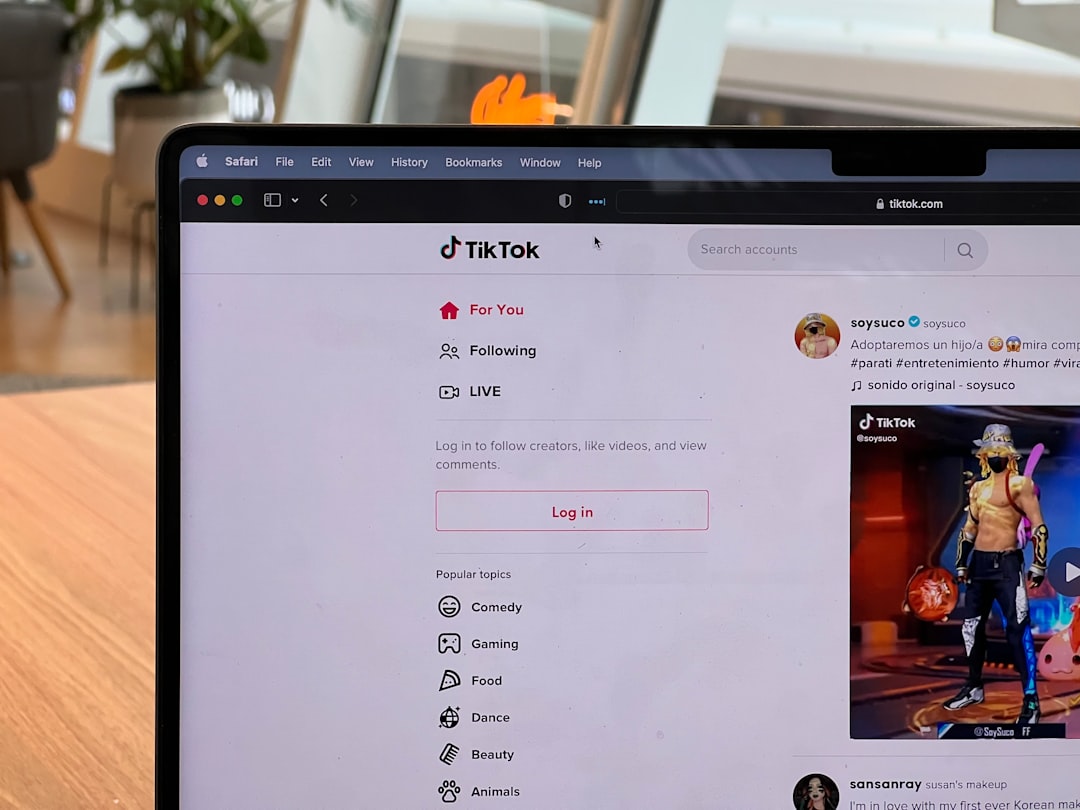
How the TikTok Algorithm Works in 2026
Every TikTok scroll is a decision the algorithm made for you. The For You Page (FYP) isn't chronological, isn't follower-based, and isn't random — it's a recommendation engine ranking millions of videos against signals about what you, specifically, are likely to watch to the end. For creators, th...

8 Best TikTok Competitor Analysis Tools in 2026
If you are managing TikTok content without a clear picture of what your competitors are doing, you are flying blind in one direction. You can see your own numbers. You cannot see what is working for the brands or creators competing for the same audience — which formats are driving their views, wh...
Hashtags Backfire: Why “More is Better” Is Costing You Engagement on Reels
Discover why using too many hashtags on Instagram Reels can hurt your reach and learn data-backed strategies to boost engagement the right way.
Put this into practice with Virlo
Turn what you just read into real research. These are the tools creators, agencies, and brands use to find what's working on short-form video.
Content Research Agent
Run your short-form research on autopilot — outliers, creators, and sounds across TikTok, Reels, and Shorts.
Tracking Center
Monitor breakout creators, videos, and competitors with daily snapshots and deep AI analysis.
Free Data
Explore free viral hooks, trending niches, breakout products, and more — no account required.
Get The Signal
Join creators, marketers, and agencies getting weekly trend breakdowns and social listening insights delivered free.
Subscribe to the Newsletter
Stop Guessing. Start Knowing.
Join thousands of digital entrepreneurs using data to take the guesswork out of capitalizing on trends.