How to Promote Products on Tiktok in 18 Ways
Learn how to promote products on TikTok with engaging videos, affiliate links, trends, and shop features to boost sales and reach more users.

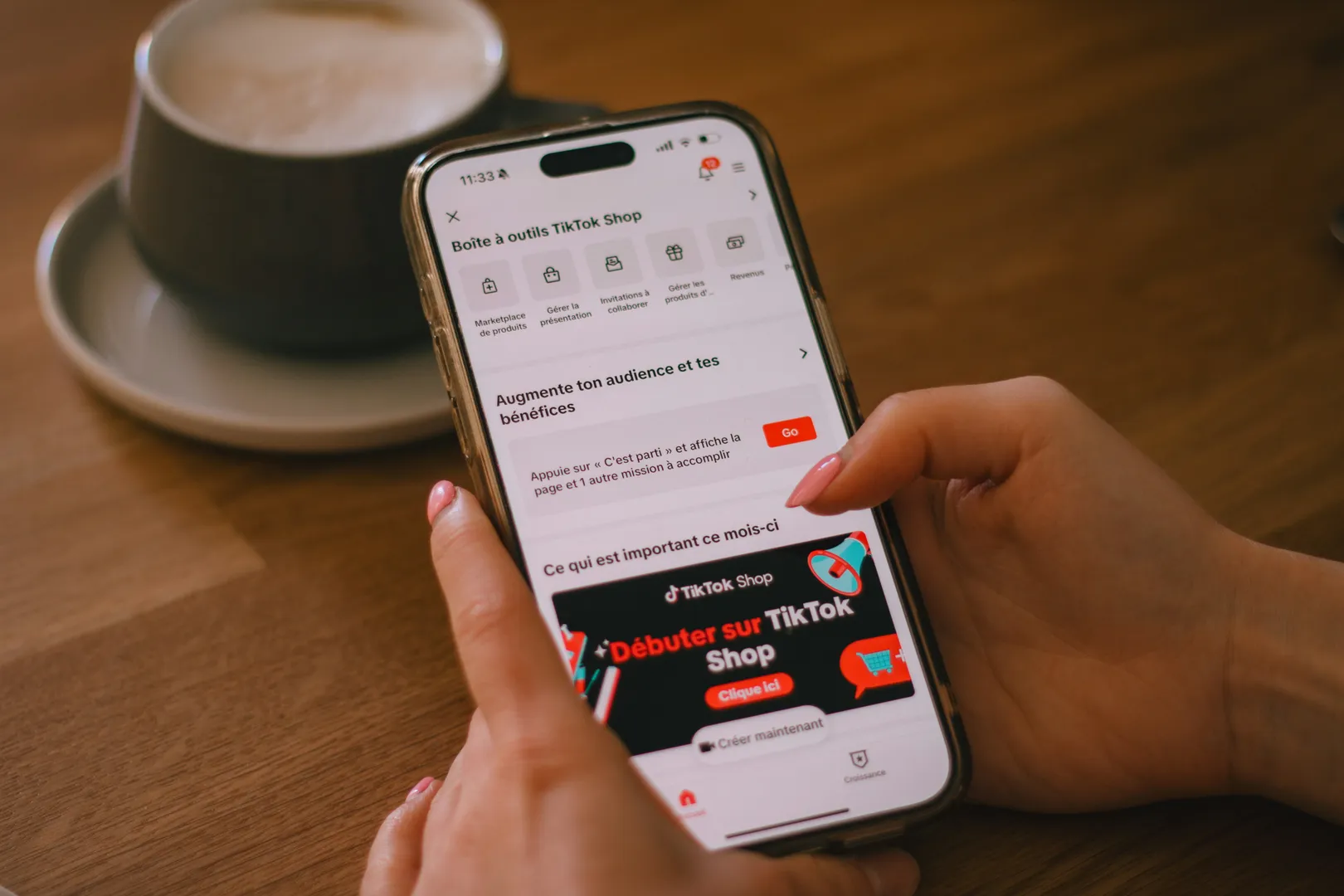
In Tiktok Shop Marketing, timing and trend spotting often decide if a clip becomes a sale or just another scroll. This article gives practical steps to find trends, craft short-form product demos, use hashtags and sounds, run creator collaborations and livestream shopping, and analyze content and analytics to turn views into sales.
To make that easier, Virlo's virality analysis tool shows rising trends, surfaces top creators and formats, and highlights which posts drive engagement and conversions. No jargon, just clear signals you can act on.
Summary
Timing and trend-spotting determine whether a clip converts or dies in the feed, and over 50% of TikTok users have purchased a product after seeing it advertised on the platform.
Organic creator content that blends short demos, honest pros and cons, and clear CTAs drives higher view-to-cart performance, and brands working with TikTok influencers see a 27% increase in engagement.
Choose paid amplification based on objectives, since 70% of marketers plan to increase TikTok ad spend in 2025. Quick Promote tests and Ads Manager experiments help avoid wasted budget.
Creator onboarding and compliance are gating factors for commerce readiness on a platform with over 1 billion monthly active users, so verification or documentation delays can cost valuable campaign windows.
Measure conversion-first funnels from watch rate to cart to purchase instead of fixating on views, especially since brands using TikTok ads report a 30% increase in engagement compared to other platforms.
Manual creator outreach fragments briefs and slows execution, and that matters because trends peak fast, typically requiring publishing within 24 to 48 hours to capture momentum.
This is where Virlo's virality analysis tool fits in, surfacing rising trends, top creators, and which posts drive engagement and conversions so teams can act within fast trend windows.
Table of Content
Can You Promote Products on TikToK?

Yes. You can promote products on TikTok in multiple ways. Organic creator videos, paid boosts using the Promote tool, full campaigns through TikTok Ads Manager, and direct selling via TikTok Shop or affiliate links. You may promote products you own or act as an influencer paid to feature a third party, and each route requires different creative choices, measurement, and setup.
1. Organic Creator Content and Direct Commerce
Short-form videos, lives, and product demos that drive awareness and purchases without paid amplification. Use pinned product links, in-video CTAs, and shopping tags when available to shorten the path from discovery to checkout.
Organic clips build trust and repeat engagement. When we compare creators who blend demos, honest pros/cons, and a clear CTA, view-to-cart rates rise because viewers feel guided, not sold to.
Practical detail: Optimize thumbnails, front-load the product benefit in the first 3 seconds, and add on-screen text for viewers watching without sound.
2. Paid Amplification: Promote Feature Versus Ads Manager
Promote is the one-click tool for boosting an existing post to reach more users; Ads Manager supports full-funnel campaigns with audience targeting, bidding, and creative testing.
Use Promote when you need quick reach or to validate a post’s potential; switch to Ads Manager when you want precise targeting, conversion tracking, or scale across creative variants.
Tactical note: Set clear objectives up front, track using TikTok pixel or server-side events, and test creative formats in small budget bursts before scaling.
3. Selling Directly On-Platform: TikTok Shop and Affiliate Pathways
TikTok Shop lets merchants list products and complete checkout inside the app; the Shop Affiliate program lets creators pick items to promote and earn commissions. Apply to the affiliate program, select products that fit your audience, and use product cards and live shopping features to cut friction for buyers.
How merchants use it: Onboard inventory, integrate order fulfillment, and align product creatives to native formats so listings look like content, not a catalog.
4. Promoting Third-Party Products: Creator Partnerships and Paid Sponsorships
Brands either pay creators for bespoke content or run co-created campaigns in which creators use their own voices to demonstrate the product. Partnerships that give creators creative control and clear performance goals, because rigid scripts produce views but poor conversion.
Pattern to expect: Hobbyist giveaway communities and fan-driven sports audiences often reward authenticity, so if a promotion feels staged, attention spikes, but purchase follow-through drops.
5. How to Get Started If You Sell Your Own Products
Set up or enable TikTok Shop (if available in your region), create a content plan of product demos, short testimonials, and behind-the-scenes clips, then test small paid boosts with Promote to validate creative signals before investing in Ads Manager campaigns.
Early metrics to watch: View-through rate, click-to-cart, and early conversion rate per creative; treat these as your go/no-go signals for scaling spend.
6. How to Get Started When Promoting Third-Party Items
Join the TikTok Shop Affiliate program, curate products that match your audience, disclose sponsorships transparently, and measure commission performance by tracking affiliate link conversions and average order value.
As a business, build a creator brief that states the results you want, provide product samples, and run small tests with 3 to 5 creators to see who moves the needle before signing larger deals.
7. The Familiar Workflow, Its Hidden Cost, and a Better Path
Most teams handle creator outreach manually, emailing lists and trading DMs because it is straightforward and low-tech, and this works for pilot campaigns. That approach breaks down as volume grows, leading to missed briefs, inconsistent messaging, and unclear attribution across creators, resulting in wasted budget and uneven performance.
Platforms like Virlo help centralize creator management, standardize briefs, and tie creative performance to sales outcomes, reducing coordination time and improving match quality as programs scale.
Related Reading
• Is Tiktok Shop Worth It
• How Does Tiktok Help Small Businesses
• Tiktok Social Commerce
• Tiktok Shop vs Instagram Shop
• Tiktok Shop Marketing
Requirements for Promoting Products on TikTok
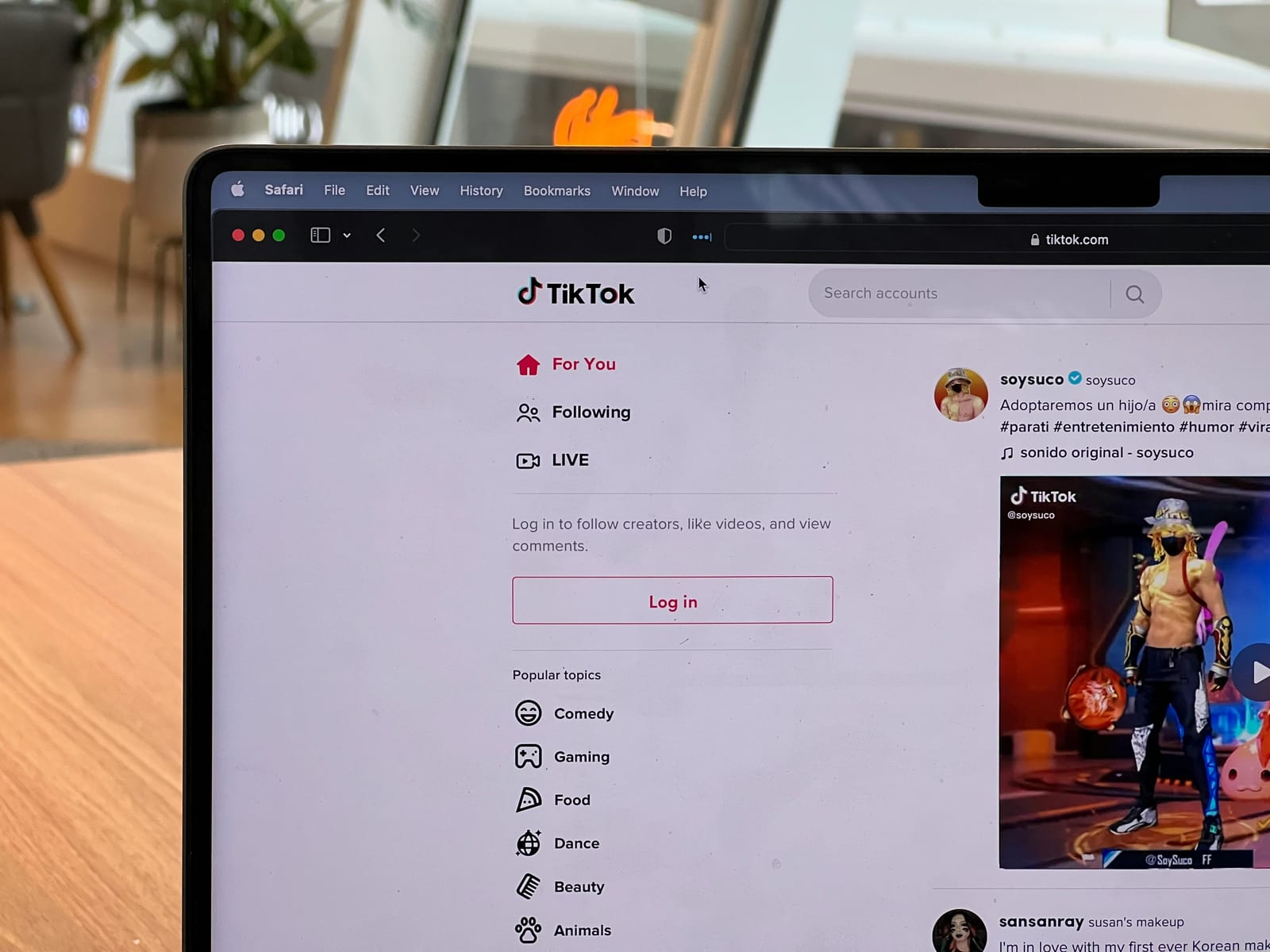
You can promote products on TikTok only if you meet platform eligibility, follow TikTok Shop and community rules, complete any required identity checks, and avoid associations or activities that would disqualify you; those checkpoints determine whether your content can link to products, earn commissions, or use in-app checkout. Below is a list of all requirements you must meet to be approved as a TikTok Shop Creator, with practical details and reworded language to avoid ambiguity.
1. Minimum Age and Legal Residency
You must be at least 18 years old and legally based in the United States to qualify, so plan your application timeline around age verification and any residency verification requests TikTok may make.
2. Follow-Count Thresholds by Creator Type
Different creator roles have different follower minimums, so confirm the exact follower floor for the role you want and meet that metric before applying; missing the required audience size is a common reason applications stall.
3. No Government, Politician, or Political Party Accounts (GPPPA)
Accounts classified as government entities, politicians, or political parties are excluded from creator commerce, so if your handle represents an elected official or party, you cannot get TikTok Shop creator permissions.
4. Clean E‑Commerce Record and Account Associations
You must have no history of e‑commerce permission revocation on TikTok, and you cannot be tied to accounts that previously lost those rights; TikTok checks both direct history and associated accounts during review.
5. Compliance with TikTok Shop Policies and Community Standards
You must adhere to the TikTok Shop Content Policy, Community Guidelines, Creator Code of Conduct, and all related Shop rules, including product eligibility, prohibited items, truthful product claims, and not manipulating engagement.
6. Creator Identity Verification Process (Who Needs It and When)
Most creators must pass identity verification after applying, except Official Shop creators, who are exempt; affiliates who fail verification will not receive e‑commerce permissions, and marketing creators only complete ID verification when they try to access the TikTok Shop Product Marketplace to earn commissions.
7. Accurate Sponsorship and Disclosure Practices
When promoting sponsored products or earning commissions, disclose the relationship clearly in video copy and captions, and use platform disclosure tools where available; opaque or misleading disclosures increase the chance of policy enforcement.
8. Product Safety, Listing Accuracy, and Prohibited Goods Compliance
If you list products, make sure descriptions, images, and claims exactly match the item, and confirm the product is not on TikTok’s prohibited list. Think of content and listings like a passport application; a single mismatch can stop progress.
9. Tax, Payment, and Payout Setup
Provide any required tax forms and valid payout details so commissions and sales can be settled; incomplete financial paperwork often delays payment eligibility even after creator approval.
10. Shipping, Returns, and Customer Service Readiness
Provide clear shipping times, return policies, and a plan for handling customer inquiries, because poor fulfillment or slow responses can trigger account action and degrade your eligibility over time.
11. No Prior Association with Revoked E‑Commerce Accounts
Beyond your own history, TikTok evaluates whether you are linked to accounts that had e‑commerce privileges removed; sever those ties and document changes before you apply to avoid automatic rejections.
12. Operational Transparency and Record Keeping
Keep receipts, invoices, and identity documents handy; TikTok may request additional evidence during verification or post‑approval audits, and fast, accurate responses reduce friction.
How to Promote Products on Tiktok in 18 Ways
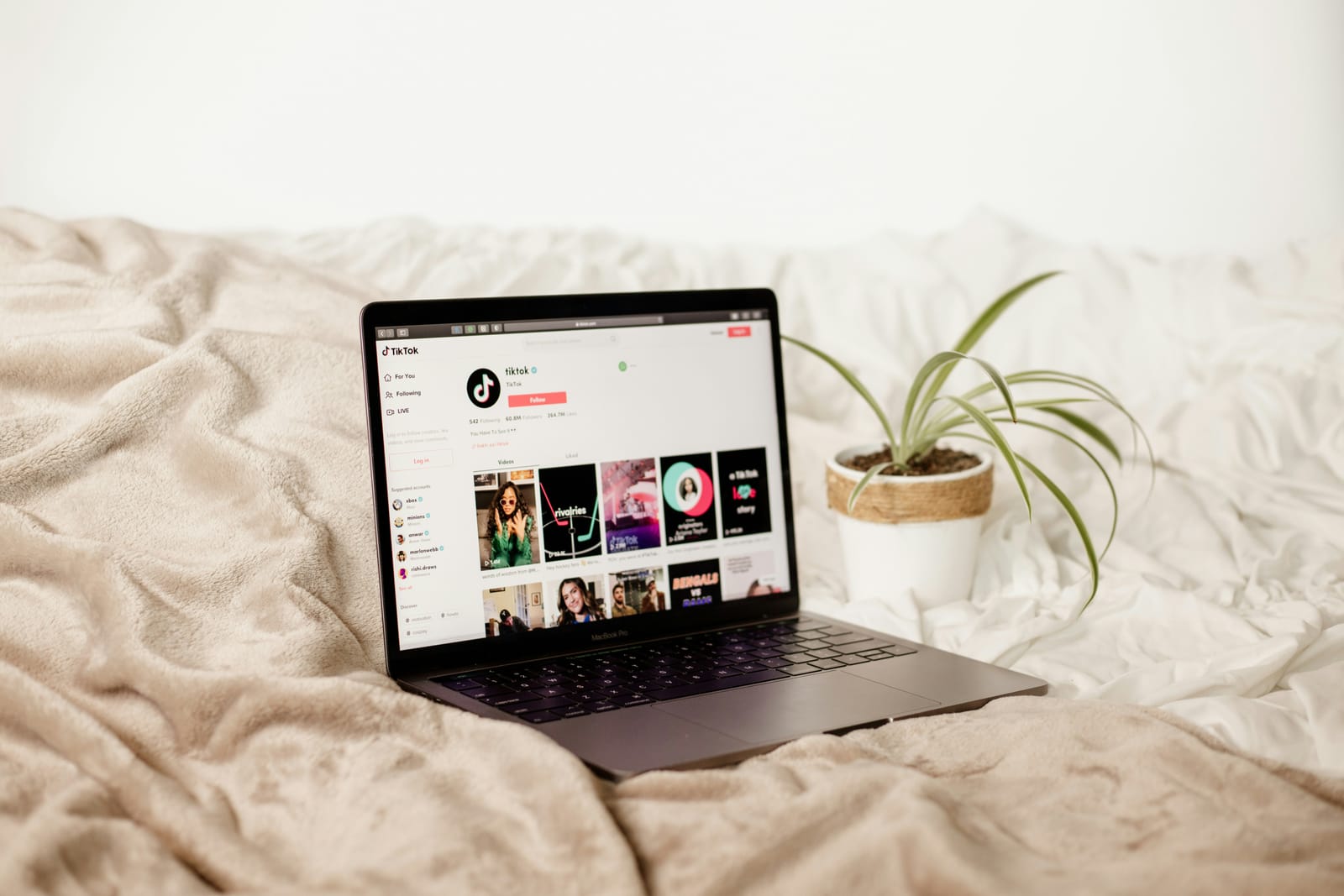
Yes. You sell through short, native content that captures attention, quickly proves the product, and removes friction between discovery and checkout. Treat each post as a tiny experiment. Test a creative variable, measure watch and click signals, then scale what lifts conversions, because reach without conversion is wasted energy, with over 1 billion monthly active users on TikTok.
1. Strong, Attention-Grabbing Hooks
Front-load a promise and a visual stake. Start with the product in motion, a bold caption, or a striking contrast so viewers instantly know why to stay. Test three hook types per creative batch, such as benefit-first, curiosity-first, and shock-first, and pick the one that drives the best 3-second retention. Use a thumbnail frame with clear text and a single focal point so the feed-level decision is obvious.
2. Short, Fast-Paced Demonstrations
Viewers decide in half a beat. Build a 6-12-second mini-script that shows the problem, the product action, and the payoff. Use jump cuts to compress time and maintain a consistent lighting setup to remove distractions.
For categories like clothing or gadgets, plan transitions on paper, like frame 1, movement cue, frame 2. That storyboard discipline keeps demos tight and repeatable.
3. UGC Creators Who Feel Like Customers
When we brief micro-creators, asking for unscripted first impressions and a single negative point produces higher trust signals than polished endorsements. Offer short creative prompts, sample captions, and payment options that include small upfront fees plus performance bonuses.
Standardize deliverables: 1 raw clip, one edited clip, captions, and permission to repurpose so that you can scale and maintain creative control.
4. Use Trending Audio and Aesthetic Cues
Trends decay quickly. Capture a trend early by saving the sound, testing it on a low budget, and measuring watch-time lift. Keep relevance strict; if the sound or meme does not map to your product’s emotion or function, skip it. Track a trend calendar and assign a point person to approve fast-turn content so you can publish within 24 to 48 hours of the trend peak.
5. Teach First, Sell Second with Edu-Marketing
People share solutions they can use. Structure how-to clips as three short steps, then close with a single, soft product placement that solves step three. For serviceable content, add on-screen cues that summarize each step for viewers watching with the sound off. Educational clips extend lifespan because viewers save them as references.
6. Boost Top-Performing Organic Posts with Spark Ads
Organic signals predict paid efficiency. Promote videos that already show above-average completion and an influx of "where buy" comments. When you boost, mirror the organic creative rather than creating a different ad, because authenticity is the conversion driver. Set small test budgets, monitor cost-per-click, and scale creatives that reduce cost-per-purchase, not just cost-per-view.
7. Optimize TikTok Shop Listings for Impulse Buys
Shop only matters if your listing reduces friction. Make product titles scannable, use lifestyle images that show scale and context, and keep a single best feature in the first image. Sync inventory to avoid stockouts during live events, because nothing kills momentum like a sold-out badge mid-promotion. If Shop is available in your region, treat product cards as part of creative, not an afterthought.
8. Affiliate Partnerships That Reward Performance
Offering variable commission tiers encourages creators to push promotional bursts. Start with a base rate and add bonuses for selling above thresholds in a 7-day window. Require tracking links and clear attribution windows, then pay fast. This aligns incentives so creators amplify when intent peaks.
9. Story-Driven Clips, Not Product-Only Spots
Stories increase watch time. Use a compact arc. Set up, minor conflict, resolution via product. Anchor the story in a real human moment so curiosity carries the viewer to the payoff. Staging a three-clip series around one narrative allows you to retarget viewers who watched part one but dropped off before part two.
10. Live Selling with a Tight Format
Live streams become noise without structure. Open with a hero SKU, run timed offers, and use a visible running timer for scarcity. Prepare a product rotation and callouts for common objections so hosts can answer quickly. Capture the live replay as short clips for reuse, since segments of high social proof perform well later.
11. Post Frequently with Format Rotation
Volume matters, but variety wins attention. Batch-produce two weeks of content across formats and rotate them so your algorithm signals richness. Use a simple calendar, such as demos, trends, stories, BTS, reviews. Vary shot scale and tempo so you avoid creative fatigue.
12. Micro CTAs That Guide Behavior
Big CTAs feel aggressive on TikTok. Use layered CTAs, one per visible cue. In-video text for immediate micro-actions like "save," a soft verbal CTA for mid-funnel asks, and the caption link for purchase intent. Tie each CTA to a measurable event so you know which prompt drives the following action.
13. Hashtag Mix That Signals Intent and Discovery
One hashtag gets discovery, another signals product intent. Combine niche tags, product keywords, and a single trending tag when relevant, but avoid overloading. Keep the first tag highly specific to your audience so the algorithm understands who cares about this content.
14. Design Social Proof into the Creative
Stitching authentic customer clips into hero creatives increases trust faster than on-screen review overlays alone. Layer in a screenshot of a review, a brief repeat-order clip, or a customer reaction within the demo. Make proof feel earned, not pasted on; that honesty shows in conversion lifts.
15. Serialized Content to Build Habitual Attention
Serial formats create appointment viewing. Use consistent visual hooks and episode numbering so returning viewers recognize the series instantly. Plan cliffhangers or unresolved questions between clips to lift return rates and push view-throughs into the next episode.
16. Humor and Everyday Relatability
Humor that feels forced repels. Test small bets with conversational skits that use real user language and scenarios. Keep punchlines short, tie the joke back to the product payoff, and measure saves and shares, because those signals predict organic spread.
17. Show the People and Process Behind the Product
Sharing three quick scenes from your operation, like packing, quality checks, and the team note, increases perceived authenticity. Make these honest, slightly imperfect shots so the brand feels human. That trust translates to higher repeat-buy potential.
18. Limited-Time Offers That Maintain Credibility
Scarcity only converts if it is real. Use stock-backed discounts and clear time windows, and never refresh the same "limited" offer immediately after it expires. Add a visible countdown and a clear return policy to reduce buyer hesitancy.
Best Practices to Promote Products on TikTok
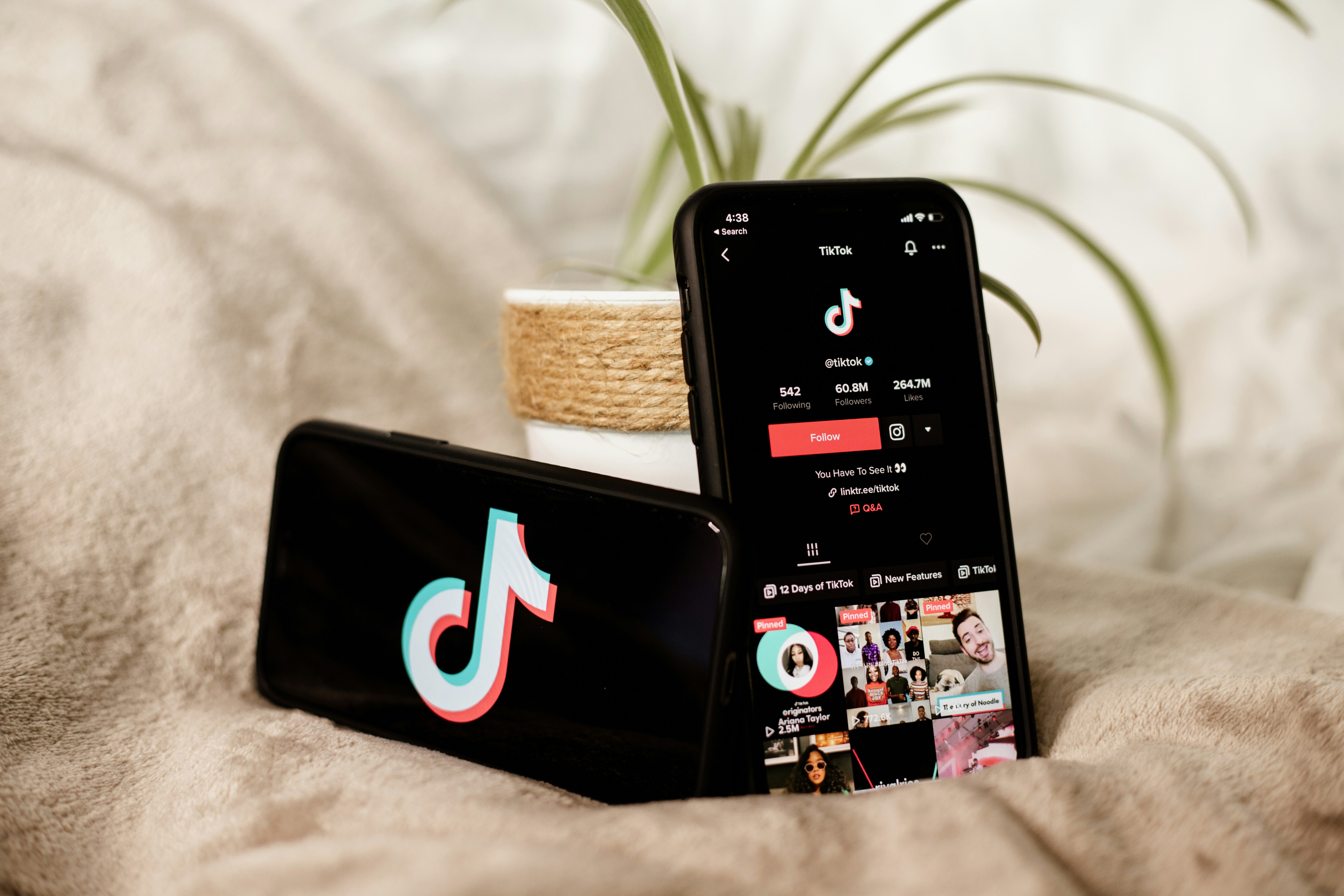
You can promote products on TikTok by aligning creative choices with real buyer intent and structuring experiments. Hence, each video answers a straightforward conversion question and measures outcomes beyond impressions to increase revenue. Do those three consistently, and you turn discovery into predictable sales instead of lucky spikes.
1. Use Virlo for Content Ideas
Virlo decodes viral patterns with AI-driven trend signals and creator-level analytics, showing which audio, visual treatment, and posting windows correlate with lifts in watch time and interaction.
Treat it as a hypothesis engine, sample trending combinations, run minor creative variants tied to a single success metric, then scale the variant that improves purchase intent. If your team is tired of guessing which meme will stick, Virlo provides the signal layer that turns scattershot bets into repeatable experiments.
2. Understand Your Target Audience
Who buys is not the same as who watches. Map audiences by action, not demographics. Fold together view depth, repeat viewers, and comment intent to create behavioral cohorts you can address with tailored creative.
For a new product, run two 7-day experiments that segment by interest and watch-depth; label creatives by cohort so you can compare which narrative converts a passive viewer into a cart adder. This approach stops spray-and-pray posting and forces you to learn which micro-messages move specific groups.
3. Create Content that Compels the Next Action
Design each clip to produce one measurable outcome, for example, a cart click, a save, or a follow. Use sensory anchors that cue intent in the first second, then move quickly to the one functional demonstration that answers why the viewer should act.
Think of the clip as a handshake, not a billboard. Your goal is to create enough trust in 6 to 12 seconds that the viewer takes the smallest possible next step.
4. Use Hashtags as a Coherent Discovery Funnel
Instead of scattering generic tags, assemble a three-part hashtag stack:
A niche interest tag that targets your micro-audience
One product-descriptive tag that signals purchase intent
A single brand tag for attribution
Track performance by tag cohort to see whether a given tag attracts casual viewers or shoppers. When a tag consistently brings buyers, prioritize that semantic signal in future briefs and paid targeting.
5. Leverage TikTok Ads with a Testing Scaffold
Run short creative lift tests that isolate one variable at a time, for example, audio versus thumbnail, then measure downstream actions using conversion events rather than raw video metrics. Use holdout groups to measure actual incremental impact, and treat creative iterations like controlled lab experiments. Change one thing, observe the funnel, then accept or reject.
That discipline captures real business value, because paid reach is only valid when it moves purchases, not just attention. According to Dash Social, brands that use TikTok ads see a 30% increase in engagement compared to other platforms, meaning ad placements can amplify creative signals when you test for conversion lift rather than vanity metrics.
6. Partner with Influencers Using Clear Performance Contracts
Negotiate deliverables that balance creative freedom with measurable outcomes. An agreed creative concept, required assets for repurposing, and tiered compensation that rewards sales spikes during a defined window.
Use attribution links or promo codes tied to each creator to connect their content to purchases, and require permission to iterate on high-performing assets so you can reuse authentic clips for paid amplification. This keeps relationships scalable and focused on results.
7. Run Contests and Giveaways to Catalyze UGC and Retention
Design mechanics that lower entry friction but raise distribution. Require a short clip showing real use, tag your account, and include a tiny paid boost to seed the best entries.
Make the prize proportionate to the ask and include a post-entry funnel, for example, a small discount for all participants, to capture email or shopper intent. Legal clarity and clear rules remove friction and preserve credibility by documenting eligibility, the timeframe, and the process for selecting winners.
8. Measure Results with a Conversion-First Dashboard
Move beyond views and likes by building a micro-funnel dashboard. Reach to watch rate, watch rate to micro-action like save or comment, micro-action to cart, cart to purchase, and then cohort LTV for repeat buyers.
Attribute at the creative level so you can retire formats that drive attention without purchase. When you measure creatives this way, you stop funding attention that never becomes revenue.
Related Reading
• Tiktok Shop Return Policy
• Why is My Tiktok Shop Not Showing
• Can I Sell Digital Products on Tiktok Shop
• Tiktok Shop Pros and Cons
• How Much Does It Cost to Sell on Tiktok
• Tiktok Shop vs Amazon
Go Viral with Virlo's Virality Analysis Tool
You already juggle trend timing, audio selection, creator briefs, and product demos while racing short-form attention, and that scramble costs you missed sales windows. If you want to replace hunches with clear, testable signals that connect trending audio, optimal posting times, and creator-fit to cart and checkout outcomes, consider Virlo, the AI-powered virality analysis tool that helps creators and merchants prioritize and scale short-form promos that actually convert.
Related Reading
• What Can You Sell on Tiktok Shop
• Tiktok Shop Seller Fees
• How to Add Products to Tiktok Shop
• Tiktok Shop Requirements
• Tiktok Marketing Tools
• How Does Tiktok Shop Work
• What Percentage Does Tiktok Shop Take
See What's Trending Right Now
- Social listening for TikTok, Reels & Shorts
- Spot viral trends before they peak
- Turn insights into ads, scripts & briefs
The Signal Newsletter
Weekly trend breakdowns, creator insights, and social listening tips — straight to your inbox.
Subscribe FreeSee Virlo in action
See What's Trending Right Now
- Social listening for TikTok, Reels & Shorts
- Spot viral trends before they peak
- Turn insights into ads, scripts & briefs
The Signal Newsletter
Weekly trend breakdowns, creator insights, and social listening tips — straight to your inbox.
Subscribe FreeRelated Articles
ChatGPT Dots for SMMA: AI Agents for Social Media Marketing
OpenAI just launched ChatGPT dots. Here's how SMMA and social media marketing agencies set up three AI agents that find, study and script what's going viral on TikTok and Instagram for every client.
How to Get Brand Deals on TikTok (Even With a Small Following)
You can get brand deals on TikTok at 1K to 100K followers: here is how to find brands already paying creators your size, set rates, pitch, disclose correctly, and earn deal two.
How to Cut a YouTube Video That's Not Yours in 3 Ways
Learn how to cut a YouTube video that’s not yours using three easy methods — online tools, screen recording software, and browser extensions — all explained step-by-step.
Put this into practice with Virlo
Turn what you just read into real research. These are the tools creators, agencies, and brands use to find what's working on short-form video.
Content Research Agent
Run your short-form research on autopilot — outliers, creators, and sounds across TikTok, Reels, and Shorts.
Tracking Center
Monitor breakout creators, videos, and competitors with daily snapshots and deep AI analysis.
Free Data
Explore free viral hooks, trending niches, breakout products, and more — no account required.
Get The Signal
Join creators, marketers, and agencies getting weekly trend breakdowns and social listening insights delivered free.
Subscribe to the Newsletter
Stop Guessing. Start Knowing.
Join thousands of digital entrepreneurs using data to take the guesswork out of capitalizing on trends.