How to Sell Your Products on TikTok Social Commerce in 8 Steps
TikTok Social Commerce: Master 8 proven steps to sell your products with smart profiles, creative content, and influencer strategies. Learn from Virlo.


Evolving trends in short-form content and live shopping have reshaped how consumers discover and buy products, with strategic shifts and dynamic algorithms influencing every post. Sellers grapple with turning fleeting interest into consistent results while monitoring the pulse of TikTok Social Commerce and Tiktok Shop Marketing. Innovations in hashtag challenges and viral sounds require agility and precise timing to stand out. A deep understanding of these shifts paves the way for more effective, conversion-driven strategies.
Businesses must equip real-time insights to transform creative moments into steady revenue streams. Mapping emerging trends and evaluating influencer performance are crucial steps in bridging engagement with sales. Virlo’s virality analysis tool delivers actionable data to streamline campaign strategies and boost marketing outcomes.
Table of Contents
Features of TikTok Social Commerce
Benefits of TikTok Social Commerce
How to Sell Your Products on TikTok Social Commerce in 8 Steps
Is Selling on TikTok Shop Worth It
Go Viral with Virlo's Virality Analysis Tool
Summary
Discovery drives sales on TikTok, with 67% of users saying they discovered new products on the platform and 35% reporting they bought something after seeing it there, which explains why content-first funnels are central to performance.
In-app commerce shortens decision time, with brands using TikTok Shop reporting about a 30% higher conversion rate versus other platforms, showing native checkout and shoppable tags materially lift purchases.
Creative velocity matters because TikTok has over 1 billion monthly active users, and the average user spends roughly 52 minutes per day on the app, enabling feedback loops that surface winning clips in days rather than weeks.
Operational capacity is a critical constraint, since successful clips commonly trigger 3x order spikes that overwhelm fulfillment when inventory sync and order routing are manual, turning traffic wins into service debt.
Creator programs should prioritize engagement over follower counts, because a creator with 10k engaged fans can outperform a 100k account with low interaction, so measure clicks, add-to-carts, and conversions rather than vanity metrics.
Scaling exposes fragmentation, evidenced by TikTok Shop revenue growing about 200% year over year, which is why teams that still use spreadsheets face stale tags, broken feeds, and approval cycles that stretch from hours into days.
This is where Virlo's virality analysis tool fits in, as it surfaces rising trends, ranks creator impact, and highlights shoppable videos and live shopping moments so teams spend less time guessing and more time converting.
Features of TikTok Social Commerce
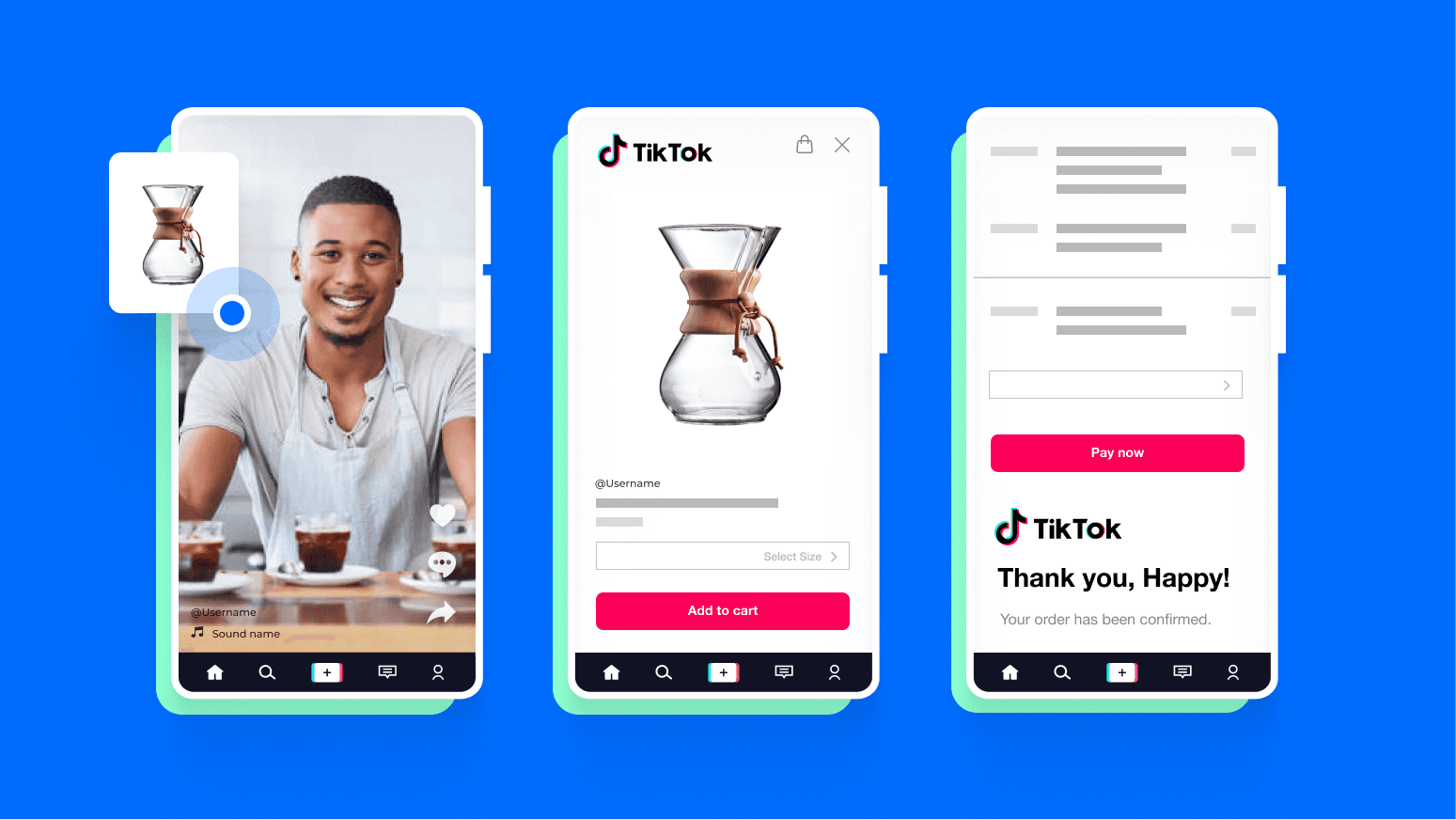
TikTok Social Commerce combines discovery, influence, and checkout inside the same app. This lets short videos act as direct pathways to purchase. Below, we outline specific platform features to show how they can change attention into orders. We also include insights on how they perform in real campaigns, including how our virality analysis tool can help you measure and optimize your content's impact.
1. What is TikTok Shop?
What it does: It hosts product catalogs, merchant pages, and mini storefronts inside TikTok, so shoppers can stay in the app. Sellers list SKUs, set prices, and show collections with creator recommendations.
How teams use it: Brands treat Shop pages like small e-commerce sites. They link content and promotions to product listings and sync inventory with backend systems. This sync is important because having different stock across channels can hurt sales quickly.
Why it matters: Shop turns impulse attention into orders by making it easier to go from discovering a product to checking out. It creates a smooth flow from content to shopping.
2. What are live shopping events?
What it does: Real-time streams where hosts show products, answer questions, and share shoppable links that viewers can click to buy instantly.
How teams use it: Marketers schedule special product drops, run limited offers during streams, and combine shopping incentives with live Q&A to help reduce buyer hesitation. Tactical scripts and prepared product pages make live conversions more predictable rather than chaotic.
Failure mode: Live works until the merchant can't handle spikes in orders. Without order routing and inventory automation, streams with high engagement can lead to service problems and unhappy customers.
3. How does shoppable video content work?
What it does: This includes product tags, clickable stickers, and links added to short videos, making each clip work as both an ad and a product page.
How teams use it: Creators mix tags into their storytelling, not just in product shots, so buying feels like a natural next step in the story. Product tags are like windows on a busy street, letting users look inside without interrupting the moment.
Practical tip: Think of tags as valuable space for conversions; change images, update prices, and A/B test thumbnails. Small creative changes can affect conversion rates more than backend updates.
4. What are personalized product recommendations?
Personalized product recommendations make user experiences better by showing relevant products based on different behaviors. This includes things like viewing habits, likes, shares, and past purchases.
This way, the For You feed works like a customized store. Merchants are important in this process because they provide catalog metadata and performance signals to the system.
They depend on the recommendation engine to help them reach specific micro‑audiences. One clear pattern is that brands that use personalized recommendations usually reduce wasted ad spend and get better average revenue per user (ARPU). The algorithm does this by increasing relevance across millions of micro-signals instead of just using general demographics.
5. What payment tools are in-app?
In‑app Checkout and Payment Tools: What it does: It allows users to pay without leaving TikTok. Users can use saved cards, wallet features, or local payment methods. It also supports refunds and order tracking inside the app.
How teams use it: They make it easier for users by changing from multi‑page checkouts to just one or two taps. Then, they match orders with fulfillment partners using an API.
Evidence of impact: When checkout becomes easier, conversion rates improve. This is why platforms prefer native payment flows instead of sending users to external carts.
6. How do creator and influencer tools work?
What it does: It provides affiliate links, product integrations for creators, and commission dashboards that help creators earn money from direct recommendations.
How teams use it: Campaigns combine creator scripting, product pages, and commission rules so creators can sell while keeping content authentic. This results in better alignment between content incentives and sales goals.
What breaks: When incentives do not match creative freedom, they lead to scripted content that users skip. It's important to design the program so creators can change product messaging to fit their own voice.
7. What does catalog management automate?
Catalog management and product tagging automation provide essential functions for e-commerce businesses. It centralizes product feeds, automates tag placement, and updates pricing or availability across content
Teams utilize this by connecting existing product feeds to TikTok. This ensures that tags, live inventories, and recommended items remain accurate without requiring manual edits.
This automation significantly saves time by eliminating the need for manual copy and paste work, especially as catalogs grow. By doing so, it prevents mismatches and reduces the risk of canceled orders.
8. How do ads integrate with commerce?
What it does: It mixes paid promotions with formats you can shop from, allowing brands to boost their organic hits with direct buy links.
How teams use it: Marketers use short paid videos to test their creative ideas, then they take the successful ones and turn them into shoppable ads and promotions in the app.
Tradeoff: Paying for reach gives you visibility, but having a relevant creative is still what drives sales; spending money without a tested creative process is a waste.
9. How is order management handled?
Order Management, Fulfillment, and Seller Tools are very important in the e-commerce system. They offer key features like order dashboards, dispute management, and connections for fulfillment and shipping providers.
Sellers use these tools to automate how orders go to warehouses and to keep track of returns
This automation helps ensure that customer service stays steady, even during spikes in demand. However, many teams welcome increased traffic but forget to plan for the scaling of fulfillment. This mistake can cause problems, changing a possible success into operational difficulties.
10. What insights can be gained from analytics?
What it does: It tracks which videos, creators, and placements bring in clicks, helps with adding items to carts, and leads to completed purchases. This connects content to revenue signals.
How teams use it: They measure how content drives conversions and then shift creative resources to formats that deliver real return on investment (ROI) rather than focusing solely on vanity metrics.
The discipline: Attribution on short-form platforms encourages quick testing of ideas and efficient creative operations.
What are the key patterns in TikTok commerce?
From November to now, the pattern is clear: discovery happens first, followed by conversion. Both processes rely on creative formats and frictionless purchase paths. To show that discovery matters, think about this: 67% of TikTok users say they found new products on the platform, according to Sprout Social (2025). This is why brands invest in content-first funnels. Also, evidence shows that discovery can lead to real sales. In fact, 35% of TikTok users have bought a product after seeing it on the platform, according to Sprout Social (2025). This statistic emphasizes how important conversion mechanics are within the app.
How do teams manage capabilities?
Most teams put these capabilities together by hand, as this way feels immediate and familiar. While this method might work for smaller efforts, it causes problems as products, creators, and campaigns grow. Tags can become outdated, inventories might get out of sync, creators often do not have combined performance data, and customer service struggles with more work. Platforms like Virlo centralize catalog feeds, automate tag deployment, and show creator analytics. Because of this, teams can move away from managing several point solutions and instead achieve synchronized content, commerce, and fulfillment flows that keep both speed and quality.
What should teams prioritize?
Prioritizing features depends on certain limits. If speed to market is important, teams should begin with shoppable tags and in-app checkout. On the other hand, if long-term margin is key, it is wise to invest in automated inventory sync and creator commission models. This helps to prevent margin loss due to manual mistakes.
What impact do features have?
While the technical list may seem complete, tougher questions about impact and why some features are preferred over others still need answers.
Benefits of TikTok Social Commerce
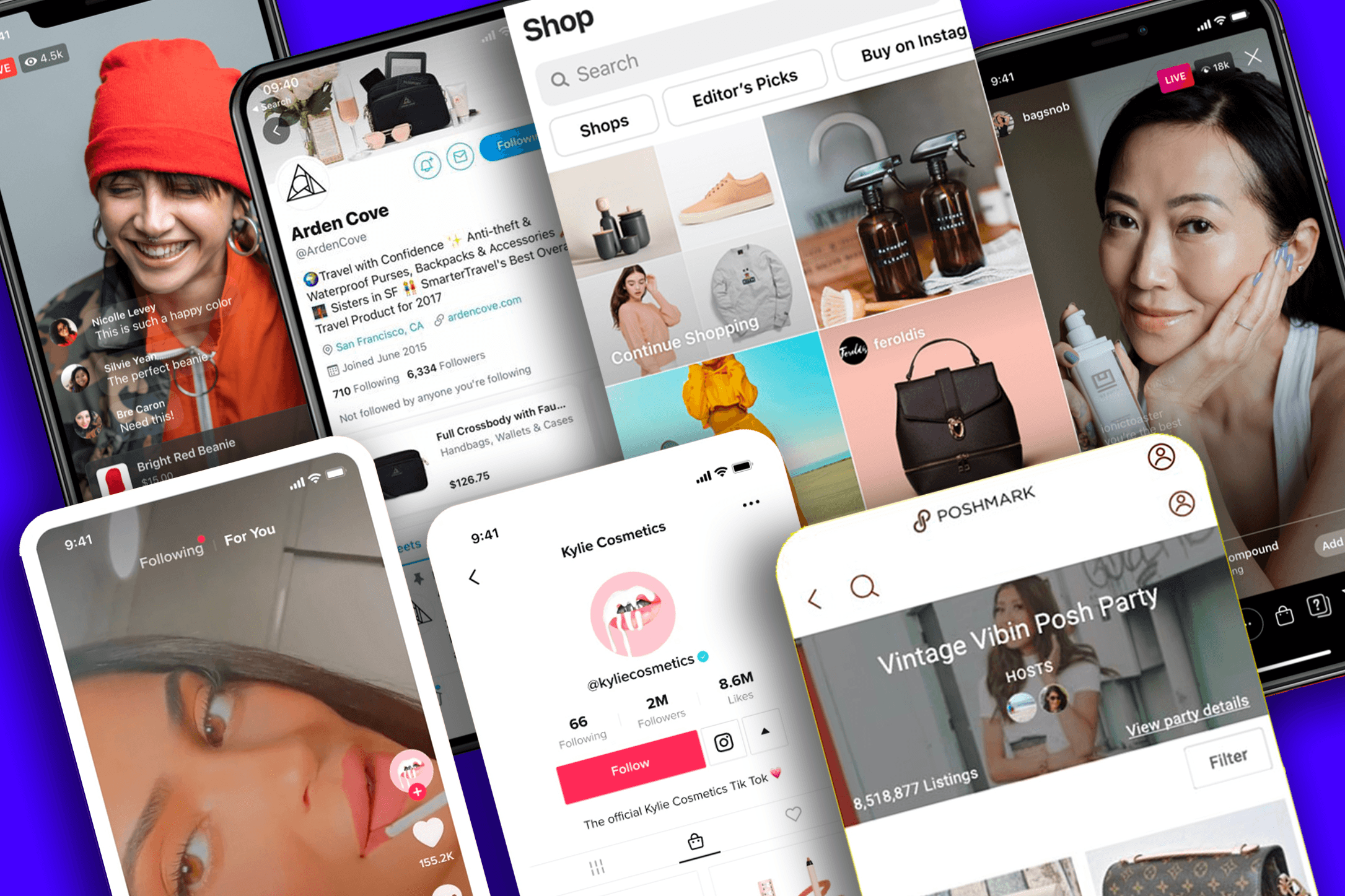
TikTok social commerce provides fast and easy ways for users to go from noticing something to buying it. It focuses on unusually young and eager audiences right in the middle of the buying process. The platform's unique audience and large size make it a great place to try out creative ideas, see what works best to get people to buy, and rapidly create regular customers. Utilizing a virality analysis tool can help optimize your approach.
1. What are the advantages of reaching a young audience?
Enhanced reach to a young, engaged audience. TikTok’s audience is not only large, but it is also young and trend-driven, which changes how value builds over time. According to Hostinger Tutorials, TikTok has over 1 billion monthly active users. The sheer scale lets small campaigns reach highly relevant audiences without huge budgets. Additionally, Hostinger Tutorials, over 60% of TikTok users are under the age of 30, which shows why early-adopter behaviors boost brand signals: a compact, enthusiastic fan base will find, remix, and share your product faster than traditional channels. Practically, your best creative tests should focus on cultural relevance first, then follow up with ways to increase conversions.
2. How does TikTok facilitate quick purchases?
A smooth content-to-checkout flow shortens decision time. Beyond in-app buying, the real benefit lies in behavioral factors, not just technical ones. When content and commerce share the same focus, buying feels like the most natural next step. This connection reduces hesitation and speeds up the time from discovery to transaction. As a result, conversion rates go up when creative images and product photos tell a clear two-line story: problem, solution.
3. How do influencer partnerships enhance social proof?
Influencer partnerships and user-generated content (UGC) are powerful tools for building social proof. Influencers are not just a one-time ad channel; they act as content multipliers. When creators genuinely use a product, the responses from their followers build a lasting library of social proof, significantly reducing friction for future buyers. The main tradeoff to manage is between control and authenticity. While strict scripts ensure consistency, they can weaken the trust signals that drive conversions. So, it's crucial to create incentives that reward performance while keeping the influencer's unique voice.
4. What targeting strategies lead to faster market fit?
Rich, actionable targeting helps achieve faster creative-market fit. TikTok’s targeting tools let brands quickly try out ideas on smaller audiences. The main benefit is the feedback loop that allows brands to learn about creative-market fit in days instead of weeks. By testing different versions among specific groups and moving the budget toward formats that grab attention, brands can improve their strategy. A common trend appears across many campaigns: a single short clip improved through two small tests usually does better than bigger campaigns that spend a lot without checking the creatives first.
5. Why are live events important for building trust?
Live events serve as trust engines, not just sales drivers. Live streaming helps decrease buyer uncertainty in real time. Demonstrations, quick Q&A sessions, and limited-time offers create both urgency and social proof. However, the operational risk involves the potential for spikes in demand that can overwhelm fulfillment capacity. If this happens, the resulting operational failures can erode trust more quickly than any creative win can restore it.
6. How do ad costs impact media strategy?
Lower relative ad costs combined with organic growth mean that TikTok often delivers reach at a lower cost-per-click compared to older platforms. This suggests a new media strategy: spend more on creative discovery and use fewer dollars on broad amplification until a successful idea is found. A careful approach allows the use of paid budgets mainly to speed up proven organic successes, rather than chasing uncertain ones.
7. What role do personalized interactions play in loyalty?
Loyal communities are built by having consistent and personalized connections. Building loyalty uses behavioral design: regular, genuine interactions in comments, follow-ups led by creators, and small, exclusive rewards make customers want to return. Brands that focus on community increase repeat rates by making fans feel seen and not bought. This approach improves lifetime value more reliably than getting customers through discounts.
8. How can virality be achieved on TikTok?
Viral potential can change small bets into big returns. Getting something to go viral on TikTok is based on chance, but it can happen again and again when experiments are set up correctly. A creative way to do this is to isolate one factor in each test and consider sound, editing, and thumbnail as measurable tools. This can turn many low-cost experiments into a few big successes. This process is similar to seeding; planting many small ideas helps in growing the few that truly take off.
9. What analytics provide deeper insights?
Deeper analytics reveal the creative anatomy of content, not just the outcomes. The necessary analytics go beyond conversion numbers; they include micro-behaviors such as where viewers drop off, which cuts generate comments, and which audio clips lead to increased cart additions. Accessing this signal-level data enables the transformation of creative craft into a reproducible process, moving away from reliance on random viral luck.
How do teams manage trend discovery efficiently?
Most teams find trends and track creator performance using spreadsheets and message threads because these methods seem quick and cheap. While this common approach can work at first, it becomes a problem as the number of creators, campaigns, and inventory increases. Spreadsheets can become scattered, version issues can happen, and decision-making can take days. Tools like the virality analysis tool platform bring together trend signals, automate creator scoring, and shorten review times from days to hours. This helps teams keep up their speed without giving up reliability.
What are the risks of relying on TikTok?
The emotional cost is significant for merchants. They often feel excitement from increased traffic, but then they panic when they face unexpected freezes or withheld payouts that create cash shortfalls. This vulnerability is a fundamental constraint for small sellers. Because of this, their risk calculations change about how much revenue they are willing to leave vulnerable to any single platform.
What analogy illustrates the challenges of selling on TikTok?
A fitting analogy is to treat TikTok like a storm that brings both new fish and rough water. You want the nets in the water when the shoal arrives. Moreover, the hull should be reinforced so the boat can weather the bad conditions.
How can Virlo assist content creators?
Virlo helps short-form content creators understand how to go viral using AI to analyze trends. You can go viral with Virlo's virality analysis tool.
What challenges lie ahead for merchants?
While it may seem like a turning point, the most difficult decisions about how to act on this are still ahead.
Related Reading
Tiktok Shop Marketing
Tiktok Shop vs Instagram Shop
How Does Tiktok Help Small Businesses
Tiktok Social Commerce
Is Tiktok Shop Worth It
How to Sell Your Products on TikTok Social Commerce in 8 Steps
You sell on TikTok through social commerce by building a focused business profile and using short-form content that turns curiosity into clicks. You also need to connect the creator and commerce tools so that attention turns into orders quickly. Below, I outline the eight practical steps you requested, which have been turned into action items you can use today.
1. What is the first step to sell on TikTok?
Create a focused profile that guides action. Pick a single username that matches your shop and other channels. Make a clear photo and bio that tells viewers what you sell and why it matters in one line. Add direct links to Instagram or YouTube, and pin one product or collection in your bio so first-time visitors see a clear purchase path without hunting. Treat your profile like a physical storefront window, not a resume; every element should answer the shopper's question: what do I buy and how do I buy it? Our virality analysis tool can provide insights to enhance your profile's effectiveness.
2. How do I unlock data on TikTok?
Move to a Business profile for data and signals. Switching to a Business account unlocks analytics, contact fields, and link options designed for merchants. Business accounts provide valuable conversion signals and audience breakdowns that can be acted upon, rather than simply vanity counts. Utilize these reports weekly to identify which short clips drive add-to-cart actions; then concentrate efforts where clear patterns emerge.
3. What content should I create for TikTok?
Produce short, repeatable content with a test plan. Make simple creative experiments your production rhythm: three 15–30 second takes per idea, each changing one variable like sound, opening hook, or thumbnail. Favor candid, utility-first clips such as quick how-tos, micro-demonstrations, and day-in-the-work edits. If creating feels paralyzing, start a 10-day sprint where you post one raw clip per day and keep everything under 60 seconds. Patterns will surface quickly, and iteration will beat perfection.
4. How should I interact with my audience?
Be proactive in your interactions with the audience. Answer comments that have questions or objections within the first 24 hours, and pin the most valuable replies so future visitors can see social proof right away. Use short live sessions to turn curious commenters into buyers, but make sure to schedule buffers to avoid service delays from orders made during a stream. Treat every reply as a tiny conversion funnel; be engaging to build trust, which leads to repeat customers.
5. How can I effectively work with influencers?
Structure influencer programs based on outcomes instead of follower counts. Recruit creators who match well with your product and use a pay-for-performance model along with reach. A mix of product seeding, special discount codes, and simple affiliate tracking usually works the best. Focus on engagement rates and the quality of comments instead of just audience size. A creator with 10k dedicated fans who actively buy will often perform better than an account with 100k followers but low interaction. Keep track of each partnership by watching clicks, add-to-carts, and conversions to see what actually brings in revenue.
6. How do I encourage user-generated content?
Encourage real user content and make sharing easy. Give customers simple and clear prompts to share, like a hashtag, a quick challenge, or a 10-second template they can use. Highlight the best posts on your product pages and in-studio playlists to boost social proof. The aim should be authentic displays instead of flashy ads. When shoppers see real people using a product, their doubts fade away faster than any advertisement.
7. How should I organize my product listings?
Use every selling surface carefully. List your catalog so that product tags, profile storefronts, and live sessions all point to one canonical product page with consistent imagery and copy. Focus on getting titles, prices, and shipping estimates right. Mistakes can hurt conversions and trust. The platform rewards matching content and checkout, so small mistakes can end up costing more than you think.
8. What tools do I need for TikTok selling?
Learn to use the Seller Center and tracking pixels. Install tracking pixels and connect your catalog to measure which clips make real revenue. Think of the Seller Center as your operation hub; it’s where you manage SKUs, keep an eye on disputes, and check creator payouts. Make sure to regularly check feed syncs and return rates because most conversion gains disappear when fulfillment or returns disrupt the buyer experience. Additionally, utilizing a virality analysis tool can help optimize your approach.
Why are these steps necessary now?
Why these steps matter right now, with Insense Blog, over 1 billion monthly active users on TikTok, you are choosing a platform that offers unmatched reach. Because of Insense Blog, TikTok users spend an average of 52 minutes per day on the app; your content has a real chance to be discovered multiple times a day. Those two facts change how you budget creative and inventory. Attention is plentiful, but only disciplined execution turns it into orders.
How can I overcome creative paralysis?
A common problem people face is creative paralysis. This happens when the fear of making fake content stops them from creating anything. This issue is prevalent among small sellers. When you have little time or feel uneasy, try using a constrained format for two weeks, posting every day. Check which small changes bring noticeable improvement. This approach turns uncertainty into an experiment, and experiments lead to repeatable wins.
What is the status quo problem in selling?
The status quo problem and a practical alternative. Most teams manage creator briefs and inventory updates with scattered messages and spreadsheets because it seems quick and straightforward. As creators, SKUs, and live events grow, those threads become fragmented, approvals take days, and tags become outdated. This decreases conversion and leads to more canceled orders. Tools like a virality analysis tool can centralize creative briefs, automate tag deployment, and route approvals. This way, review cycles shrink from days to hours while maintaining complete audit trails, allowing teams to grow without losing quality.
How can I visualize my TikTok selling strategy?
A short, clear analogy can help make decisions easier. Think of selling on TikTok like running a bakery window at a busy street festival, rather than a quiet online store. You need tempting displays, staff who can answer questions fast, and plates ready when people point and say, "I want that."
What key measure is crucial for success?
While that may seem like the finish line, there is one critical measure that determines whether the work is really worth it.
Related Reading
Why is My Tiktok Shop Not Showing
Tiktok Shop Pros and Cons
Tiktok Shop Return Policy
Tiktok Shop vs Amazon
How Much Does It Cost to Sell on Tiktok
Can I Sell Digital Products on Tiktok Shop
Is Selling on TikTok Shop Worth It

Yes, TikTok Shop can help sellers turn fast discovery into reliable fulfillment and repeat business. However, it is not a good option when margins, fulfillment, or creative capacity are weak. Your choice should depend on product fit, operational readiness, and a disciplined testing plan.
1. Who gains most from TikTok Shop?
Creators and brands that rely on culture-driven discovery and short-form storytelling succeed the fastest with TikTok Shop. Those who make regular, native video content and can turn attention into orders within 24 to 72 hours effectively use the platform’s strengths. This trend is commonly seen among niche clothing, impulse-friendly beauty products, novelty items, and creator-led product lines.
2. When is it not worth the effort?
When a product has long lead times, thin margins, heavy customization, or needs complex customer service, the platform's speed can become a problem. This issue is clear in fields like print-on-demand and custom manufacturing. Even if many people are looking at the products, the time between checkout and delivery can hurt both profits and customer trust.
3. What about creative costs and conversion economics?
Creative costs and conversion economics should be seen as recurring costs instead of a one-time advertisement. A creative pipeline is important to create controlled experiments every week because conversion rates can change more quickly on newer platforms than on older ones. The calculation is simple: if your average order value and margin cannot cover ongoing creative costs plus platform fees, it’s smart to pause and redesign the offer.
4. How does brand ownership affect sales?
Brand ownership and platform loyalty. This challenge is clear in small shops and creator storefronts, as customers usually show more loyalty to the platform instead of any single seller. This limits direct lifetime value. Selling on TikTok Shop should be part of a multi-channel strategy that gathers emails, offers repeat-purchase incentives, and directs buyers to owned channels after their first sale.
5. Why is fulfillment readiness essential?
Fulfillment readiness is a must-have requirement. Operational problems grow faster than successful creative ideas. If your warehouse can't manage a threefold increase in order volume, or if your returns process is done by hand, a big sales increase will lead to service debt. It is important to fix order routing, establish shipping service level agreements (SLAs), and enhance return handling before you scale operations. The damage to your reputation from failed orders adds up quickly.
6. How should you measure success?
Measurement and test discipline are very important. You need to check add-to-cart rates, conversion rates, repeat rates, and cost-per-order for each different version of your creative. When teams look at vanity metrics, they focus on impressions that don't turn into orders. A better way is to use constrained testing: run three versions for each creative idea, see which one gets more carts, and then promote the one that wins while making attribution automatic.
7. What are the fees and margins to consider?
Fees, margins, and the math involved are crucial to understand. Account for platform commissions, creator payouts, payment processing, and higher creative spending. Conduct a break-even analysis by SKU that includes a conservative fulfillment buffer and a modest repeat rate. If your unit economics break with those buffers, the channel will erode margins over time.
8. How do creator programs perform?
Creator programs structured for performance yield the best results. Sellers with established communities benefit most when incentives reward actual sales rather than simply posts. A common approach is to pay flat fees to creators, as it seems straightforward. However, the hidden cost includes low accountability and inconsistent ROI. Teams discover that mixing product seeding, lightweight affiliate tracking, and small performance bonuses effectively aligns incentives while preserving creative authenticity.
9. What evidence shows the platform scales commercially?
The platform's commercial scalability is evident in Capital One Shopping's rapid growth. TikTok Shop's revenue grew by 200% over the last year, highlighting the rapid rise in commerce activity. This trend is backed by insights from TikTok Shop in 2025: performance, trends, and strategies for brands, where brands using the platform report a 30% higher conversion rate compared to other platforms. This helps explain why some merchants see much better purchase rates, especially when creative elements and product fit come together.
10. What checklist should you follow before committing?
Verify unit economics with careful guesses for returns and smart spending.
Prepare fulfillment buffers and a clear return SLA.
Build a constrained creative test plan, and conduct at least one small experiment each week for 30 days.
Set up attribution to track creative-to-order paths.
Design a simple retention flow to move buyers into owned channels.
How can you improve operational efficiency?
Most teams coordinate creative approvals and inventory updates through email or spreadsheets because these methods feel familiar and don’t need any new tools. While this approach works well for small projects, it has problems when there are more creators and faster-paced campaigns. Threads get messy, approvals get delayed, and tag or inventory errors happen. Platforms like Virlo's virality analysis tool bring approvals together, automate tag deployment, and show creator performance. This speeding up of review cycles cuts down time from days to hours while keeping records and reducing manual mistakes.
What analogy can clarify decision-making?
A quick analogy for understanding decision-making is to think of TikTok Shop as a busy festival stall rather than a quiet catalog. A great performer can attract a crowd, but if there is no cashier, the right change, and boxes, that moment is wasted, and your reputation suffers.
What is the primary operational friction?
The frustrating part is that even when everything seems to be going well, one big problem still slows teams down.
Go Viral with Virlo's Virality Analysis Tool
If you want to stop guessing which short clips will really sell and start building dependable, shoppable momentum, consider Virlo. Many teams try to find trends by doing random tests because it feels urgent. However, this method often takes a long time and slows growth. Tools like Virlo turn confusing information into clear choices for posting and making content. This allows for faster changes while still focusing on creating content that sells. It is a viral analysis tool that helps optimize your content strategy.
Related Reading
How Does Tiktok Shop Work
Tiktok Shop Requirements
Tiktok Marketing Tools
Tiktok Shop Seller Fees
How to Add Products to Tiktok Shop
What Can You Sell on Tiktok Shop
What Percentage Does Tiktok Shop Take
See What's Trending Right Now
- Social listening for TikTok, Reels & Shorts
- Spot viral trends before they peak
- Turn insights into ads, scripts & briefs
The Signal Newsletter
Weekly trend breakdowns, creator insights, and social listening tips — straight to your inbox.
Subscribe FreeSee Virlo in action

See What's Trending Right Now
- Social listening for TikTok, Reels & Shorts
- Spot viral trends before they peak
- Turn insights into ads, scripts & briefs
The Signal Newsletter
Weekly trend breakdowns, creator insights, and social listening tips — straight to your inbox.
Subscribe FreeRelated Articles
ChatGPT Dots for SMMA: AI Agents for Social Media Marketing
OpenAI just launched ChatGPT dots. Here's how SMMA and social media marketing agencies set up three AI agents that find, study and script what's going viral on TikTok and Instagram for every client.

How to Get Brand Deals on TikTok (Even With a Small Following)
You can get brand deals on TikTok at 1K to 100K followers: here is how to find brands already paying creators your size, set rates, pitch, disclose correctly, and earn deal two.
How to Cut a YouTube Video That's Not Yours in 3 Ways
Learn how to cut a YouTube video that’s not yours using three easy methods — online tools, screen recording software, and browser extensions — all explained step-by-step.
Put this into practice with Virlo
Turn what you just read into real research. These are the tools creators, agencies, and brands use to find what's working on short-form video.
Content Research Agent
Run your short-form research on autopilot — outliers, creators, and sounds across TikTok, Reels, and Shorts.
Tracking Center
Monitor breakout creators, videos, and competitors with daily snapshots and deep AI analysis.
Free Data
Explore free viral hooks, trending niches, breakout products, and more — no account required.
Get The Signal
Join creators, marketers, and agencies getting weekly trend breakdowns and social listening insights delivered free.
Subscribe to the Newsletter
Stop Guessing. Start Knowing.
Join thousands of digital entrepreneurs using data to take the guesswork out of capitalizing on trends.