8 Incredible Benefits of UGC Content for Brands
Discover the 8 key benefits of UGC content and why it’s become a trusted strategy for driving engagement and brand growth.


Your customers are already creating content about your brand. They're posting reviews, sharing photos, making videos, and telling their stories across social media platforms. This user-generated content carries more weight than any polished advertisement you could produce, yet many brands struggle to seize its full potential.
Understanding the benefits of UGC content within current UGC trends means knowing how to spot what resonates, measure what works, and turn authentic customer voices into your most powerful marketing asset. This guide will show you practical ways to find viral trends and analyse performance so you can make smarter decisions about the content your audience actually wants to see.
That's where a virality analysis tool like Virlo comes in. Instead of guessing which user-generated posts might take off or manually tracking engagement across platforms, you get clear insights into what's gaining traction and why. Virlo helps you identify emerging patterns in user content, measure authentic engagement, and understand which creative approaches drive real results so you can find viral trends and analyse performance with confidence.
Summary
User-generated content drives 92% higher consumer trust than traditional advertising, according to Nielsen, yet most brands still treat it as supplemental filler rather than a core strategy. The trust advantage stems from customers recognizing the difference between corporate messaging and authentic peer experiences. When the stakes feel high, whether choosing healthcare products or financial services, polished marketing rings hollow while real customer stories provide reassurance that can't be manufactured.
UGC solves resource constraints while outperforming branded content across key metrics. Stackla found that 79% of people say user-generated content has a high impact on their purchasing decisions, and Adweek reports that UGC-based ads achieve 4x higher click-through rates at 50% lower cost-per-click than traditional creative. The performance gap stems from format, not just authenticity. Customer videos repurposed as sponsored posts blend into organic feeds while carrying promotional reach, making every ad dollar work harder without sacrificing credibility.
Production value matters less than creator authenticity and presentation style. Audiences trust unpolished phone footage more than professionally lit content because lower production quality signals genuine enthusiasm rather than compensation. The psychological shift happens subconsciously, viewers question intent when videos look too polished, assuming brands coached or paid creators. Raw footage creates permission to consider recommendations seriously because most people won't invest in professional equipment for unpaid posts.
Platform algorithms reward specific technical elements that determine whether UGC reaches target audiences. Audio selection influences distribution as aggressively as visual content, with certain trending sounds already associated with shopping behavior priming both algorithms and viewers to evaluate products. Video length optimization varies by platform and funnel stage. TikTok historically favored completion rates, while Instagram Reels and YouTube Shorts sometimes prioritize total watch time despite lower completion percentages.
Hook effectiveness in the first three seconds determines whether customer content generates impact or gets ignored. Opening with questions targeting viewer pain points, bold claims that create curiosity gaps, or dramatic before-and-after contrasts that stop scrolling by exploiting behavioral triggers rather than creative preferences. Brands selecting UGC based on overall quality rather than hook strength waste high-value content, since viewers have already scrolled past it before reaching compelling moments.
Virlo addresses this by analyzing which UGC formats consistently deliver higher watch time, lower cost per click, and stronger purchase intent across short-form platforms, revealing which creator styles, video lengths, hooks, and audio combinations audiences actually trust and act on beyond surface engagement metrics.
What is UGC Content

User-generated content is material created by individuals—not brands—that relates to a product, service, or topic. It shows up as social media posts, reviews, unboxing videos, Q&A forum responses, blog entries, podcasts, or photos that highlight purchases. Brand enthusiasts often produce this content naturally because they're already invested in what you offer and eager to share their experiences within their communities. This content matters because it functions as modern word-of-mouth at scale. According to Cable Blog, 92% of consumers trust UGC more than traditional advertising. When someone shares their genuine experience with your product, they're not pitching—they're validating. That validation carries weight because it comes from peers, not corporate messaging.
Why UGC Works in Marketing
The practical answer is simple: it delivers results while solving resource constraints. When you're managing content calendars, ad campaigns, and performance tracking simultaneously, creating fresh content every day can become exhausting. UGC helps diversify your content library without requiring constant internal production.
But the deeper reason connects to shifting consumer expectations. People want to buy from companies whose values align with their own. They want transparency about who they're supporting. Corporate social responsibility initiatives matter now, especially for businesses with global reach. UGC provides transparency because it comes from real customers who interact with your brand daily, not from polished marketing departments.
Stackla reports that 79% of people say user-generated content has a strong impact on their purchasing decisions. That influence stems from authenticity. When a customer films themselves using your product in their kitchen, wearing your clothing on a weekend trip, or solving a problem with your service, they're showing context that scripted ads can't replicate. The setting is real. The reaction is unfiltered. The trust follows naturally.
The Forms UGC Takes
User-generated content appears across multiple formats, each serving different purposes in your marketing ecosystem:
1. Social Media Posts and Stories
Customers tag your brand in photos, videos, and status updates that showcase their purchases or experiences. These posts often include candid reactions, product styling, or lifestyle integration that feels relatable to other potential buyers.
2. Customer Reviews and Ratings
Written feedback on your website, third-party platforms, or app stores provides social proof. Detailed reviews help prospects understand product quality, customer service responsiveness, and whether claims match reality.
3. Unboxing Videos and Tutorials
Visual content that walks through product setup, first impressions, or creative uses. These videos answer questions before customers ask them and demonstrate real-world applications beyond marketing descriptions.
4. Forum Discussions and Q&A Responses
Community-driven conversations where customers help each other solve problems, share tips, or discuss product features. This content builds knowledge bases without requiring constant brand moderation.
5. Blog Posts and Long-Form Content
Enthusiasts who write detailed reviews, comparison guides, or how-to articles that incorporate your products. These pieces often rank in search results and drive organic discovery.
6. Podcasts and Audio Content
Customers who mention your brand in podcast episodes, audio reviews, or voice notes. This format reaches audiences during commutes, workouts, or other moments when visual content doesn't fit. The familiar approach is scrolling through social feeds looking for content that might resonate, then manually saving posts to reference later. As your content needs grow and platforms multiply, that method fragments. You're checking TikTok, then Instagram, then YouTube Shorts, trying to remember which creator posted what trend last week. Context gets lost. Patterns remain invisible. By the time you identify a trend manually, it's often already peaked. Platforms like Virality Analysis Tool aggregate performance data across 21K+ creators and multiple platforms with daily updates, turning scattered observations into trackable patterns that reveal what's gaining traction before it saturates your feed.
Why UGC Builds Stronger Connections
Connection drives spending behavior. When customers feel aligned with a brand, they increase their spending by 57% and choose that brand over competitors even when alternatives exist. Those aren't marginal preferences. Their loyalty signals that the compound will grow over time. UGC creates a connection because it shifts the narrative from "here's what we want you to know" to "here's what others experienced." That shift matters emotionally. People don't want to be sold to. They want to feel informed by peers who faced similar decisions. When someone sees another customer solving the exact problem they're facing, the content doesn't feel like marketing. It feels like helpful intel from someone who's already been there.
Even paid advertising performs better when built on UGC. Content adapted from customer posts generates click-through rates 4 times higher than those of traditional ads. The format might be sponsored, but the foundation remains authentic. That combination of reach and credibility makes UGC valuable across both organic and paid channels.
The challenge isn't whether UGC works—it's identifying which user content actually drives results and understanding why certain formats outperform others. When you treat customer content as scattered inspiration rather than analyzable data, you miss the patterns that separate viral moments from noise. But knowing what makes UGC effective is only half the equation—the real advantage comes from understanding which specific benefits you can extract from it.
Related Reading
UGC vs Influencer
Product Videos Ecommerce
Social Proof Ecommerce
UGC Ecommerce
User Generated Content Tips
8 Incredible Benefits of UGC Content for Brands

User-generated content delivers eight measurable advantages that compound over time. These benefits span trust-building, cost efficiency, engagement, search visibility, and community strength. Each advantage connects to specific outcomes you can track, not abstract promises about authenticity.
1. Trust Builds Faster Than Brand Messaging Can
Nielsen confirms that 92% of consumers trust organic, user-generated content more than traditional advertising. That trust gap exists because people recognize the difference between what a company wants them to believe and what actual customers experienced. When someone posts an unfiltered review or shares how your product fits into their routine, they're offering proof that doesn't require skepticism. This trust advantage matters most in industries where consequences feel significant. Healthcare decisions, financial commitments, educational investments—these purchases carry weight. Polished marketing feels hollow when the stakes are high. Customer stories provide the reassurance that corporate messaging can't manufacture because they come from people who already made the decision your prospects are considering.
2. Production Costs Drop While Content Volume Increases
Creating professional content requires budgets, timelines, and creative resources. Photoshoots need scheduling. Video production demands equipment and editing. Even written content takes research and drafting time. User-generated material bypasses those constraints because your customers create it voluntarily.
You're not eliminating branded content. You're supplementing it with material that costs nothing to produce and often performs better. That customer who filmed themselves assembling your furniture? They just created an instructional video that answers questions before prospects ask them. The shopper who posted outfit photos wearing your clothing? They demonstrated styling options your lookbook might have missed. Repurposing this content across campaigns extends its value while your team focuses on strategic priorities that can't be crowdsourced.
3. Engagement Becomes Participation Instead of Consumption
Passive audiences scroll past content without interacting. Active participants comment, share, and discuss. User-generated content transforms consumption into contribution because customers see themselves reflected in the material. When someone tags your brand in a post, they're not just mentioning you. They're publicly associating their identity with your product. That emotional investment creates momentum. Other customers notice those posts and feel encouraged to share their own experiences. The cycle builds community around shared usage rather than one-way messaging. You're not broadcasting to people. You're facilitating conversations between them.
4. Social Proof Influences Decisions More Than Features Lists
Stackla found that 79% of people say user-generated content has a strong impact on their purchasing decisions. That influence stems from psychological patterns around conformity and risk reduction. When prospects see others successfully using your product, they assume those customers made informed choices worth replicating. This dynamic intensifies when user content shows specific use cases. A generic product description explains what something does. A customer video demonstrates how it solves a specific problem in a real-world environment. That specificity answers unspoken questions about fit, complexity, and practical application. Prospects stop wondering whether your product works and start imagining how they'll use it.
5. Search Visibility Improves Through Fresh, Keyword-Rich Material
Search engines prioritize recently updated content because it signals relevance. User reviews, comments, and posts provide continuous material that keeps your pages dynamic. Each new review adds language that matches how real people describe their needs, naturally incorporating long-tail keywords your team might not have considered. Customer testimonials also increase time on page. When prospects read detailed reviews, they spend longer evaluating your offering. That extended engagement signals value to search algorithms, potentially improving rankings. Backlinks from customer blog posts or social shares further strengthen domain authority. You're building SEO value through authentic participation rather than solely through technical optimization.
6. Advertising Performance Jumps When Authenticity Meets Reach
Adweek reports that UGC-based ads get 4x higher click-through rates and a 50% drop in cost-per-click compared to the average. Those performance gains come from the creative not feeling like advertising. A customer video repurposed as a sponsored post blends into organic feeds while carrying promotional reach. The format signals authenticity even when the distribution is paid. That combination of trust and targeting makes every ad dollar work harder. You're not choosing between credibility and scale. You're achieving both by building campaigns around material that already resonated organically. The creative is proven before you spend on distribution.
7. Diverse Perspectives Expand Your Addressable Audience
Your marketing team represents limited viewpoints shaped by internal priorities and assumptions. Your customers span demographics, geographies, and use cases you might not fully understand. Their content reflects that diversity through varied contexts, languages, and applications. A parent might showcase how your product simplifies morning routines. A college student could demonstrate budget-friendly usage. A small business owner might explain operational efficiency gains. Each perspective attracts prospects who see themselves in that specific scenario. You're not guessing which messages resonate. You're amplifying the ones customers already created for audiences you're trying to reach.
8. Permission-Based Usage Opens Communication Channels
Requesting permission before featuring customer content creates opportunities for conversation beyond transactional interactions. When you reach out to ask to share someone's post, you're acknowledging their contribution and valuing their voice. That recognition strengthens relationships because people feel seen by brands they support. These interactions build advocacy that sustains itself. Customers whose content is featured often become vocal supporters who recommend your brand without prompting. They transition from buyers to ambassadors because you made them feel like partners. That shift from transaction to relationship creates loyalty that discounts can't replicate. The mechanics of extracting these benefits remain straightforward, but the challenge shifts when you're trying to identify which specific customer content actually drives results at scale across multiple platforms simultaneously.
11 Examples of Brands Using UGC Content

Brands that master user-generated content don't just collect customer posts. They engineer products and experiences that naturally invite sharing, then amplify the best material to fuel growth cycles. What separates successful UGC strategies from performative resharing is intentionality. The brands below designed specific features, formats, or community mechanics that transform ordinary purchases into shareable moments.
1. Stanley
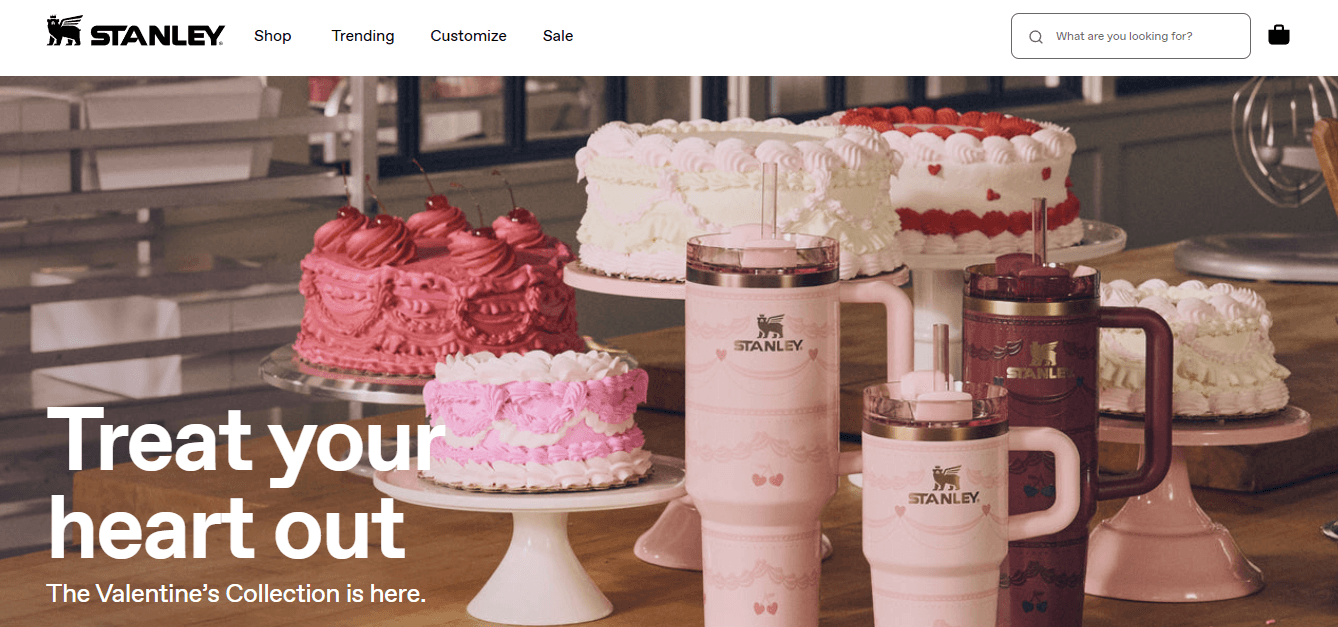
Stanley manufactured outdoor gear for decades before a single product line redefined its entire brand identity. The Quencher tumbler became a cultural phenomenon not through traditional advertising, but through organic sharing. Influencers and everyday users filmed morning routines featuring the oversized cup, demonstrated how it fit perfectly in car cup holders, and created "emotional support water bottle" memes that spread across platforms.
The company recognized momentum early and leaned into community-driven content. They reshared viral videos, collaborated with creators who had already adopted Tumblr organically, and engaged directly with the conversations happening around their product. The result transformed a practical item into a lifestyle essential that continues selling without traditional push marketing. Stanley proved that UGC can boost utilitarian products into status symbols when brands validate and amplify authentic enthusiasm.
2. Crumbl

Crumbl turned cookies into weekly events. Their rotating flavor lineup creates built-in urgency, with customers rushing to try limited-time offerings before they disappear. The distinctive pink boxes and massive portion sizes (some cookies exceed 700 calories) provide visual elements that photograph well and signal indulgence. This combination of scarcity, spectacle, and shareability generates consistent content cycles. Fans film unboxing reactions, taste tests comparing weekly flavors, and ranking videos that spark debate. Crumbl amplifies this material by resharing standout posts, responding to customer commentary, and embracing the hype generated by its limited releases. The brand designed an experience that naturally produces content, then built distribution around customer enthusiasm rather than paid media.
3. Glossier
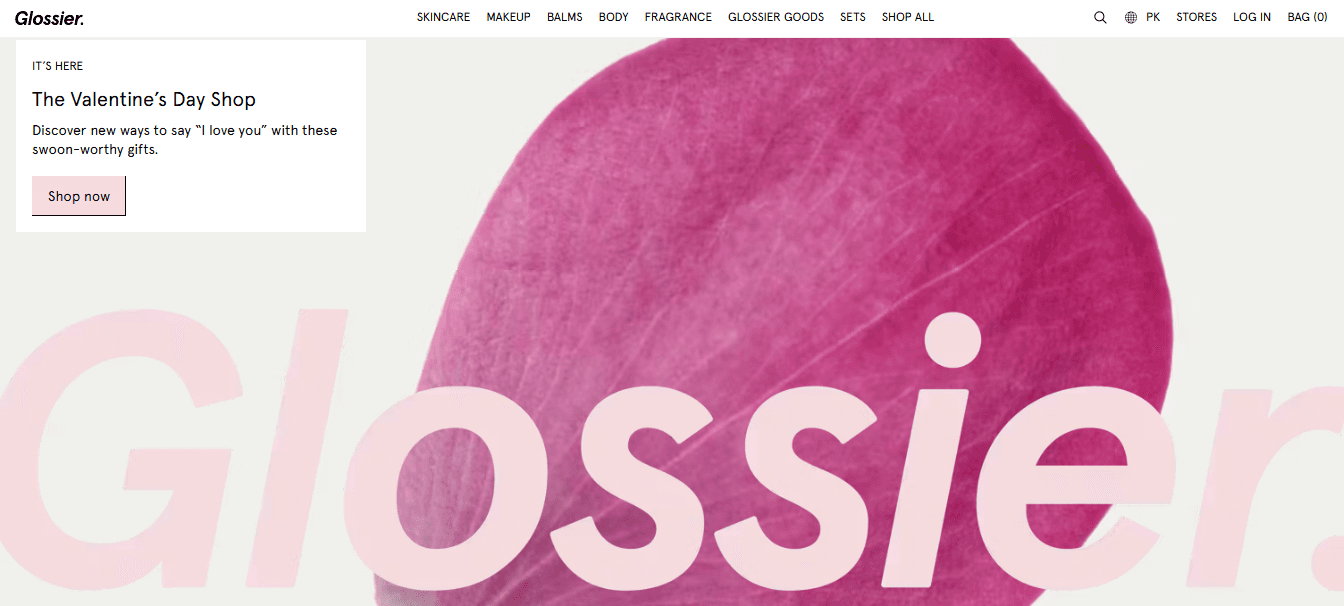
Glossier built its foundation on customer content before the term UGC became marketing jargon. The beauty brand reposts real customer selfies, makeup routines, and testimonials across official channels. Hashtags like #GlossierPink and #GlossierGirl created community identities that encouraged participation beyond product promotion. This approach shifted the traditional beauty marketing model. Instead of celebrity endorsements and professional photoshoots defining brand aesthetics, everyday customers became the face of Glossier. That community-first strategy established credibility with audiences tired of unattainable beauty standards while generating endless content that cost nothing to produce. Newer beauty brands now follow this playbook because Glossier demonstrated its commercial viability.
4. Fix Chocolate Bars
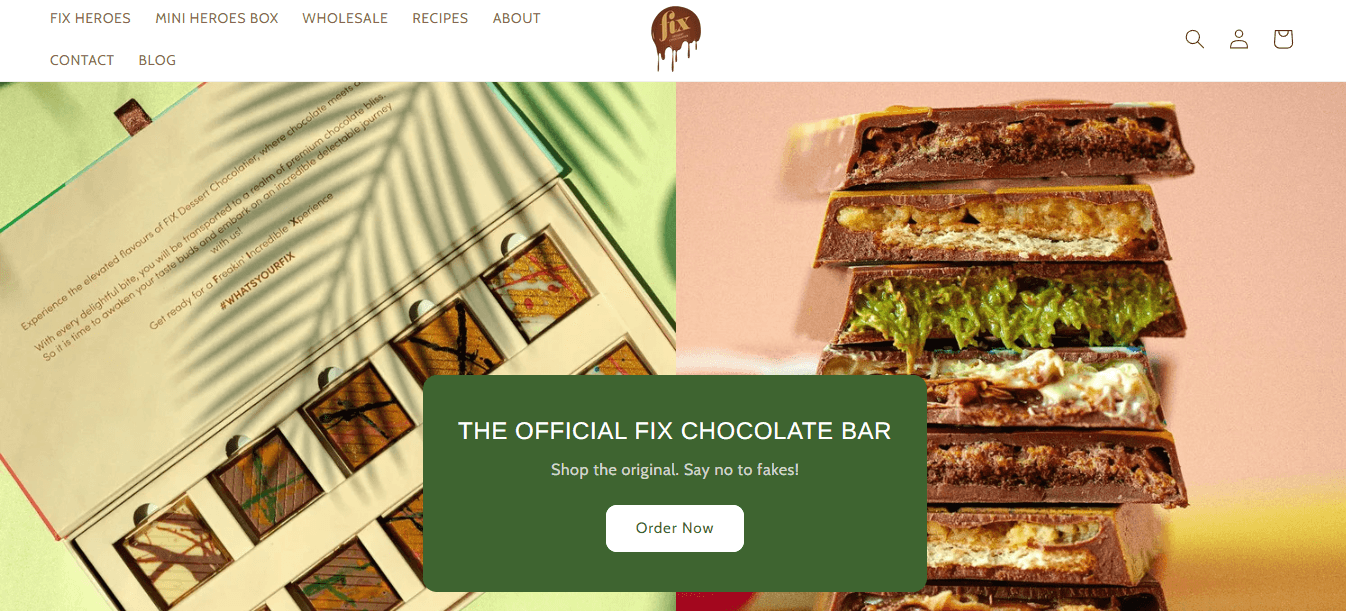
Fix Chocolate Bars capitalized on viral content formats to build international demand. The brand gained traction through ASMR-style unboxing videos and influencer taste tests that showcased luxurious packaging and unique flavor combinations. Customers began creating their own content, demonstrating the sensory experience of opening and eating the chocolate. By featuring these organic posts on official channels, Fix turned word of mouth into systematic distribution. The content strategy relied on product design that photographed beautifully and on eating experiences that translated well to short-form video. The brand didn't ask for UGC. They created products that made customers want to share.
5. Popflex
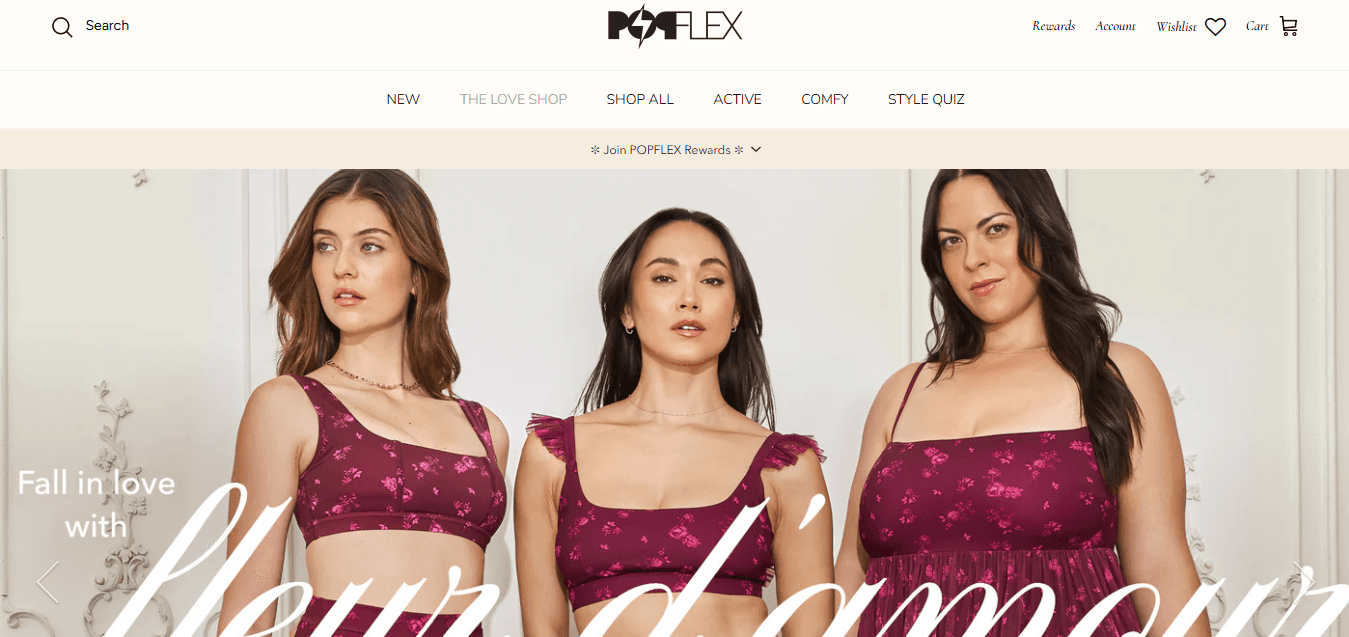
Popflex founder Cassey Ho turned product development into participatory content. She films herself sketching activewear designs, explaining construction improvements over traditional athletic clothing, and wearing prototypes. What makes this UGC strategy unique is the feedback loop. Cassey addresses customer comments directly in videos, runs Instagram polls letting audiences vote on fabric choices and design elements, and shows how community input shapes final products.
This transparency makes customers feel like co-creators rather than consumers. They're not just buying activewear. They're wearing designs they helped refine. That emotional investment generates authentic advocacy because the audience genuinely influences outcomes. Popflex demonstrates how behind-the-scenes content becomes UGC when you invite participation in processes brands typically hide.
Most brands treat customer feedback as data to analyze internally. Popflex makes it visible creative collaboration visible. Platforms like the virality analysis tool help identify which participatory content formats gain traction across platforms by tracking performance patterns among 21K+ creators, revealing which co-creation approaches audiences actually engage with versus those that feel performative.
6. Liquid Death
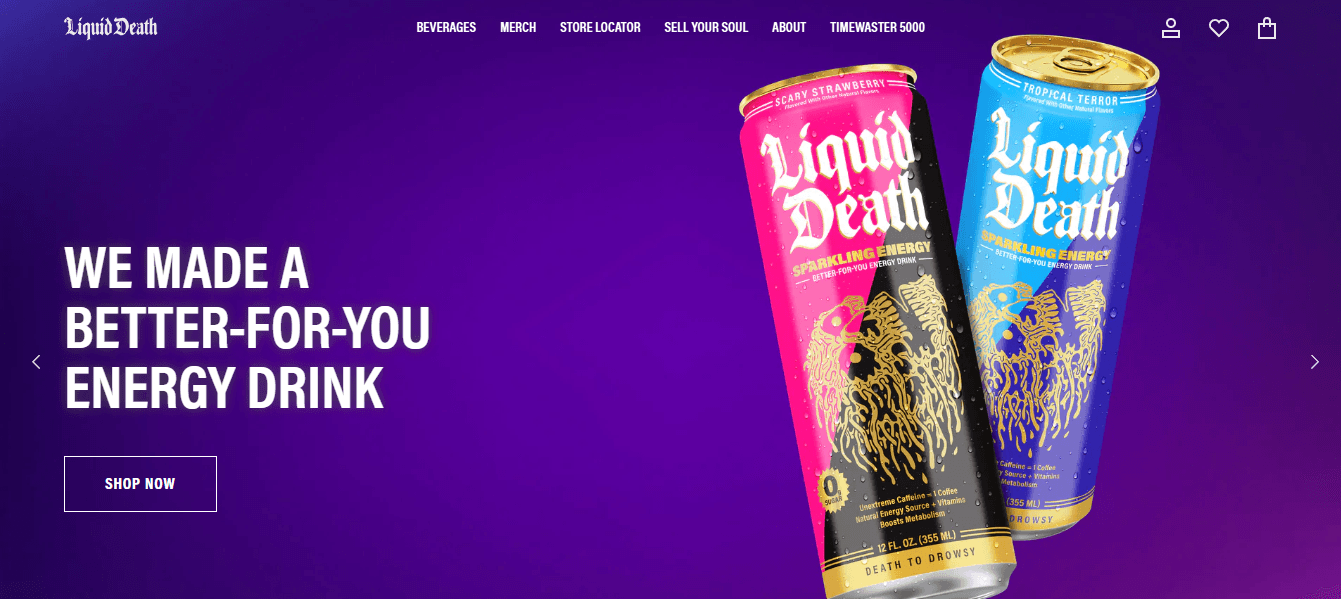
Liquid Death encourages outrageous fan content by design. The brand's aggressive personality and "murder your thirst" positioning attract customers who create over-the-top skits, dramatic product demonstrations, and even permanent tattoos featuring the logo. Rather than moderating this chaos, Liquid Death amplifies it.
The company hires passionate fans as official content creators, blurring the line between customer and employee. This strategy works because the brand established a clear identity that attracts a specific personality type. The UGC isn't random. It's predictably chaotic because Liquid Death designed a brand that naturally appeals to people who create that content. They're not asking customers to act differently. They're selecting customers whose authentic behavior aligns with brand positioning.
7. Loewe

Loewe challenged luxury fashion's traditional distance from customer content. While competitor brands maintain carefully controlled imagery through celebrity campaigns, Loewe's #LoeweCommunity hashtag features how real people style Puzzle bags, runway pieces, and statement accessories. The brand reposts content from both celebrities and everyday fashion enthusiasts, validating diverse interpretations of their designs.
This approach modernizes luxury marketing without sacrificing prestige. Loewe demonstrates that high-end brands can embrace customer content while maintaining aspirational positioning. The key is curation. They're not resharing everything. They're amplifying content that reflects the brand's aesthetics while showcasing a range of styling options.
8. Drunk Elephant
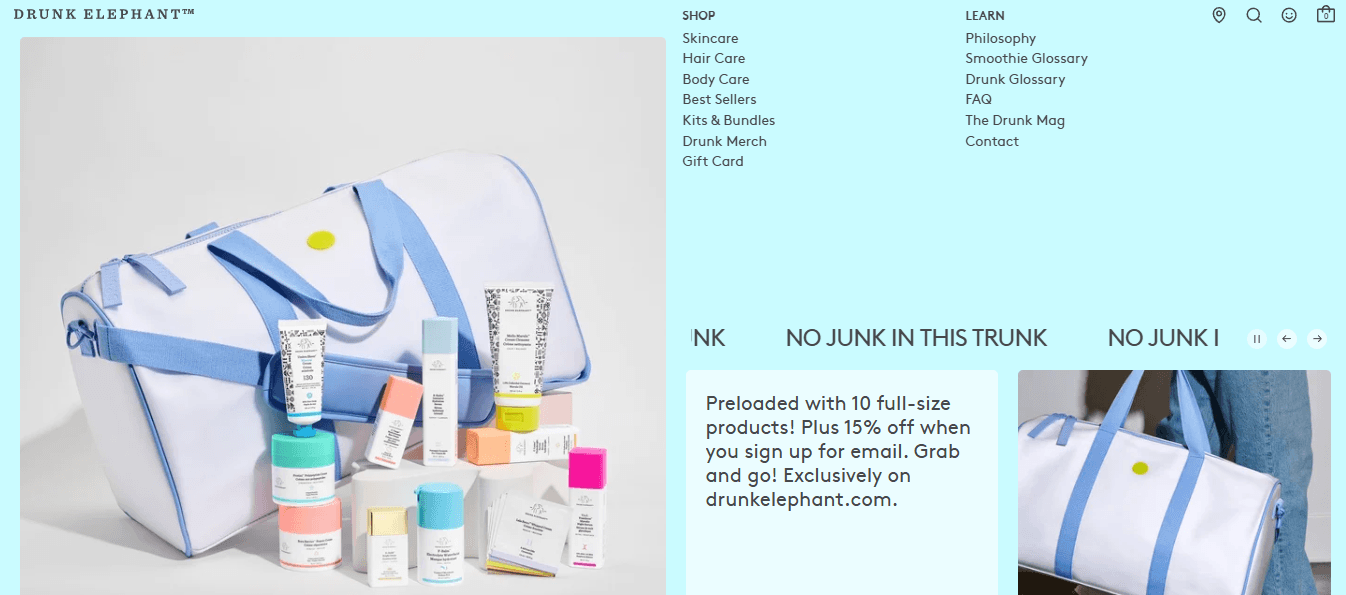
Drunk Elephant's colorful packaging lowered barriers to skincare exploration. Products that once felt intimidating (retinol, chemical exfoliants, targeted serums) became approachable through playful design. This accessibility sparked UGC among younger consumers as they built their first skincare routines.
TikTok is filled with "Get Ready With Me" videos, product hauls, and routine demonstrations featuring Drunk Elephant. Fans experimented by mixing serums into custom "skincare smoothies." Rather than discouraging off-label use, the brand named and promoted popular combinations created by customers. By validating experimentation, Drunk Elephant turned potential confusion into engagement. Customers feel considered to customize rather than intimidated by complexity.
9. Oura Ring

Oura built marketing around customer data and testimonials. Users share stories about how the ring detected early signs of illness, improved sleep patterns, or optimized workout recovery. This content, distributed through Instagram stories and TikToks, creates an ongoing conversation between the brand, wellness culture, and technology.
The product generates inherently shareable data. Sleep scores, readiness metrics, and activity tracking provide concrete material for content creation. Customers aren't just saying they like the ring. They're showing measurable changes in health behaviors. That specificity makes testimonials credible and gives prospects concrete expectations about outcomes.
10. Olipop
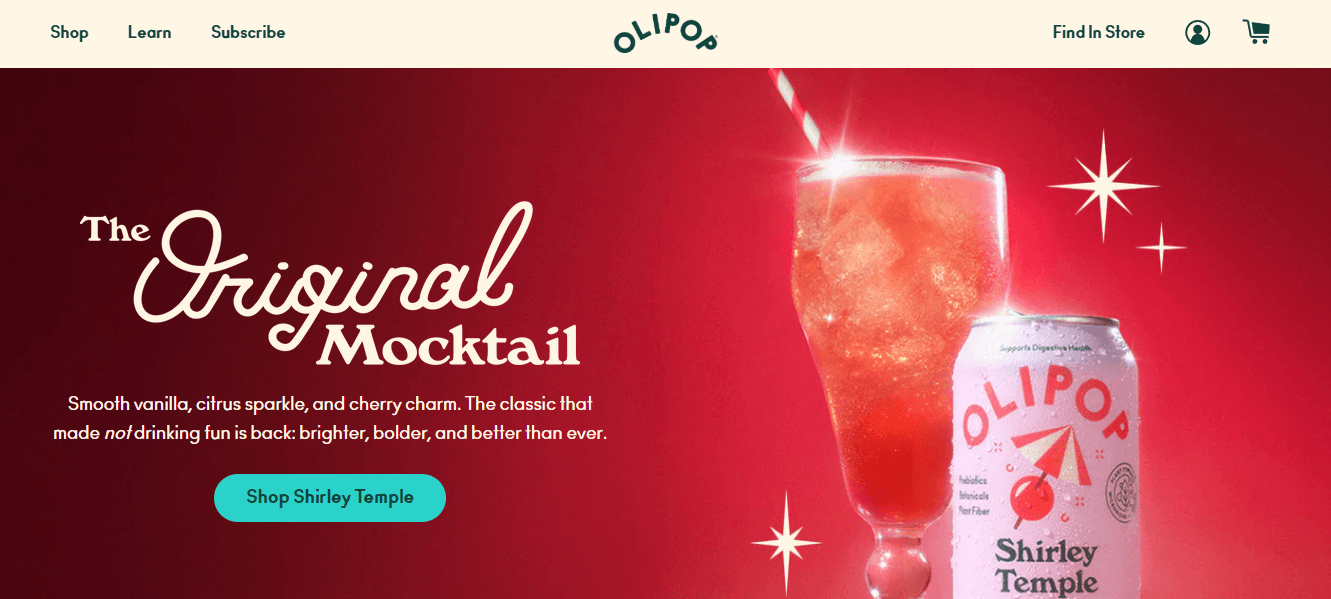
Olipop appears constantly in TikTok taste tests, fridge restock videos, and "what I eat in a day" content. The retro packaging, unique flavors, and gut-health positioning make it photographable and discussion-worthy. Fans showcase the product as a healthier alternative to traditional sodas, framing it within wellness-focused lifestyles.
This repeated exposure in everyday settings creates familiarity. Prospects see Olipop integrated into normal routines rather than promoted in isolation. The UGC doesn't feel like an endorsement. It feels like documentation of the choices health-conscious people already make. That subtle distinction shifts perception from "product being sold" to "option worth considering."
11. Scrub Daddy
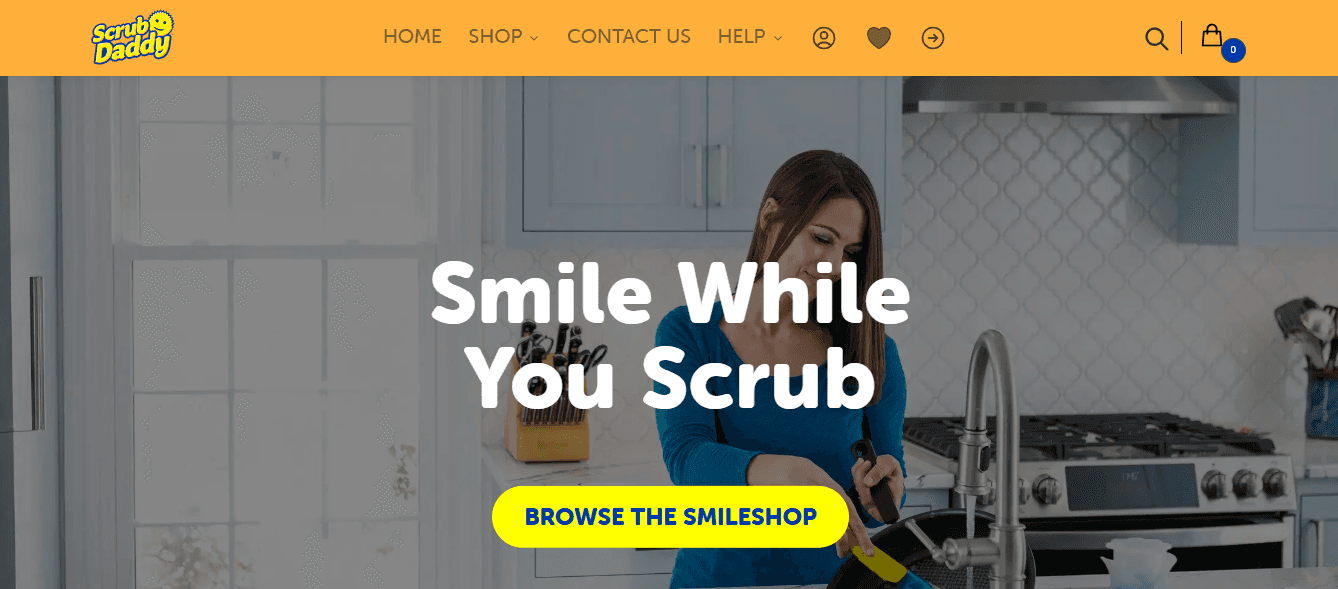
The yellow smiley-face sponge became recognizable after appearing on Shark Tank, but sustained visibility came through customer content. TikTok is filled with cleaning videos showcasing the sponge's temperature-responsive texture, ASMR scrubbing clips, and humorous product demonstrations.
Scrub Daddy's success illustrates how functional products generate UGC when they perform noticeably better than alternatives. The content isn't about brand loyalty. It's about demonstrating a cleaning tool that actually works differently from standard sponges. Customers create content because the product delivers surprising results worth sharing, not because they feel emotionally connected to a cleaning brand. Understanding what these brands did differently matters less than figuring out how to replicate their mechanics within your specific context and audience.
How to Encourage UGC Content for Your Brand

Getting customers to create content starts with removing friction and providing clear incentives. You need systems that make participation feel natural, rewarding, and worth the effort. The mechanics vary depending on your product and audience, but the underlying principle remains the same: make it easier to share than not to.
Promote Branded Hashtags Across Every Touchpoint
Hashtags consolidate customer content into searchable collections. They work when you treat them as ongoing campaigns rather than static labels. Sticking #YourBrand in your Instagram bio generates minimal participation. Active promotion means inviting specific usage, featuring the tag prominently in your own posts, and showcasing it beyond social platforms through email signatures, packaging inserts, and website banners.
The familiar approach is to create a hashtag and hope customers notice it. As your audience grows across platforms, that passive strategy fragments. You're manually searching Instagram one day, TikTok the next, trying to remember which variation people actually use. Context disappears. Patterns stay hidden. Platforms like Virlo track hashtag performance across 21K+ creators and multiple platforms with daily updates, revealing which tags gain traction and which formats customers actually adopt versus those that feel forced.
Once your tag establishes momentum, it becomes a self-sustaining content source. New customers see others using it and follow the pattern. Your role shifts from begging for participation to curating what already flows in.
Request Permission Directly From Tagged Customers
Most satisfied customers would share content if asked. They tag your brand, post photos, write reviews, then move on. That tagged post represents latent marketing material waiting for activation. Monitor your mentions systematically. When someone shares positive content, reach out in comments or via direct message to request permission to feature their post.
This direct ask accomplishes two things. First, you secure legal rights to repurpose content across channels. Second, you create a personal connection that strengthens loyalty. Customers feel recognized when brands acknowledge their contributions. That recognition often converts casual buyers into vocal advocates who recommend you unprompted.
The conversion rate on these requests surprises most teams. People enjoy seeing their content amplified by brands they support. They've already invested time creating the post. Letting you share it requires minimal additional effort while providing social validation.
Launch Competitive Contests With Clear Submission Guidelines
Competition drives quality. When you attach rewards to content creation, customers invest more effort into production value, creativity, and messaging. Contests work best when submission requirements stay specific. Vague prompts like "show us how you use our product" generate scattered results. Detailed briefs explaining preferred formats, required elements, and judging criteria produce cohesive submissions you can actually use. Hashtags become crucial here.
They consolidate entries, making judging manageable and giving participants a place to view competing submissions. That visibility creates community engagement beyond the contest itself. People comment on each other's entries, share favorites, and return to check standings. Legal requirements around contests vary by jurisdiction. Prize values, eligibility restrictions, and official rules demand attention before launch. Skipping this research creates liability that outweighs any marketing benefit. Consult legal counsel or use established contest platforms that handle compliance automatically.
Enable Visual Uploads in Product Reviews
Written reviews provide value, but customer photos and videos transform product pages. According to Yotpo, UGC can increase conversion rates by up to 161%. When shoppers see real customers using products in authentic contexts, they visualize ownership more concretely than any professional photo achieves.
Beauty and fashion brands extract maximum value here. Customers submit photos showing different skin tones, body types, and styling choices. Prospects find reviewers who resemble themselves and trust those specific examples over generic marketing imagery. This works because it solves the visualization problem every online shopper faces: Will this actually look like the professional photos when it arrives?
Make upload processes frictionless. Mobile-optimized interfaces, simple file selection, and immediate preview reduce abandonment. The easier you make submission, the more visual content accumulates on product pages.
Amplify Existing Content to Inspire More Submissions
Sharing customer content creates a snowball effect. When people see you featuring others' posts, they understand you value customer contributions. That visibility serves as an implicit invitation. New customers think, "They might share mine too," and feel motivated to create content worth featuring.
Repurposing also maximizes content ROI. A single customer photo becomes an Instagram story, a website testimonial, an email newsletter feature, and a paid ad creative. You're extracting multiple uses from one piece without additional production costs. Credit the original creator consistently. That attribution respects their work while showing other customers you handle contributions professionally.
The most effective repurposing targets specific content types: unboxing videos that capture first impressions, testimonials that explain problem-solving, and action shots that show products integrated into daily routines. These formats answer questions prospects ask during the consideration phases.
Partner With TikTok Shop Affiliates for Incentivized Creation
TikTok Shop's affiliate program turns creators into commissioned salespeople. By setting competitive commission rates, you attract creators eager to showcase products through authentic content. This model works because incentives align. Creators earn money when their content drives sales, so they naturally optimize for conversion.
The challenge lies in creator matching. Millions of TikTok users qualify for affiliate programs, but only a subset fits your brand positioning and audience demographics. Filtering requires understanding which creator niches align with your product category and which content styles resonate with your target buyers.
Successful partnerships happen when you provide creators with early product access, clear messaging guidelines, and performance data showing what works. Treat affiliates as collaborative partners rather than transactional vendors. That relationship approach generates better creative and longer-term advocacy.
Send Strategic Product Gifts Timed to Launches
PR packages generate buzz when coordinated with release schedules. Sending products to creators weeks before the public launch gives them time to create content that goes live on announcement day. This timing concentrates attention and creates momentum that sustained campaigns struggle to replicate.
The key is selectivity. Gifting everyone dilutes the impact and wastes inventory. Target creators whose audiences match your customer demographics and whose content style aligns with your brand positioning. Personalize packages with handwritten notes or custom elements that make recipients feel individually valued rather than mass-marketed.
Track which creators actually post about gifts. Some accept products, then never create content. Focus future efforts on creators who deliver consistent results. Build ongoing relationships with reliable partners rather than constantly seeking new recipients.
Scale Micro-Influencer Collaborations for Authentic Ads
Micro-influencers produce content that retains authenticity while achieving professional quality. Their smaller audiences trust recommendations more than celebrity endorsements because the relationship feels personal. According to Nielsen, 92% of consumers trust user-generated content more than traditional advertising, and micro-influencer content amplifies that trust.
Working at scale means managing dozens of creator relationships simultaneously. This requires systems for outreach, negotiation, content approval, and performance tracking. Template agreements, standardized briefs, and centralized communication platforms make volume manageable without sacrificing relationship quality.
The content these partnerships produce becomes high-performing ad creative. Micro-influencer videos feel native to platform feeds even when promoted. They don't trigger the same level of skepticism that polished brand content generates. That authenticity translates to higher engagement rates and lower acquisition costs.
Provide Data-Backed Content Formulas That Remove Guesswork
Creators hesitate when they don't know what to make. Vague requests for "creative content" paralyze rather than inspire. Specific frameworks showing proven structures, trending audio, and successful hooks eliminate uncertainty. When you tell creators exactly which video format performs best, which opening lines capture attention, and which calls to action drive conversions, participation rates jump.
This requires analyzing what actually works rather than guessing. Track which customer videos generate engagement, which formats drive traffic, and which messaging converts viewers into buyers. Document those patterns into replicable templates that creators can follow.
The more prescriptive your guidance, the higher your content quality and submission volume. People want formulas they can execute confidently. Giving them proven blueprints transforms content creation from intimidating guesswork into achievable tasks with predictable outcomes. But collecting content is only the first step—the real question is which pieces actually turn viewers into buyers.
Related Reading
• User Generated Content Instagram
• Tiktok Ugc Ads
• Ugc Management
• Ugc Contests
• Ugc Usage Rights
• Ugc Content Moderation
• Amazon Ugc
• Ugc Rates
• Ugc Strategy
• Ugc Seo
Your UGC isn't converting because you don't know which creator-style videos actually drive sales.
Collecting customer videos solves the content problem but leaves the conversion question unanswered. You've accumulated unboxing clips, testimonials, styling videos, and product demonstrations across platforms. Some drive purchases. Most generate views without changing behavior. Without a systematic analysis of what separates high performers from noise, you're guessing which formats deserve ad spend and which should stay organic.
The pattern recognition problem becomes more difficult as volume increases. When you're evaluating 5 customer videos per month, manual assessment works. With fifty submissions weekly across TikTok, Instagram, and YouTube Shorts, identifying performance drivers becomes impossible through intuition alone. Watch time, hook effectiveness, audio selection, creator presentation style, video length, call-to-action placement (these variables interact in ways spreadsheets can't capture). You need to understand which combinations consistently lower acquisition costs and increase purchase intent, not just which videos feel authentic.
Virlo fixes that by analyzing high-converting UGC patterns, not just viral ones. The platform breaks down which hooks, creator formats, video lengths, and audio styles consistently deliver higher watch time, lower cost per click, and stronger purchase intent across short-form platforms. Instead of guessing which customer videos to boost or turn into ads, you see exactly which UGC formats audiences trust and act on. Turn authentic customer content into a repeatable growth engine with virality analysis built specifically for understanding what makes UGC perform beyond surface engagement metrics.
The Conversion Gap Between Views and Purchases
Most teams measure UGC success through vanity metrics that correlate poorly with revenue. A customer video hits 100,000 views and gets filed under "successful content." But did those viewers visit product pages? Did they add items to carts? Did watch time indicate genuine interest or passive scrolling? Views without context create false confidence that certain content types work when they're actually generating empty attention.
The challenge intensifies when repurposing organic UGC into paid campaigns. A testimonial that performed well organically might fail completely as sponsored content because the audience context changed. Platform algorithms surface organic posts to people already interested in related content. Paid distribution reaches cold audiences who evaluate differently. What worked as social proof for warm prospects feels like advertising to people encountering your brand for the first time. Without understanding why specific formats convert in specific contexts, you waste ad budgets amplifying content that won't perform under different conditions.
Purchase intent signals lie hidden in behavioral data that most brands never systematically analyze. How long did viewers watch before dropping off? Which specific moments generated rewatches? Did they click through to profiles or product links? These micro-behaviors reveal whether the content built trust or just entertained. Customer videos that keep viewers engaged past the first three seconds, generate profile visits, and drive link clicks demonstrate conversion potential. Videos that spike views but generate no secondary actions indicate viral moments without commercial value.
Why Creator Style Matters More Than Production Quality
Polished UGC often underperforms raw, unfiltered customer videos. Teams instinctively select the most professional-looking submissions, assuming higher production value signals credibility. The opposite frequently proves true. According to Stackla research, audiences trust authentic, unpolished content because it feels less like advertising. A customer filming themselves in natural lighting with a phone camera creates different psychological responses than someone using ring lights and editing software.
The trust gap emerges from perceived intent. When production quality increases, viewers subconsciously question whether the creator was compensated or coached. Raw footage signals genuine enthusiasm because most people won't invest in professional equipment for unpaid posts. That authenticity creates permission to consider recommendations seriously. Polished content, even when genuinely user-generated, triggers skepticism that undermines the social proof you're trying to establish.
Creator personality matters as much as presentation format. Some customers demonstrate products through detailed explanations. Others rely on humor. Some speak directly to the camera with confidence. Others prefer showing usage without narration. These stylistic differences attract different audience segments. The analytical customer who wants specifications responds to thorough product breakdowns. The impulse buyer who values social proof responds to enthusiastic recommendations. Matching the creator's style to the target audience's psychology determines whether content converts viewers who already match your customer profile.
Audio Selection Drives Platform Algorithm Performance
The audio track attached to UGC videos influences reach as much as visual content. Platform algorithms prioritize videos using trending sounds because they indicate cultural relevance and increase the likelihood of engagement. Customer videos using popular audio get distributed more aggressively than identical content with original sound or unpopular tracks.
But trending audio alone doesn't guarantee conversion. Some sounds trend in entertainment or dance content, while others perform poorly in product demonstrations. The mismatch between the audio context and the video's purpose confuses viewers. They expect one content type based on the audio, then encounter something completely different. That cognitive dissonance increases scroll-away rates even when the product content itself is compelling.
Strategic audio selection requires understanding which trending sounds are already associated with shopping behavior. Certain tracks become synonymous with product reviews, hauls, or recommendations. Using those specific sound signals to both algorithms and viewers that your video belongs in shopping-related content categories. The audio primes viewers to evaluate products rather than seek entertainment, increasing the probability they'll act on what they see.
Video Length Optimization Changes By Platform and Funnel Stage
TikTok, Instagram Reels, and YouTube Shorts reward different video lengths based on how their algorithms prioritize completion rates. TikTok historically favored shorter videos because completion percentage heavily influenced distribution. A fifteen-second video watched fully outperformed a forty-five-second video with 70% completion. Instagram Reels and YouTube Shorts calculate engagement differently, sometimes favoring longer content that generates higher total watch time even with lower completion rates.
These platform-specific preferences shift constantly as algorithms evolve. What worked optimally six months ago might underperform today because the platform changed how it weights watch time, completion, and rewatches. Brands that locked into "ideal" video lengths based on outdated analysis continue producing content optimized for algorithms that no longer exist.
Funnel position also determines optimal length. Top-of-funnel awareness content benefits from brevity. You're interrupting people who didn't seek your brand, so you have seconds to establish relevance before they scroll. Mid-funnel consideration content can extend longer because viewers already demonstrated interest by clicking through. Bottom-funnel conversion content works best when comprehensive, answering remaining objections that prevent purchase. A single prescribed video length can't serve all these purposes effectively.
Hook Effectiveness Determines Whether Anyone Watches Past Three Seconds
The opening moment decides whether your UGC generates impact or gets ignored. Platform users scroll aggressively, making split-second decisions about whether content deserves attention. Customer videos that open with generic statements or a slow build-up lose viewers before they reach valuable content. Hooks that immediately present problems, surprising information, or relatable scenarios stop scrolling.
Pattern analysis across high-performing UGC reveals specific hook structures that consistently retain attention. Opening with a question that targets viewer pain points works because it forces mental engagement. Starting with a bold claim or surprising statistic creates curiosity gaps that viewers want resolved. Showing dramatic before-and-after contrasts in the first frame provides visual proof that justifies continued watching. These aren't creative preferences. They're behavioral triggers that exploit how human attention functions in high-stimulus environments.
The mistake most brands make is selecting UGC based on overall quality rather than hook strength. A beautifully shot customer video with weak opening moments performs worse than rough footage with compelling hooks. You can't recover attention after losing it in the first three seconds. No amount of valuable content later in the video matters if viewers have already scrolled past it. Prioritizing hook effectiveness over production quality when selecting UGC to amplify dramatically improves conversion rates because more people actually see your message.
If you want customer content that doesn't just feel authentic but actually changes buyer behavior, you need to see what's working at scale before competitors figure it out. The brands winning with UGC aren't collecting more content. They're analyzing which specific formats consistently turn viewers into customers, then systematically producing more of those that convert.
Related Reading
• Billo Competitors
• Types Of Ugc Videos
• Ugc Hooks
• Best Ugc Campaigns
• Ugc Testimonials Examples
• Trend.io Alternatives
• Ugc Tools
• Ugc Video Examples
• Ugc Rights Management
Related Virlo Tools & Features
UGC Creator Solutions — Maximize UGC impact with data-driven tools
E-commerce Solutions — Leverage UGC for e-commerce growth
Content Studio — Create professional UGC with AI assistance
See What's Trending Right Now
- Social listening for TikTok, Reels & Shorts
- Spot viral trends before they peak
- Turn insights into ads, scripts & briefs
The Signal Newsletter
Weekly trend breakdowns, creator insights, and social listening tips — straight to your inbox.
Subscribe FreeSee Virlo in action

See What's Trending Right Now
- Social listening for TikTok, Reels & Shorts
- Spot viral trends before they peak
- Turn insights into ads, scripts & briefs
The Signal Newsletter
Weekly trend breakdowns, creator insights, and social listening tips — straight to your inbox.
Subscribe FreeRelated Articles
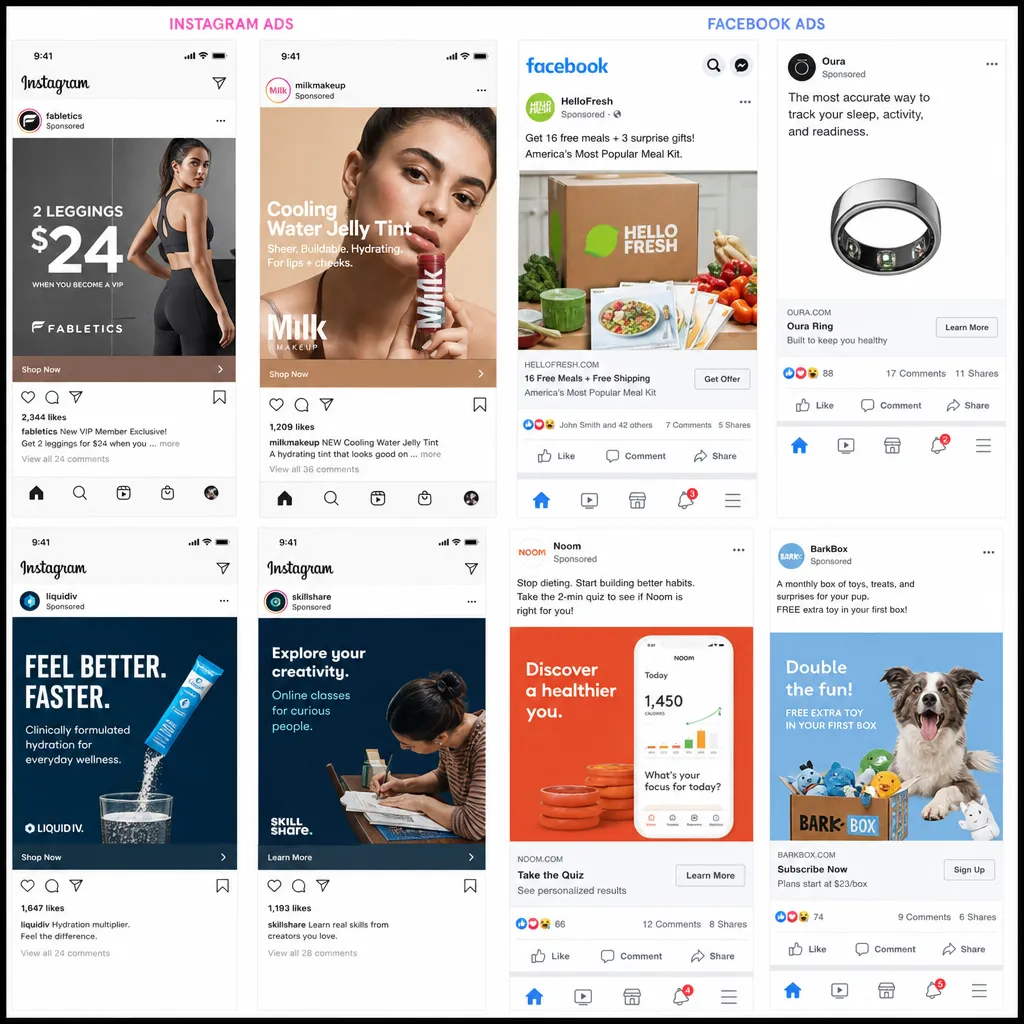
Facebook Ads vs Instagram Ads in 2026: Which One Deserves Your Budget
The real cost gap between Facebook ads and Instagram ads and which wins for ecommerce, leads, and B2B, and a starting budget split for your business type.

64% of Gen Z Uses TikTok Instead of Google—Here’s How to Make Sure They Find You
More Gen Z users are bypassing Google, turning to TikTok and Instagram for answers. Surveys show short-form video platforms are becoming Gen Z’s go-to search engines.
Ultimate Guide to Clip Farming in 2026 for Creators
Clip farming means three different things in 2026. Here's what each one is, how creators actually run it, what it pays, and what the platforms now penalize.
Put this into practice with Virlo
Turn what you just read into real research. These are the tools creators, agencies, and brands use to find what's working on short-form video.
Content Research Agent
Run your short-form research on autopilot — outliers, creators, and sounds across TikTok, Reels, and Shorts.
Tracking Center
Monitor breakout creators, videos, and competitors with daily snapshots and deep AI analysis.
Free Data
Explore free viral hooks, trending niches, breakout products, and more — no account required.
Get The Signal
Join creators, marketers, and agencies getting weekly trend breakdowns and social listening insights delivered free.
Subscribe to the Newsletter
Stop Guessing. Start Knowing.
Join thousands of digital entrepreneurs using data to take the guesswork out of capitalizing on trends.