8 Practical Ways to Build eCommerce Trust for Your Brand
eCommerce Trust matters: learn 8 proven tactics to build customer confidence online. Virlo offers insights to boost conversions and credibility.

A potential customer may hesitate at checkout when subtle signs of uncertainty undermine confidence. Authentic customer content and transparent reviews are now key in building eCommerce trust, shifting how results are measured in a competitive online market. Genuine feedback and visible social proof can transform skepticism into loyalty.
Measuring what builds trust and drives conversions is essential for any brand. Virlo’s virality analysis tool provides insights into which user-generated content tactics resonate with audiences, enabling businesses to stay ahead by recognizing emerging patterns in testimonials and reviews virality analysis tool.
Summary
Shopping cart abandonment due to payment security concerns costs eCommerce stores 17% of potential sales, according to Baymard Institute. Customers who reach checkout aren't guaranteed to convert. They're one final doubt away from closing the browser, which makes visible security measures at that exact moment critical rather than redundant.
Customer reviews influence 93% of purchase decisions, according to Spiegel Research Center. That behavior isn't casual browsing; it's active due diligence. Shoppers hunt for signals that previous buyers survived the transaction and came out satisfied, making review presence and authenticity non-negotiable for conversion.
Nearly half of U.S. consumers (46%) have completely stopped buying from brands they once trusted, according to PwC's Consumer Intelligence Series. These relationship endings rarely stem from declining product quality or rising prices. They happen because of violated expectations, unresponsive support, or a feeling of being misled, proving that operational consistency matters more than acquisition marketing.
Trust acts as the primary tiebreaker when products and prices look similar across competitors. According to research from Shapo.io, 81% of consumers need to trust a brand before purchasing, and 90% buy from brands they trust. When specifications blur together across three open browser tabs, visible credibility signals determine which store gets the sale.
Transparency drives loyalty more effectively than discounts or rewards programs. Label Insight found that 94% of customers show loyalty to brands offering complete transparency. That loyalty stems from feeling the brand isn't hiding sourcing details, product limitations, or business practices, not from promotional incentives or point systems.
Post-purchase experiences determine repeat business rates more than acquisition campaigns ever will. Late shipments without communication, products mismatching descriptions, or customer service disappearing after payment all generate negative reviews and social warnings that become permanent reputational damage, making operational follow-through the foundation of sustainable growth.
Virlo's virality analysis tool helps eCommerce brands identify which short-form content formats and trust-building approaches are currently driving conversions across TikTok, Instagram Reels, and YouTube Shorts, before those patterns saturate.
What is eCommerce Trust
eCommerce trust is the level of confidence a shopper feels when deciding whether to give their payment details to a website they have never used before. It represents the invisible calculation happening in the few seconds between "Add to Cart" and "Place Order," where a visitor weighs risk against reward. When trust exists, transactions happen; when it doesn’t, browsers close.
This calculation is not just in their heads. Shoppers come with three specific questions already in their minds: Is this site secure enough to protect my card information? Will the product I get actually match what I'm seeing on the screen? Will this seller follow through on delivering, returns, and support, or will they disappear after charging me? Physical stores skip most of this worry, as customers can touch products, read packaging, and walk out with purchases immediately. Online, though, you're asking strangers to trust in promises.
The Five Pillars Shoppers Evaluate
Trust is built on clear signals, not vague reassurances. According to BrightLocal, 48% of consumers say that customer reviews and testimonials are the most important factors in building trust. This isn’t just a feeling; this is about decision-making. When someone lands on your product page, they are looking for proof that other people have had the experience and walked away happy. In this context, our virality analysis tool can help evaluate social proof and improve trust.
What signals build trust?
Security and data protection are very important. Shoppers need to see proof that payments are processed through secure channels and that their personal information won't be sold or stolen. SSL certificates, secure checkout badges, and clear privacy policies are not just for show. They are necessary. Without them, the transaction does not happen.
Product accuracy is the next key point. Visitors need to know that the item they receive will match the images, descriptions, and specifications on your website. This is where many stores lose trust without even knowing it. Making claims that are too good to be true, using stock photos that misrepresent color or size, or writing vague descriptions can create doubt. Being specific helps build trust. Providing details like dimensions, materials, compatibility, and honest limitations shows that you are being transparent.
Seller reliability covers everything from shipping times to return policies to unexpected fees. Being open in these areas is a must. If delivery will take three weeks, that should be clearly stated from the start. If returns need the original packaging, that must be made clear before checkout. Shoppers generally handle restrictions better than unexpected surprises. Once they feel misled about costs or conditions, trust is broken for good.
Review authenticity is very important because shoppers have been tricked by fake reviews too many times. They are not just reading reviews anymore; they are deciding if the reviews seem real. Do they talk about specific experiences? Do they include photos from real customers? Are there negative reviews along with positive ones? A perfect five-star rating with vague compliments often raises more doubts than a 4.2 rating with specific criticisms included.
How does support factor into trust?
Responsive support acts like a safety net for customers. Even buyers who feel sure want peace of mind knowing that if something goes wrong, a real person will help them fix it. Having clear contact information, live chat options, and well-defined support hours shows that you are not just a ghost business. Also, how quickly and kindly you respond to questions, complaints, and returns can affect whether first-time buyers decide to become repeat customers.
Why is consistent messaging important?
Most stores try to build trust through trial and error. They add review widgets, update product descriptions, and hope to improve sales. The problem with guessing is that traffic is wasted while finding out what works. Every visitor who leaves because they don't see the right signals means a loss in acquisition costs. When testing messages without context, important trends used by competitors can be missed. The stores that gain trust the fastest aren't always those with the biggest budgets.
They are the ones who figure out what leads to sales before it becomes clear to everyone else. When brands can identify which product demos, testimonial formats, and transparency methods are driving purchases in their category, they can stop guessing. Platforms like Virlo help eCommerce brands track which types of short content and trust signals create shares and purchases on TikTok, Instagram Reels, and YouTube Shorts. This turns competitive knowledge into a repeatable plan, rather than a guessing game every month.
How does trust accumulate over time?
Trust doesn't come from just one visit; it builds up over time with consistent exposure. When shoppers notice that your brand message is consistent across channels like your website, email campaigns, social posts, and customer service interactions, they become more familiar with it. This familiarity makes them feel safer about their choice. Brands that keep a consistent tone, visual identity, and value propositions across all points of contact tend to convert more customers than those with mixed messages.
What mistakes hinder trust building?
The mistake many stores make is treating each channel as isolated. Your Instagram captions promise fast shipping, but your website footer says 7-10 business days. Your email campaign emphasizes premium quality, but your product pages focus on low prices. These disconnects don't just confuse shoppers; they also undermine trust. They make them wonder what else might be inconsistent. Every mismatched detail adds friction to the trust calculation happening in their heads.
According to Edelman, 81% of consumers say that trust in a brand is a key factor in their purchase choice. This percentage shows an important reality in how consumers behave. When two products fulfill the same need at similar prices, shoppers usually go with the brand that seems safer. Trust becomes the tiebreaker, often acting as the main reason, especially for more expensive items or unfamiliar categories.
How can trust be destroyed easily?
Building trust is harder than breaking it. Just one experience that contradicts what you promised can wipe out months of hard work to build trust. Examples include late deliveries without warning, products that don’t look like their pictures, and customer service that goes quiet after a purchase. Surprising fees at checkout can also add to this. These aren’t just small problems; they betray the implicit contract created when someone decides to trust you.
The impact isn’t just losing one customer. It also includes the reviews they write, the social media posts they make, and the trust signals they take away from your business. Negative experiences spread more quickly and farther than positive ones because they have more emotional impact. While a happy customer might leave a review if asked, someone who feels cheated will tell everyone they know, often without being asked. Realizing that trust is important is only part of the solution. The tougher question is how to build that trust faster than your competitors as the market changes.
Importance of eCommerce Trust for Brand

Trust decides if a brand gets a second chance or becomes a warning story told in a Reddit thread. When shoppers visit a site, they aren't just looking at the product; they are also figuring out if the brand is worth the risk of being let down, revealing their credit card number, and waiting for a package to arrive. This decision happens fast, and once trust is lost, it's very hard to regain it with that person. The importance goes beyond single purchases. Research from PwC's Consumer Intelligence Series shows that 46% of U.S. consumers have stopped buying from a brand they once trusted. This issue isn't just about lower product quality or higher prices; it's about broken promises.
A brand might have said one thing but delivered something else, stayed quiet when problems occurred, or made customers feel embarrassed for trusting the advertising. The connection with the brand ended not because competitors offered better deals, but because trust broke down after one bad experience. Understanding these dynamics can enhance your strategy; our virality analysis tool can help you assess how trust impacts your brand's growth.
How do competitors influence trust in eCommerce?
Competitors sell similar products at similar prices and with similar shipping times. Shoppers comparing three browser tabs at once aren’t getting too detailed about feature lists; they’re looking for signs that one brand feels safer than the others. When product specifications look alike, trust becomes the tiebreaker. The store with verified reviews, clear policies, and responsive support wins, not because its offering is better, but because its credibility is easy to see.
Most brands try to stand out the wrong way. They focus on unique value propositions and positioning statements, but overlook that shoppers often pick brands that create the least worry. Even if you have the best product in your category, if your checkout process feels shady or your return policy is unclear with vague language, you risk losing to a competitor who makes trust easy. Differentiation through reliability is usually more effective than differentiation through features when buyers are spending their own money.
Why is online shopping more risky for customers?
In-store purchases eliminate most uncertainty right away. Customers can feel the fabrics, test the weights, read the packaging, and leave with products in hand. On the other hand, online shopping makes people rely on digital images and wait days to see whether what they receive matches their expectations. This uncertainty can create anxiety, which might hurt sales unless it is actively dealt with by providing trustworthy alternatives.
Security concerns still keep people from buying, even when prices are low. The Baymard Institute found that 18% of online shoppers abandon their carts due to payment security concerns, even when the price seems great. This reaction makes sense; it's based on years of data breaches and phishing scams. Shoppers have found out that low prices aren’t worth it if their card information gets stolen. So, SSL certificates, well-known payment processors, and clear data policies are not just extras; they're the minimum requirements for serious consideration.
How can brands improve product descriptions?
Product uncertainty adds to the problem; customers can't check dimensions, colors, or materials on a screen. They depend entirely on your descriptions, images, and reviews to form a mental picture of what will arrive. When those images turn out to be wrong, trust disappears forever. The answer is not just better writing; it's radical specificity. Giving exact measurements, what the materials are, compatibility limits, and honest details about what the product cannot do is very important. Being clear about these limits builds more confidence than making exaggerated claims ever will.
Do consumers prefer automation or human connection?
AI-generated ads, chatbots, and email sequences have taught consumers to notice when they are being processed rather than listened to. The efficiency gains are real, but so is the growing distrust when interactions seem scripted or impersonal. Shoppers can tell when they are talking to an algorithm designed to boost sales rather than a brand that truly cares whether the product can solve their problem.
According to Label Insight, 94% of customers are likely to stay loyal to a brand that provides complete transparency. This loyalty does not come from discounts or loyalty points; it comes from the feeling that the brand isn't hiding anything. When a brand explains where its products come from, acknowledges product limitations, and shows real people behind customer service, it demonstrates that it is not just focused on transactions. They are building relationships that go beyond the first purchase.
What role does automation play in building trust?
The brands that win long-term trust are not stopping their use of automation; they are using it to improve human connection instead of taking it away. Automated systems can effectively manage logistics and tracking, while real people handle complaints, answer difficult questions, and make decisions that machines cannot. This balance is very important. Efficiency without empathy feels like taking something away, while empathy without efficiency can feel messy. Trust needs both.
How do brands test trust signals effectively?
Most eCommerce brands test trust signals randomly. They add review widgets, rewrite product descriptions, or redesign checkout flows based on intuition, then wait weeks to see if conversion rates change. The problem isn't that testing is wrong; it's the blind testing while competitors are already finding out what works. Every day spent guessing which transparency tactics or social proof formats resonate most results in wasted traffic and lost acquisition budgets.
The stores that build trust the fastest aren't always the ones with the biggest A/B-testing budgets. They are the ones spotting patterns before they become obvious. By recognizing which product demos, testimonial formats, and transparency tactics are currently driving purchases in their category, brands can avoid experimenting alone. Tools like Virlo collect daily short-form video performance data across platforms like TikTok, Instagram Reels, and YouTube Shorts. This helps eCommerce brands identify which trust-building content styles are effectively turning viewers into buyers before those trends get overused. Instead of guessing what might work, brands can copy what is already known to succeed.
How do first-time buyers differ from repeat customers?
First-time buyers often come with doubt, while returning customers come with optimism. This change occurs when their first experience meets or exceeds their expectations. They placed their orders successfully, received exactly what they expected on time, and encountered no surprises. This reliability builds trust and gives them the go-ahead to make more purchases. Because of this, repeat buyers usually spend more, return fewer items, and tell others about their experience, as trust has replaced worry in their decision-making.
What contributes to lasting customer loyalty?
Discounts don't create lasting loyalty; reliability does. A customer might come to your store because of a promotion, but they will come back because the product came as described, customer service helped them without making them feel small, and the return process was easy. Those day-to-day details may seem boring compared to viral marketing campaigns, but they are what set trusted brands apart from those that customers try once and forget. A common mistake is thinking that trust-building happens only when gaining new customers. In truth, trust builds with every post-purchase interaction. Think about shipping notifications that clearly show where their package is, and packaging that keeps products safe rather than adding to waste. Follow-up emails should offer help rather than just try to sell more. Each of these moments either strengthens your decision to trust your brand or begins to erode it. The rate of repeat purchases is affected by the cumulative effect of these small decisions, far more than how your Instagram looks.
What common mistakes hurt trust in eCommerce?
Understanding that trust drives loyalty is important. However, it's also vital to avoid mistakes that can break trust more quickly than you can build it.
Related Reading
UGC vs Influencer
Product Videos Ecommerce
Social Proof Ecommerce
UGC Ecommerce
User Generated Content Tips
Things to Avoid for eCommerce Trust for Your Brand
The fastest way to destroy trust isn't through one big failure; it's through small, preventable mistakes that make shoppers feel like you either don't care or don't understand what credibility means. These mistakes add up quickly, as each one strengthens the visitor's urge to leave before risking their money. With 81% of consumers needing to trust a brand before purchasing, every detail that breaks trust becomes a conversion killer. Hiding your contact information or making customers search through three levels of FAQ pages to find an email address sends a clear message: you don't want to hear from them. This urge to avoid complaints can backfire when someone has a problem. Without an easy way to reach you, frustration can turn into suspicion. Shoppers start to wonder what else you're hiding.
How can AI help with customer support?
The objection that 24/7 human support costs too much is a real concern for small businesses, but it can be fixed. AI chatbots can now automatically answer common questions about shipping times, return policies, and order status. They also send complicated issues to a ticketing system for a human to respond. While the technology isn't perfect, it is definitely better than having no response at all. Customers are okay with automation as long as it responds quickly; they do not like feeling ignored after they make a purchase.
What support channels should you make visible?
Visible support channels are very important at times when decisions are being made. Product pages should include chat options, and checkout pages should reassure customers that help is available if something goes wrong. After a purchase, emails should offer clear ways to reach real people. The goal isn't to answer every question right away; it's about showing that someone is listening.
Why are product reviews important for credibility?
When you claim your products are amazing without letting customers verify it, it makes shoppers doubt it by default. They have learned that brands often exaggerate. Nowadays, they trust peer experiences more than marketing language because other buyers have no reason to lie. If a site has no reviews, visitors may think the brand is either new and untested or hiding negative feedback.
Fake testimonials ruin trust faster than no testimonials at all. Shoppers easily spot generic praise that could fit any product. They notice when every review is five stars with no specific details, and often look for patterns and review dates. A single detailed three-star review that explains what the product does well and where it has issues creates more trust than fifty overly perfect ratings. Authenticity is better than perfection because real experiences include tradeoffs.
How does transparency affect trust?
The absence of negative reviews can trigger alarms. According to research from Shapo.io, 90% of consumers prefer to buy from brands they trust, and that trust is built on transparency, not just selecting the best reviews. Allowing critical feedback shows confidence in your product, while hiding it suggests fear. Customers do not expect perfection; they expect honesty about what they are actually getting.
What security measures should you display?
Your site might have enterprise-grade encryption and secure payment processing. However, if visitors can't see proof of that protection, it doesn't matter. Security badges, SSL certificates, and payment processor logos are not just for decoration. They act as visual proof that you have invested in safeguarding customer data. Without these measures, shoppers may think the worst, as past experiences have made them careful.
What is the role of the checkout page in trust?
The checkout page is where security visibility is very important. It's the time when a customer is ready to enter their card details and shipping information. Any doubt at that moment can stop the transaction. Trust seals from well-known providers, clear HTTPS indicators, and straightforward privacy policies eliminate enough doubt to allow the purchase to proceed. The goal isn't to confuse customers with too many badges; instead, it's to show the specific protections that tackle common fears.
Why is clarity important in product offerings?
We've seen stores lose sales because their security was strong but hard to notice. Customers trusted the technology but questioned if it was even there. Making protection obvious isn't about proving expertise to people who know a lot about tech. It's about making non-technical buyers feel confident that their information won't fall into the wrong hands.
How does brand uniqueness enhance trust?
When product descriptions, blog posts, and social content look exactly like those from three other stores in the same category, shoppers have no reason to pick one brand over another. This similarity shows that a brand is merely using a template rather than truly understanding its customers. As a result, the brand becomes forgettable, with nothing about the experience feeling unique or well-planned.
Overlapping messaging isn't the main issue, since markets naturally come together around effective communication. The real problem happens when stores stop adding their own viewpoint. Customers are attracted to brands that demonstrate a unique understanding of their specific needs, rather than those that recycle the same generic benefits claimed by others.Differentiation, achieved through voice, specificity, and honest trade-off discussions, creates stickiness that listing features alonecannot.
How can eCommerce brands avoid guessing?
Many eCommerce brands test their content methods randomly. They often change product pages or tweak social media captions based on their instincts about what might appeal to customers. This creates a serious problem: brands are just guessing, while competitors who track what works effectively move faster. Platforms like Virlo collect daily performance data from short-form videos on TikTok, Instagram Reels, and YouTube Shorts. This information helps eCommerce brands see which content styles and trust-building methods are currently leading to real sales. Instead of waiting weeks to find out whether their messaging tests are successful, brands can copy patterns that are already driving purchases in their category.
What happens when expectations don't match reality?
Exaggerating capabilities, using stock photos that don't match actual products, or providing vague descriptions that oversell features can backfire as soon as the package arrives. That gap between what people expect and what they actually get not only leads to returns but also ruins any chance of getting repeat business. It causes negative reviews that can scare off future shoppers.
Being specific builds confidence, showing that you are not hiding any limitations. Giving exact dimensions, material compositions, compatibility constraints, and honest assessments of what the product can't do creates realistic expectations. When reality matches the promise, customers feel respected. However, when it doesn't, they feel tricked. The key difference between these results often comes down to being clear in your original descriptions.
How do credibility and repeat purchase rates relate?
Overselling can attract first-time buyers, but it often harms long-term credibility. While you might meet short-term revenue goals, a high churn rate can significantly hurt growth. Customers who feel misled don't just leave; they also share their experiences. They might write one-star reviews, explaining how your marketing didn’t match reality. This public record of broken promises can permanently damageyour brand's trust signals.
What operational details influence trust?
Clunky navigation, slow load times, and inconsistent branding across pages show a lack of attention to detail. If the website feels unprofessional, shoppers might think the entire operation is just as careless. First impressions form within five seconds, and that initial judgment affects every following interaction. A confusing layout doesn’t just frustrate users; it makes them wonder whether you can handle their order correctly. Professional design is more than just looking good. It aims to create smooth paths toward conversion while keeping visual consistency that strengthens brand recognition. When your homepage, product pages, and checkout flow feel like they belong to three different companies, trust decreases. Inconsistency suggests instability, and customers want to feel they're engaging with a unified operation rather than a mix of half-finished ideas.
Why does site speed impact customer trust?
Load speed matters because impatience makes doubt worse. A site that takes eight seconds to show products lets visitors think about whether they really want to buy from you. This moment of hesitation is where trust breaks. Quick, smooth experiences show competence, while slow, glitchy ones suggest risk.
How does checkout experience affect purchase decisions?
The moment someone reaches checkout is when doubt peaks. At this stage, they are about to spend money on a transaction that is hard to undo. If they feel unsure, they may abandon their cart. Security badges must be visible, and return policies should be easy to find. Shipping costs also need to be clear. Surprises during checkout do not create delight; they create suspicion.
How to mitigate checkout-related fears?
Customers may hesitate during the payment process. This response is not irrational; rather, it's a result of pattern recognition from many stories of stolen card information, unexpected fees, and complicated return processes. To address these fears, it is crucial to provide clear evidence that their concerns have been taken into account. Elements such as trust seals from payment processors, clear refund timelines, and easily accessible contact information can greatly reduce the perceived risks. This makes customers more likely to complete their transactions.
What are the consequences of post-purchase failures?
The mistake is thinking that customers who reach checkout are already sure they will buy. They’re not; they are only one last doubt away from closing the browser. Making trust signals clear at this important moment is crucial: it can be the difference between making a sale and losing a chance. Trust doesn’t stop when the order is processed; it continues through shipping updates, packaging quality, product accuracy, and return handling. Every interaction after a purchase either strengthens the decision to trust your brand or starts to weaken it for future buying. For example, late shipments without clear communication feel like broken promises. Products that don’t match descriptions give the impression of bait-and-switch tactics. Also, customer service that goes silent after the purchase may seem like a scam.
How do micro-decisions impact customer loyalty?
The cost of post-purchase trust failures extends beyond a single transaction. When a customer gets a damaged product and can't get help, they don't just return it; they leave reviews that warn others. They share their anger on social media and tell their friends to avoid your store. This reputational damage lasts long after you have refunded their money. Repeat purchase rates reflect the cumulative weight of these little decisions much more than acquisition marketing ever will. While someone might learn about your brand through a viral ad, they come back because shipping was on time, the packaging kept the product safe, and the follow-up emails provided help rather than just trying to sell more. Even though those operational details may seem boring compared to growth hacks, they are what set apart brands that people trust from those that people try once and forget.
How does avoiding mistakes contribute to credibility?
Avoiding these mistakes helps prevent trust erosion. However, it does not actively build the credibility needed to convert browsers into buyers.
Related Reading
Ugc Management
User Generated Content Instagram
Ugc Usage Rights
Ugc Rates
Amazon Ugc
Ugc Strategy
Ugc Content Moderation
Tiktok Ugc Ads
Ugc Contests
Ugc Seo
8 Practical Ways to Build eCommerce Trust for Your Brand

Building trust takes more than good intentions; it requires clear, verifiable actions that address the specific concerns that keep someone from clicking ‘Buy Now.’ These eight ways focus on the most common problems where credibility can either strengthen or fall apart.
1. How can SSL certificates enhance security?
Shoppers quickly look for signs that their payment information will not be stolen or sold. This check happens in just seconds; if they don't see proof right away, they often leave their purchases. An updated SSL certificate shows a padlock icon in the browser bar, which means that connections are secure. Without this certificate, browsers show "Not Secure" warnings, which can stop transactions before they even start.
2. What role does payment gateway selection play?
Choosing the right payment gateway is very important because it helps decrease the feeling of risk. When checkout pages show logos for Visa, Mastercard, PayPal, and other well-known payment processors, customers usually feel more comfortable. Their past good experiences with these systems help give your store more credibility. Even though adding less common payment methods can broaden your market, it is crucial that the main options are clear and working properly.
3. Why is transparency important in the checkout process?
Being clear during checkout prevents customers from abandoning their carts when unexpected issues arise. Progress indicators like "Shipping Information," "Payment Details," and "Review Order" help customers see where they are in the process and what happens next. According to the Baymard Institute, 17% of online shopping carts are abandoned due to concerns about payment security. That percentage means lost sales from shoppers who wanted to buy but couldn't ignore their last concerns about transaction safety.
4. How does social proof influence shopper decisions?
Social proof is effective because peer experiences often matter more than what brands say. When someone sees that another customer got their order quickly, that the product matched its description, and that they received helpful support, these specific details answer questions people might have. Generic five-star ratings without further information do not work well. On the other hand, detailed testimonials that explain what worked, what didn't, and why someone would buy again build the credibility needed to turn browsers into buyers.
5. How should testimonials be placed for visibility?
The placement of testimonials greatly affects how they influence consumer decisions. Testimonials that are hidden on a separate page that no one visits waste their potential. Placing reviews near the "Add to Cart" buttons can effectively address doubts when people arehesitant. Also, having reviews on the homepage builds baseline credibility for first-time visitors who are still deciding whether to look further. On product pages, reviews provide answers to specific questions about fit, quality, and performance that descriptions alone cannot.
6. What statistics highlight the importance of online reviews?
Spiegel Research Center found that 93% of customers read online reviews before buying something. This behavior isn't just casual browsing; it's part of their research. Shoppers are looking for signs that previous buyers had a good experience and were happy. When there are no reviews or they seem overly filtered, that research hits a dead end, and so does the chance of making a sale.
7. How do trust badges contribute to consumer confidence?
Trust badges serve as visual shorthand for credibility. For example, a "Money-Back Guarantee" seal assures shoppers they can change their minds if things don't go as expected. Similarly, security certifications from Norton, McAfee, or other similar providers indicate that third parties have verified your site's safety features. Also, warranty icons let customers know that you support product quality beyond the initial sale.
8. What is the significance of multiple trust signals?
These micro-signals build an overall perception. While one badge might not change the decision, six well-placed reassurances can make buying feel safer than not buying. The key is relevance. For example, it's helpful to place security badges near payment areas, display money-back guarantees near prices, and place shipping guarantees near delivery times. This context makes the signals important rather than just decorative.
How does authenticity impact consumer trust?
Authenticity matters more than quantity. Fake badges or outdated certifications can destroy trust faster than having no badges at all; they suggest a willingness to lie about credentials. In contrast, real seals from recognized providers, current-year certifications, and verifiable claims build a strong foundation. This authenticity helps convert skeptical visitors into confident buyers.
What do site performance metrics reveal?
Visitors judge your entire business by how fast your site loads and how well it works. Slow pages make it look like you're using outdated technology or haven’t invested enough in solid architecture. Also, broken layouts show carelessness, which might affect how you handle orders. In 2025, sites that aren’t friendly for mobile users show that you aren’t paying attention to how most people really shop.
Why is consistent design crucial for eCommerce?
Professional design shows competence by being consistent. When fonts, colors, button styles, and spacing are consistent across the homepage, product pages, and checkout, customers feel they are dealing with a unified business rather than a messy one. Navigation should be simple, helping first-time visitors find what they need easily. Clear categories, good search tools, and helpful filtering options all make it easier for customers to move from interest to purchase.
What is the impact of website speed on reliability perception?
Speed affects more than just how users feel while using a site. It also impacts how reliable a site seems to users. A site that responds quickly to clicks feels well taken care of and up to date. On the other hand, a site that is slow or freezes feels like it has been ignored. We have noticed that conversion rates drop when load times cross three seconds. This happens not because customers are impatient, but because slow performance makes them doubt if the whole business is also slow.
How do visible support channels alleviate shopper concerns?
Visible support channels ensure there is someone to help if problems arise. Live chat widgets, clear email addresses, and phone numbers all help reduce the sense of risk when buying from a store you don't know well. Support availability is more important than how quickly they respond. Just knowing that help is there, if needed, gives many shoppers enough comfort to go ahead with purchases they might have otherwise left behind.
How does response time affect customer loyalty?
Response speed and tone greatly affect whether first-time buyers become repeat customers. Questions answered within hours instead of days show that customer concerns are important. Replies that truly solve problems, rather than shifting blame, create loyalty that can withstand occasional product issues. Chatbots effectively handle common questions about shipping status and return policies, allowing human support to focus on complex situations that require judgment and empathy.
Why are accurate product descriptions essential?
Stores that treat customer service as a cost center rather than a trust-building opportunity overlook how support interactions influence customer lifetime value. A customer who receives helpful, patient assistance during the return process is more likely to make future purchases. In contrast, a customer who struggles through automated loops and never reaches a human representative is unlikely to give a second chance, no matter how good the product is.
How do high-quality visuals contribute to trust?
Accurate descriptions help prevent disappointment that can end repeat business. When dimensions, materials, compatibility needs, and limitations are clearly stated, customers can see if products really meet their needs. Overselling features or using unclear language might increase initial sales, but the returns, negative reviews, and lost future sales end up costing much more than being honest would.
What is the value of admitting limitations?
High-quality photos and videos show what stock images often cannot. Customers need to see products from different angles, in realistic lighting, and at the right size. Videos that show how to use the product can answer questions that text descriptions struggle to explain. Also, providing sizing charts with measurements in different units of measurement helps international customers make informed choices. Care instructions and compatibility warnings set realistic expectations that align with the actual product experience.
How do case studies enhance product credibility?
A common mistake is believing that admitting limitations hurts sales. In fact, the opposite is true. When a company explains what a product can't do as well as what it can, customers are more likely to trust that they're not hiding anything. This honesty builds confidence that positive claims are also truthful. Shoppers tend to handle constraints much better than they handle surprises.
What benefits do real customer examples offer?
Real examples of how other customers succeeded with your products show that the benefits are not just marketing claims. Case studies, like the one found on case studies, highlight specific results, challenges faced, and measurable outcomes. These success stories, which include names, photos, and detailed experiences, seem more trustworthy than anonymous testimonials because they can be verified.
What narrative structure enhances the impact of a case study?
Effective case studies focus on the customer's journey, not just listing product features. They describe the problem the customer had, why other solutions did not work, what happened after they used the product, and the specific improvements they saw. This storytelling method helps readers relate to the experience and consider similar results. Vague statements like "increased efficiency" mean little compared to specific examples, such as "reduced processing time from four hours to twenty minutes."
How does presentation format affect case study credibility?
The presentation format significantly affects how credible something seems. Video testimonials, where customers share their experiences in their own words, are more powerful than written quotes that might be altered or fabricated. Also, before-and-after comparisons with specific numbers clearly show real change. Giving industry-specific examples helps buyers in similar situations see relevant uses they might not have thought about before.
Why should eCommerce brands track content performance?
Most eCommerce brands create content by guessing what might work, and then they wait weeks to see if traffic or sales go up. This way of doing things wastes money on failed tests, while competitors who already track what is working can act more quickly. By identifying which short-form video styles, messaging ideas, and trust-building strategies are currently driving purchases in the category, the content strategy shifts from guessing to recognizing patterns.
How do platforms like Virlo support content strategy?
Platforms like Virlo gather daily performance data from TikTok, Instagram Reels, and YouTube Shorts. They show which content styles are good at turning viewers into buyers before those trends become too common. Instead of just guessing, you can test unboxing videos against product demos to find out which format is driving shares and purchases for similar products right now. This information changes content creation from creative guesswork into data-informed execution.
Why is early trend adoption a competitive advantage?
The advantage builds up over time. Brands that spot trends early can create audiences before competitors fill the same area. Knowing what messages work helps to improve product positioning faster than A/B testing ever could. Real customer stories, behind-the-scenes content, and honest demonstrations are effective when they match what audiences already like. This connection shows up in overall performance metrics, rather than slow analytics from limited in-house testing.
How can the effectiveness of tactics be measured?
Implementing these tactics is only valuable if you can measure their effectiveness in building trust that converts browsers into buyers.
Build Customer Trust with Virlo's Content Insights
Measuring if your trust-building efforts really work means checking what convinces audiences before you spend weeks testing on your own traffic. When you know which tactics for transparency, types of testimonials, and product demos are already leading to purchases in your category, you stop wasting your budget on content that looks good but doesn’t sell. The difference between brands that build credibility fast and those stuck guessing is having access to what’s working right now, not what worked last quarter.
Virlo collects daily performance data across TikTok, Instagram Reels, and YouTube Shorts, showing eCommerce brands exactly which short-form content styles get shares and purchases in real time. Instead of guessing whether unboxing videos do better than behind-the-scenes content, you can see which formats are turning viewers into buyers for similar products today. This information changes trust-building from creative guessing into pattern recognition, allowing brands to copy successful strategies that connect with audiences before those methods become too common.
This speed advantage is important, as trends in short-form video change faster than traditional content cycles. A testimonial style that boosts conversions this week might be everywhere next month. By spotting trends early, brands can build audience trust while their messages stay fresh rather than feel worn out. Daily updates show changes in audience preferences as they happen, enabling brands to adjust quickly, rather than after their competitors have already taken advantage of the momentum. Instead of guessing what might work, Virlo lets brands see what is working and adjust their strategies before the chance is gone.
Related Reading
Ugc Rights Management
Trend.io Alternatives
Types Of Ugc Videos
Ugc Hooks
Best Ugc Campaigns
Billo Competitors
Ugc Video Examples
Ugc Tools
Ugc Testimonials Examples
Related Virlo Tools & Features
E-commerce Solutions — Build trust through viral social proof
UGC Creator Solutions — Leverage authentic UGC for trust
See What's Trending Right Now
- Social listening for TikTok, Reels & Shorts
- Spot viral trends before they peak
- Turn insights into ads, scripts & briefs
The Signal Newsletter
Weekly trend breakdowns, creator insights, and social listening tips — straight to your inbox.
Subscribe FreeSee Virlo in action

See What's Trending Right Now
- Social listening for TikTok, Reels & Shorts
- Spot viral trends before they peak
- Turn insights into ads, scripts & briefs
The Signal Newsletter
Weekly trend breakdowns, creator insights, and social listening tips — straight to your inbox.
Subscribe FreeRelated Articles
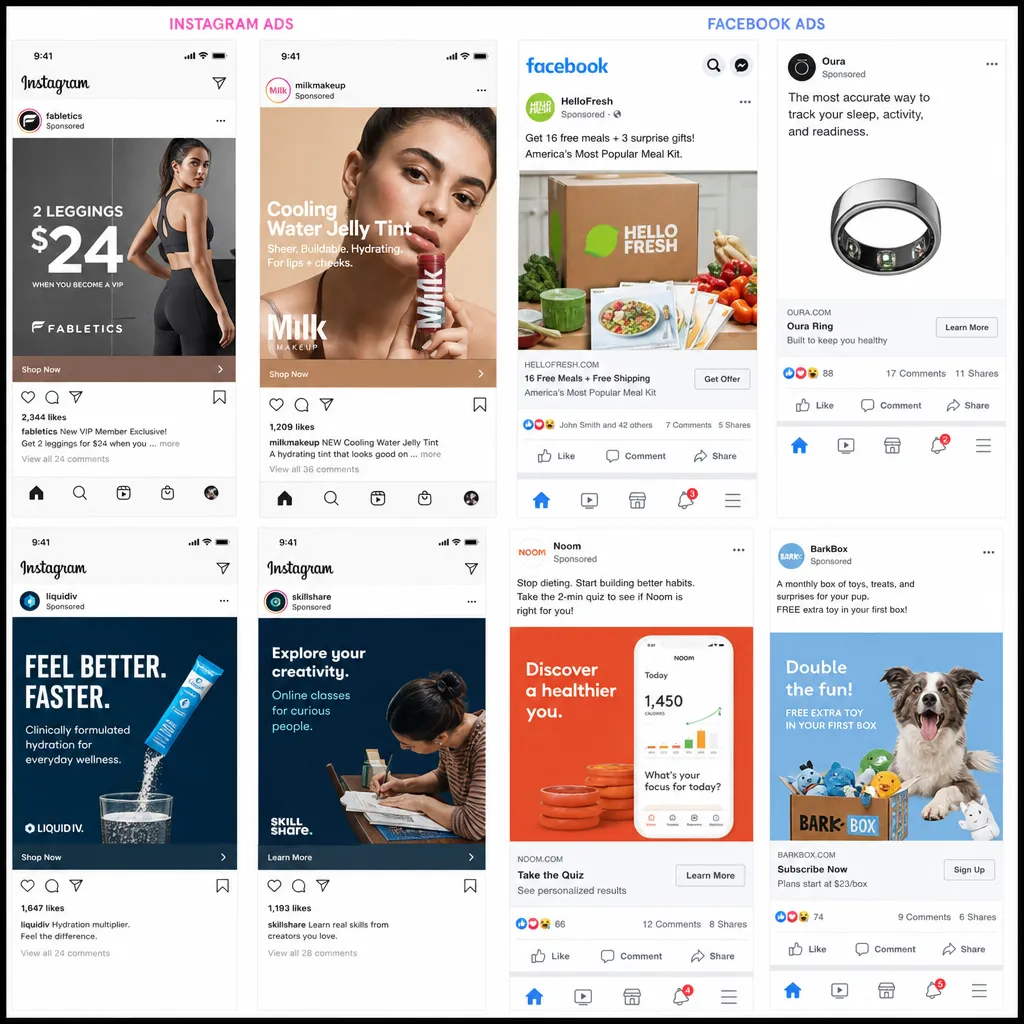
Facebook Ads vs Instagram Ads in 2026: Which One Deserves Your Budget
The real cost gap between Facebook ads and Instagram ads and which wins for ecommerce, leads, and B2B, and a starting budget split for your business type.

64% of Gen Z Uses TikTok Instead of Google—Here’s How to Make Sure They Find You
More Gen Z users are bypassing Google, turning to TikTok and Instagram for answers. Surveys show short-form video platforms are becoming Gen Z’s go-to search engines.
Ultimate Guide to Clip Farming in 2026 for Creators
Clip farming means three different things in 2026. Here's what each one is, how creators actually run it, what it pays, and what the platforms now penalize.
Put this into practice with Virlo
Turn what you just read into real research. These are the tools creators, agencies, and brands use to find what's working on short-form video.
Content Research Agent
Run your short-form research on autopilot — outliers, creators, and sounds across TikTok, Reels, and Shorts.
Tracking Center
Monitor breakout creators, videos, and competitors with daily snapshots and deep AI analysis.
Free Data
Explore free viral hooks, trending niches, breakout products, and more — no account required.
Get The Signal
Join creators, marketers, and agencies getting weekly trend breakdowns and social listening insights delivered free.
Subscribe to the Newsletter
Stop Guessing. Start Knowing.
Join thousands of digital entrepreneurs using data to take the guesswork out of capitalizing on trends.