20 Practical Tips for Ecommerce Conversion Rate Optimization
Discover 20 actionable ecommerce conversion rate optimization tips to boost sales and turn more visitors into loyal customers.

Your ecommerce store attracts visitors, but they're leaving without buying. You've optimized your product pages, tweaked your checkout process, and tested countless variations, yet your conversion rate stays stubbornly low. The missing piece? Understanding what actually persuades shoppers to click "buy now" instead of bouncing.
This guide explores how ecommerce conversion rate optimization intersects with UGC Trends, showing you practical ways to boost sales by leveraging customer-generated content, social proof, and shopping behavior patterns to identify viral trends and analyze content performance across your sales funnel.
When you know which user-generated content resonates with buyers, you can replicate success instead of guessing. Virlo's virality analysis tool helps you identify high-performing customer reviews, testimonials, and social media posts that drive purchasing decisions, giving you clear data to find viral trends and analyze content performance that actually impacts your bottom line. You'll see which authentic content builds trust, reduces cart abandonment, and turns browsers into customers.
Summary
Ecommerce stores typically convert only 2.5% to 3% of their visitors into buyers, meaning 97 out of 100 people leave without purchasing. This isn't necessarily a failure of the product or offering. It's often the result of fixable friction points, such as unclear value propositions, complicated checkout flows, or missing trust signals, that create hesitation at critical decision moments.
Shopping cart abandonment reaches 70% across online retail, according to Baymard Institute research. The majority of these abandoned carts represent visitors who showed strong purchase intent by adding items but encountered obstacles during checkout. Unavailable payment methods, unexpected shipping costs, or forced account registration before purchase completion are typically the triggers for these exits.
Companies investing in conversion rate optimization see an average return of $223 for every $1 spent. This dramatic ROI exists because optimization compounds, each improvement stacking with others to create momentum that paid traffic alone cannot match. Fixing load speed reduces bounce rates, clarifying messaging decreases comparison shopping exits, and simplifying checkout converts hesitant browsers who were one unnecessary form field away from abandoning.
Short-form video traffic from TikTok Shop, Instagram Reels, and YouTube Shorts arrives with different expectations than traditional search traffic. These visitors discovered products through 15-second narratives that showed problems solved and results delivered, priming them for impulsive decisions rather than methodical research. When they land on product pages designed for comparison shoppers with lengthy descriptions and specification tables, the format disconnect creates friction that kills the momentum the video generated.
Most conversion optimization efforts fail because teams test the wrong elements, optimizing button colors while ignoring fundamental issues like product photography that fails to convey scale or checkout flows that ask for unnecessary information. The highest-leverage improvements typically hide in unglamorous places, like form fields that request data you don't actually need, error messages that blame users instead of guiding them, or mobile experiences that nobody tested on actual devices.
Virlo's virality analysis tool helps ecommerce businesses identify which viral video patterns actually convert browsers into buyers rather than just accumulate views, and provides data on which trending formats and posting windows drive traffic that completes checkout rather than passive scrolling.
What is Ecommerce Conversion Rate Optimization

Ecommerce conversion rate optimization is the systematic process of increasing the percentage of website visitors who complete desired actions that lead to revenue. While the ultimate goal is turning browsers into buyers, conversions encompass multiple touchpoints: adding items to wishlists, moving products to cart, signing up for newsletters, and completing checkout. Each action signals buyer intent and creates data points that reveal where your funnel succeeds or fails.
The mechanics are straightforward. You divide total conversions by total visitors, then multiply by 100. If 100 people bought out of 5,000 visitors, your conversion rate is 2%. Simple math, but the devil hides in the details. Calculate conversions for a specific product page using site-wide visitor numbers instead of page-specific traffic, and your data becomes fiction. Compare last Tuesday's performance against a three-month average, without accounting for traffic source differences, and you're optimizing in the dark. Precision in measurement determines whether your optimization efforts build on truth or assumptions.
What Counts as a Conversion
Not every conversion carries equal weight. A newsletter signup costs you nothing and might generate future revenue. A cart addition shows stronger intent but no commitment. A completed purchase transfers money and validates everything upstream. Shopify explains that conversion rate optimization strategically improves your website to turn visitors into buyers, but the path rarely moves in a straight line.
Teams often track micro-conversions (wishlist additions, email captures) and macro-conversions (purchases, subscription starts) separately because they reveal different friction points. Someone who adds five items to their cart but never reaches checkout faces different obstacles than someone who bounces after viewing a single product image. Your analytics should distinguish between these behaviors because the fixes differ entirely.
The Practice Behind the Metric
Conversion rate optimization combines detective work with systematic testing. You're putting together A/B tests, qualitative user research, journey mapping, and behavioral analysis to understand what drives action and what creates hesitation. Some friction points surface immediately. Checkout forms that demand eighteen fields before purchase. Product images that load slowly or fail to scale. Shipping costs that appear only at the final step trigger instant abandonment.
Other barriers hide deeper. Your product descriptions might answer feature questions, but ignore the emotional objections that actually prevent purchase. Your site navigation could make perfect sense to you while confusing first-time visitors who don't share your mental model. The gap between what you think visitors need and what actually moves them forward is where conversion optimization lives.
Industry data from Envive shows the average ecommerce conversion rate hovers between 2.5% and 3%, meaning 97 out of 100 visitors leave without buying. That's not failure. That's reality. The question becomes whether you're losing people to legitimate disinterest or fixable friction.
Where Signal Quality Determines Everything
Performance deteriorates when you feed your systems bad signals. Run too many creative variations on an insufficient budget, and your ad platform can't determine what actually works. Change targeting parameters every three days, and you never give any approach time to generate meaningful data. Increase spending by 100% overnight, and you confuse algorithms trained on your previous budget level.
The same principle applies to your website. If your analytics track bot traffic as human visitors, your conversion rate calculations reflect fiction. When your checkout flow changes weekly, you can't isolate which modification improved or damaged performance. Stability creates a signal. Chaos creates noise.
Most optimization advice assumes you're working with clean data and patient stakeholders. Reality looks different. Clients expect explanations when sales drop after four days. Leadership demands action when conversion rates dip by 0.3%. The pressure to do something often conflicts with the discipline to let systems stabilize and gather meaningful signals before making changes.
Finding What Actually Moves Numbers
Conversion optimization fails when teams optimize the wrong elements. Service businesses waste resources testing 20 creative variations when their real problem lies in providing clarity or faster follow-up. Ecommerce brands obsess over button colors while ignoring that their product photography fails to convey scale, texture, or quality. You can't A/B test your way out of fundamental positioning problems.
The highest-leverage improvements usually hide in unglamorous places. Form fields that ask for information you don't actually need. Error messages that blame users rather than guide them forward. Mobile experiences that force pinching and zooming because nobody tested on actual devices. These friction points don't require sophisticated tools to fix. They require honest observation of how real people interact with your site.
When conversion rates drop, the temptation is to blame traffic quality, algorithm changes, or market conditions. Sometimes those factors matter. More often, the issue stems from decisions you made. You changed your landing page headline without testing it. You added a pop-up that interrupts the browsing experience. You modified your checkout flow based on internal preferences rather than user behavior data.
Short-form video content now drives significant ecommerce traffic, particularly from TikTok Shop, Instagram Reels, and YouTube Shorts. The visitors arriving from these platforms behave differently from traditional search traffic. They often discover products impulsively, making purchase decisions based on how content made them feel rather than methodical feature comparison. Your conversion funnel needs to match their mindset. Long product descriptions and detailed specification tables might work for search traffic, but create friction for viewers who just watched a fifteen-second video showing your product solving a specific problem.
Platforms like Virlo's virality analysis tool help ecommerce businesses identify which short-form video content actually drives purchases versus just generating views. When you know which viral trends convert browsers into buyers, you can optimize landing pages to match the expectations those videos create, reducing the disconnect between content discovery and purchase completion.
Structure Versus Complexity
Simple campaign structures outperform complex ones because they generate clearer signals. One campaign with focused messaging beats five campaigns with overlapping audiences and conflicting creative approaches. The algorithm (whether it's Meta's ad delivery system or your own site's recommendation engine) needs consistent data to optimize effectively. Complexity fragments that data across too many variables, making pattern recognition impossible.
This applies beyond advertising. Your product categorization system might make logical sense from an inventory management perspective, but it can confuse customers who think about your products differently. Your navigation menu could expose every category you sell while overwhelming visitors who just want to solve one specific problem. Simplicity isn't about offering less. It's about removing obstacles between intent and action. But why does any of this matter if you're already getting sales?
Related Reading
UGC vs Influencer
Product Videos Ecommerce
Social Proof Ecommerce
UGC Ecommerce
User Generated Content Tips
Importance of Ecommerce Conversion Rate Optimization

Traffic without ca onversion strategy is just expensive window shopping. You're paying to bring people through the door, then watching them leave because nothing about the experience compels them to stay, trust, or buy. The importance of ecommerce conversion rate optimization isn't about squeezing more from less. It's about respecting the investment you've already made in acquisition by ensuring visitors can actually complete what they came to do.
According to research from Baymard Institute, 70% of online shopping carts are abandoned before purchase completion. That's not a traffic problem. That's a conversion problem. You've already won the hardest battle by capturing attention and generating interest strong enough to add items to the cart. Then something in your checkout flow, trust signals, or user experience creates enough friction that seven out of ten people decide walking away feels easier than finishing.
Revenue Growth Without Budget Expansion
The familiar approach when sales plateau is to request more ad budget. Double the spend, double the traffic, hit the revenue target. It's linear thinking that ignores the compounding power of conversion improvements. When your baseline conversion rate is 2%, increasing it to 3% generates 50% more revenue from the same traffic volume. No additional acquisition cost. No expanded audience targeting. Just fewer people are leaving without buying.
Companies that invest in CRO see an average return of $223 for every $1 spent, according to Invesp. That return exists because optimization compounds. Fix your product page load speed, and you reduce bounce rates. Clarify your value proposition, and you decrease the number of comparison shopping exits. Simplify your checkout flow, and you convert hesitant browsers who were one unnecessary form field away from abandoning. Each improvement stacks with the others, creating momentum that paid traffic alone cannot match.
Teams often report frustration watching their marketing investments generate clicks but not customers. You're hitting traffic targets while missing revenue goals because the gap between arrival and purchase remains unaddressed. Conversion optimization closes that gap by identifying where intent dies and rebuilding those moments to support completion rather than exit.
Data-Driven Decisions Replace Expensive Guessing
The cycle used to look like this: someone suggests a website change based on intuition, you implement it, wait weeks for enough data to accumulate, discover it damaged performance, revert the change, repeat. Every iteration burned time and potentially revenue while teaching you what doesn't work through expensive trial-and-error.
Systematic conversion optimization inverts that model. You establish baseline performance metrics, form hypotheses based on actual user behavior data, test variations against control versions, and implement only changes that prove effectiveness before full deployment. The shift moves you from "I think this will work" to "here's quantifiable proof this improved conversion by X% with statistical significance."
This matters most when stakeholder opinions conflict with user behavior. Internal teams might prefer minimalist product pages because they look clean, while heatmap data shows visitors scroll hunting for information you removed. Leadership might want aggressive pop-up offers, while session recordings reveal that those interruptions trigger immediate exits. Data doesn't care about preferences. It shows what actually drives action.
Finding and Fixing Invisible Friction
The problems killing your conversion rate rarely announce themselves. Visitors don't email explaining why they abandoned checkout. They just leave, and your analytics show a number decreasing without context. Conversion optimization systematically reveals where people drop off and why.
Your above-the-fold content might not clearly communicate what you sell to mobile visitors scrolling quickly. Your product images could lack the zoom functionality needed to evaluate quality. Your shipping cost reveal might happen too late in the funnel, creating sticker shock at the worst possible moment. Your trust signals (reviews, security badges, return policies) might exist, but sit buried where anxious first-time buyers never see them.
Short-form video traffic from TikTok Shop, Instagram Reels, and YouTube Shorts arrives with different expectations than search traffic. These visitors discovered your product through 15-second narratives that showcase problems solved and results achieved. They're primed for impulse decisions, not methodical research. When they land on product pages designed for comparison shoppers, the disconnect creates friction. Your detailed specification tables and lengthy descriptions feel like obstacles rather than helpful information.
Platforms like Virlo's virality analysis tool help ecommerce businesses identify which viral content patterns actually convert browsers into buyers. When you know which trending video formats drive purchases versus just views, you can optimize landing experiences to match those expectations. The visitor who just watched your product solve a specific problem in a trending video format needs a purchase path that maintains that momentum, not one that forces them into a completely different decision-making mode.
Continuous Improvement Creates Compounding Returns
Conversion optimization isn't a project with a completion date. It's an operating system for continuous improvement. Even high-performing websites contain opportunities to reduce friction, clarify messaging, or streamline user flows. The difference between good and great often lies in small refinements that, individually, seem minor but, collectively, transform performance.
This matters because customer behavior, platform algorithms, and competitive landscapes constantly shift. The checkout flow that converted effectively six months ago might underperform today because competitor sites trained users to expect one-click purchasing. The product page layout that worked for desktop traffic might fail mobile visitors, who now represent 70% of your audience. Standing still means falling behind as expectations evolve.
Testing and refining also build institutional knowledge about what actually drives your specific audience to purchase. Generic best practices provide starting points, but your customers have unique objections, preferences, and decision triggers. Systematic optimization reveals those patterns, letting you build conversion strategies around actual behavior rather than industry assumptions.
Teams that see consistent conversion rate improvements treat optimization as an ongoing discipline rather than an occasional initiative. They've moved beyond wondering whether changes will help to know which specific modifications will generate a measurable impact based on testing history and user behavior data. But knowing conversion optimization matters and actually implementing effective improvements are entirely different challenges.
20 Tips for Ecommerce Conversion Rate Optimization

Improving conversion rates means removing friction at every decision point between arrival and purchase. Each tip below addresses specific obstacles that cause visitors to hesitate, second-guess, or abandon entirely. Implementation priority should follow your actual user behavior data, not arbitrary best practice rankings.
1. Minimize Form Fields to Reduce Friction
Every additional field in your checkout form increases the risk of abandonment. Ask only for information you genuinely need to complete the transaction: name, email, shipping address, and payment details. Fields like "Company Name" or "Phone Number" (unless you actually call customers) add cognitive load without value. The mental calculation happens instantly. Is providing this information worth the price of the product I'm buying? When the answer tilts toward no, visitors leave. Research from Identixweb demonstrates that conversion rate optimization can increase revenue by 223%, and checkout friction is one of the highest-leverage areas for improvement. Shorter forms accelerate completion by reducing the perceived effort required to finish.
2. Clearly Mark Required vs. Optional Fields
Ambiguity creates hesitation. Visitors shouldn't need to guess which fields they must complete versus which they can skip. Use asterisks or visual indicators to distinguish mandatory from optional inputs, and consider labeling optional fields explicitly with "(optional)" text. This clarity matters most on mobile devices, where form completion feels more laborious, and users abandon more quickly when confused about requirements.
3. Offer Guest Checkout First, Account Creation After Purchase
Forcing account registration before purchase adds unnecessary friction at the worst possible moment. You're asking people to commit to a relationship before they've experienced your product quality or service reliability. Allow guest checkout, then prompt account creation after a successful purchase by emphasizing tangible benefits such as faster future checkouts, order tracking, exclusive discounts, or early access to new products. The psychology shifts completely. Pre-purchase registration feels like a barrier. Post-purchase account creation feels like unlocking rewards you've now earned through completing a transaction.
4. Display Multiple Trusted Payment Options
Payment method availability directly impacts conversion rates. Include credit and debit cards, PayPal, Apple Pay, Google Pay, and buy now, pay later services like Afterpay or Klarna. According to Baymard Institute, 69.57% of shopping carts are abandoned, and unavailable preferred payment methods contribute significantly to that number. Make the most popular options visible immediately, grouping secondary methods under an expandable dropdown to avoid visual clutter while maintaining choice. The visitor who exclusively uses Apple Pay shouldn't need to hunt for that option or wonder if you support it.
5. Optimize Mobile Payment Flow
Mobile users face different constraints than desktop visitors. Cluttered payment icon displays create decision paralysis on small screens. Prioritize one or two primary payment methods prominently, hiding others under a simple "More payment options" expansion. Ensure all buttons meet the minimum touch target size (at least 44x44 pixels) to prevent accidental taps that trigger frustration or exits.
6. Use High-Resolution Images with Zoom and 360-Degree Views
Visitors can't physically handle your products before purchase. Photography must compensate for that sensory gap by showing texture, scale, construction quality, and details from multiple angles. Provide zoom functionality that reveals fabric weave, surface finish, or component quality. Add 360-degree rotation for products where shape and proportion matter. This investment reduces hesitation and returns simultaneously. Buyers feel more confident about what they're getting, and post-purchase disappointment from mismatched expectations decreases.
7. Include Product Demonstration Videos
Static images answer what something looks like. Video demonstrates how it works, moves, sounds, or feels in actual use. For complex products, assembly processes, or items where scale matters, short demonstration videos (15-45 seconds) build confidence faster than lengthy text descriptions. Show the product solving the specific problem your target customer faces. Short-form video content from TikTok, Instagram Reels, and YouTube Shorts now drives substantial ecommerce traffic. Visitors arriving from these platforms expect video-first product experiences because that's how they discovered you. When they land on pages with only static images and text, the format disconnect creates friction.
Tools like Virlo help ecommerce businesses identify which viral video formats actually convert browsers into buyers, rather than just generating views. When you know which trending content patterns drive purchases, you can optimize product pages to align with those expectations by using demonstration videos that sustain momentum rather than forcing visitors into completely different decision-making modes.
8. Show Review Scores and Quantity Clearly
Social proof reduces purchase anxiety, but only when it's visible where decisions are made. Display average star ratings and total review counts above the fold on product pages. Visitors often filter products by rating before reading descriptions, and review quantity signals whether the rating reflects genuine consensus or the opinions of friends and family. The difference between 4.5 stars from 8 reviews versus 4.5 stars from 847 reviews changes perception completely. One suggests early feedback. The other indicates validated quality across hundreds of real customers.
9. Write Structured and Detailed Product Descriptions
Vague descriptions force visitors to guess about specifications, compatibility, or materials. Structure your content to answer predictable questions quickly: dimensions, weight, materials, care instructions, compatibility requirements, wand arranty terms. Use bullet points for scannable facts and short paragraphs for context or usage guidance. Detailed descriptions reduce returns due to mismatched expectations and help search engines better understand your products. The visitor searching for "waterproof hiking boots size 10 wide" needs to see those exact specifications confirmed in your description.
10. Highlight Urgency and Stock Levels Strategically
Genuine scarcity creates motivation. Artificial urgency creates skepticism. Use stock-level indicators ("Only 3 left in stock") for items that are actually running low, not as a permanent tactic applied to every product. Time-limited offers work when authentic (seasonal promotions, clearance sales) but damage trust when the same "24-hour sale" runs perpetually. The goal is nudging hesitant buyers toward decisions they're already considering, not manipulating people into purchases they'll regret.
11. Design Logical Category Hierarchies
Your internal organizational system rarely aligns with how customers think about your products. Someone looking for "gifts under $50" doesn't care whether those items live in Home Goods, Accessories, or Electronics categories. Build navigation around customer intent and common use cases, not warehouse inventory structure. Include "View All" options to prevent frustration when visitors can't determine which subcategory contains what they want. Avoid deep menu nesting that requires four clicks to reach actual products.
12. Implement Smart Search with Autocomplete
Search functionality reveals purchase intent more clearly than browsing behavior. Visitors who use search know what they want and expect relevant results immediately. Implement autocomplete that corrects spelling errors, provides predictive suggestions, and surfaces actual products as users type. Poor search experiences cause immediate exits. If someone searches for "wireless headphones" and your search returns zero results because you categorized them as "Bluetooth earbuds," you've failed to connect clear intent with available inventory.
13. Add Breadcrumbs for Easy Navigation
Breadcrumb trails show visitors their current location within your site hierarchy and allow quick jumps back to broader categories without repeated back-button clicking. This reduces the trapped feeling that occurs when someone explores deep into your catalog and can't easily navigate back to familiar territory. Simple implementation, meaningful impact on exploration behavior, and reduced bounce rates.
14. Highlight Related Products and Upsells
Strategic product recommendations increase average order value when they align with what visitors are already viewing or purchasing. Show complementary items (a phone case with a phone purchase), upgrades (a higher-capacity version), or frequently bought together combinations. Avoid unrelated suggestions that confuse buyers or make them question whether you understand what they're trying to accomplish. Recommending winter coats to someone buying swimwear signals broken logic, not helpful curation.
15. Display Security Badges at Critical Points
Trust barriers peak at payment entry. Visitors hesitate before entering credit card information on unfamiliar sites, wondering whether their data will be secure. Display SSL certificates, PCI compliance badges, and payment partner logos (Visa, Mastercard, PayPal) directly at checkout and in the payment section, where anxiety runs highest. These badges work not because people verify their authenticity, but because their presence signals that you take security seriously enough to display credentials prominently.
16. Show Real Customer Photos and Testimonials
Professional product photography looks perfect. Customer photos show reality. Allow and encourage buyers to upload images with their reviews, demonstrating how products look in actual use, on real bodies, in normal lighting conditions. This authentic social proof builds trust faster than curated marketing imagery. Written testimonials work best when specific rather than generic. "This jacket kept me warm during a week of camping in 20-degree weather" convinces more effectively than "Great product, highly recommend."
17. Provide Clear Return and Refund Policies
Purchase anxiety often centers on one question: What happens if this doesn't work out? Clear, generous return policies reduce that barrier by removing downside risk. Make your policy easy to find, written in plain language, and genuinely customer-friendly. Highlight "Free Returns" or "60-Day Money-Back Guarantee" prominently on product pages where purchase decisions happen. The visitor who knows they can return something easily feels safer clicking buy now.
18. Prominently Display Free Shipping Thresholds
Cart abandonment spikes when shipping costs appear unexpectedly at checkout. Eliminate that surprise by showing free shipping thresholds early and often. Progress bars ("Spend $23 more to get free shipping") on cart pages turn shipping costs into motivation for additional purchases rather than abandonment triggers. This tactic simultaneously reduces abandonment and increases average order value, making it one of the highest-leverage conversion optimizations available.
19. Use Contextual, Time-Sensitive Discounts
Generic pop-ups that appear immediately upon arrival at the site feel intrusive. Contextual discounts triggered by specific behaviors (exit intent, cart page lingering, returning visitor) feel relevant. Time-limited offers create urgency, but only when the deadline is real and enforced. Personalization matters. First-time visitors might respond to "10% off your first order," while returning visitors who've browsed multiple times might need "Complete your purchase today" messaging instead.
20. Highlight Price Transparency and Value
Hidden fees destroy trust instantly. Display taxes, shipping costs, and total price as early in the checkout process as possible. Unexpected charges that appear only at final confirmation trigger immediate abandonment because they feel like bait-and-switch tactics. Price transparency extends beyond avoiding surprise fees. Break down the value clearly for higher-priced items: warranty coverage, included accessories, ongoing support, or a comparison with competitor pricing. Help visitors understand why your price represents fair value rather than hoping they won't notice or question it. The difference between implementing these tips randomly and systematically comes down to whether you're guessing or measuring actual impact on your specific audience. But knowing what to test only matters if you're using tools that actually reveal which changes drive results.
10 Best Tools for Ecommerce Conversion Rate Optimization
The right conversion optimization tools reveal where visitors hesitate, what creates friction, and which changes actually move numbers. Choosing between platforms comes down to whether you need behavior tracking, personalization capabilities, testing infrastructure, or conversational support. Most effective strategies combine multiple tools that address different conversion barriers, rather than expecting a single platform to solve everything.
1. Virlo
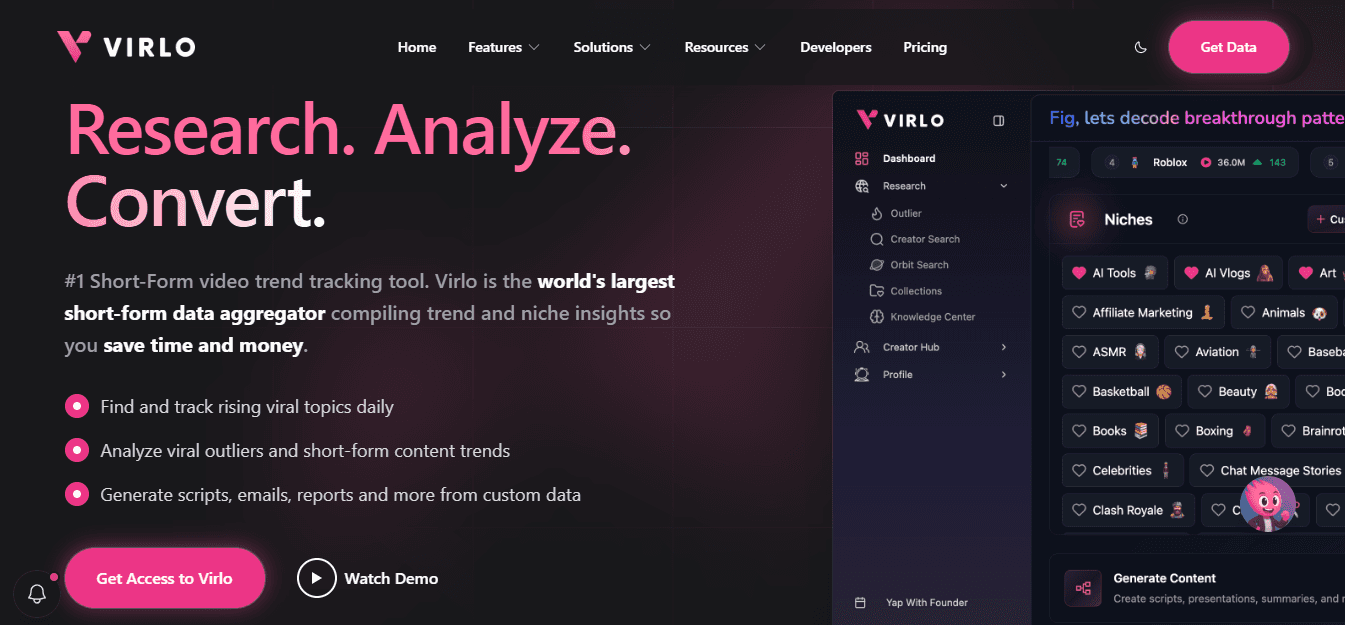
Social traffic from TikTok, Instagram Reels, and YouTube Shorts behaves differently from search visitors. They arrive through impulse discovery, primed by 15-second narratives that show problems solved and results delivered. When those visitors land on product pages designed for methodical comparison shoppers, the format disconnect kills momentum.
Virlo analyzes which viral video patterns actually convert browsers into buyers, rather than just accumulate views. The platform identifies trending audio-visual combinations, content formats, and posting windows that drive purchase behavior, then provides tools to create conversion-optimized content that maintains the emotional momentum short-form video generates. Instead of guessing which creative elements resonate with audiences, you're working from data showing which specific patterns correlate with product page visits that complete checkout.
Timing determines whether promotional content reaches users when they're actively browsing versus passively scrolling. Virlo surfaces optimal posting windows based on when your target audience engages most, increasing the likelihood that traffic to your site carries genuine purchase intent rather than casual curiosity. For ecommerce brands running social campaigns or independent creators building product businesses, the platform removes guesswork from content planning. You're identifying what captures attention, drives quality traffic, and converts that attention into revenue before competitors spot the same patterns.
2. Crazy Egg
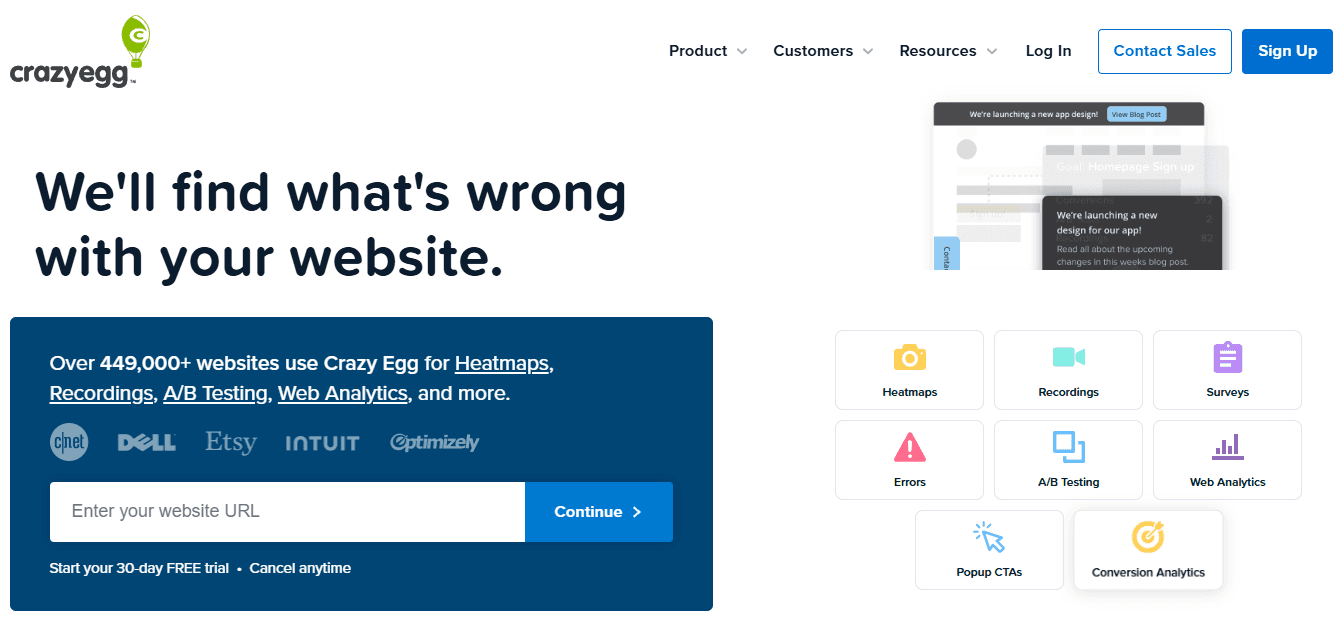
Heatmap technology shows exactly where visitors click, how far they scroll, and which elements they ignore completely. Crazy Egg originated this approach, turning abstract analytics into visual representations that reveal behavior patterns instantly. According to Shopify's analysis of 17 top ecommerce CRO tools, behavior-tracking platforms identify customer frustrations that need to be addressed to improve conversion rates.
The platform's suite includes scroll maps showing where visitors abandon pages, click maps revealing which buttons and links get ignored, and confetti reports breaking down clicks by traffic source or device type. You're not interpreting spreadsheet data. You're watching recordings of actual sessions where someone added items to the cart, then inexplicably left without completing the purchase.
A fast A/B testing setup lets teams validate hypotheses quickly rather than waiting weeks for enough traffic to reach statistical significance. The 30-day free trial provides enough time to identify your highest-impact optimization opportunities without financial commitment.
3. Chatbot

Cart abandonment often stems from unanswered questions at critical decision moments. Visitors wonder about sizing, compatibility, shipping speed, or return policies, but don't want to hunt through FAQ pages or wait for email responses. They leave instead. Chatbot's visual builder lets ecommerce teams design conversational flows without coding expertise. Drag-and-drop elements create exchanges that guide visitors through common objections, answer specification questions, and provide reassurance at exactly the moment purchase anxiety peaks.
The platform connects with Facebook Messenger, extending support beyond your website to where customers already communicate. Twenty-four-seven availability through automated responses prevents the "I'll come back later" exits that rarely convert into actual returns. Free signup removes the barrier to testing whether conversational support reduces your specific abandonment rate.
4. Wunderkind

Generic email blasts and mass text campaigns treat every customer identically, ignoring that purchase triggers vary dramatically between first-time browsers and repeat buyers. Wunderkind focuses on one-to-one personalized messaging that acknowledges individual behavior patterns and preferences.
The platform analyzes browsing history, past purchases, and engagement patterns to create tailored communication that feels relevant rather than intrusive. Someone who abandoned a cart containing winter coats receives different messaging than someone who's browsed three times without adding anything. Custom performance estimates help predict the revenue impact before implementation, reducing the risk of investing in personalization infrastructure that doesn't align with your business model. This approach works particularly well for building loyal audiences that generate sustainable growth rather than chasing one-time transactions through aggressive discounting.
5. Nosto
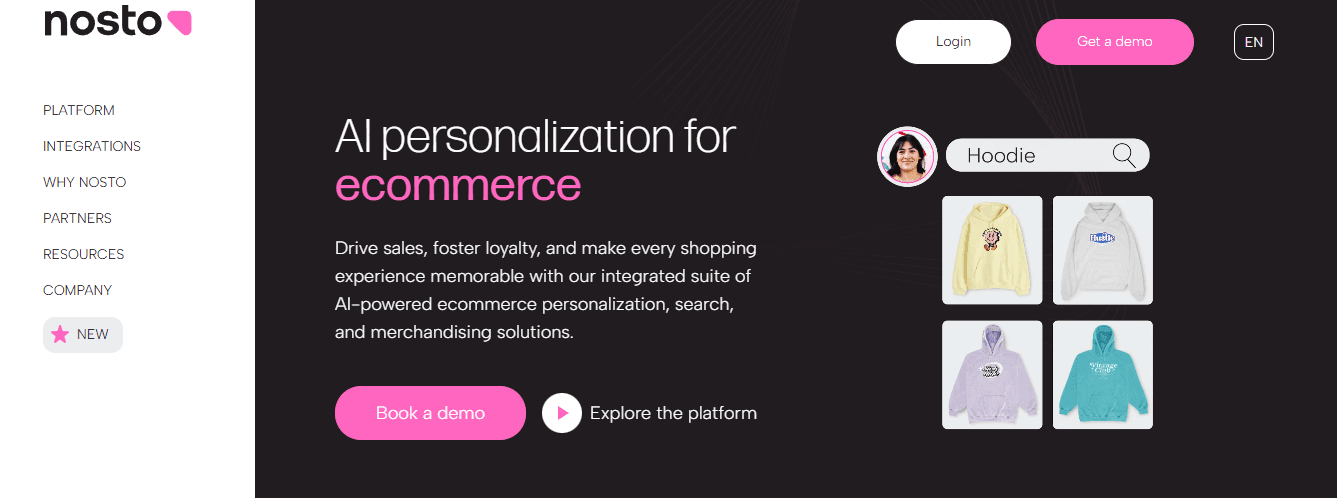
Real-time data synchronization ensures product recommendations reflect current inventory, pricing, and customer behavior, rather than outdated information that can create frustrating experiences. Nosto continuously updates shopper and product data, personalizing journeys from discovery through checkout based on what's actually happening right now.
Their Shoppable Instagram feature bridges social browsing and purchase completion, enabling visitors to buy directly from Instagram content without leaving the app. This reduces friction for impulse purchases triggered by social discovery. Segmentation and A/B testing capabilities ensure recommendations improve over time as the system learns which product combinations drive higher average order values for different customer segments. Quick setup and omnichannel integrations mean implementation doesn't require months of technical work before seeing results.
6. PureClarity
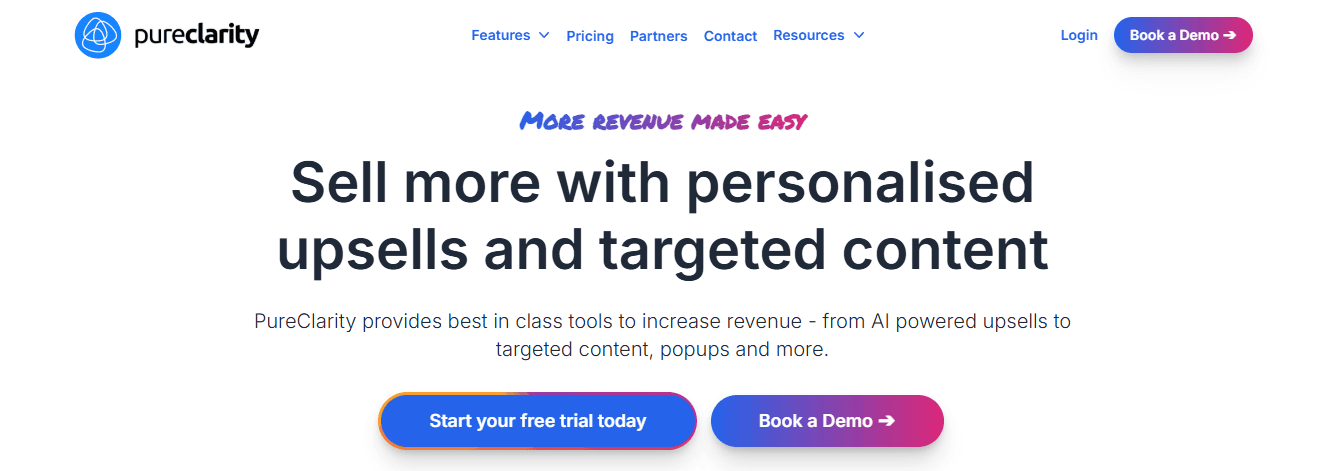
Every visitor viewing your site simultaneously sees different content based on their behavior, location, and purchase history. PureClarity's AI-driven personalization tools create unique experiences by delivering individualized banners, carousels, and product recommendations that adapt in real time. The platform excels at personalizing pop-ups, emails, and search results beyond just homepage content. Someone searching for "running shoes" sees different results based on whether they've previously browsed trail running gear versus road racing equipment. A 98% customer satisfaction rating and no-contract terms reduce implementation risk while providing flexibility to test the impact before committing long-term. A/B testing and segmentation work together, ensuring each shopper views content optimized for their specific behavior patterns rather than generic best-practice layouts.
7. Yieldify
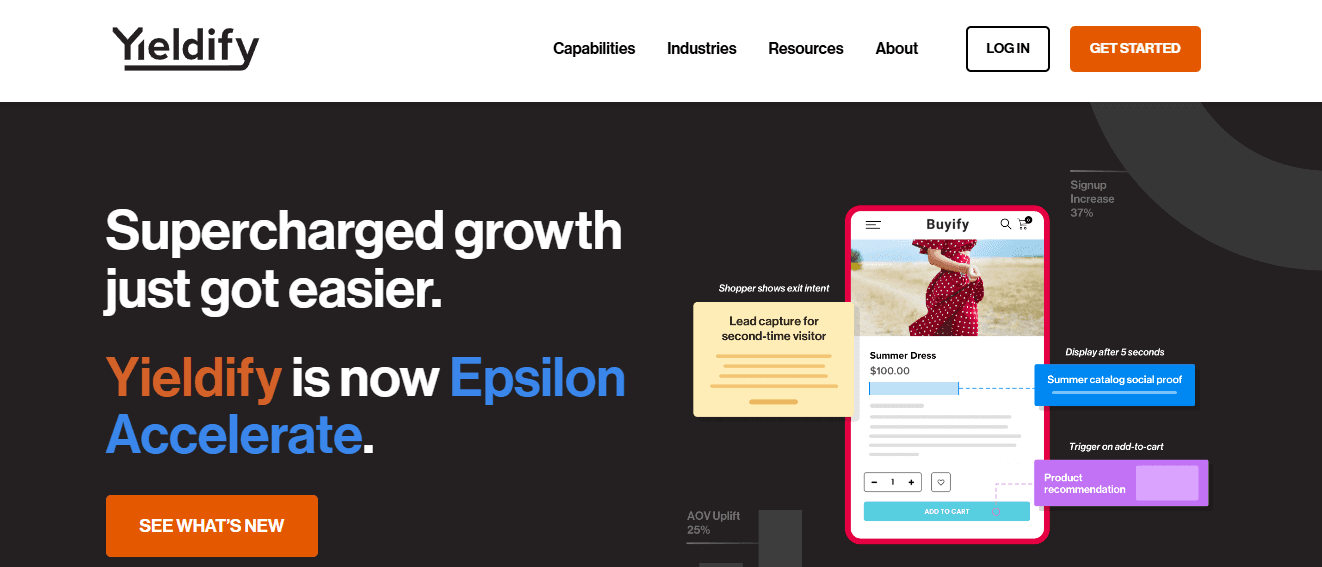
Partnerships with major brands like Adidas demonstrate Yieldify's capability to handle complex personalization at scale. Their extensive toolset improves multiple conversion funnel stages simultaneously, from initial lead generation through customer experience refinement and cart abandonment recovery. No-code setup and build processes let marketing teams implement and modify campaigns without waiting for developer availability. Expert client and technical services provide guidance on which personalization strategies will generate the highest impact for your specific business model and audience characteristics. Substantial customer testimonials offer social proof that the platform delivers measurable results across different ecommerce categories and business sizes.
8. Fresh Relevance
Cross-channel personalization creates a seamless experience as customers move between your website, mobile app, and email communications. Fresh Relevance provides tools that maintain consistent messaging and recommendations across all touchpoints without requiring technical expertise to configure.
The platform's extensive portfolio includes geotargeting, social proof widgets, and data management capabilities that work together rather than as disconnected features. Core and Enterprise plans accommodate businesses of different sizes and complexity levels, while flexible modular features let teams add capabilities as needs evolve rather than paying for unused functionality upfront.
Engaging customers from inspiration through purchase requires coordinating experiences across multiple channels. Fresh Relevance centralizes that coordination, preventing the disjointed experiences that occur when email, website, and app teams operate independently.
9. intent.ly
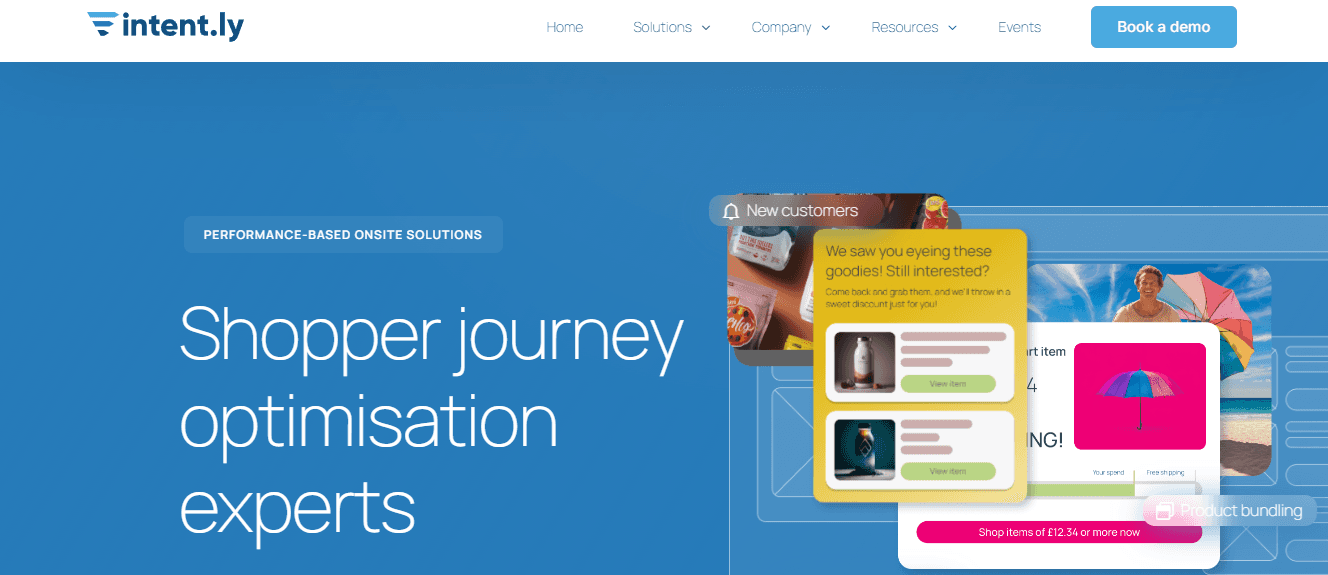
Award-winning conversion optimization combines timely prompts, targeted messages, and strategic overlays that guide visitors toward completion without feeling intrusive. According to Humblytics' review of the 12 best conversion rate optimization tools, platforms that deliver contextual interventions at critical decision moments significantly outperform generic pop-up strategies.
intent.ly's analytics suite identifies invalid discount codes before they trigger abandonment, automatically fixes broken promotional links, and surfaces technical issues that prevent checkout completion. Live chat support provides human assistance exactly when automated guidance reaches its limits. An extensive client base across multiple ecommerce categories demonstrates the platform's adaptability to different business models and audience types.
10. FACT-Finder
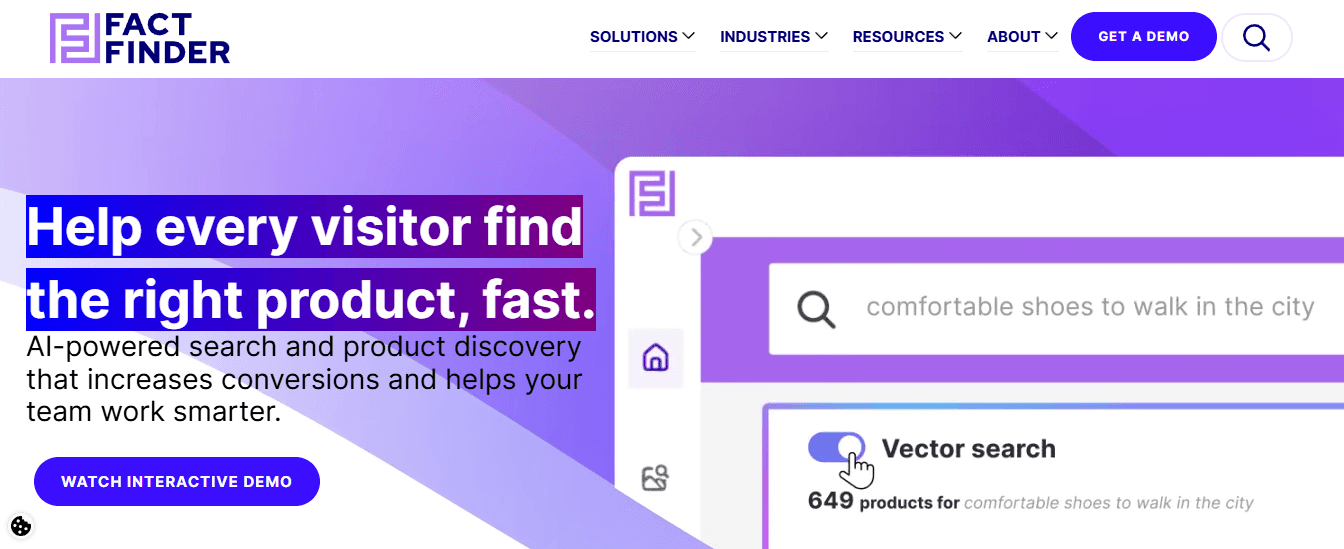
Product discovery determines whether visitors find what they need quickly or abandon in frustration. FACT-Finder's site search tool connects customers with relevant products instantly through intelligent query interpretation, synonym recognition, and typo correction. Beyond search, the platform includes personalization, recommendations, predictive basket, and customer-specific pricing modules that work together to create cohesive shopping experiences. Twenty-plus years of ecommerce experience inform their approach, with teams working across five European offices to support both B2B and B2C implementations. Their commitment to the Climate Neutral Now initiative reflects values beyond pure conversion optimization, appealing to brands where environmental responsibility influences vendor selection. But having these tools only matters if you know which viral content patterns are actually driving traffic worth converting.
Related Reading
• Ugc Usage Rights
• Ugc Management
• Ugc Rates
• User Generated Content Instagram
• Ugc Seo
• Tiktok Ugc Ads
• Ugc Contests
• Ugc Strategy
• Amazon Ugc
• Ugc Content Moderation
Turn Short-Form Videos into Real E-Commerce Sales with Virlo
Understanding which short-form videos generate views versus which ones actually drive purchases changes everything about how you allocate creative resources and ad spend. Most ecommerce brands pour budget into content that performs well on engagement metrics while missing the signal that matters most: which specific video patterns correlate with checkout completions. The gap between viral reach and revenue conversion is where money disappears.
Virlo's virality analysis platform surfaces exactly which trending audio-visual combinations, content formats, and posting windows drive purchase behavior rather than just accumulating passive views. You're working from data showing which viral patterns bring visitors to product pages who actually complete transactions, then using the platform's content creation tools (scriptwriting, video generation, image generation) to replicate those proven patterns before competitors identify the same opportunities. The speed advantage matters because trending formats lose effectiveness once saturation hits. Catching momentum early means your content reaches audiences while the pattern still feels fresh rather than derivative.
The platform identifies optimal posting times based on when your specific target audience engages most actively, increasing the likelihood that traffic to your site carries genuine purchase intent rather than casual scrolling. Timing determines whether promotional content reaches users actively browsing with wallets open or passively consuming entertainment with a zero-buying mindset. That difference shows up immediately in conversion rates, with the same creative performing dramatically differently based purely on when it reaches viewers.
For ecommerce brands running social campaigns or independent creators building product businesses, this removes all guesswork from content planning. You're not testing twenty creative variations hoping one connects. You're identifying what already captures attention and converting that attention into revenue, then systematically producing more of what the data proves works. The shift moves you from "I think this will perform well" to "here's quantifiable proof this video format drove X% more completed checkouts than our baseline."
Start by analyzing your existing top-performing content to understand which elements actually correlate with sales rather than just engagement. Then use those insights to guide the creation of conversion-optimized videos that maintain the emotional momentum short-form content generates while directing viewers toward product pages designed to complete what the video started. The continuity between discovery and purchase matters more than most teams realize, and breaking that connection is where conversions die.
Related Reading
• Ugc Tools
• Types Of Ugc Videos
• Billo Competitors
• Ugc Hooks
• Ugc Testimonials Examples
• Ugc Video Examples
• Ugc Rights Management
• Best Ugc Campaigns
• Trend.io Alternatives
Related Virlo Tools & Features
E-commerce Solutions — Data-driven e-commerce content strategy
Content Studio — AI-optimized content for conversions
Custom Niches — Track competitor content strategies
See What's Trending Right Now
- Social listening for TikTok, Reels & Shorts
- Spot viral trends before they peak
- Turn insights into ads, scripts & briefs
The Signal Newsletter
Weekly trend breakdowns, creator insights, and social listening tips — straight to your inbox.
Subscribe FreeSee Virlo in action

See What's Trending Right Now
- Social listening for TikTok, Reels & Shorts
- Spot viral trends before they peak
- Turn insights into ads, scripts & briefs
The Signal Newsletter
Weekly trend breakdowns, creator insights, and social listening tips — straight to your inbox.
Subscribe FreeRelated Articles
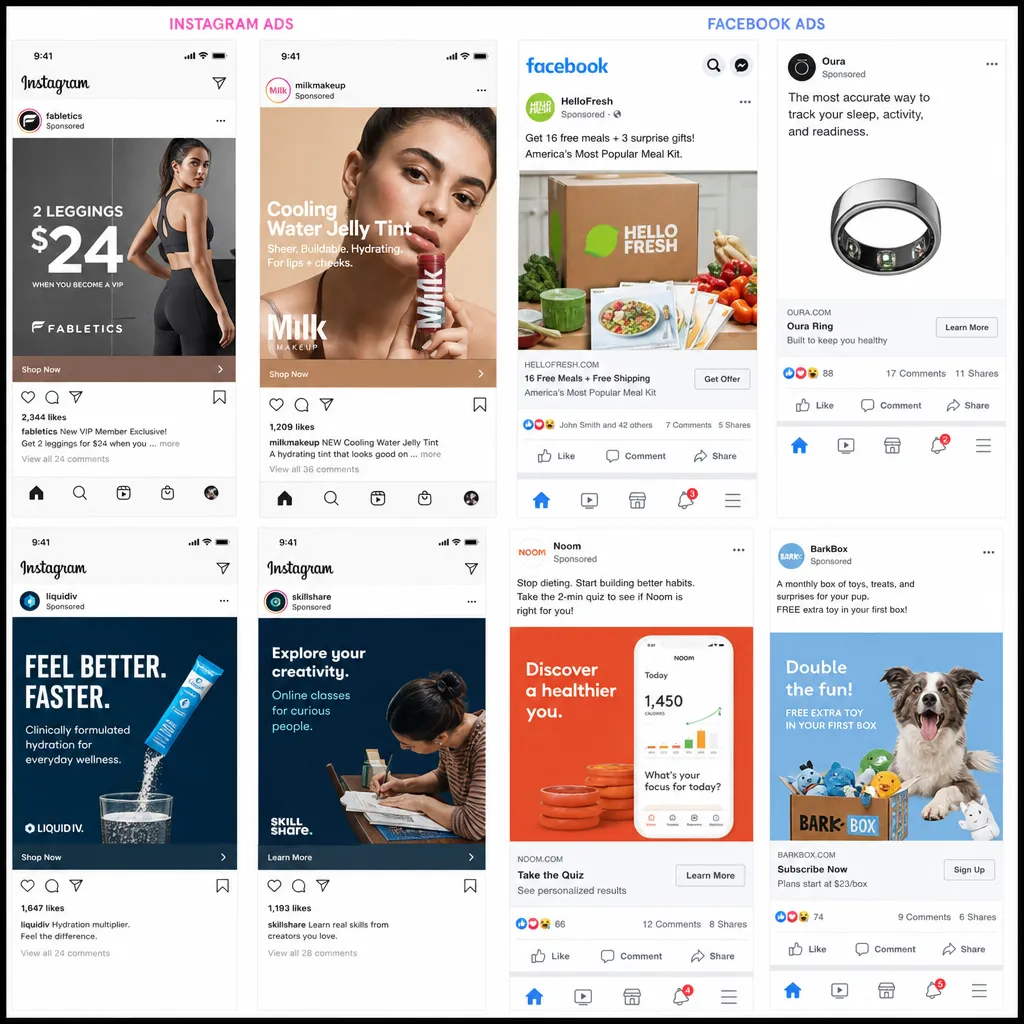
Facebook Ads vs Instagram Ads in 2026: Which One Deserves Your Budget
The real cost gap between Facebook ads and Instagram ads and which wins for ecommerce, leads, and B2B, and a starting budget split for your business type.

64% of Gen Z Uses TikTok Instead of Google—Here’s How to Make Sure They Find You
More Gen Z users are bypassing Google, turning to TikTok and Instagram for answers. Surveys show short-form video platforms are becoming Gen Z’s go-to search engines.
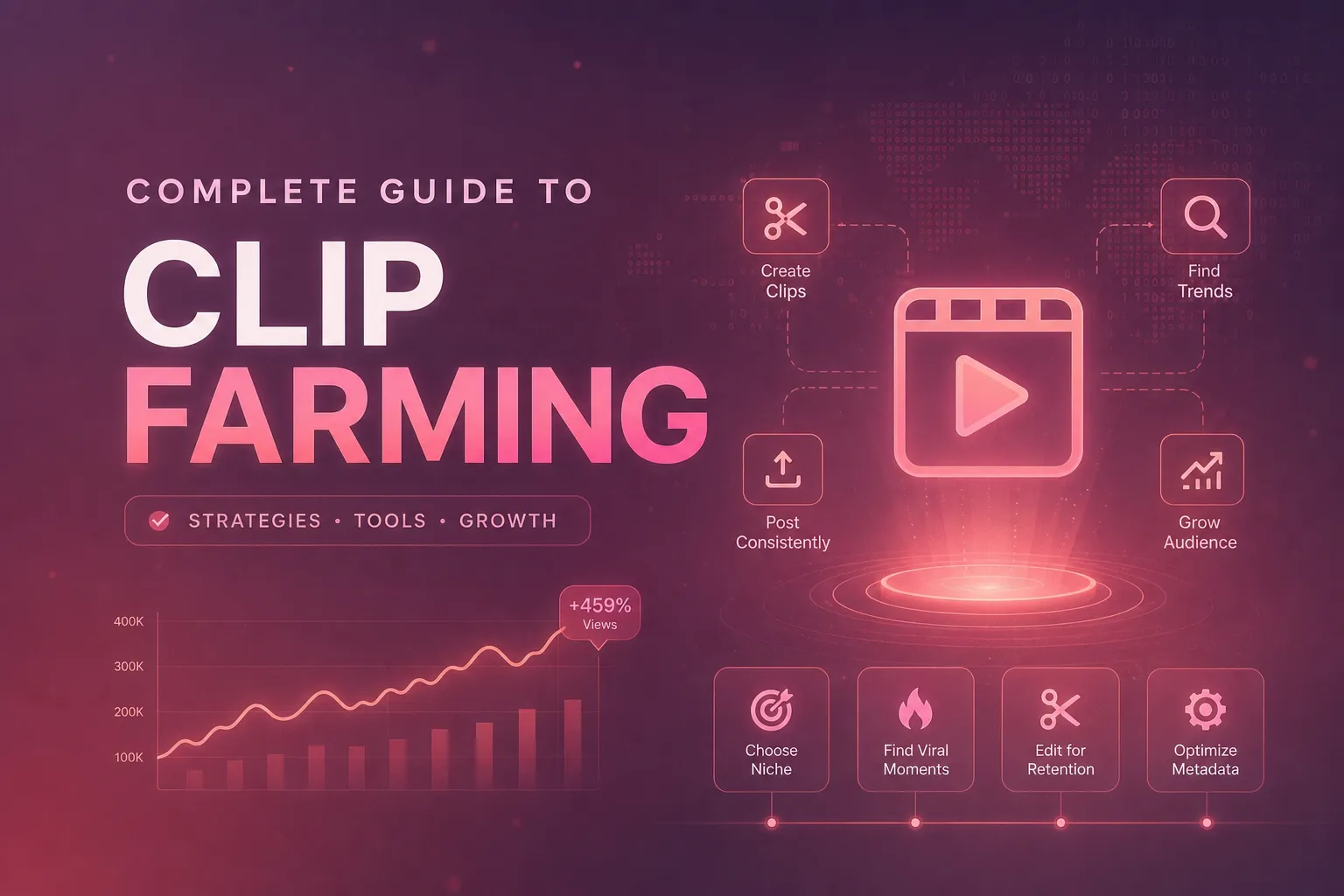
Ultimate Guide to Clip Farming in 2026 for Creators
Clip farming means three different things in 2026. Here's what each one is, how creators actually run it, what it pays, and what the platforms now penalize.
Put this into practice with Virlo
Turn what you just read into real research. These are the tools creators, agencies, and brands use to find what's working on short-form video.
Content Research Agent
Run your short-form research on autopilot — outliers, creators, and sounds across TikTok, Reels, and Shorts.
Tracking Center
Monitor breakout creators, videos, and competitors with daily snapshots and deep AI analysis.
Free Data
Explore free viral hooks, trending niches, breakout products, and more — no account required.
Get The Signal
Join creators, marketers, and agencies getting weekly trend breakdowns and social listening insights delivered free.
Subscribe to the Newsletter
Stop Guessing. Start Knowing.
Join thousands of digital entrepreneurs using data to take the guesswork out of capitalizing on trends.