Is Tiktok Shop Worth It + How to Sell on TikTok Shop
Is Tiktok Shop Worth It? Discover actionable steps to sell on TikTok Shop as Virlo offers trend insights and practical tips to boost your sales and profits.

High engagement on product demos does not always translate into orders, prompting the question: Is Tiktok Shop Marketing worth it? Brands combine creator partnerships, live shopping, paid campaigns, and organic content to drive both discovery and conversion. Measuring key indicators like conversion rate, customer acquisition cost, and return on ad spend helps refine this strategy. These insights reveal whether investment in Tiktok Shop marketing is the right move.
Analyzing trending content and collaboration effectiveness can determine sales performance. Data-driven adjustments empower brands to optimize spending and boost conversion. Virlo enhances these efforts by offering a virality analysis tool that delivers actionable insights to shape product selection and content strategy.
Table of Contents
What is a TikTok Shop?
Is TikTok Shop Worth It
How to Use TikTok Shop for Selling Products in 6 Steps
13 Tips to Sell Products on TikTok Shop
Go Viral with Virlo's Virality Analysis Tool
Summary
TikTok Shop collapses discovery and checkout into the same feed, making impulse purchases feasible, with over 500 million users engaging the commerce layer in 2025.
Content must entertain first and then prompt commerce, because 70 percent of TikTok users say they discover new products on the platform, which makes hard-sell formats prone to underperformance.
Community and social proof pull buyers forward, especially since 80 percent of TikTok Shop users are under 35, so creator endorsements and user-generated clips have an outsized influence on purchase intent.
Operational polish matters as attention scales, given a reported 150 percent increase in TikTok Shop sales over the past year, so product pages, inventory accuracy, and one-tap checkout determine whether views convert.
Creative velocity is a gating factor for growth, with average monthly seller revenue at about $5,000 in 2024, while seller counts have surged 150 percent since launch, meaning small teams often stall when posting cadence outpaces capacity.
Competition and margin pressure are intensifying as TikTok Shop is projected to double in size by the end of 2025, so rapid, margin-aware experiment : its virality analysis tool surfaces which trends drive orders, which creators boost conversion, and which videos hold attention,loops are necessary before scaling spend.
This is where Virlo fits in; its virality analysis tool addresses this by surfacing which trends drive orders, which creators boost conversion, and which videos hold attention so teams can prioritize experiments that convert discovery into tracked revenue.
What is a TikTok Shop?
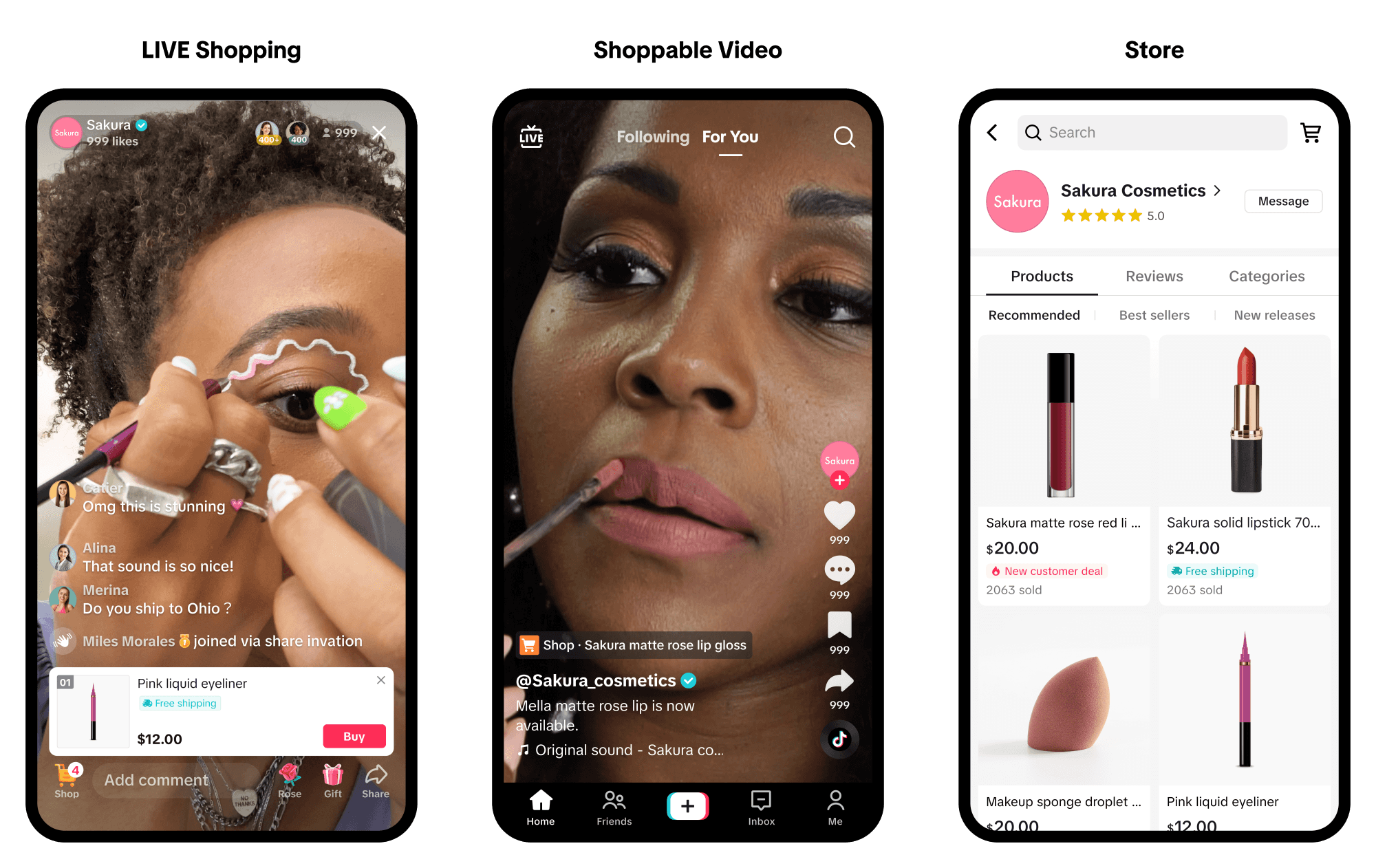
TikTok Shop is TikTok’s native commerce layer that allows creators, brands, and merchants to show and sell products directly within the app. This is done through short videos, live broadcasts, and special storefront tabs that feature in-app checkout. It blends discovery and creator-driven storytelling with a quick payment process, ensuring purchases happen where users are already paying attention. To enhance your TikTok selling strategy, consider using our virality analysis tool to understand what makes content go viral and optimize your approach.
1. What does TikTok Shop actually do?
What TikTok Shop actually does: TikTok Shop makes it easy to find and buy products while watching videos. A short video, a live demonstration, or a product tab on a profile can lead to a purchase without leaving the app. It combines product tags, a shared cart, and creators' content, turning the app into both a catalog and a checkout area. The numbers are impressive, with Capital One Shopping, 2025: over 500 million users have engaged with TikTok Shop in 2025, showing how common product discovery has become on the platform.
2. Why must selling feel like watching?
Entertainment value is very important; selling should feel like watching something fun. The platform rewards content that entertains, surprises, or teaches first and then encourages buying. Hard-sell styles don’t work well because users are looking for emotions, not details. Think of product videos as micro-entertainment instead of little infomercials. Show how a problem gets fixed, include a little personality, and then add the shopping hint. This pattern is typical among creators and early sellers, who view TikTok Shop as a starting point for trendy products. They often use dropshipping because content creation and easy fulfillment go hand in hand.
3. How does community pull purchases forward?
Community dynamics significantly influence purchasing behavior on TikTok. People buy from those they feel connected to, rather than from faceless stores. Recommendations, duets, and creator endorsements act as trusted word-of-mouth, enhanced by algorithmic reach. Brands should build these connections in return: creators who invite participation, amplify comments, and follow up with user-generated content (UGC) can turn casual viewers into repeat buyers. A compounding effect is expected when creators and brands work together authentically. This is because social proof on TikTok directly affects people’s intent to buy.
4. Why is the checkout experience important?
Checkout and UX: friction kills impulse conversions. Even great creativity loses its edge if the checkout process is clumsy. The platform’s payoff is an instant purchase; this needs clear product pages, reliable inventory signals, and a one-tap checkout path. Investing in sharp product thumbnails, short specifications, fast shipping options, and clear returns reduces abandonment rates. This operational polish matters as the channel is growing quickly. For example, Capital One Shopping (2025): TikTok Shop has seen a 150% increase in sales over the past year, showing that better conversion mechanics and checkout flows improve attention.
What is a real-world analogy for TikTok Shop?
A quick comparison to clarify the concept: think of TikTok Shop as a busy street market. In this market, an exciting show at one stall attracts the crowd, while a neighbor's enthusiastic shout confirms quality. The stall must accept cash quickly, or it risks losing the crowd to the next vendor.
Is the growth sustainable for profits?
The growth is impressive, but whether this opportunity leads to sustainable profits is where things get tricky and surprisingly complex.
Related Reading
Tiktok Shop Marketing
Tiktok Shop vs Instagram Shop
How Does Tiktok Help Small Businesses
Tiktok Social Commerce
Is Tiktok Shop Worth It
Is TikTok Shop Worth It
Yes, but only when the right pieces come together. TikTok Shop rewards brands that fit with its content style, product type, and customer mindset. If these elements don’t fit, it can waste time and shrink profits quickly without bringing in new customers. To make informed decisions, consider using a virality analysis tool to evaluate potential success. Below are five useful checks to see if a seller should spend resources or walk away.
Who are you actually selling to?
Understanding who you are really selling to is important. How well do your customers match TikTok's audience? Look beyond just age groups and what they watch. If your typical buyer enjoys creator-driven product videos, follows specific creators who show items like yours, and reacts to trending hooks, TikTok Shop will enhance those signals. On the other hand, if your buyer likes careful research, long comparisons, or high-touch white-glove service, TikTok Shop will get clicks that often do not turn into loyal customers. This difference is essential because matching your audience affects both lifetime value and the creative approach needed for successful marketing.
Does your product show well in short videos?
Does your product look good in short videos? Can you show an outcome in 15 to 45 seconds? Products that show a visible change, surprise, or delight, like fashion fits, tactile beauty tests, simple gadgets, and decor transformations, do much better than regular product listings. A successful product usually tells one clear visual story instead of giving a long list of specifications. When there is a strong visual story, it helps people find the product; without it, advertisers might end up paying to teach viewers without getting any return on their spending.
Can your team sustain the creative engine?
The platform rewards velocity and iteration. It is tiring when teams try to treat TikTok like a single ad channel. The pressure to publish regularly, test different formats, and react to trends often goes beyond what a two-person team can handle. This pattern shows up in brands that grow slowly; early success can stop because creative speed falls apart under the need for daily posts. If you cannot stick to a regular content schedule or work with creators who can, it is very important to budget for ongoing creative help before increasing your listings or ad spending.
How do sales goals and margin math line up?
Ask not just whether TikTok can bring buyers, but whether those buyers are profitable after fees, shipping, and returns. TikTok Shop can create quick revenue; by the end of 2025, TikTok Shop is projected to double in growth, increasing both opportunity and competition. Additionally, the platform has real sellers reporting actual results, with the average monthly sales per seller on TikTok Shop reaching $5,000 in 2024. Use these points as benchmarks, not guarantees. It's advisable to test a controlled launch, measure net margin per order, and then decide whether to expand inventory or creative spend.
Does your brand have a story that translates into short-form social?
Does your brand have a story that works for short social media posts? TikTok buyers reward authenticity and small, repeatable actions. Brands that show their processes, include real people, or share behind-the-scenes moments, gain trust faster than plain product pages. This is why community-driven tactics are important. When teams invite people to join in, share user videos, and reply to comments, repeat purchases can happen. If your brand cannot change one main story into several repeatable short clips, it will have a hard time turning first buys into loyal customers.
How do you adapt to the demands of TikTok Shop?
Most teams try to run campaigns the old way, using ad calendars and monthly reports. While this method feels familiar and doesn’t require new platform skills, the introduction of TikTok Shop changes everything. Content cadence, real-time trend signals, and creative testing all become part of daily work. Also, analytics get scattered across creator partners and ad sets, which makes learning harder. Tools like the virality analysis tool help simplify this by showing trends, the best times to post, and creative elements that are likely to succeed. This helps teams move from guessing to doing structured experiments in days instead of weeks.
What is the next decision for testing products?
The next decision focuses on which product to test first and how to set up the experiment. The goal is to learn quickly without burning margin, as this is where the real leverage lies.
How to Use TikTok Shop for Selling Products in 6 Steps
Selling on TikTok Shop involves a quick testing process. First, set up a verified seller account and list products that are eye-catching. Create short videos that guide buyers directly to the checkout. Next, manage fulfillment and track your results carefully. This will help you grow the strategies that really work. With over 1 billion users active on TikTok every month, there is a big audience, but your task is to turn that attention into steady orders.
1. What are the steps to open and verify your seller profile?
Open and verify your seller profile. Start by registering as a merchant and entering your legal store name, business address, and contact details to help customers trust you. Next, add your payment and payout information, which is similar to setting up a bank account for any online business. Finally, upload the required verification documents, such as a government ID or business license, and wait for your seller dashboard to be activated. Once it's activated, you can manage your inventory, orders, and insights.
2. How to publish product listings that convert?
Use crisp photos and short product clips that show the item in use and from different angles, instead of just using catalog shots.
Change titles and descriptions into benefit-first language and include the actual keywords that customers use. Keep specifications short and add a single sentence that highlights the outcome.
Clearly define price, stock count, and shipping options. Include estimated delivery times and return rules so buyers know what to expect.
Place each SKU in the most exact category and subcategory available, ensuring the platform’s filters and search show the right audience.
3. What kind of content leads to purchases?
Tag products in the clip so viewers can tap and buy without leaving the app. Include pinned comments or captions that strengthen the offer and shipping details.
Keep making high-quality videos regularly while trying out different formats and creative thumbnails. Consistent, balanced output helps build the algorithmic momentum that drives discovery.
This trend is clear among early sellers: many run dropshipping tests and use trendy creative along with partnerships with creators to gain quick attention. When the creative is weak, listings may get views but few sales. Additionally, understanding the virality analysis tool can help you optimize your content strategy effectively.
4. How can live shopping and partner creators scale their reach?
Use live shopping and partner creators to scale reach
Host live demos where you answer questions, show live use cases, and drop timed discounts to create urgency and social proof.Identify creators whose followers match your buyer profile, negotiate clear deliverables and tracking links, and consider paying commissions per sale rather than only flat fees to align incentives.
Treat influencer relationships like ongoing channels, not one-off ads; repeat appearances and follow-up content build trust.
5. How to manage orders and customer care effectively?
Manage orders, fulfillment, and customer care like operations, not marketing.
Key points include:
Ship fast, upload tracking, and close the loop with customers through automated updates to keep dispute rates low.
Respond quickly to inquiries and returns; this responsiveness drives repeat purchase behavior more reliably than discounts.
Monitor analytics daily to identify which clips, creators, and listings drive real revenue. Adjust pricing, imagery, or copy based on those signals, instead of guessing. Leveraging a virality analysis tool can help optimize these efforts.
How to boost performance and iterate on strategies?
To improve performance and make changes effectively, paid promotion can be used to boost successful organic clips and introduce them to new audiences. However, this should only happen after a creative shows early signs of engagement. Staying up-to-date with trending sounds, formats, and hashtag behavior makes sure that ads and organic posts seem natural. It's also important to combine different types of content; think about adding owned brand clips, creator spots, live events, and targeted ads. Run small experiments to find out which mix gives the best cost-per-order and customer lifetime value.
What common mistakes should be avoided in creative testing?
Most teams approach creative testing in a familiar way, relying on ad campaigns and manual trend checks. This method may seem easy, but as the amount of work increases, it can lead to wasted spending and slow learning. Trend signals and creative ideas may become scattered across different platforms and spreadsheets. Tools like the virality analysis tool bring together trend spotting, creative scoring, and suggested hooks in one place. This feature gives teams real-time advice on which formats to test and helps shorten creative testing from days to hours while reducing wasted impressions.
How does discovery impact sales on TikTok?
When thinking about demand, keep in mind that discovery guides the funnel on TikTok, not search. About 70% of TikTok users say they find new products on the platform, according to the Insense Blog. So, it's important to set up systems that turn these discovery moments into tracked conversions. Also, having a strong fulfillment plan is key to making sure that margins do not shrink as volume goes up.
What is the quick analogy for running your shop?
A quick analogy is to run your shop like a demo table at a crowded trade fair. In this scenario, the first ten seconds must convince a passerby to stop. The next thirty seconds are crucial for winning their trust. The rest focuses on making the purchase path effortless and repeatable, just like how our virality analysis tool can help identify key moments to engage potential customers.
What additional tactics should sellers consider?
While that setup is necessary, the real leverage comes from certain tactics that many sellers do not execute correctly.
13 Tips to Sell Products on TikTok Shop
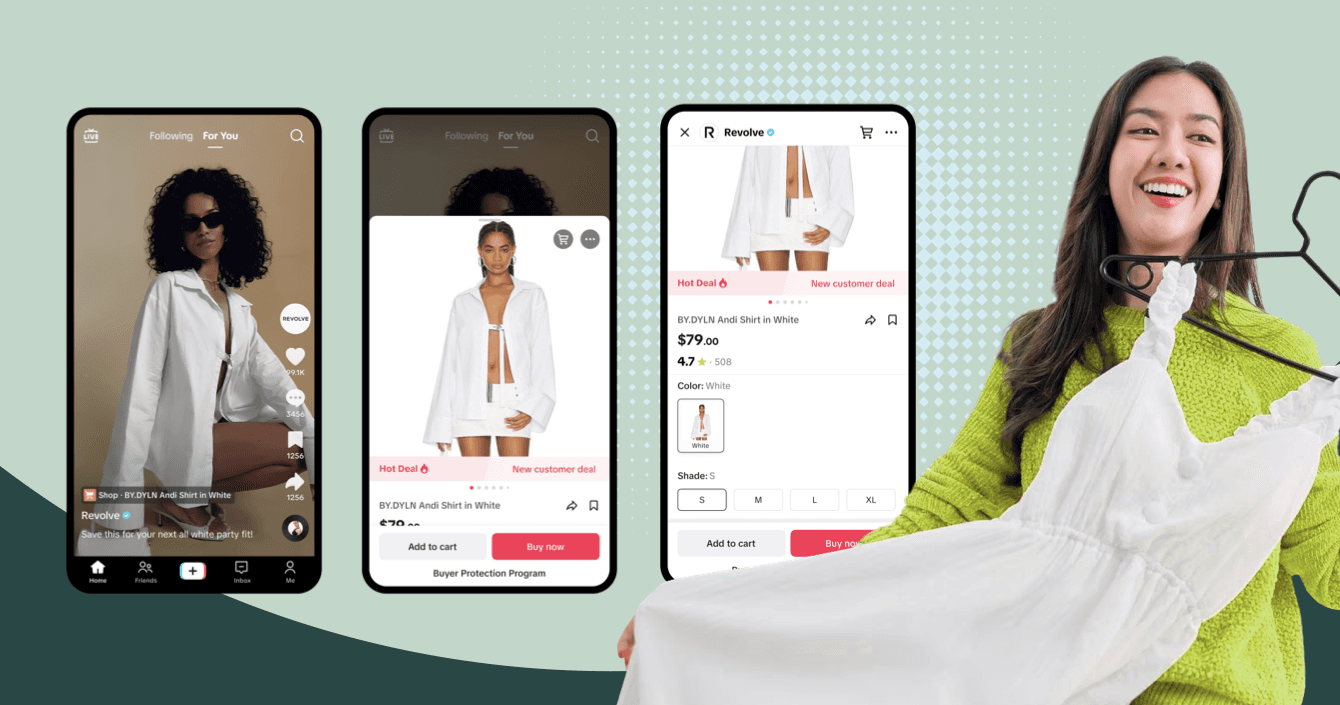
You can sell on TikTok Shop by turning trend signals into repeatable actions. Start by choosing attention-ready SKUs, creating short and testable creatives, and including fulfillment and measurement in every experiment. This way, successful strategies can grow without surprising results. Below are step-by-step tactics that are explained and detailed for you to use right away.
1. How can you use content idea generation effectively?
Use Virlo for content idea generation and creative science. Virlo helps short-form creators understand what really works by mixing insights from creators with AI trend analysis. This method brings up likely hooks, successful sound/video pairings, and the best times to post. Because of this, creators can stop guessing and begin testing with a clear purpose. Think of the outputs as ideas to test: run small experiments to compare hooks suggested by Virlo against your usual methods. Keep track of how many views turn into purchases, then focus on the combinations that boost both engagement and sales.
2. What should you include in product listings?
Polish product listings so clicks become orders. Make the listing a one-minute elevator pitch: include a one-line benefit hook, three quick bullets outlining outcomes, two must-have specs, a tight CTA, and a shipping promise. Use an SEO-friendly title that includes the primary search phrase and one differentiator, and position the highest-converting image or short clip first. For each SKU, keep a simple version history to roll back any copy or creative that negatively affects conversion. Leveraging our virality analysis tool can further enhance the effectiveness of your listings by identifying trending products and optimizing your approach.
3. How can native TikTok videos help showcase your product?
Leverage native TikTok videos to show the product’s effect. Create videos that demonstrate the result within the first three to five seconds. Then, follow this with the reveal and a clear next step in the next 10–20 seconds. Try running a hook A/B test for each clip by using themes like surprise, problem, or demo. Keep captions clear and to the point. Pin a single shopping link or product tag so viewers can easily access it—track which hook leads to the lowest cost per add-to-cart, rather than just focusing on views.
4. How can automation improve your processes?
Use platform integrations as automation, not just connectors. Map SKUs to Shopify or WooCommerce tags so that inventory, pricing, and returns sync automatically. Set up order-routing rules for multiple warehouses to avoid split shipments. Enable API-level order confirmation so that tracking updates post to TikTok without manual input. Automating these flows prevents false out-of-stock (OOS) messages, which can damage trust and increase dispute rates.
5. How should you structure influencer deals?
Structure influencer deals around performance, not just reach. Negotiate hybrid agreements that include a reasonable flat fee along with a performance bonus based on tracked sales or unique codes, plus usage rights for the content. It’s important to ask for a reuse clause so you can use successful creator clips as paid ads. Additionally, give clear creative briefs with three tested hooks to improve the chances of a successful campaign.
What challenges do teams face in trend discovery?
Most teams find trends by looking at creators or checking spreadsheets, as this method feels easy and familiar. Over time, this habit can break into scattered ideas, long approval times, and wasted money on creativity when trend signals fade away. Platforms like Virlo bring together trend discovery, ranking creative ideas, and sharing prioritized concepts. This helps teams shorten testing timelines from days to weeks while making sure decisions stay based on evidence.
6. How can you design customer perks for value?
Design customer perks that enhance lifetime value instead of just focusing on conversion spikes. Create bundles and set free shipping limits based on margin breakpoints to make sure a 10 percent increase in AOV helps make orders more profitable. Run 30-day bundle tests with different SKUs and track the repeat rate by group, not just looking at the increase from first orders. Use time-limited shipping offers to lower returns and boost perceived value without lowering prices.
7. What strategy should you use for running ad campaigns?
Run ads with a creative-first funnel. Start with engagement or video-view campaigns to build audiences using high-performing organic clips. Next, retarget those who engaged with conversion campaigns that include the product tag and social proof. Implement frequency caps and creative rotation so audiences view three different angles before being prompted to buy. Channels that outperform organically should be moved into higher budgets rather than scaling all campaigns at once.
8. How can segmented audiences enhance remarketing efforts?
Use TikTok audiences for precise remarketing. Build segmented audiences for 3, 7, 30, and 90-day video engagers. Also, include people who added items to their cart but did not complete the purchase. Exclude those who have already converted from prospecting efforts. Create lookalikes from your highest-value purchasers. Tight windows help catch momentum, while longer windows attract slower buyers. Additionally, test different CTA messaging by segment to avoid ad fatigue.
9. What is the role of user-generated content (UGC) in marketing?
Turn user-generated content into trust currency. Create a simple UGC brief for creators and customers to follow: show the pain, demonstrate the product, and end with a one-line reaction. Offer small incentives or store credit in exchange for permission to reuse clips. Curate UGC into a highlights playlist and prominently display it on the storefront, allowing social proof to complement the product.
10. How can an affiliate program boost sales?
Launching an affiliate program can greatly increase your sales force. Begin by creating clear commission levels based on how well they perform. Give affiliates prepared graphics and copy to use, along with special tracking links or codes for each affiliate. To motivate top performers, think about offering higher rates after they hit a specific target. Also, make a simple dashboard so affiliates can see their real-time earnings and conversion information.
11. What approach should be taken for customer service?
Operate customer service like the retention engine it is. Set SLA targets for the first response and resolution. Use canned replies for common requests, but always personalize the final line. Automate tracking updates to reduce dispute claims. Also, keep an eye on return reasons and share this feedback with the product and content teams to lower repeat issues at a larger scale.
12. What metrics should be monitored in Seller Center?
Monitor live seller KPIs in Seller Center proactively. Track conversion by creative ID, view-through rate to cart, order defect rate, and return reasons. Build small dashboards that display which clips, creators, and ad sets are profitable after accounting for fees and shipping. Treat these dashboards as live experiment boards. When a creative performs poorly, pause it, learn from the data, and rework the strategy instead of simply increasing the budget.
13. How can you improve sales operations?
Keep sales operations tight by focusing on fulfillment, returns, and reporting. Create a standard operating playbook for order exceptions. Set automatic refunds on late shipments that go over a specific limit. Also, schedule a weekly operations audit to check inventory and returns. These small process improvements can greatly reduce disputes, protect seller metrics, and save hours in manual reconciliation each week.
What evidence supports TikTok Shop's growth?
Evidence and audience context, in short: with competition ramping quickly, Admetrics, "TikTok shop has seen a 150% increase in sellers since its launch." That growth means you need to convert attention faster. Also, your buyers tend to be younger, so plan your creative and pricing with that in mind, because Admetrics reports 80% of TikTok Shop users are under the age of 35.
What is a common bottleneck in selling?
That solution seems nice on a checklist, but it can hit a common bottleneck that many sellers forget to measure. This often-ignored factor can change everything about how to use the creative budget.
Related Reading
Tiktok Shop Pros and Cons
Can I Sell Digital Products on Tiktok Shop
Tiktok Shop vs Amazon
Tiktok Shop Return Policy
Why is My Tiktok Shop Not Showing
How Much Does It Cost to Sell on Tiktok
Go Viral with Virlo's Virality Analysis Tool
Deciding if TikTok Shop is a good choice for a side business can feel like picking between endless creativity and low profits. It's crucial to have a straightforward way to turn short videos into consistent, profitable orders. Many teams tend to guess and post content without a plan; this approach dilutes insights and wastes money on ads. On the other hand, platforms like Virlo use AI to look at trends and creator signals. This helps find the best hooks, posting times, and audio-video mixes. These insights help focus on experiments that improve ROI and increase the chances of going viral. Use our virality analysis tool to use these strategies.
Related Reading
Tiktok Shop Requirements
What Can You Sell on Tiktok Shop
Tiktok Shop Seller Fees
How to Add Products to Tiktok Shop
What Percentage Does Tiktok Shop Take
Tiktok Marketing Tools
See What's Trending Right Now
- Social listening for TikTok, Reels & Shorts
- Spot viral trends before they peak
- Turn insights into ads, scripts & briefs
The Signal Newsletter
Weekly trend breakdowns, creator insights, and social listening tips — straight to your inbox.
Subscribe FreeSee Virlo in action

See What's Trending Right Now
- Social listening for TikTok, Reels & Shorts
- Spot viral trends before they peak
- Turn insights into ads, scripts & briefs
The Signal Newsletter
Weekly trend breakdowns, creator insights, and social listening tips — straight to your inbox.
Subscribe FreeRelated Articles

20+ Hottest TikTok Trends You Must Try
Discover the hottest TikTok trends you need to try! Stay ahead with viral challenges, dance moves, and must-know hacks.

What's Trending on TikTok in October 2026
October has fully taken over the For You page. The September chart is gone: this week's instrumental-led sound list has almost nothing overlapping with late September, and the format layer has flipped from countdown energy to costume season. Six named formats are running the month's opening week,...

The Best Time To Post On Instagram (2026)
Generic best-time charts average everyone together and miss your audience. Here's the real data by day, plus how to find the exact windows that work for your niche.
Put this into practice with Virlo
Turn what you just read into real research. These are the tools creators, agencies, and brands use to find what's working on short-form video.
Content Research Agent
Run your short-form research on autopilot — outliers, creators, and sounds across TikTok, Reels, and Shorts.
Tracking Center
Monitor breakout creators, videos, and competitors with daily snapshots and deep AI analysis.
Free Data
Explore free viral hooks, trending niches, breakout products, and more — no account required.
Get The Signal
Join creators, marketers, and agencies getting weekly trend breakdowns and social listening insights delivered free.
Subscribe to the Newsletter
Stop Guessing. Start Knowing.
Join thousands of digital entrepreneurs using data to take the guesswork out of capitalizing on trends.