Brand Slang Reactions
The most impactful insight is that brands attempting to co-opt internet slang like 'maxxing' and 'mogging' often face backlash for appearing inauthentic, while creators who critically analyze or satirize these trends drive high engagement by tapping into genuine audience sentiment.
- videos analyzed
- 198
- total views
- 90.4M
- outliers
- 9
- breakout creators
- 1
What's working in Brand Slang Reactions right now?
Critical commentary on forced brand slang is the strongest pattern: rants about “maxxing,” “mogging” and chronically online dialect turn audience discomfort into shareable reactions. Looksmaxxing explainers, visual transformations, satire and news-style coverage of influencers such as Clavicular also work by combining curiosity, humor and deeper concerns about online culture.
- Direct-to-camera rants make forced slang feel immediately relatable.
- Looksmaxxing criticism adds psychological and societal context.
- Satire works best when brands use slang ironically or through creators.
- Influencer controversy coverage uses on-screen text for key details.
- TikTok has the clearest examples of breakout reaction videos.
Themes winning now
What people are watching in this niche, from the agent's latest analysis.
- 10 videosNew
Brand Slang Backlash & Cringe
Audiences react strongly to brands perceived as inauthentic or out-of-touch when using internet slang, creating viral 'cringe' content that resonates with shared discomfort.
- 20 videosNew
Looksmaxxing Criticism & Deeper Analysis
Content that critically examines the origins, psychological impact, and societal implications of 'looksmaxxing' resonates by offering intellectual depth and addressing genuine concerns about male mental health.
- 10 videosNew
Brand Slang Adoption & Satire
Brands that successfully integrate 'maxxing' or 'mogging' do so by either using it ironically, in a niche context, or through influencer partnerships that feel authentic to the creator's style, rather than forced corporate messaging.
- 7 videosNew
Influencer Controversy Coverage
Reporting on the legal and social controversies surrounding 'looksmaxxing' influencers like Clavicular generates high engagement by tapping into public interest in drama, justice, and the dark side of online culture.
What's working
The patterns behind the top videos, from the agent's latest analysis.
- 01
Direct-to-camera rants expressing strong opinions on slang misuse
- 02
News-style reporting on influencer controversies, using on-screen text for key details
- 03
Satirical application of 'maxxing' to mundane products or situations, often in paid partnerships
The top videos
The ones the agent's latest analysis ranked highest, and why each one worked.
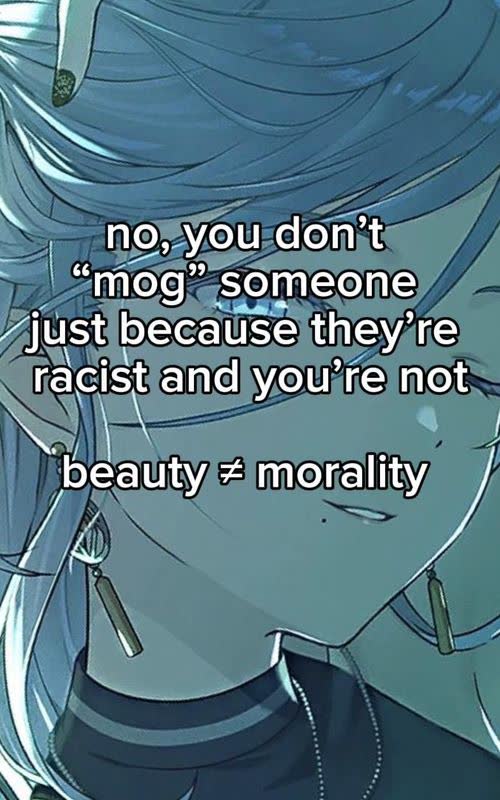 TikTok152.4K34
@repirve
06 Sept 2026
Personal reflection on 'mogging' and its problematic undertones creates relatable, critical commentary.
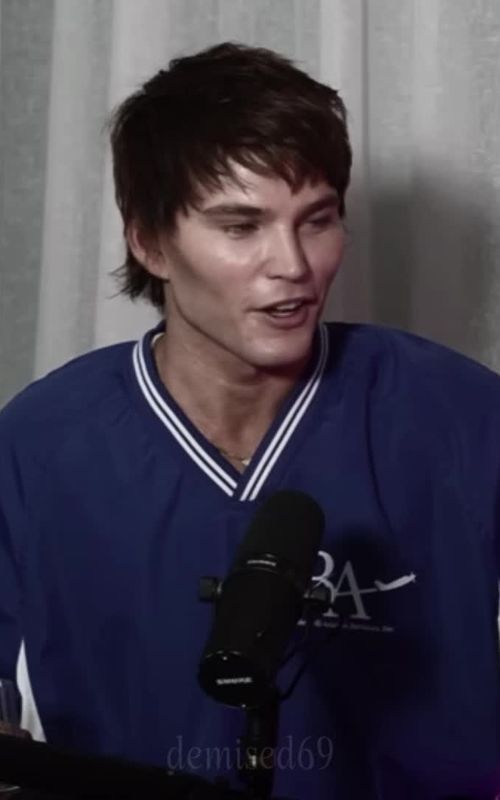 TikTok1.6M50
@demised69
25 Jul 2026
Interview clip of Jordan Barrett discussing 'MOG King' trend leverages celebrity and curiosity.
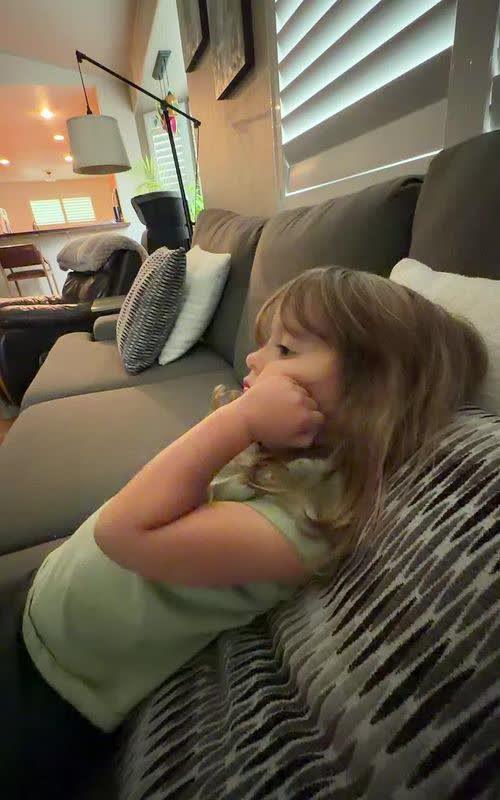 TikTok1.6M51
@mavdo02
28 Sept 2026
Short, impactful visual transformation using 'looksmaxing' hashtag grabs attention quickly.
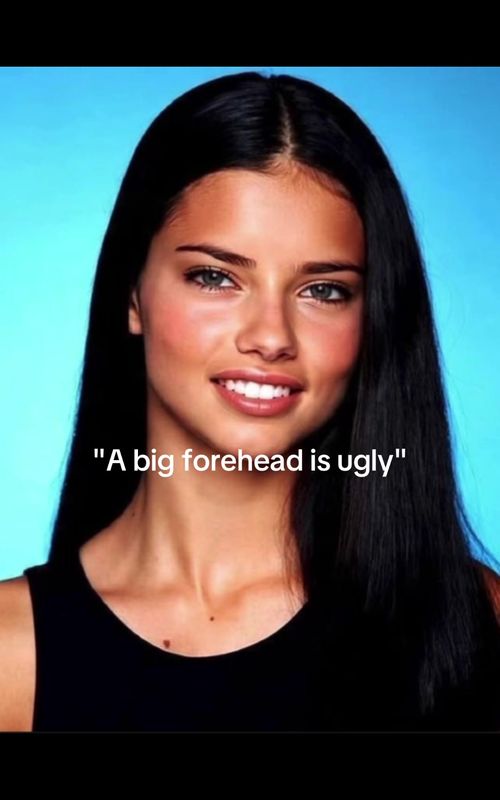 TikTok2M52
@modelaccount0
14 May 2026
Relatable humor about 'looksmaxxing' expectations creates a shared, engaging experience.
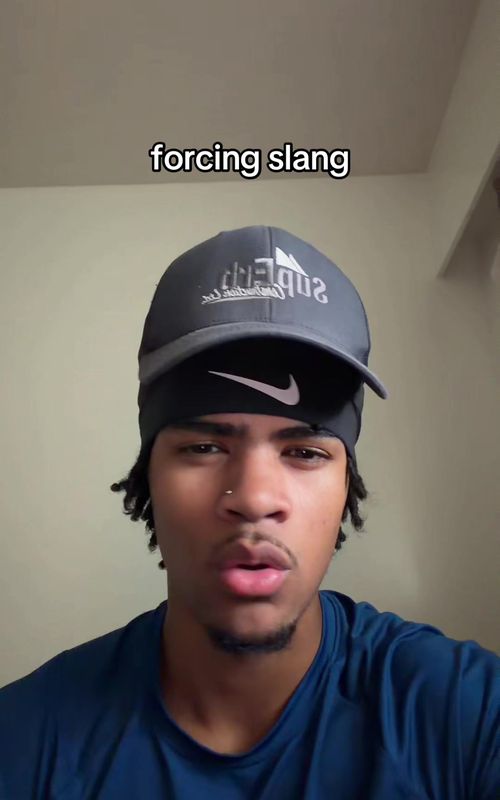 TikTok327.3K40
@nksfly
19 May 2026
Direct rant about 'chronically online dialect' and forced slang resonates with audience frustration.
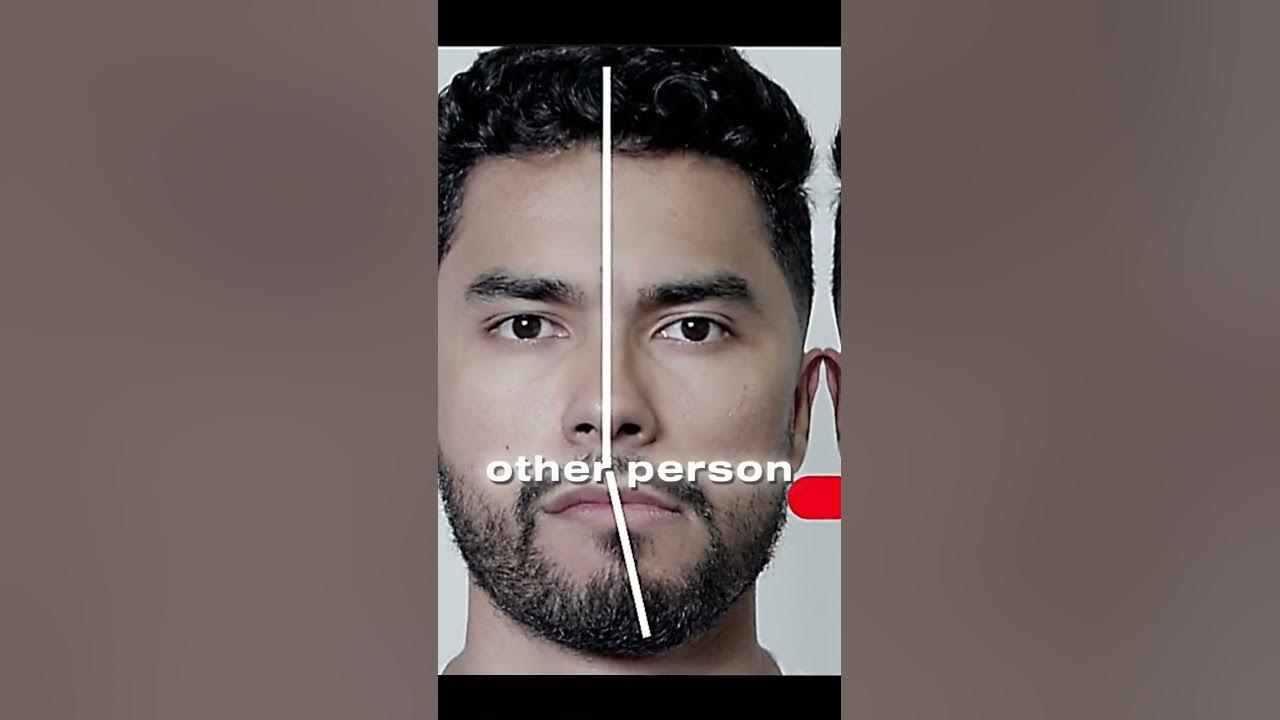 YouTube825.7K41
@MoggerCentral
05 Oct 2023
Explainer video directly answers 'What does MOG mean?' satisfying audience curiosity.
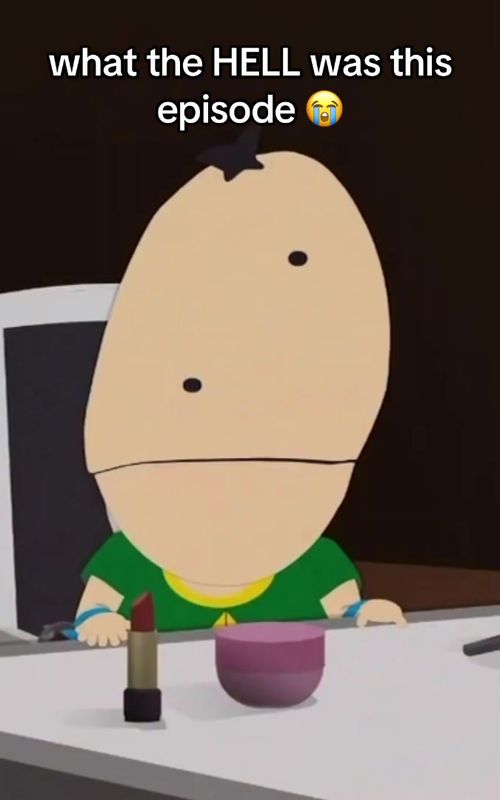 TikTok970.7K42
@wendybestaburger
15 Oct 2026
Satirical South Park clip about 'looksmaxxing' uses humor to critique the trend, driving shares.
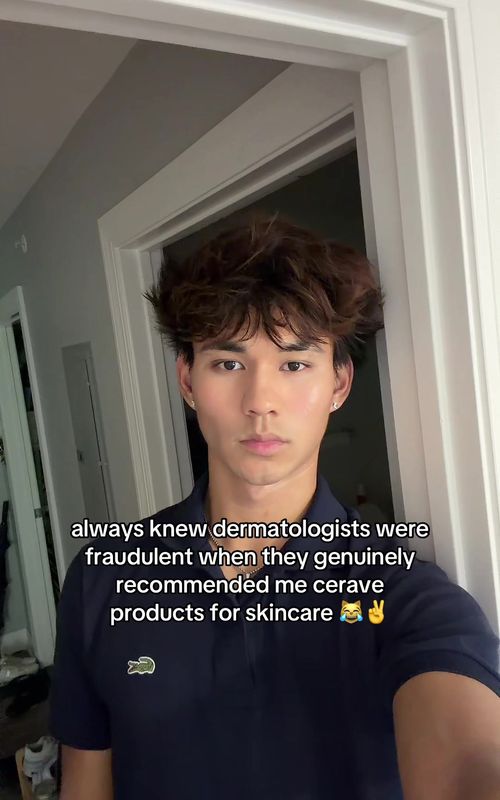 TikTok370.1K36
@nammsauce
09 Jun 2026
Concise, dramatic statement about a brand being 'cooked' (Cerave) sparks immediate engagement.
 TikTok19.3M54
@kidarah
02 Sept 2026
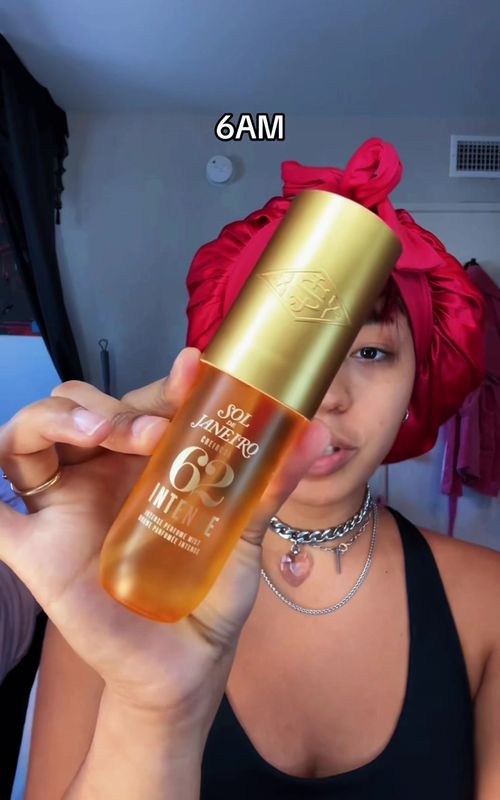
Paid partnership for Sol de Janeiro using 'Solmaxxing' demonstrates product longevity with a viral term.
 TikTok479.9K37
@true_nool
19 Sept 2026
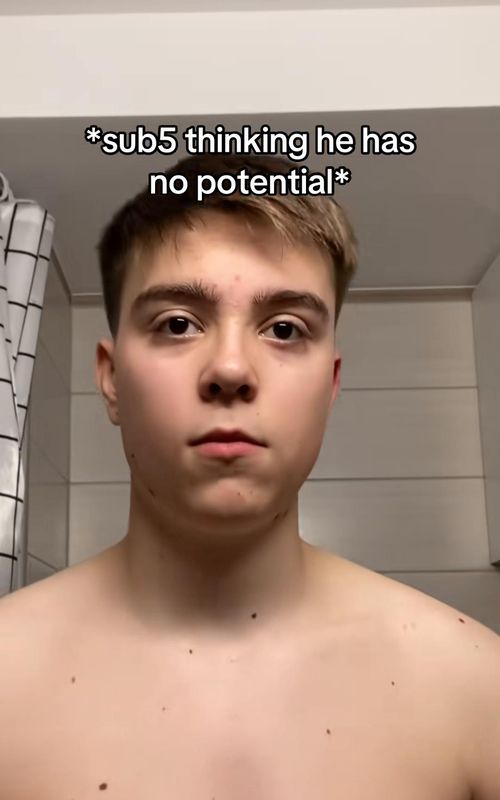
Visual 'glow-up' transformation with 'mogged' hashtag taps into aspirational content.
 TikTok90.8K29
@thisiszirak
18 Jul 2026
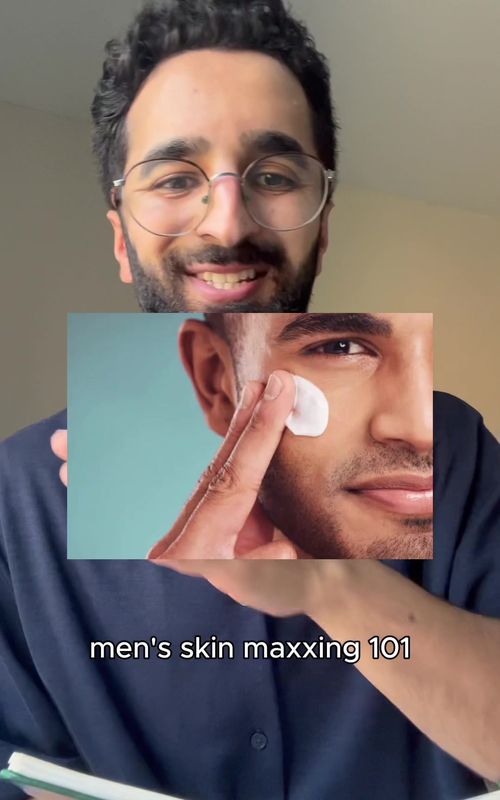
Tutorial on 'men's skin Max' provides actionable advice using slang in a practical context.
 TikTok36.8K27
@looksmaxxvault
22 Oct 2026
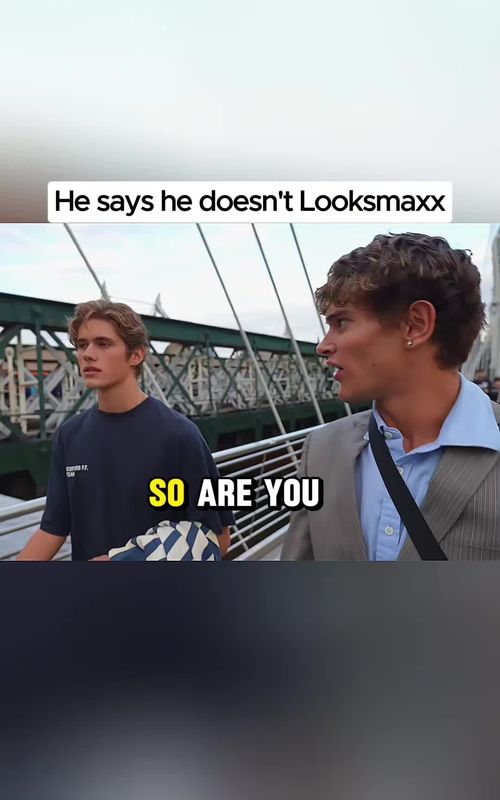
Interview discussing 'looksmaxxing' habits and sunscreen use creates a conversational, engaging format.
 TikTok1.6M39
@reformedjim
21 Jun 2026
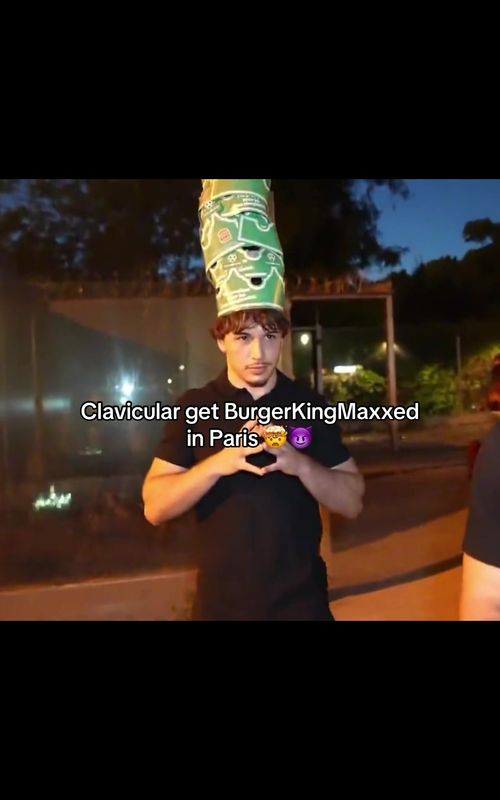
Humorous 'BurgerKingMaxxing' video applies the slang to an unexpected, relatable context.
 TikTok83.6K27
@silent1chris
26 May 2026
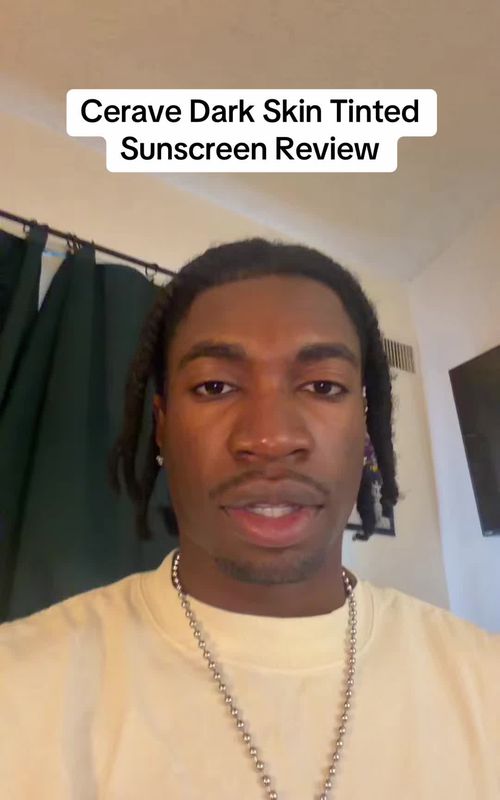
Product review using 'michaeljacksonmaxxing' for tinted sunscreen creates a unique, memorable hook.
 TikTok125.8K27
@jhfinds24
20 Jul 2026
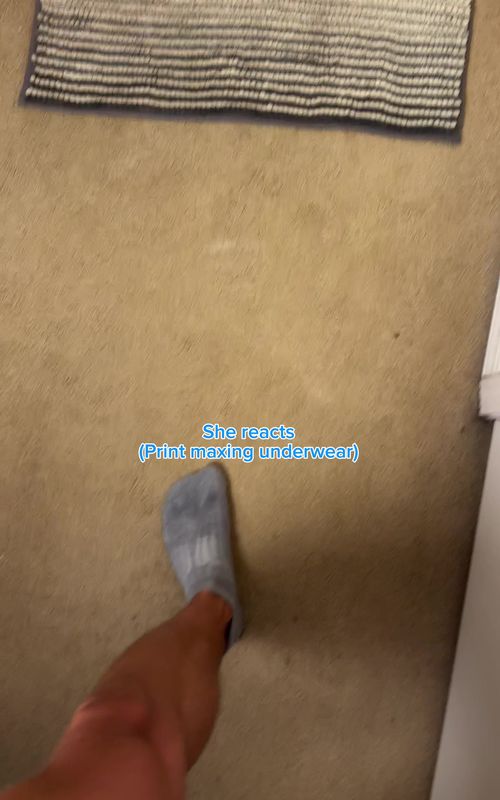
Paid reaction to 'print maxxing underwear' uses a conversational review format for product promotion.
Brand Slang Reactions: questions, answered
From what the agent found in this niche, as of 29 October 2026.
What brand slang reaction content is working right now?
- Content criticizing brands that force terms such as “maxxing” and “mogging” is working because it reflects audience discomfort with inauthentic corporate language. Direct-to-camera rants about slang misuse, including @nksfly’s commentary on “chronically online dialect,” give viewers a clear opinion to agree or disagree with. Satirical reactions to brands being “cooked,” such as @nammsauce’s CeraVe statement, also create immediate engagement.
What video formats work for brand slang reactions?
- Three formats stand out: direct-to-camera opinion rants, news-style reports about influencer controversies, and satirical applications of “maxxing” to ordinary products or situations. News-style videos use on-screen text to highlight key details, while satire often appears in paid partnerships. Explainers also work when they answer a clear question, as shown by MoggerCentral’s YouTube video, “What does MOG mean?”.
What hooks work for looksmaxxing and mogging videos?
- Strong hooks include a personal reflection on the problematic undertones of “mogging,” a concise statement that a brand is “cooked,” and a direct question such as “What does MOG mean?” Visual transformation clips using the “looksmaxing” hashtag grab attention quickly. Celebrity curiosity is another hook: a clip of Jordan Barrett discussing the “MOG King” trend drew attention through the interview format.
Why does looksmaxxing criticism perform in short-form video?
- Looksmaxxing criticism gives viewers more than a trend summary. Videos that examine its origins, psychological impact and societal implications connect with genuine concerns about male mental health and online culture. Satire adds another accessible entry point: Wendybestaburger’s South Park clip critiques looksmaxxing through humor, while modelaccount0 uses relatable humor about expectations surrounding the trend.
How can brands use maxxing or mogging without seeming inauthentic?
- The examples indicate that brands have a better chance when slang is used ironically, in a narrow niche context, or through an influencer partnership that matches the creator’s established style. Forced corporate messaging is associated with backlash and “cringe” reactions. Satirical applications to mundane products or situations can work in paid partnerships when the creator’s tone makes the joke feel natural.
Which creators should I watch for brand slang reaction ideas?
- TikTok examples include @repirve for critical personal reflection, @nksfly for direct commentary on forced slang, @modelaccount0 for relatable looksmaxxing humor, and @wendybestaburger for satirical trend criticism. @demised69 uses an interview clip and celebrity curiosity, while @mavdo02 uses a fast visual transformation. On YouTube, MoggerCentral uses an explainer format to answer a direct slang question.
What is rising in brand slang reaction content?
- The newest themes are brand slang backlash and cringe, looksmaxxing criticism and deeper analysis, brand slang adoption and satire, and influencer controversy coverage. Coverage of creators such as Clavicular connects slang trends with legal and social controversy, public interest in justice, and the darker side of online culture. Together, these themes favor critical analysis and satire over straightforward brand adoption.
Build a research agent like this
Tell Virlo what you make or sell. It finds the videos breaking out on TikTok, YouTube Shorts and Reels, and tells you why they work.