DS - Mental Health App Marketing
AI therapist apps (Lovon) and gamified self-care pets (Finch, Ottopia) dominate mental health marketing by transforming anxiety management into relatable, shame-free narratives—creators aren't selling solutions, they're confessing struggles that viewers recognize instantly.
- videos analyzed
- 107
- total views
- 90.6M
- outliers
- 1
- breakout creators
- 2
What's working in DS - Mental Health App Marketing right now?
AI therapist apps such as Lovon and gamified self-care pets such as Finch and Ottopia are the strongest mental health marketing patterns, turning anxiety management into relatable, shame-free stories. Confessional monologues about text-message anxiety, health spirals and reassurance-seeking make viewers feel recognized, while condition-specific positioning makes apps feel relevant rather than generic.
- Lead with a recognizable anxious thought in the first three seconds.
- Use digital pets to make daily accountability feel nurturing, not clinical.
- Name specific conditions such as health anxiety, ADHD or agoraphobia.
- Position AI therapy around immediate, judgment-free access without waitlists.
- Use vulnerability and emotional validation before presenting the app.
Themes winning now
What people are watching in this niche, from the agent's latest analysis.
- 12 videos
Anxious Overthinking as Relatable Comedy
The 'text message anxiety' transcript (ed577516) uses humor to validate a specific, recognizable mental pattern—viewers feel seen rather than pathologized, creating immediate parasocial connection.
- 8 videos
Gamified Accountability Through Pet Companionship
Finch (20.2M views) and Ottopia (3.8M+ combined) succeed because they reframe mental health as caring for something external—reducing ego-driven shame and making daily check-ins feel nurturing rather than clinical.
- 6 videos
AI Therapist Accessibility Positioning
Lovon app videos (681K-760K views) emphasize immediate, judgment-free access to therapy without waitlists—addressing the real barrier (cost/availability) rather than selling wellness ideology.
- 7 videos
Health Anxiety as Specific, Treatable Condition
Condri app (338K views) and educational content (6f7cfa5f, 24K views) validate health anxiety as distinct from general anxiety—creators position apps as condition-specific tools, not generic wellness apps.
What's working
The patterns behind the top videos, from the agent's latest analysis.
- 01
Anxiety Monologue Hook: Open with a relatable anxious thought pattern (text message misinterpretation, health Google spirals, reassurance-seeking loops) in first 3 seconds—transcript data shows this drives 600K+ views consistently.
- 02
Pet/Character Accountability: Feature a cute digital companion (Finch bird, Ottopia pet) as the reason to complete daily tasks—removes self-judgment and creates emotional investment beyond productivity.
- 03
Condition-Specific Positioning: Name the exact condition (health anxiety, ADHD, agoraphobia, perimenopause) rather than generic 'mental health'—specificity signals the app understands YOUR problem, not everyone's.
The top videos
The ones the agent's latest analysis ranked highest, and why each one worked.
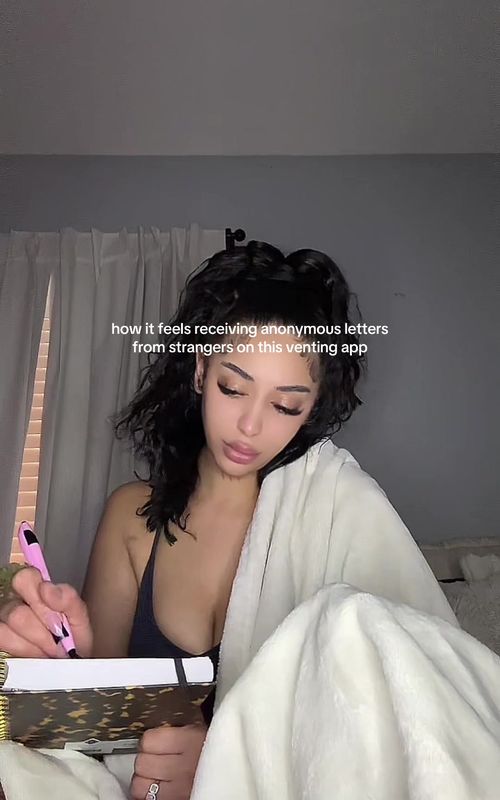 TikTok35.1M74
@prettyjayde
09 Oct 2025
Philosophical meaning-making hook creates emotional depth; Sincerely app positions journaling as existential tool, not task.
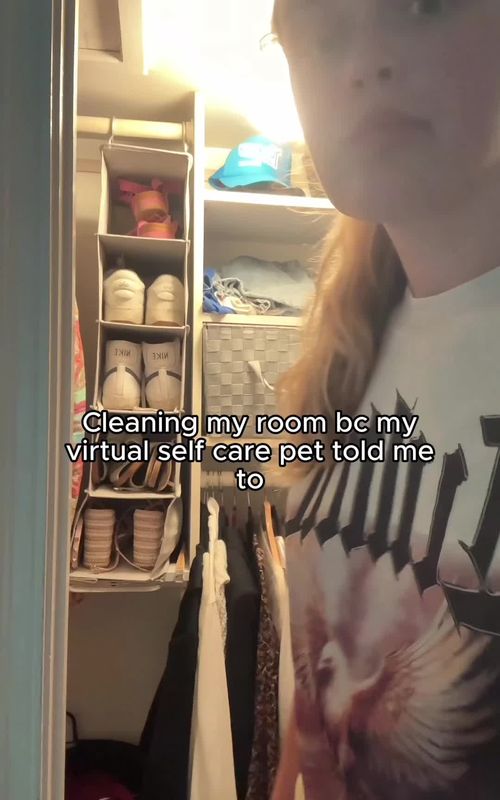 TikTok1.9M50
@momoselfcare
26 Oct 2025
Momo self-care pet gamification: ADHD users respond to external accountability figure that removes shame from productivity.
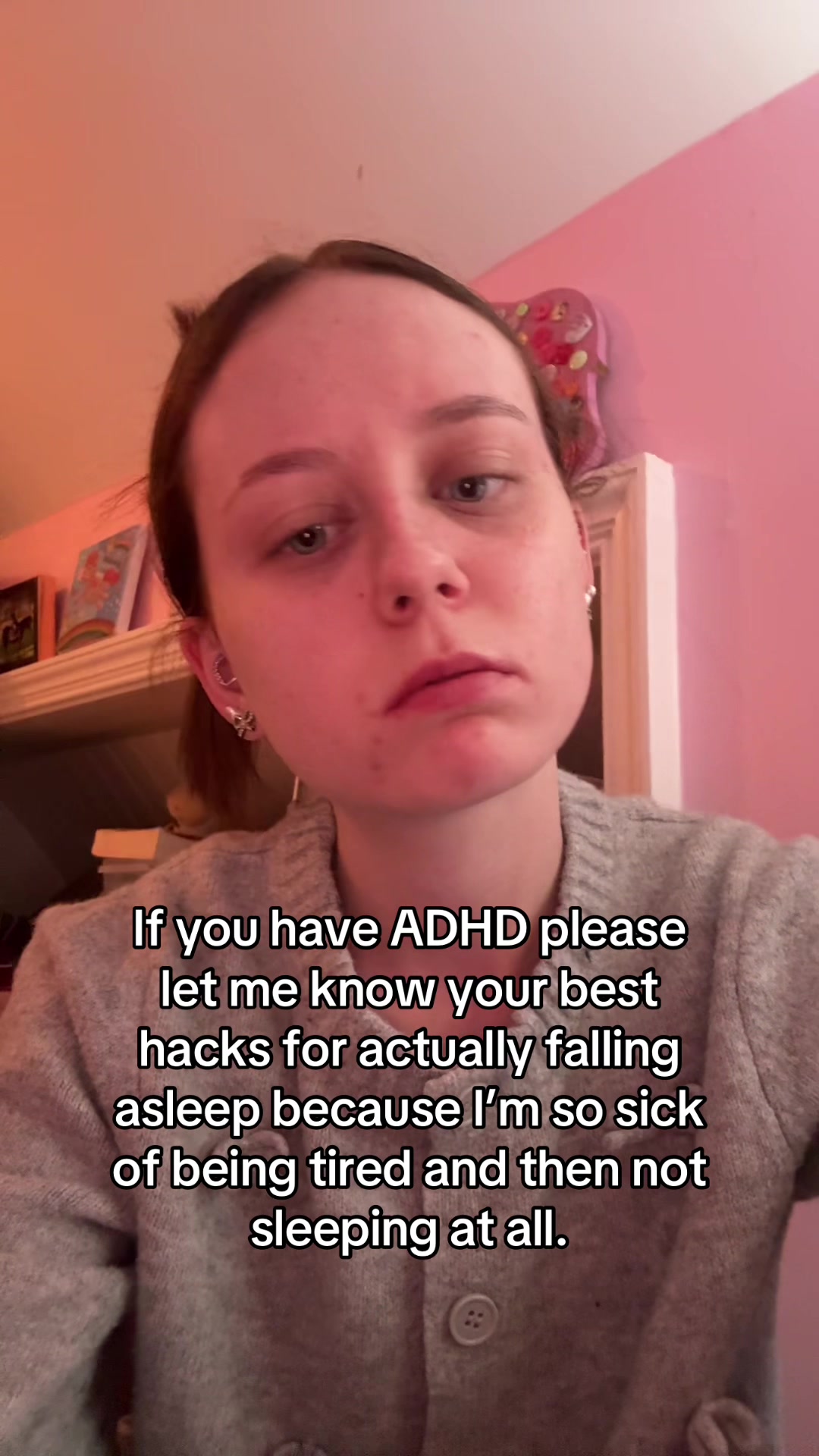 TikTok921.6K47
@sophsleepjourney
17 Dec 2025
Sleep coloring app (Loona) succeeds by addressing specific symptom (insomnia) with sensory-focused solution, not generic relaxation.
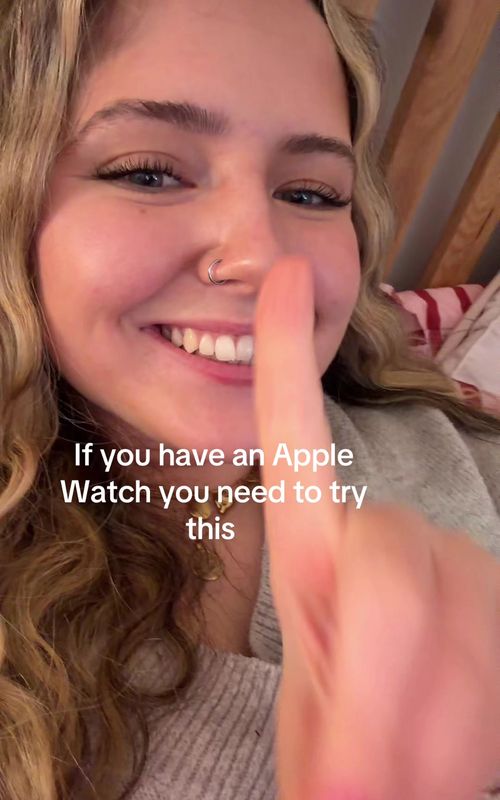 TikTok866.8K47
@nostressmais
10 Jan 2026
Apple Watch anxiety app integration taps wearable trust; device-native solutions feel less intrusive than phone apps.
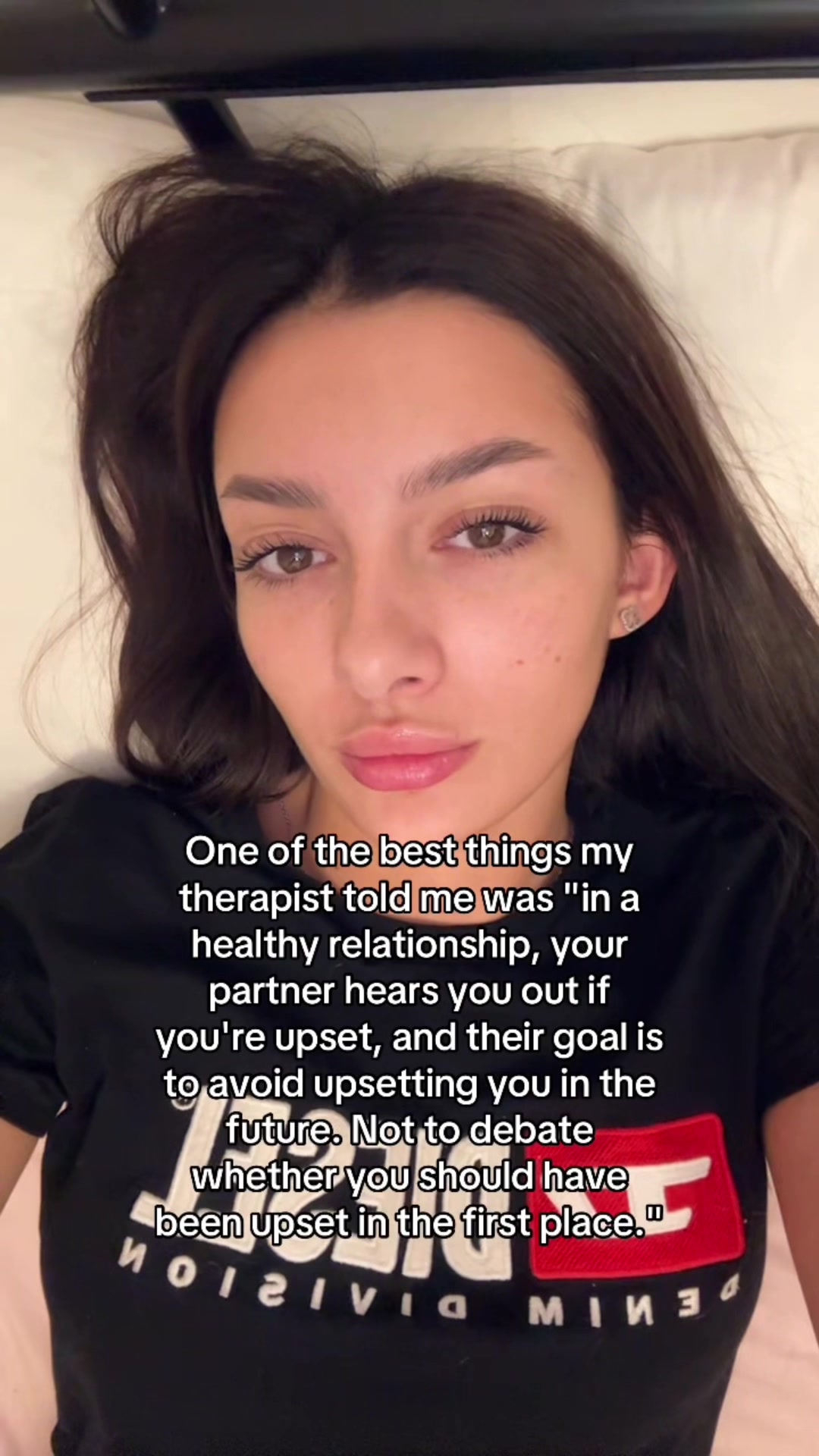 TikTok760.3K43
@anna_refeel
07 Oct 2025
Lovon AI therapist positioning emphasizes immediate access; removes waitlist barrier that blocks traditional therapy adoption.
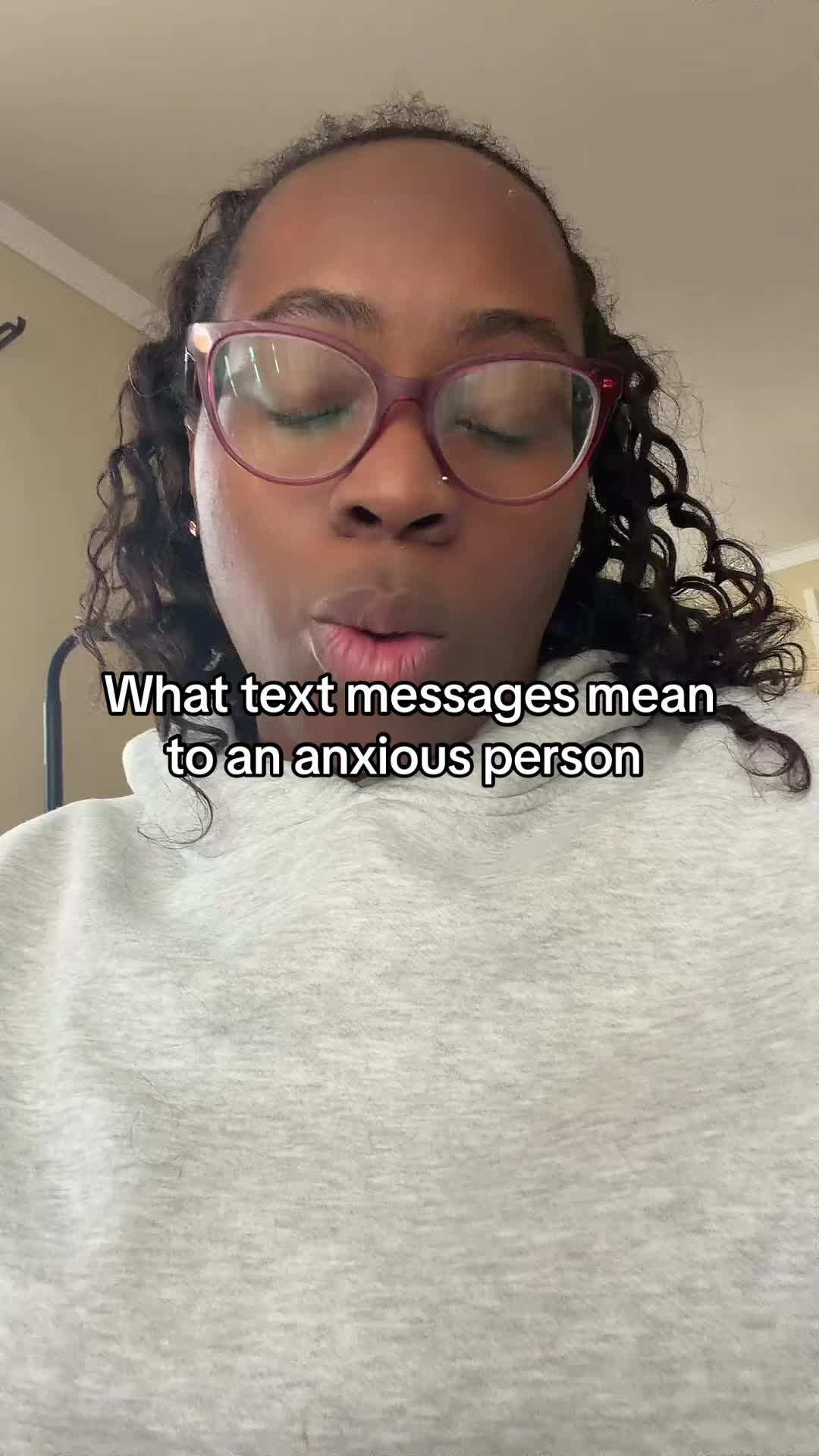 TikTok812K45
@kerry.lovonapp
27 Feb 2026
Text message anxiety monologue validates specific overthinking pattern; Lovon app becomes proof the struggle is clinically recognized.
 TikTok668.9K45
@noetisapp
12 Dec 2025
Noetis agoraphobia app founder story: creator vulnerability + condition-specific positioning builds trust over generic wellness claims.
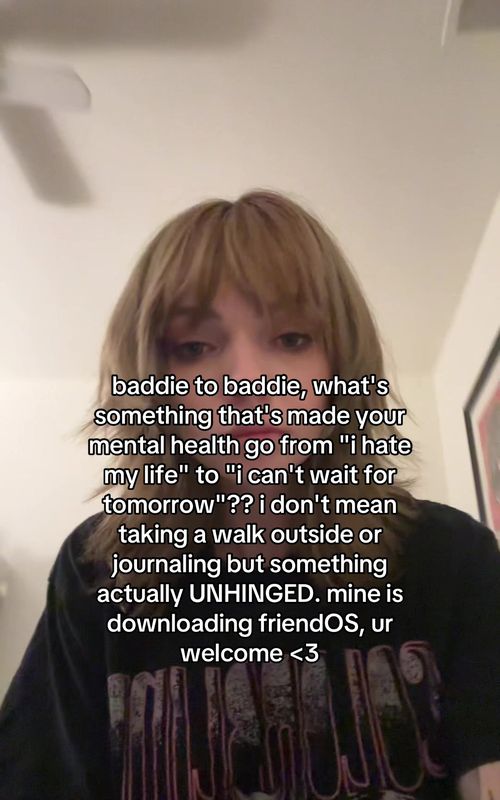 TikTok642.6K43
@syd.friends
15 Feb 2026
Talk therapy app success hinges on emotional validation; viewers seek proof therapy works before committing to app.
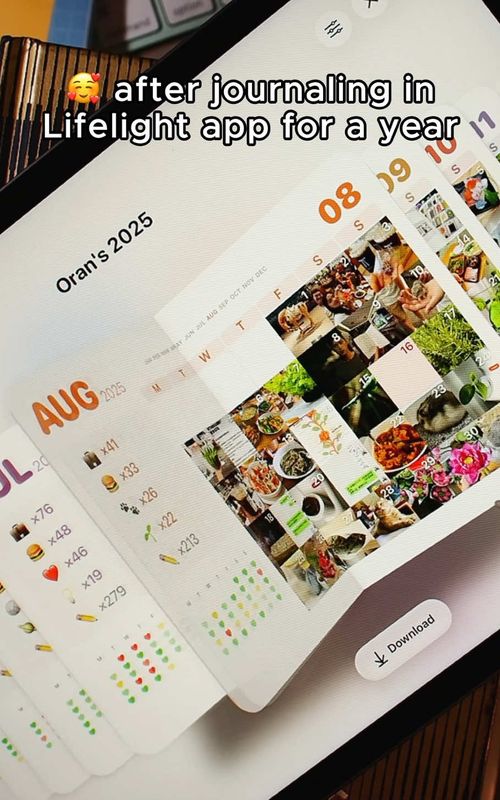 TikTok177.4K36
@flipyear_app
30 Dec 2025
Lifelight journaling transforms photos into 3D flipbook; gamified memory review creates emotional payoff beyond data logging.
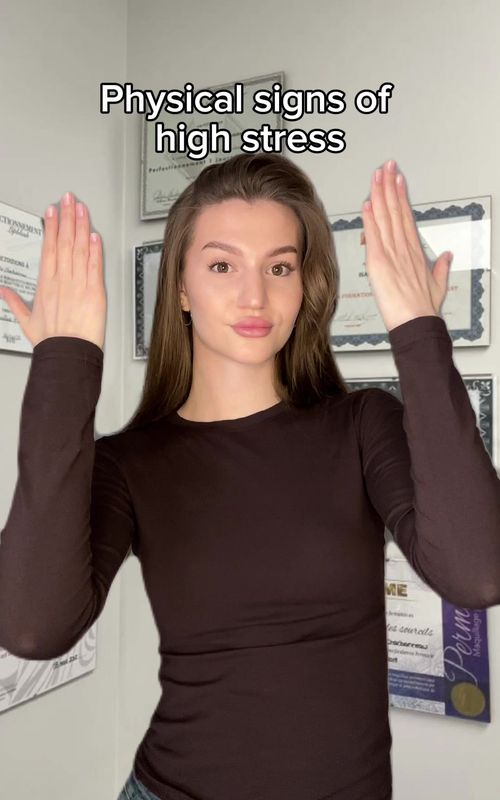 TikTok176.2K31
@zephyrine.lovon
07 Mar 2026
Lovon app testimonial uses 'self-healing' language; positions therapy as internal work, not external fix.
 TikTok12K18
@breathmind4
12 Mar 2026
BreatheMind anxiety relief app: 'How is this legal?' hook creates curiosity through exaggerated efficacy claim.
 TikTok31.4K26
@keely.shift
09 Oct 2025
StateShift nervous system regulation app: targets physiological anxiety (not just cognitive), appeals to somatic therapy trend.
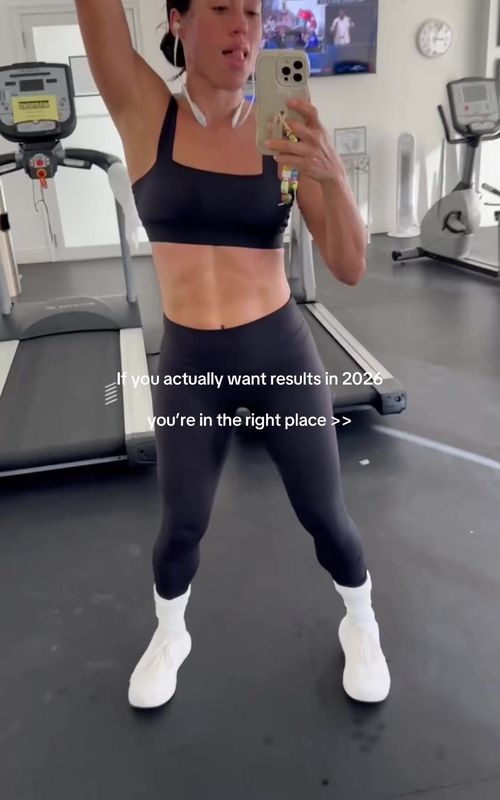 TikTok16.1K13
@asha_walker_wellness
28 Jan 2026
Cured wellness app founder emphasizes 'realistic, sustainable, personalized' positioning; rejects overwhelming wellness culture narrative.
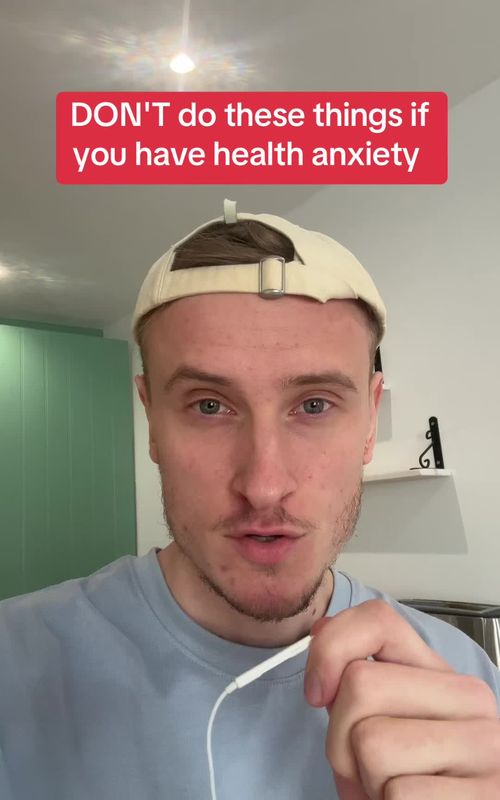 TikTok55.9K19
@joecondriapp
20 Feb 2026
Health anxiety educational content (Google/Reddit/reassurance-seeking warnings) establishes credibility before app mention; teaches before selling.
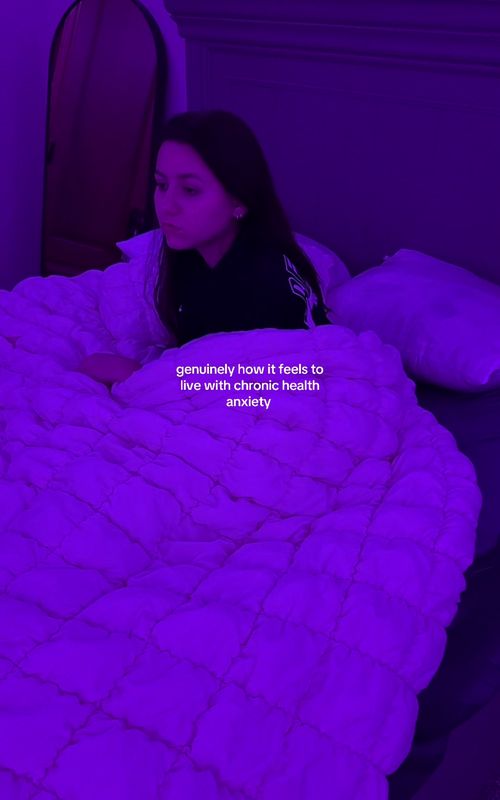 TikTok607.8K32
@anxietywithfelicia
07 Feb 2026
Condri health anxiety app: condition-specific positioning signals deep understanding; body-scanning anxiety is distinct clinical problem.
Breakout creators
Accounts pulling far more views than their following, worth watching in this niche.

@keely.shift
TikTok
- followers
- 528
- avg views
- 30K

@delilahbrowen
TikTok
- followers
- 1.3K
- avg views
- 42.6K
DS - Mental Health App Marketing: questions, answered
From what the agent found in this niche.
What mental health app content is trending on short-form video?
- AI therapist apps, especially Lovon, and gamified self-care pets from Finch and Ottopia are the clearest themes. The strongest stories turn anxiety management into something relatable and shame-free rather than presenting generic wellness advice. Creators often confess a recognizable struggle first, then show how the app addresses text-message anxiety, daily accountability or access to therapy.
What hooks work for mental health app marketing?
- Anxiety monologues work when they open with a specific thought pattern, such as misreading a text message, spiraling after a health search or repeatedly seeking reassurance. The hook should appear immediately and make the viewer feel recognized rather than diagnosed. The Lovon text-message anxiety example and health-anxiety content show how specific internal experiences can support strong engagement.
How do Finch and Ottopia market self-care apps?
- Finch and Ottopia use a pet or character as an external accountability figure. Completing a daily task becomes an act of caring for the companion instead of a test of personal discipline, which reduces shame around productivity. Finch is represented by a bird, while Ottopia uses a pet-based approach to make check-ins feel nurturing and emotionally engaging.
Why does condition-specific positioning work for mental health apps?
- Naming the exact condition signals that an app understands a particular problem instead of speaking to everyone at once. Condri addresses health anxiety, Noetis uses an agoraphobia founder story, and other examples focus on ADHD, insomnia or perimenopause. This positioning gives the content a concrete problem to validate and a clearer reason to consider the app.
Which mental health app creators should marketers watch?
- The listed breakout creators are @keely.shift on TikTok, with 528 followers and 30K average views, and @delilahbrowen, with 1.3K followers and 42.6K average views. Other notable TikTok examples include @prettyjayde, @momoselfcare, @sophsleepjourney, @anna_refeel, @kerry.lovonapp and @noetisapp, each tied to a distinct emotional or condition-specific app angle.
What mental health app formats are performing on TikTok?
- Performing formats include confessional anxiety monologues, founder vulnerability stories, pet-companion demonstrations and symptom-specific app explainers. @kerry.lovonapp uses a text-message anxiety narrative, @noetisapp uses a founder story about agoraphobia, and @momoselfcare shows pet-based accountability for ADHD users. Other examples address insomnia through sensory coloring and anxiety through Apple Watch integration.
How do TikTok, Instagram and Meta ads differ for mental health apps?
- The supplied examples identify TikTok for the listed top videos and breakout creators, while the research scope also includes Instagram and Meta ads. The available findings do not provide a platform-by-platform comparison. Across the identified examples, the recurring creative patterns are relatable confession, emotional validation, digital-pet accountability, immediate AI therapy access and condition-specific positioning.
Build a research agent like this
Tell Virlo what you make or sell. It finds the videos breaking out on TikTok, YouTube Shorts and Reels, and tells you why they work.