Glowco - kids angle
The latest analysis reveals a strong pivot towards validating neurodivergent experiences in children, emphasizing understanding over behavioral correction, particularly for ADHD and sleep challenges.
- videos analyzed
- 778
- total views
- 381.9M
- outliers
- 37
- breakout creators
- 12
What's working in Glowco - kids angle right now?
Content that validates neurodivergent children’s experiences—especially ADHD sleep challenges—outperforms behavior-correction framing. Practical bedtime strategies, sensory regulation tips, relatable personal stories, expert explainers and on-screen text give parents empathy plus usable next steps across TikTok, YouTube and Instagram.
- Reframe ADHD sleep issues as neurological challenges, not behavior problems.
- Use POV or “Psychologists say” hooks to build instant relevance and authority.
- Pair personal anecdotes with before-and-after stories for sleep content.
- Use text overlays for statistics, behavior reframes and actionable tip lists.
- Study relatable ADHD creators alongside expert-led pediatric explainers.
Themes winning now
What people are watching in this niche, from the agent's latest analysis.
- 12 videosRising
ADHD Sleep as Neurological Dysfunction, Not Behavior Problem
Reframing sleep issues as neurological rather than behavioral problems resonates deeply with parents seeking empathy and effective, non-punitive solutions.
- 13 videosRising
Practical Bedtime & Sleep Independence Strategies
Parents are actively seeking actionable, real-world strategies and hacks to improve their children's sleep, valuing personal success stories and expert advice.
- 10 videosSteady
ADHD Behavioral Signs Misread as Defiance or Laziness
Challenging common misinterpretations of ADHD behaviors fosters understanding and provides parents with alternative, more effective parenting approaches.
- 6 videosSteady
Sensory Regulation Strategies for ADHD Kids
Providing concrete, sensory-based strategies for children with ADHD helps parents address underlying needs, leading to calmer behavior and improved focus.
What's working
The patterns behind the top videos, from the agent's latest analysis.
- 01
Use 'POV' or 'Psychologists say' hooks to immediately grab attention and establish authority/relatability.
- 02
Share personal anecdotes and 'before/after' stories to build trust and demonstrate practical success, especially for sleep training.
- 03
Employ on-screen text overlays to highlight key statistics, reframe behaviors, or list actionable tips for quick consumption.
The top videos
The ones the agent's latest analysis ranked highest, and why each one worked.
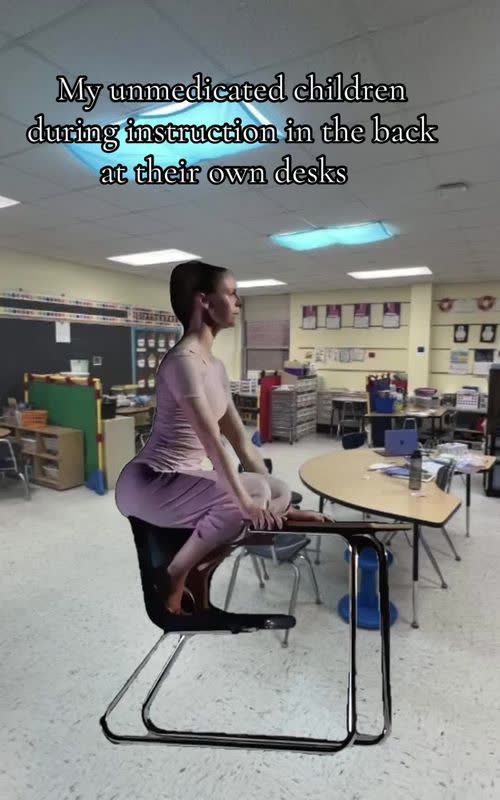 TikTok258.2K39
@itsjennc123
17 Oct 2026
Relatable meme format captures the internal experience of ADHD in school, fostering community through shared understanding.
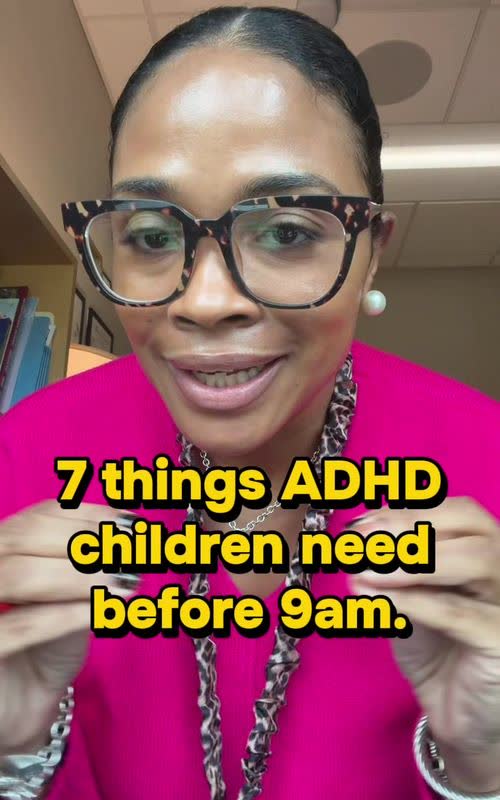 TikTok506.8K36
@counselorallisong
09 Oct 2026
Listicle format with actionable tips for ADHD kids' morning routines provides practical value for busy parents.
 TikTok50.3K28
@drashleycoerver
19 Oct 2026
Expert insight on sleep-related breathing problems mimicking ADHD offers a crucial, often overlooked diagnostic perspective.
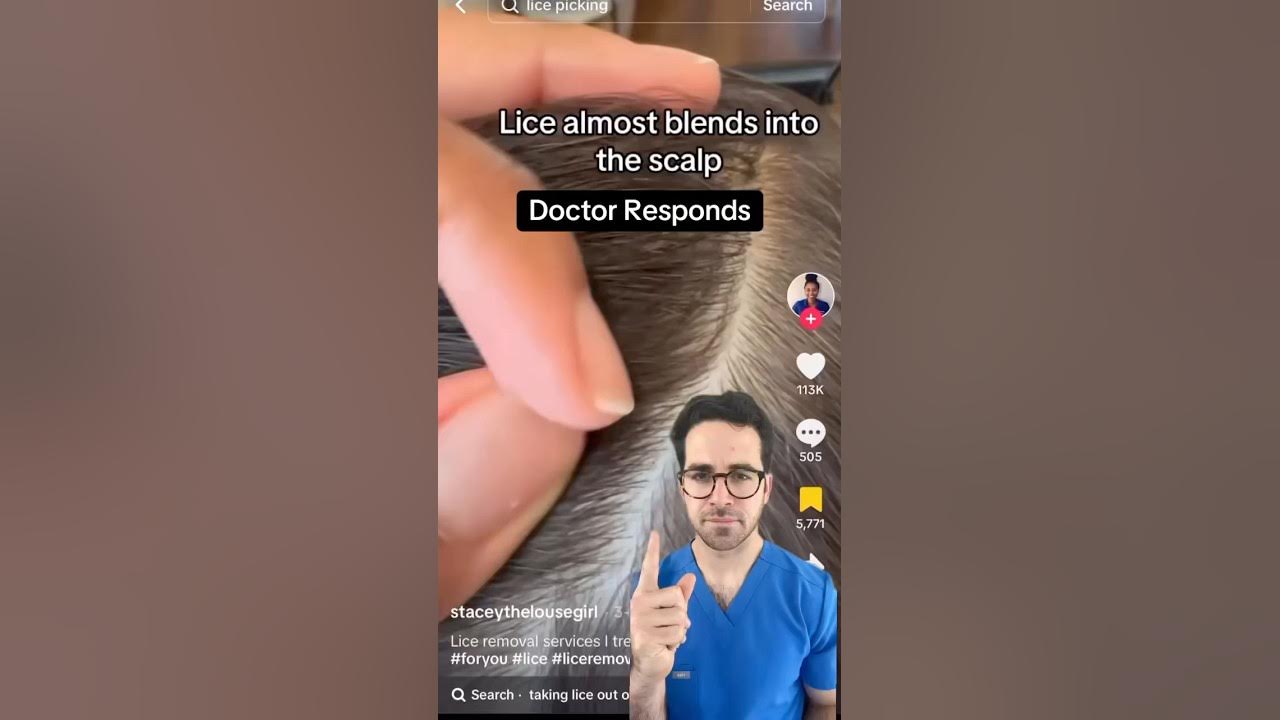 YouTube696.1K35
@doctor-yoshi
11 Mar 2025
Dr. Yoshi's step-by-step guide on treating head lice in kids provides clear, authoritative solutions for a common parenting problem.
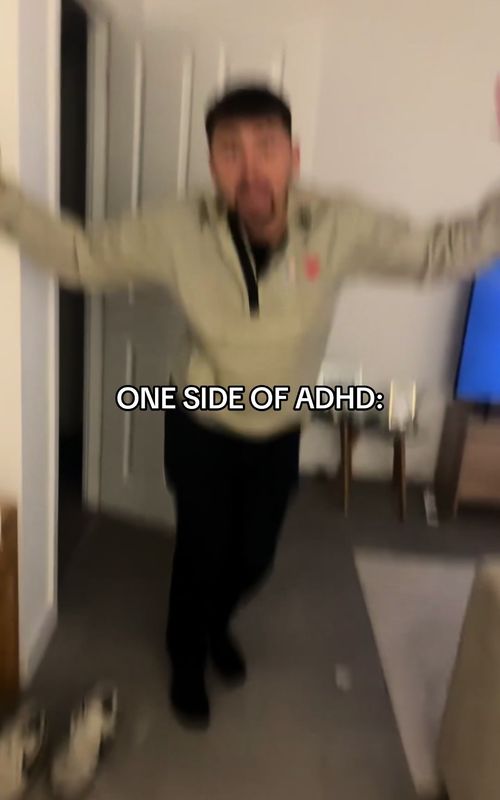 TikTok1.6M39
@samberesford_coaching
06 Oct 2026
Storytime format contrasting ADHD's energizing and exhausting sides offers deep, relatable emotional validation.
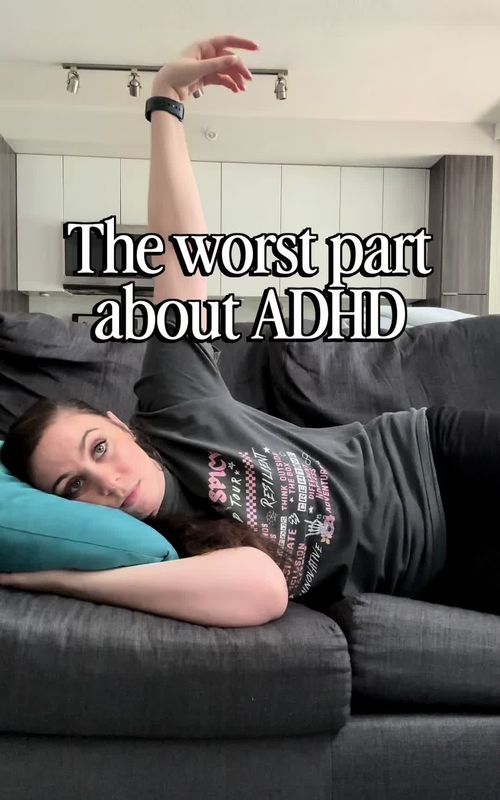 TikTok622.4K34
@hey.dopamine
01 Oct 2026
Rant format about ADHD paralysis captures raw, relatable frustration, fostering strong community identification.
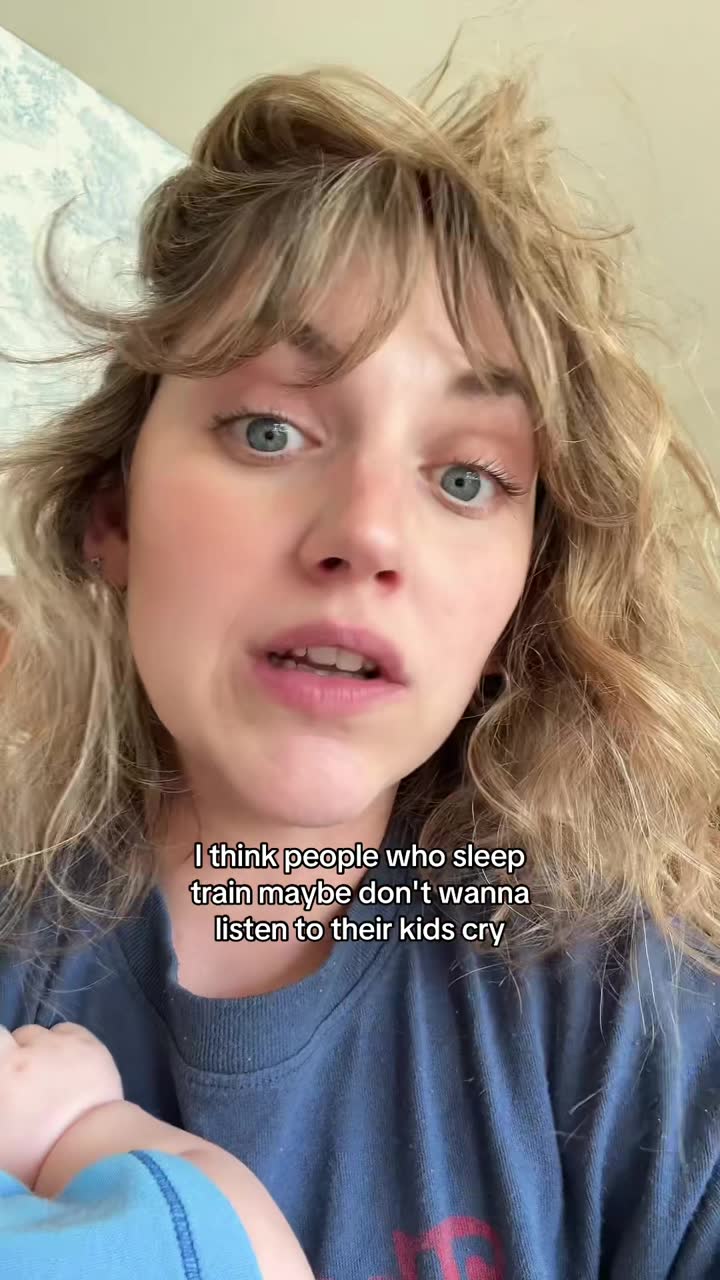 TikTok510.3K31
@whatsanellen
25 Sept 2026
Personal story defending sleep training with specific, short crying durations offers a controversial but effective perspective.
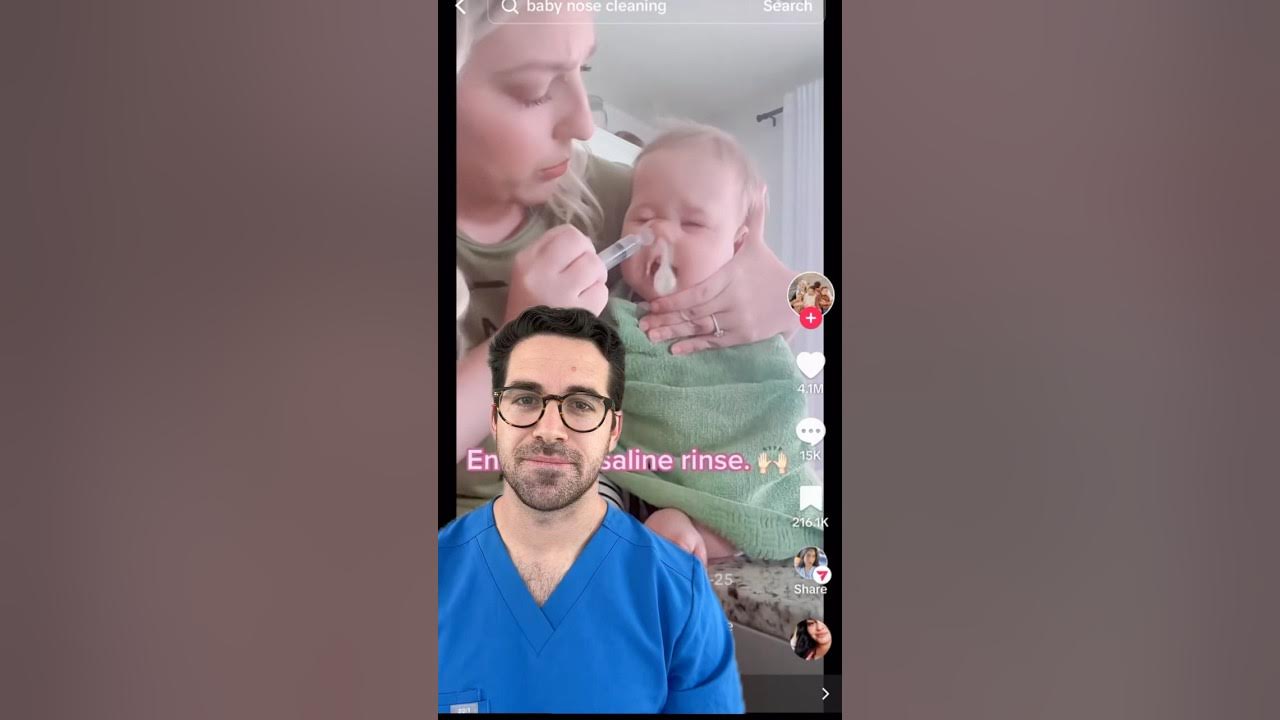 YouTube391.6K30
@doctor-yoshi
28 May 2025
Dr. Yoshi's clear, numbered tips for baby nasal congestion provide practical, pediatrician-backed solutions for parents.
 TikTok329.2K28
@papas.lullabies
01 Oct 2026
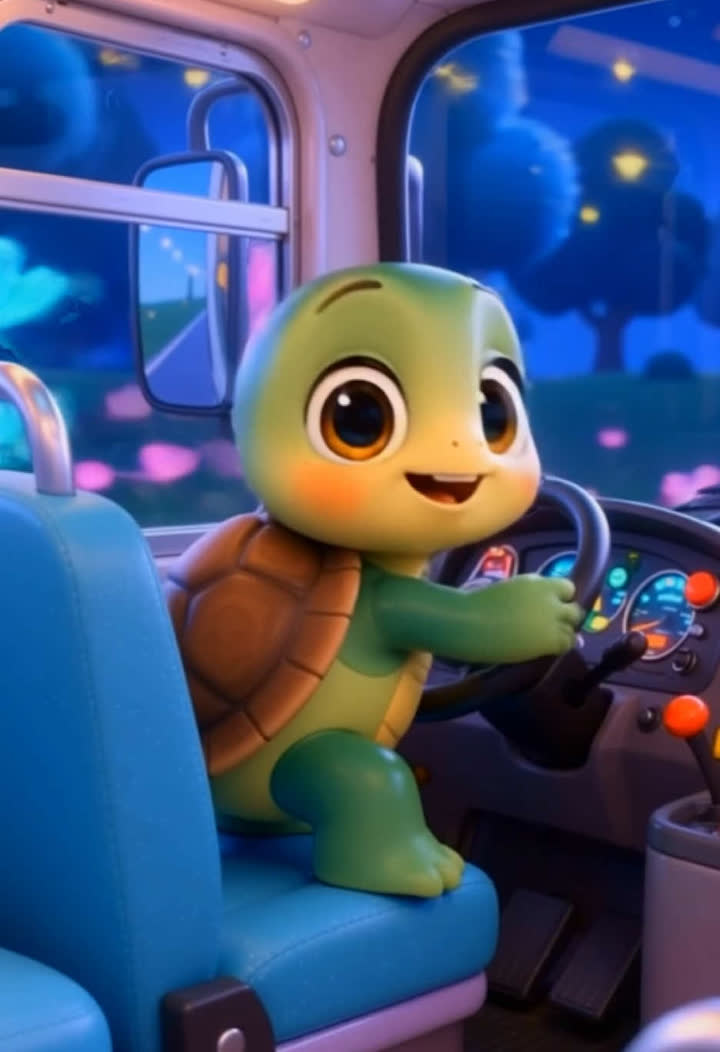
Soothing lullaby for bedtime, featuring a gentle turtle animation, directly addresses baby sleep needs with calming visuals.
 YouTube16.3M39
@rylie_shaw
13 Sept 2024
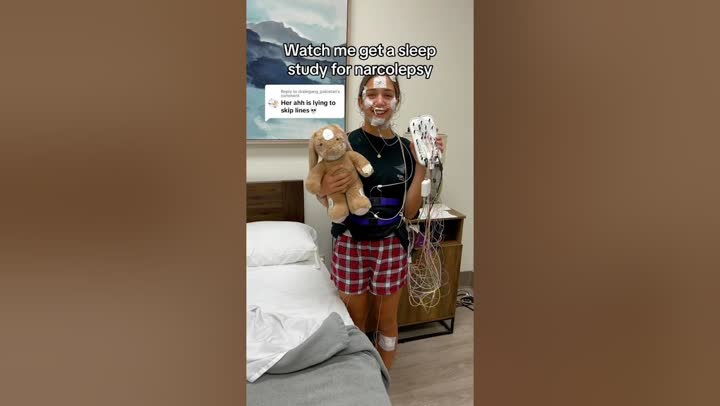
Vlog-style sleep study experience for narcolepsy demystifies medical procedures and educates on chronic sleep conditions.
 TikTok29.3K20
@asd.and.motherhood
15 Oct 2026
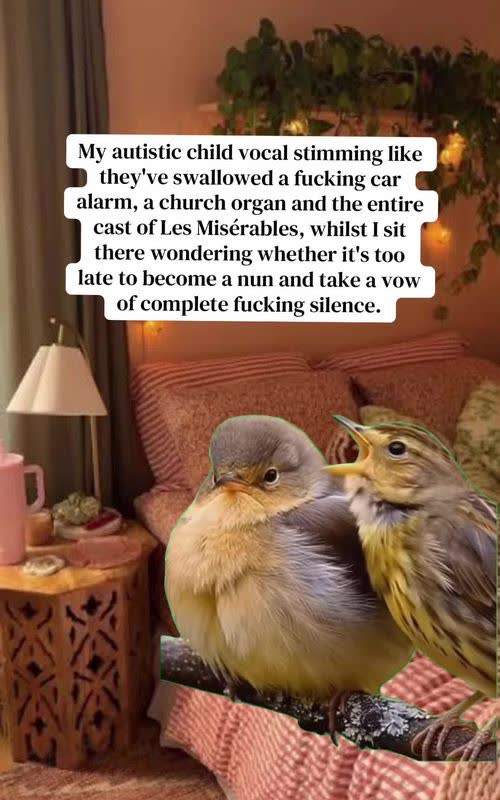
Humorous depiction of AuDHD parenting and sensory regulation through loud singing creates relatable content for neurodivergent families.
 Instagram169.8K24
@calm.mindparenting
22 Oct 2026
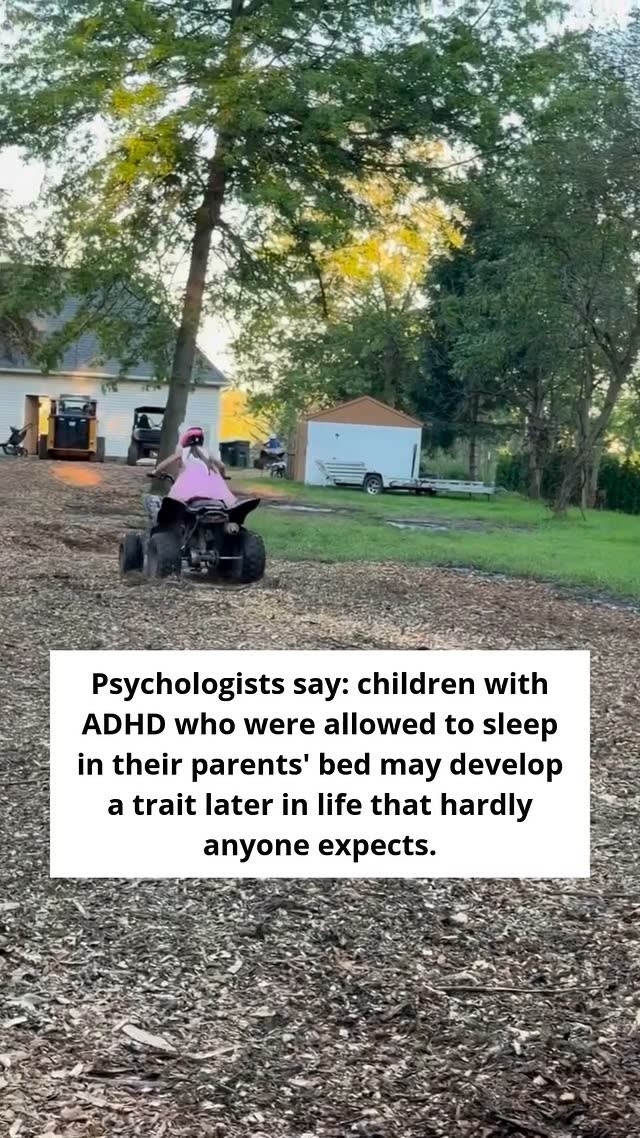
Psychologist-backed insight on ADHD kids sleeping in parents' beds reframes co-sleeping as a developmental trait, not dependency.
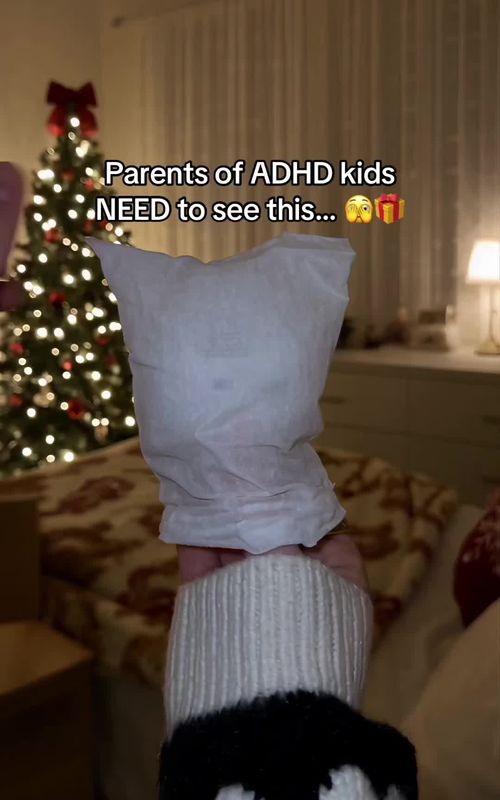 TikTok35.8K20
@dreamsphere01
25 Sept 2026
Product promotion for an autistic child's calming device uses a direct call to action ('Comment CALM') for engagement.
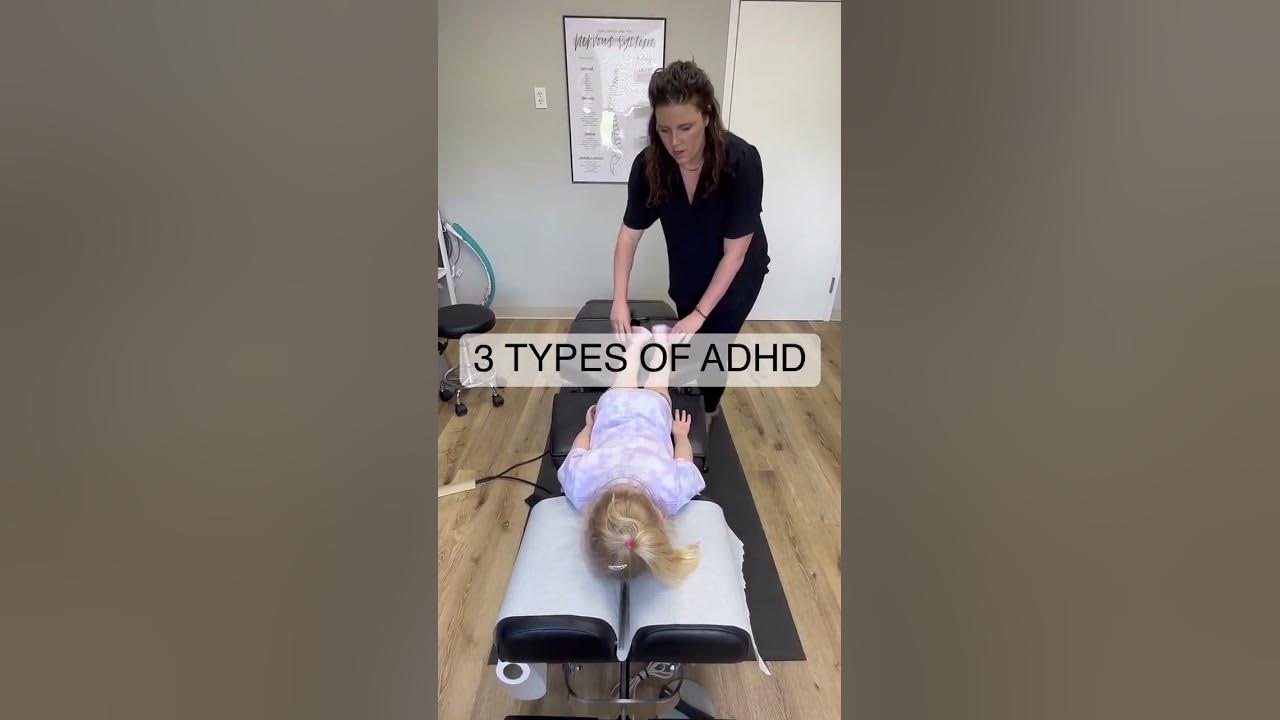 YouTube31.2K19
@bolingbrookfamilychiropractic
31 May 2023
Short, educational explainer on '3 Types Of ADHD' in children provides quick, digestible information for parents.
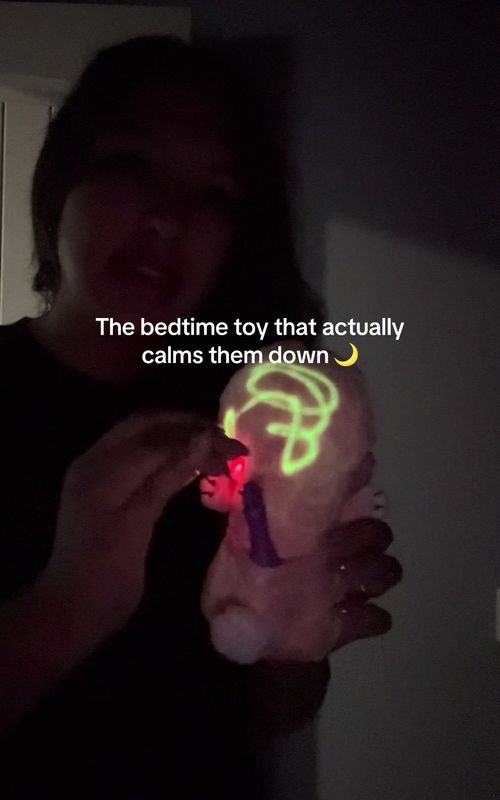 TikTok69.4K20
@ashleyontts
20 Oct 2026
Paid promotion for a 'glow baby' drawing toy positions it as a unique, calming bedtime activity for kids.
Hooks that work
The opening lines behind the best videos. This agent holds 111 of them.
- Story tease8.2M
“Ew! Ew! Open your mouth. Do you want to see realistic parenting of an ADHD parent who's at the end of their tether because it's 8 o'clock at night and…”
@sasplustwoWatch - Tutorial promise2.1M
“1 minute of warm water on your baby's feet, helps their brain prepare for sleep…”
@murphyhackmanualWatch - Bold claim507.2K
“The sleep trick that's never failed me...in almost 30 years…”
@allison.kellaherWatch - Bold claim6.8M
“Parenting with ADHD…”
@lifeactuatorWatch - Tutorial promise388.8K
“and I have two at my house. One a wake up buffer.”
@counselorallisongWatch - Question388.3K
“Kid getting out of bed? Stop putting them back to bed.”
@sleepplaycalmWatch
Breakout creators
Accounts pulling far more views than their following, worth watching in this niche.

@everythingtoddler_
Instagram
- followers
- 11.7K
- avg views
- 788K

@tiredd_soul
TikTok
- followers
- 28.2K
- avg views
- 960.2K
Short, relatable ADHD-centric clips that normalize experiences while using consistent branding and hashtags to build community.
4 breakout videos

@specialdaddy
TikTok
- followers
- 5K
- avg views
- 174.3K
Personal storytelling from a dedicated single dad of a special needs daughter, blending everyday parenting challenges with advocacy and inclusion.
4 breakout videos

@rose.center60
TikTok
- followers
- 6.1K
- avg views
- 186.7K
Educational, humorous demonstrations that illustrate neurodiversity-focused strategies and prompts-based learning for children.
3 breakout videos
Glowco - kids angle: questions, answered
From what the agent found in this niche, as of 23 October 2026.
What kids ADHD content ideas are trending on short-form video?
- Strong content ideas include reframing ADHD sleep as neurological dysfunction, explaining behaviors mistaken for defiance or laziness, and demonstrating sensory regulation strategies. Practical bedtime and sleep-independence advice is also rising. Personal success stories, expert guidance and actionable routines give parents both emotional validation and concrete ways to support children.
Which formats work for kids ADHD and sleep videos?
- Relatable memes, listicles, storytimes, rants, tutorials and expert explainers all appear among strong examples. @itsjennc123 uses a meme format to capture ADHD at school, while @counselorallisong shares actionable morning-routine tips. @samberesford_coaching uses storytime to contrast ADHD’s energizing and exhausting sides, and @drashleycoerver offers expert sleep insight.
What hooks work for ADHD parenting videos?
- POV and “Psychologists say” hooks are recommended for immediate relatability and authority. High-performing examples also include story teases about parenting at the end of a tether, direct questions, tutorial promises such as “seven signs that you have ADHD,” and bold claims about falling asleep. These openings create curiosity before the practical explanation.
What ADHD sleep topics are rising on TikTok, YouTube and Instagram?
- Two rising themes are ADHD sleep as a neurological dysfunction rather than a behavior problem, and practical bedtime or sleep-independence strategies. Videos can combine empathy with routines, personal results or expert advice. Sleep-related breathing problems that mimic ADHD are another important expert angle, represented by @drashleycoerver on TikTok.
Which creators should parents and content researchers watch?
- For relatable ADHD community content, watch @tiredd_soul, whose short clips normalize ADHD experiences, and @specialdaddy, who combines single-parent storytelling with advocacy and inclusion. @rose.center60 uses humorous educational demonstrations focused on neurodiversity strategies. On Instagram, @everythingtoddler_ is a breakout creator, while YouTube’s @doctor-yoshi provides clear, numbered pediatric and parenting explainers.
How do TikTok, YouTube and Instagram content differ in this niche?
- The strongest named examples are concentrated on TikTok, where creators use memes, rants, storytimes, listicles and expert explainers for ADHD and sleep topics. YouTube examples from @doctor-yoshi emphasize step-by-step, authoritative solutions such as head-lice treatment and baby nasal-congestion tips. Instagram’s listed breakout example is @everythingtoddler_, but the available findings do not specify a distinct Instagram format pattern.
How should creators make ADHD parenting videos more useful?
- Use on-screen text to surface key statistics, reframe misunderstood behaviors or present quick tip lists. Add personal anecdotes and before-and-after stories when discussing sleep training, then support them with practical steps or expert context. Relatable formats such as memes and rants can build identification, while sensory demonstrations and numbered routines make strategies easier for parents to follow.
Build a research agent like this
Tell Virlo what you make or sell. It finds the videos breaking out on TikTok, YouTube Shorts and Reels, and tells you why they work.