Nurse Skincare
Dermatologist-led educational content dominates with 47M+ combined views—creators win by positioning themselves as trusted medical authorities explaining skincare science, not selling products. The blotting paper test, hydrocolloid patch breakdown, and acne location mapping formats prove that visual demonstrations of skincare mechanics outperform aesthetic routines by 3-5x.
- videos analyzed
- 276
- total views
- 744.4M
- outliers
- 4
- breakout creators
- 1
What's working in Nurse Skincare right now?
Visual demonstrations are the strongest pattern in nurse skincare: blotting paper tests, hydrocolloid patch breakdowns, acne mapping, and before-and-after proof make skincare mechanics visible. Dermatologist-led education is the supporting pattern, with creators winning trust by explaining causes, debunking myths, and presenting themselves as medical authorities rather than product sellers.
- Use blotting paper tests to show sunscreen oiliness and texture differences.
- Explain hydrocolloid patches through visible color changes and product mechanics.
- Map acne locations to give viewers a practical root-cause framework.
- Use specific timelines in before-and-after skincare transformations.
- Lead with dermatologist credentials, myth-busting, and evidence-based explanations.
Themes winning now
What people are watching in this niche, from the agent's latest analysis.
- 28 videos
Dermatologist Authority & Medical Credibility
Audiences crave legitimacy over influencer aesthetics—board-certified credentials eliminate skepticism and position creators as problem-solvers rather than trend-followers.
- 18 videos
Visual Science Demonstrations (Blotting Tests, Before/After Proof)
Showing tangible results through physical evidence (oil absorption, hydrocolloid color change, pore extraction) triggers trust and shareability—viewers become witnesses to proof, not recipients of claims.
- 15 videos
Acne Problem-Solving & Root Cause Explanations
Hormonal acne, fungal acne, and location-based acne content addresses specific pain points—viewers feel personally understood, driving high engagement and saves.
- 12 videos
Korean Skincare & Glass Skin Methodology
K-beauty positioning as 'science-backed' and 'multi-step' appeals to optimization-minded audiences seeking systematic approaches to visible results.
What's working
The patterns behind the top videos, from the agent's latest analysis.
- 01
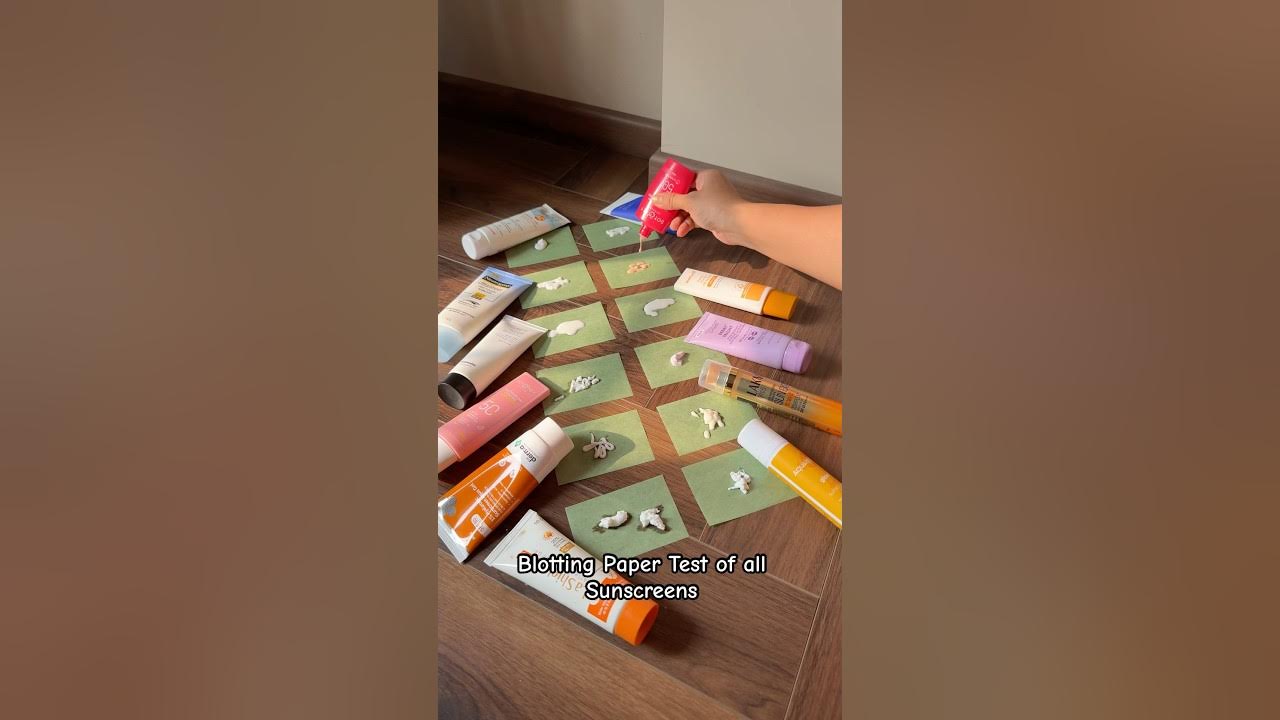
Blotting paper tests & physical product comparisons—show oiliness/texture differences visually (17.8M views on sunscreen test)
- 02
Dermatologist reacts format—expert validates or debunks trends, positioning creator as gatekeeper of truth
- 03
Before/after with specific product + timeline—'Accutane didn't work, but THIS did' frames solution as discovery
The top videos
The ones the agent's latest analysis ranked highest, and why each one worked.
 YouTube23.7M68
@MadhuraMayekar
02 Jan 2025
Blotting paper test format proves sunscreen efficacy visually—audience sees oiliness differences, eliminating guesswork. (17.8M views)
 YouTube17.1M60
@anay_lov
14 Apr 2025
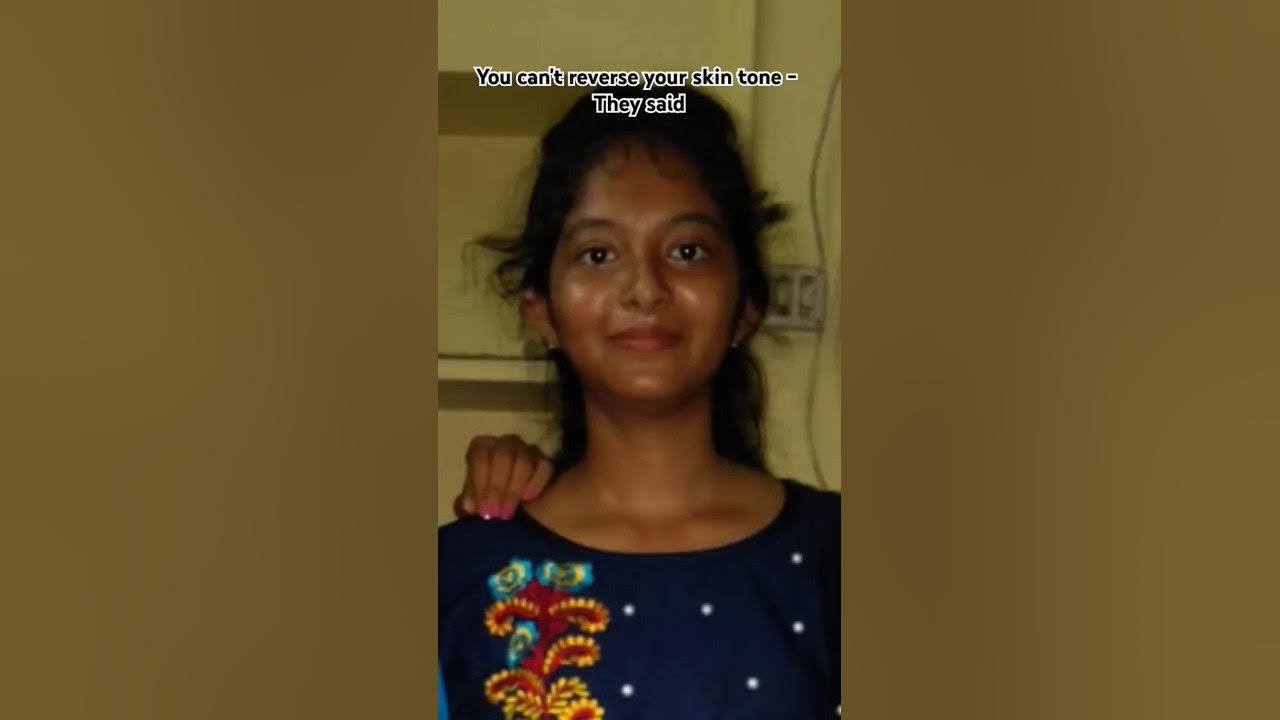
Before/after tanning removal with specific method—transformation proof drives shares; 'how I did it' hook maintains curiosity.
 YouTube13M58
@DrWhitneyBowe
23 Aug 2023
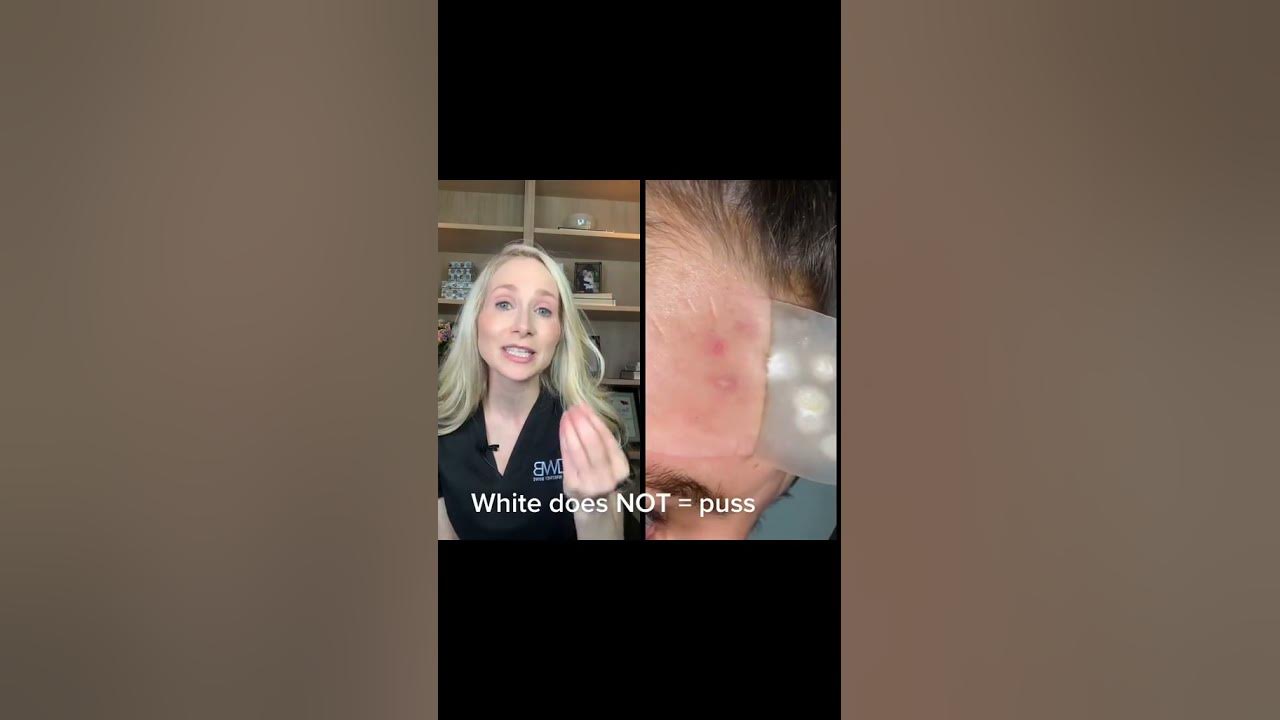
Dermatologist explains hydrocolloid patches turning white—demystifies product mechanism, building trust through education. (12.9M views)
 YouTube9.8M62
@beautythewolf
25 Jan 2023
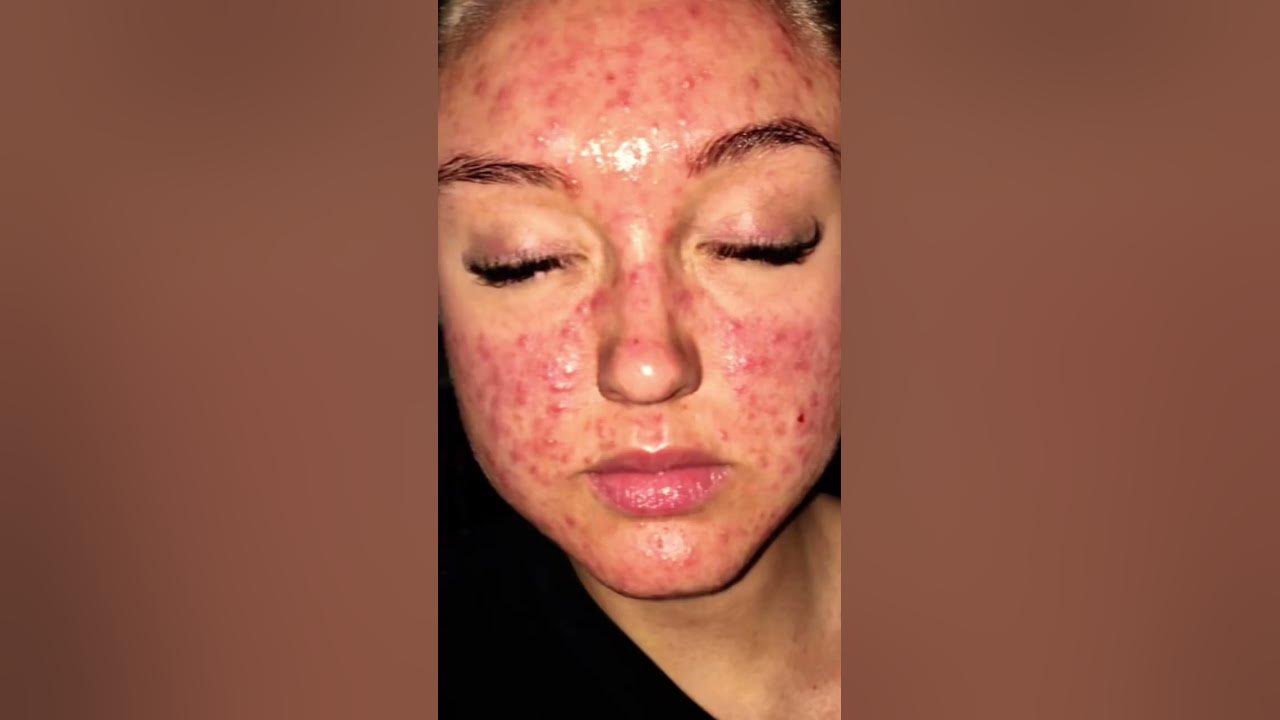
Single-product life-change claim with emotional hook—'1 product' framing creates curiosity gap, drives completion rate.
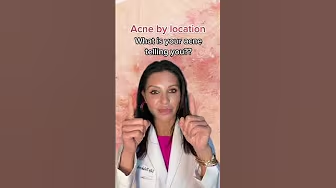 YouTube5.7M54
@dermtodoor2146
18 Jul 2022
Acne location mapping by dermatologist—gives viewers diagnostic framework they can self-apply to their own skin. (5.1M views)
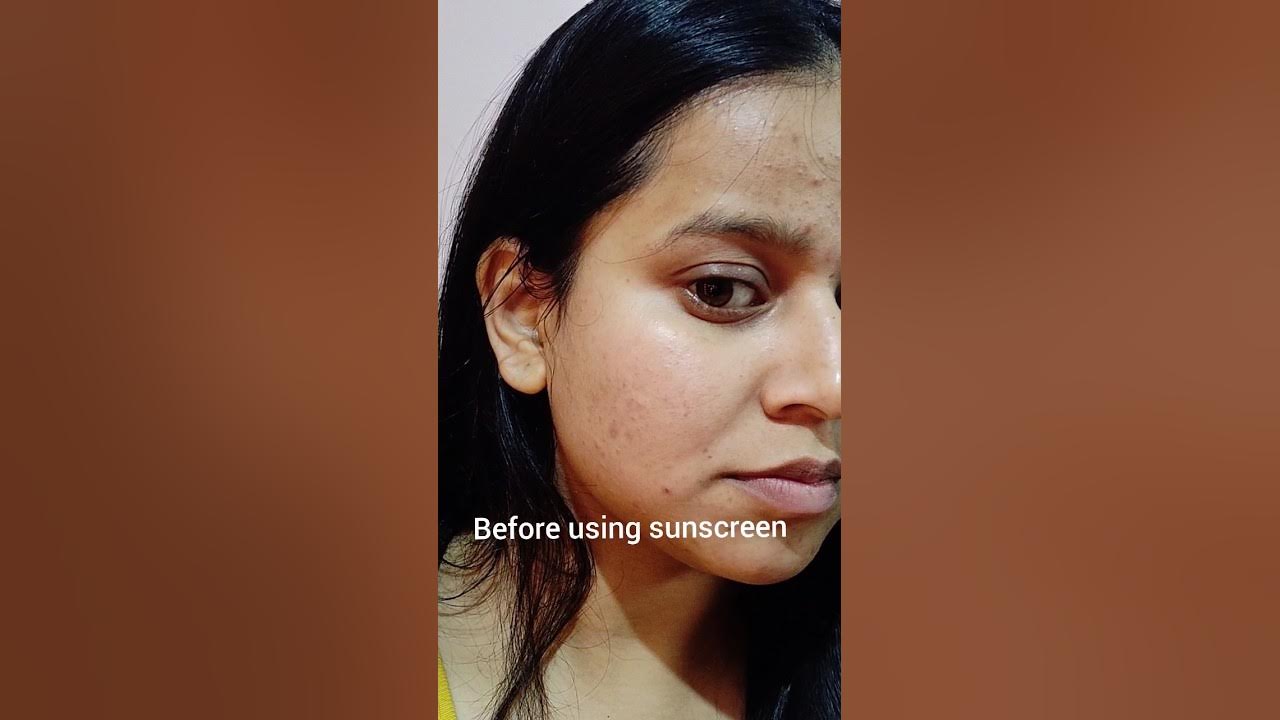 YouTube4.5M53
@isharajput9680
17 Dec 2022
Month-long sunscreen before/after with brand tag—visible skin improvement + product credit builds credibility and affiliate potential.
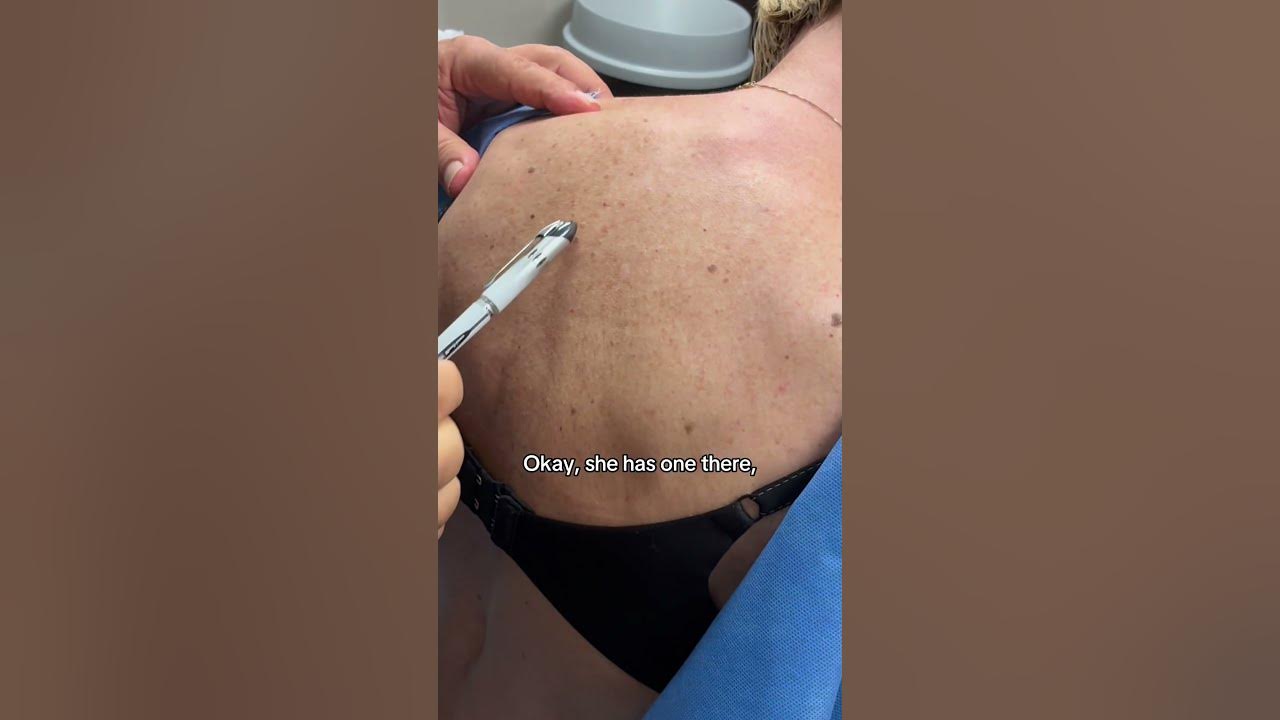 YouTube4.2M48
@dermatologistschoiceskincare
29 Jan 2026
50-year dermatologist expertise + visual mole/eczema identification—authority + educational value = high trust signal. (4.2M views)
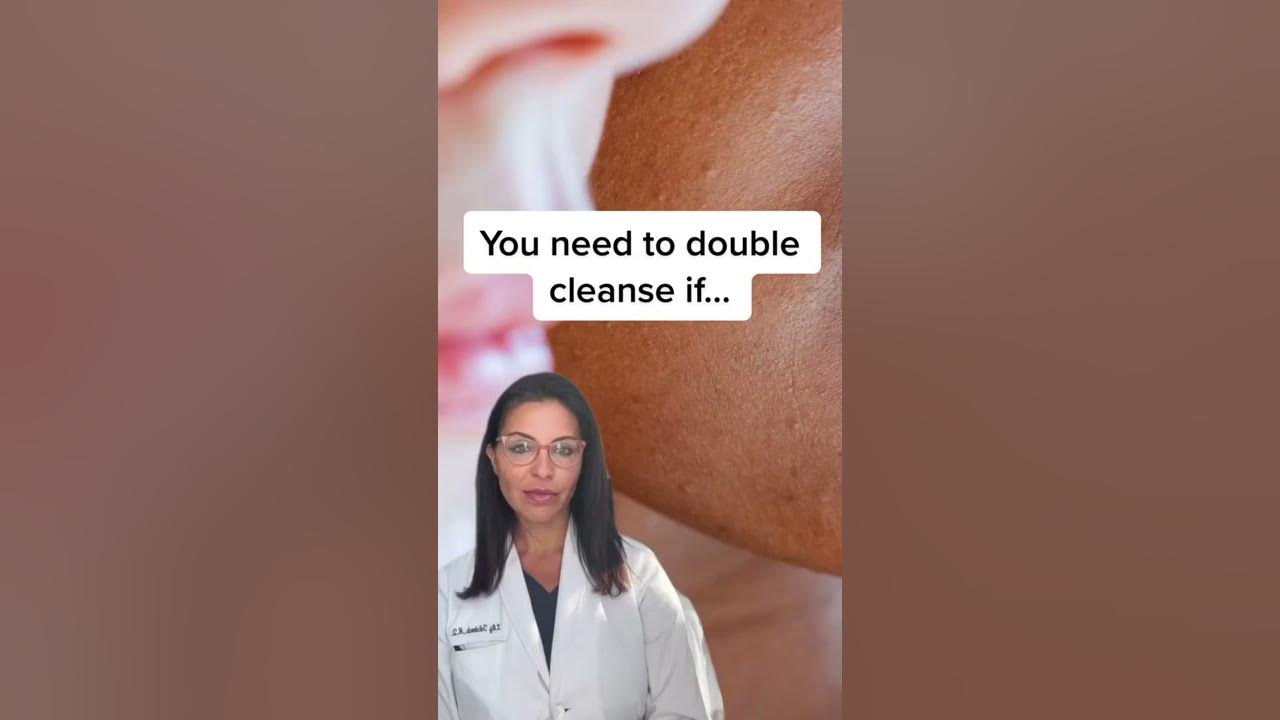 YouTube3.3M48
@dermtodoor2146
04 Aug 2022
Double cleanse necessity explained by dermatologist—addresses common misconception, positioning creator as myth-buster.
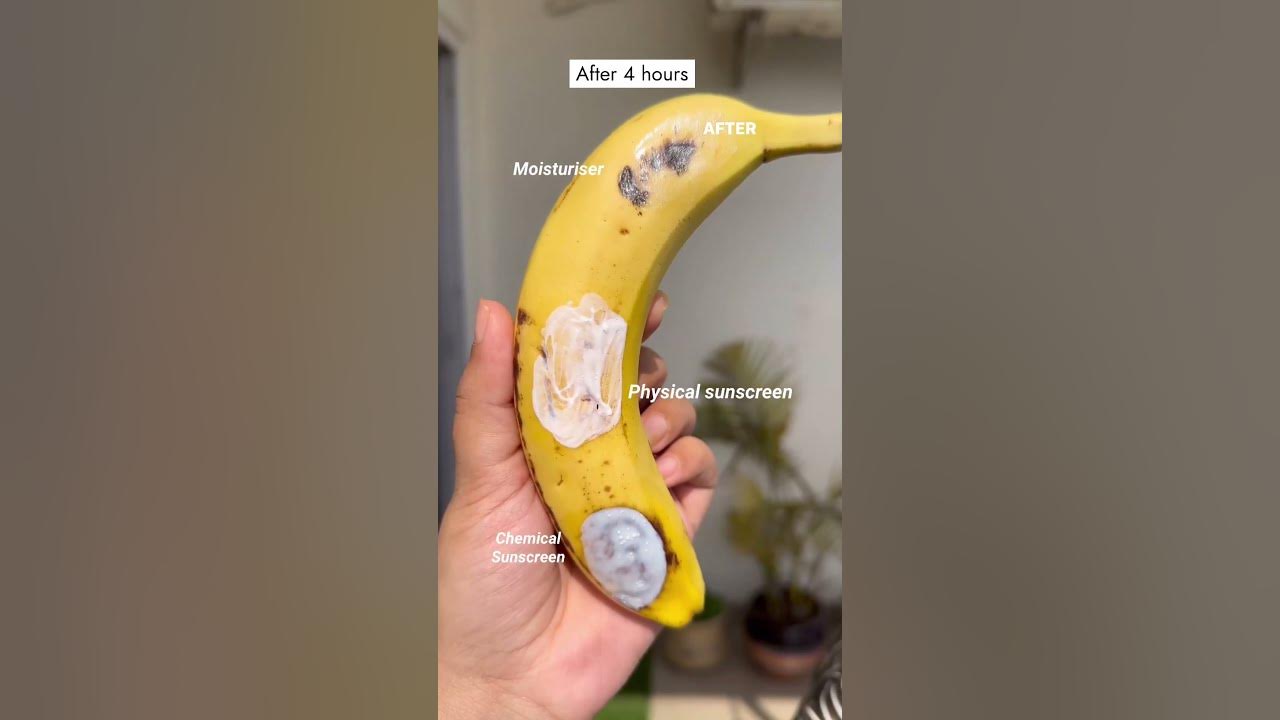 YouTube3.3M49
@nasrinhabiba18
08 Mar 2023
Physical vs. chemical sunscreen comparison—educational framework helps viewers choose based on skin type, not trends.
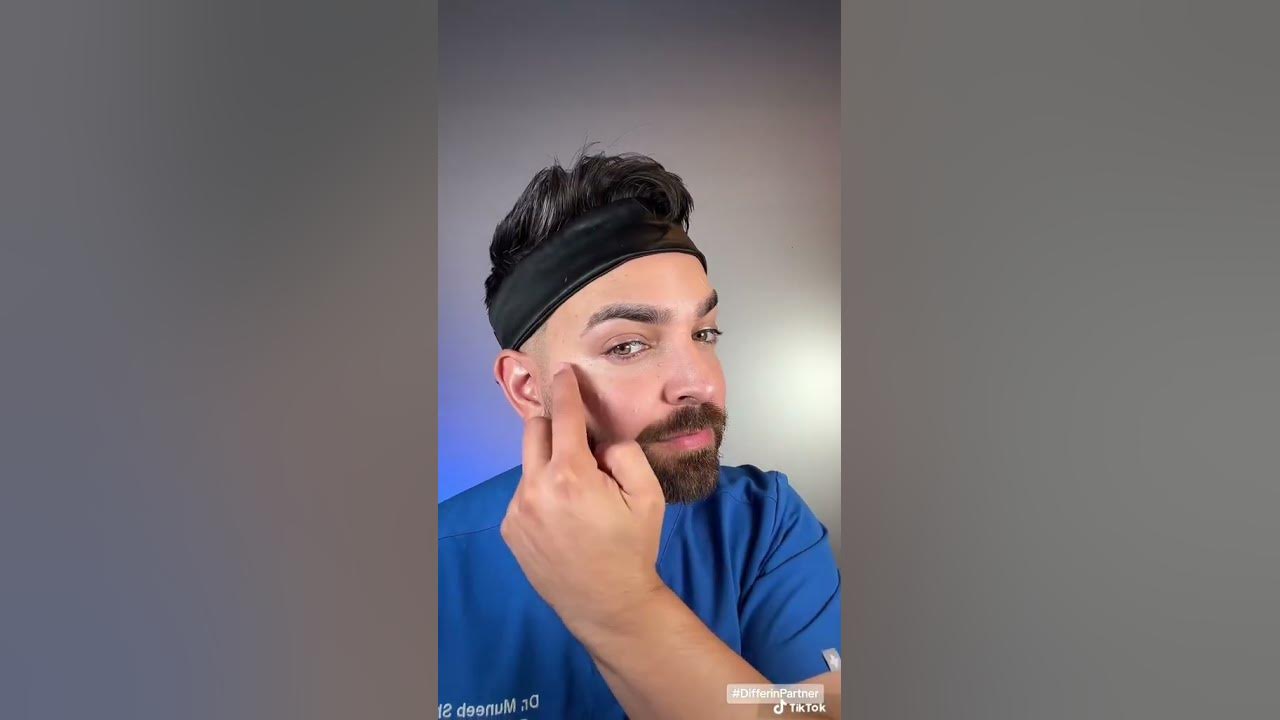 YouTube2.4M53
@Differin
30 Aug 2023
Differin gel acne routine with exact dosing ('pea-sized')—removes application guesswork, increases user success and retention.
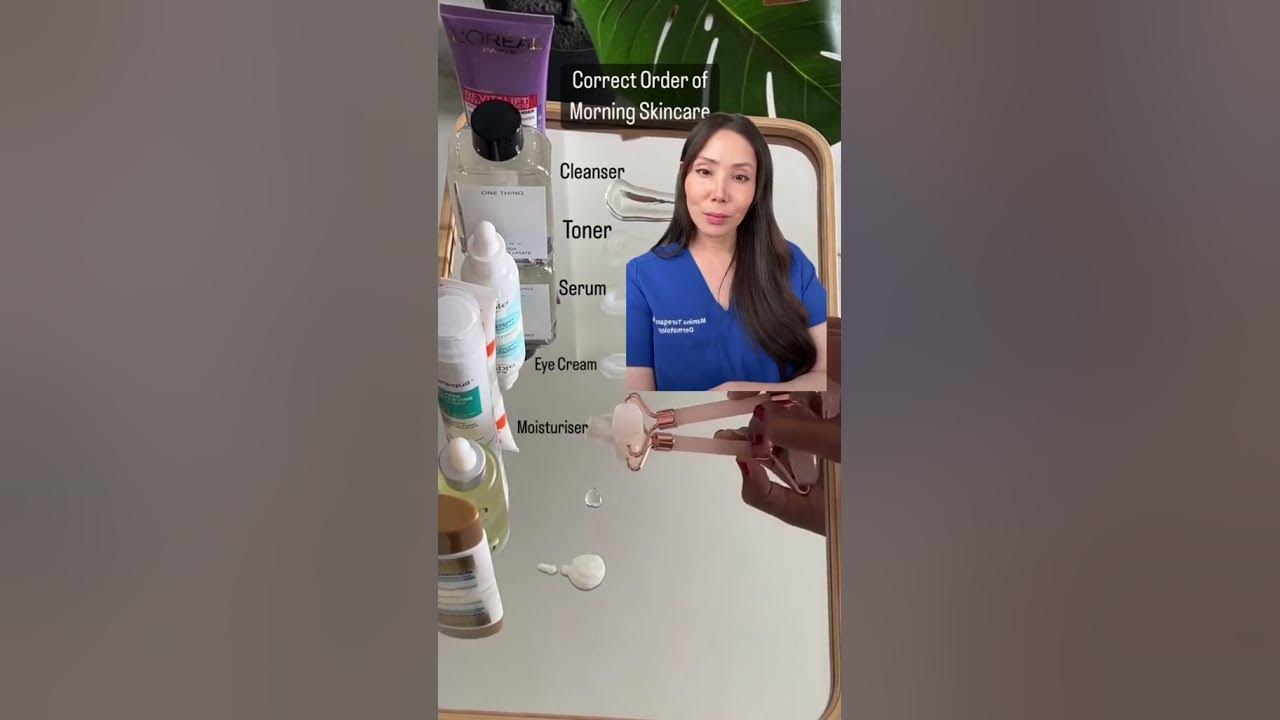 YouTube1.1M17
@dr.mamina
29 Jun 2023
Morning routine order sequence—viewers save for reference; procedural content has high utility value and repeat views.
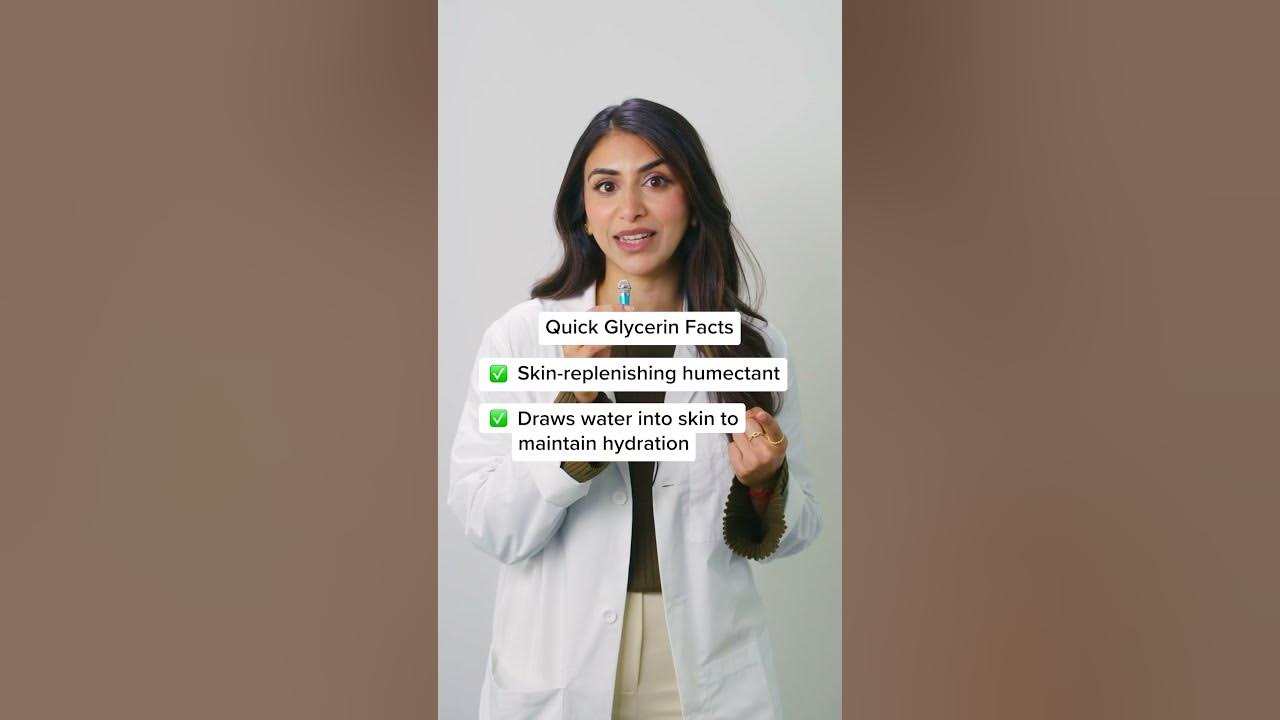 YouTube437.1K25
@Cetaphil
17 Sept 2023
Glycerin 101 dermatologist breakdown—ingredient education builds authority; viewers trust creator to decode skincare science.
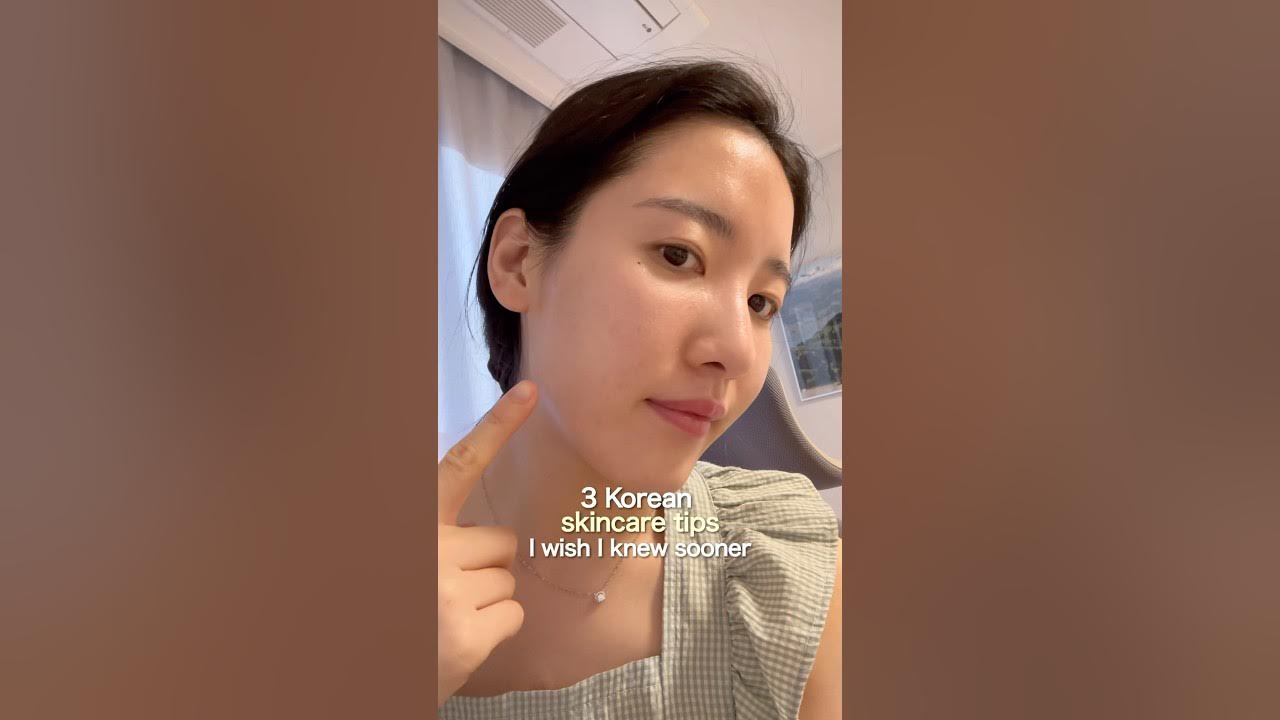 YouTube1.2M15
@leeskincare7
10 Dec 2024
Korean skincare tips framed as 'wish I knew sooner'—regret hook + cultural positioning appeals to optimization seekers.
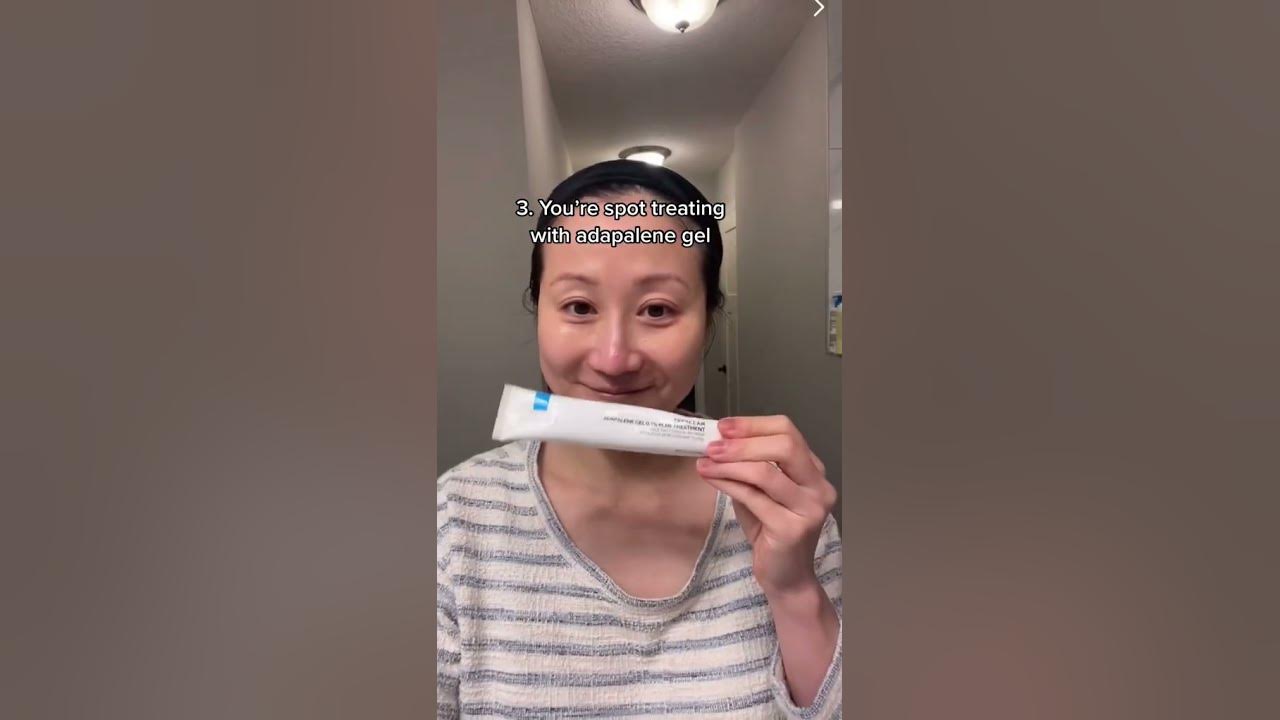 YouTube1.9M23
@dr.jennyliu
11 Jan 2023
Why acne treatment fails—addresses audience frustration directly; problem-validation increases engagement and shares.
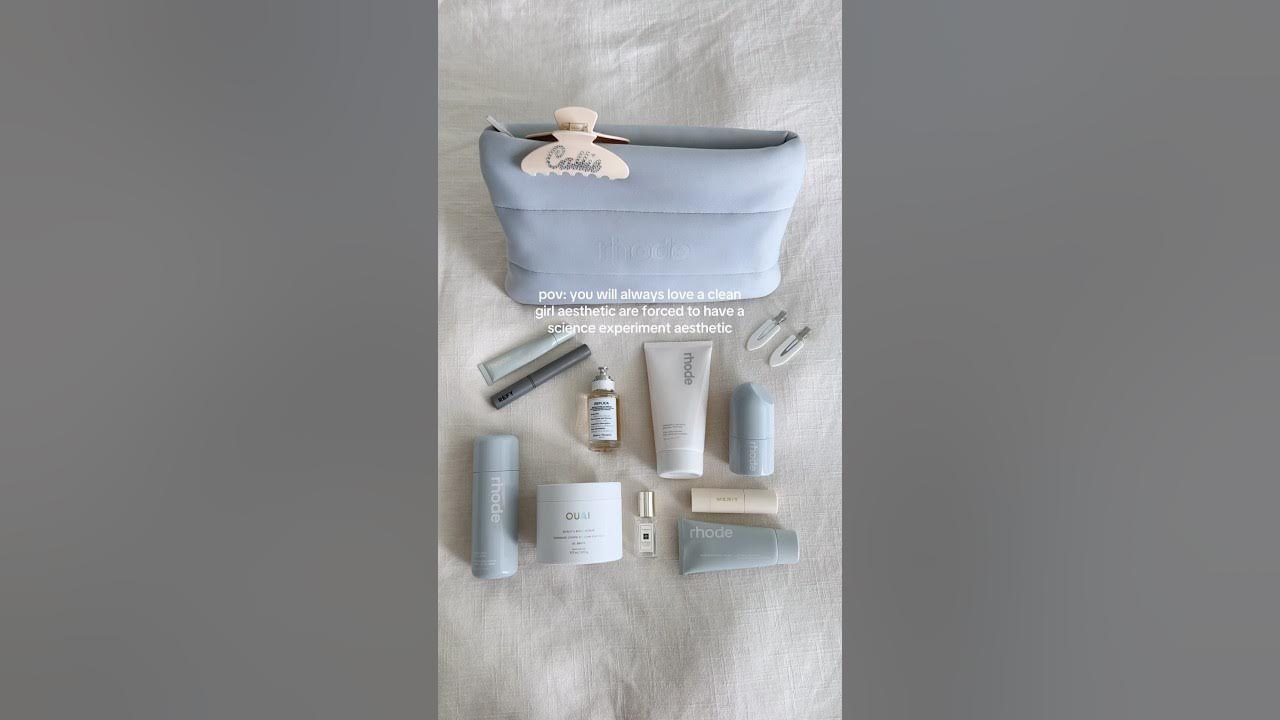 YouTube1.2M29
@callieguerra
27 Jan 2025
Clean girl aesthetic vs. acne reality—relatable tension hook; dermatologist validates that aesthetics ≠ efficacy.
Hooks that work
The opening lines behind the best videos. This agent holds 54 of them.
- Shock statement54.8M
“another lip care routine okay so we're scrubbing our lips by the way no need for that…”
@DermAngeloWatch - Comparison16.6M
“Skincare Routine 2022 2012…”
@sarahpalmyraWatch - Question1.3M
“have you heard about microneedling…”
@CosmeticSurgeryMDWatch - Question25.6M
“what is she doing okay she's cleaning her lips is she dermaplane now she's double exfoliating…”
@vanitarattanWatch - Direct address1.8M
“If you think your skin is sensitive, dry, gets irritated, or feels like it's burning, your barrier could be damaged.”
@dermtodoor2146Watch - Direct address16.1M
“Hi, Dermatologist here, ASMR self-care night.”
@DermAngeloWatch
Nurse Skincare: questions, answered
From what the agent found in this niche.
What nurse skincare content ideas are working now?
- Strong ideas include blotting paper tests, hydrocolloid patch explanations, acne location mapping, and before-and-after transformations with a specific product and timeline. Sunscreen comparisons make oiliness and texture visible, while dermatologist-led explanations of hormonal acne, fungal acne, double cleansing, and damaged skin barriers address specific viewer concerns. These formats position the creator as a problem-solver instead of a routine demonstrator.
What skincare video formats perform best?
- Visual science demonstrations outperform aesthetic routines because they show tangible evidence. Blotting paper tests reveal oil absorption, hydrocolloid patches show product mechanisms through color changes, and acne mapping gives viewers a framework they can apply to their own skin. Dermatologist reacts videos also work by validating or debunking trends, while before-and-after videos add credibility through visible results and a stated timeline.
What hooks work for nurse skincare videos?
- Contrarian statements, questions, comparisons, and direct warnings are effective hook styles. Examples include “another lip care routine okay so we're scrubbing our lips by the way no need for that,” “have you heard about microneedling,” and “If you think your skin is sensitive, dry, gets irritated, or feels like it's burning, your barrier could be damaged.” Curiosity-driven questions about Korean skincare brands also attract attention.
What nurse skincare trends are rising?
- Dermatologist authority, visual proof, acne root-cause explanations, and Korean skincare methodology are the strongest themes. K-beauty content works by presenting multi-step routines as systematic and science-backed. Acne videos focus on hormonal acne, fungal acne, and location-based explanations, while demonstrations such as sunscreen blotting tests and hydrocolloid patch breakdowns make product claims easier to evaluate.
Which nurse skincare creators should I watch?
- Examples include @MadhuraMayekar for blotting paper sunscreen tests, @DrWhitneyBowe for hydrocolloid patch education, and @dermtodoor2146 for acne location mapping and double-cleansing explanations. @dermatologistschoiceskincare combines long-term dermatologist expertise with visual mole and eczema identification. @anay_lov uses a specific method and before-and-after tanning removal, while @isharajput9680 shows month-long sunscreen results.
How can nurse skincare creators build trust without sounding promotional?
- Creators can build trust by showing physical evidence, explaining mechanisms, and using specific timelines instead of making broad product claims. Dermatologist reacts videos establish an expert gatekeeper role, while acne location mapping and barrier-damage explanations solve recognizable problems. A sunscreen blotting test or hydrocolloid patch breakdown lets viewers witness the result rather than simply accepting a recommendation.
Build a research agent like this
Tell Virlo what you make or sell. It finds the videos breaking out on TikTok, YouTube Shorts and Reels, and tells you why they work.