Viral Language Learning
The latest viral content reveals a strong shift towards highly relatable, comedic skits that highlight the universal struggles of language learning, particularly for Spanish speakers learning English.
- videos analyzed
- 1.7K
- total views
- 6.8B
- outliers
- 40
- breakout creators
- 22
What's working in Viral Language Learning right now?
Relatable comedy about language-learning struggles is the strongest pattern, especially skits about Spanish speakers learning English. Targeted English tutorials, interactive quizzes and personal UGC formats support the trend, while rapid vocabulary shortcuts are fading.
- Use bilingual comedy to turn common misunderstandings into memorable skits.
- Target English lessons to Spanish speakers’ translation and pronunciation challenges.
- Use interactive quizzes that ask viewers to translate Spanish words.
- Test personal UGC formats built around struggles, quizzes or learning methods.
- Use “English or Spanish” and rapid-learning promises as attention hooks.
Themes winning now
What people are watching in this niche, from the agent's latest analysis.
- 13 videosSteady
Relatable Language Struggle Comedy
Humorous skits and comedy bits that exaggerate common language learning pitfalls resonate deeply, fostering community through shared frustration and laughter.
- 4 videosFading
Rapid-Fire Vocabulary Shortcuts (3,000 Words in 30 Seconds)
Promising quick, high-impact learning hacks taps into the desire for efficiency and immediate results, making content highly shareable.
- 10 videosRising
English for Spanish Speakers Tutorials
Directly addressing the specific linguistic challenges and translation needs of Spanish speakers creates highly targeted and valuable educational content.
- 9 videosRising
UGC Language Learning Formats
User-generated content (UGC) formats, especially those featuring personal struggles or interactive quizzes, build authenticity and direct engagement with the audience.
What's working
The patterns behind the top videos, from the agent's latest analysis.
- 01
Leverage the 'English or Spanish' meme trend for quick, engaging content, as seen in videos like 'English or Spanish'.
- 02
Employ the '3,000 Spanish words in 30 seconds' hook to promise rapid learning and capture attention.
- 03
Utilize comedy skits that highlight common language learning misunderstandings, like @carokowanzenglish's 'Taking a taxi in your second language'.
The top videos
The ones the agent's latest analysis ranked highest, and why each one worked.
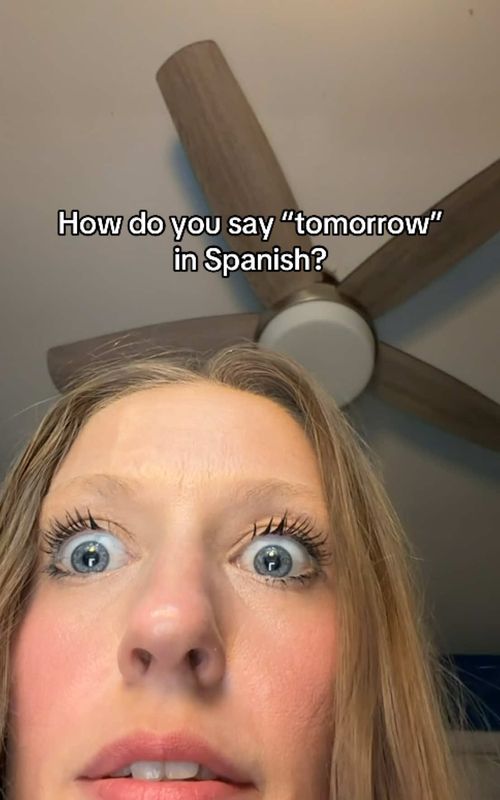 TikTok1.1M49
@brittslowlyfluent
15 Oct 2026
Interactive quiz format directly engages viewers by asking for Spanish translations.
 TikTok1.7M51
@learningwithmadeline
09 Oct 2026
Relatable 'bilingual problems' hook creates instant connection and humor.
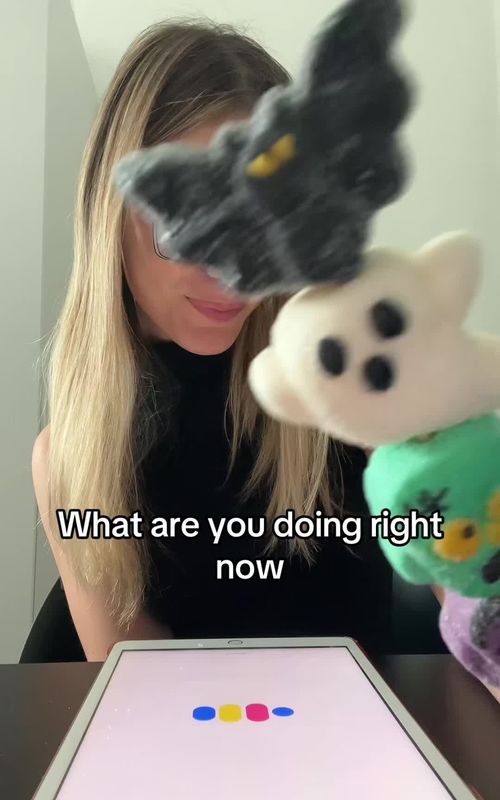 TikTok1.2M39
@irene.learns.english
26 Sept 2026
Comedic skit using Pingo AI highlights common English pronunciation struggles for relatability.
 TikTok28.7K26
@pjgyu56
09 Oct 2026
Skit format with Carolina Kowanz humorously demonstrates English misunderstandings, making learning memorable.
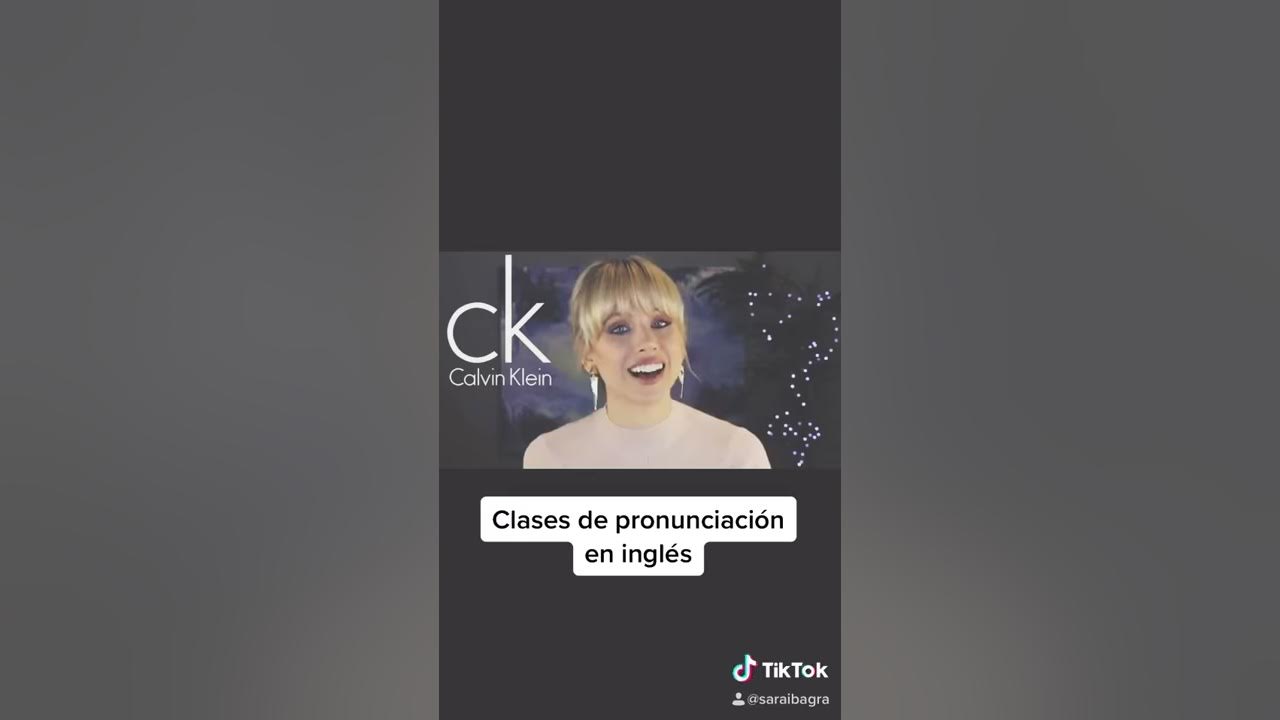 YouTube27.8K26
@saturikla
24 Apr 2020
Humorous take on Superholly's English classes leverages a known creator for engagement.
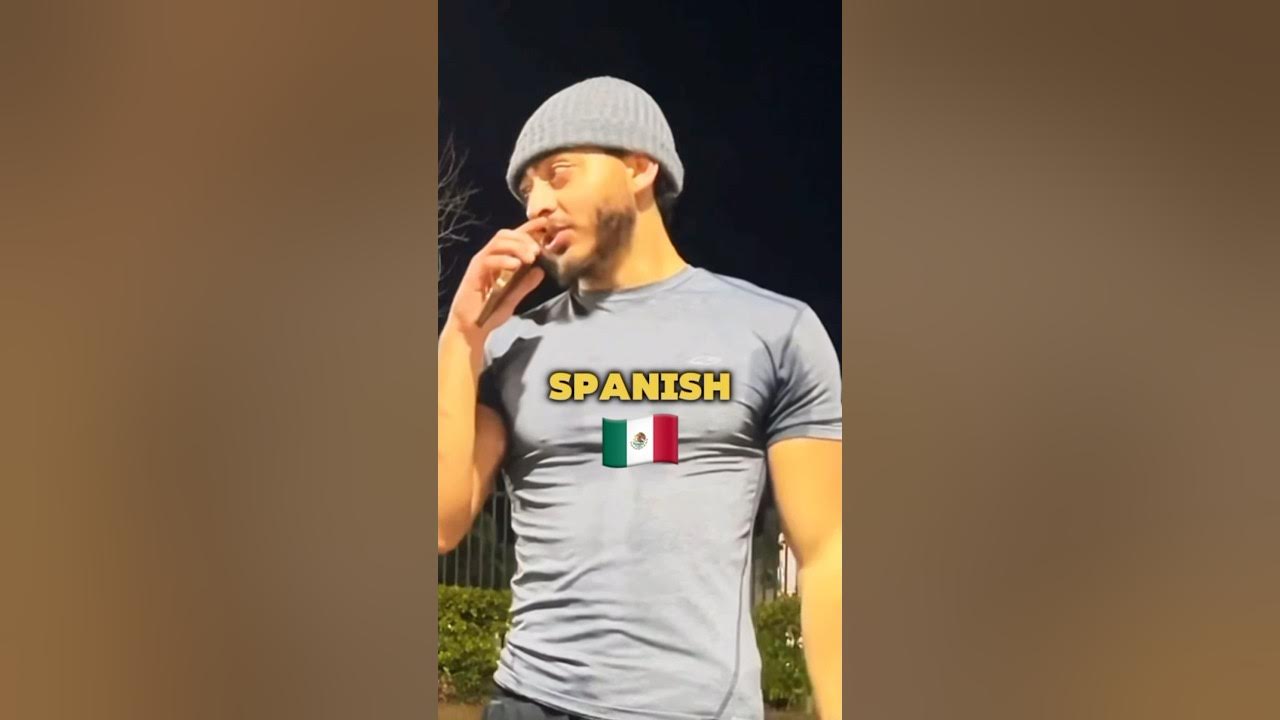 YouTube851K33
@Bigreem7
17 Jan 2025
Q&A format in an urban setting makes learning Spanish interactive and authentic.
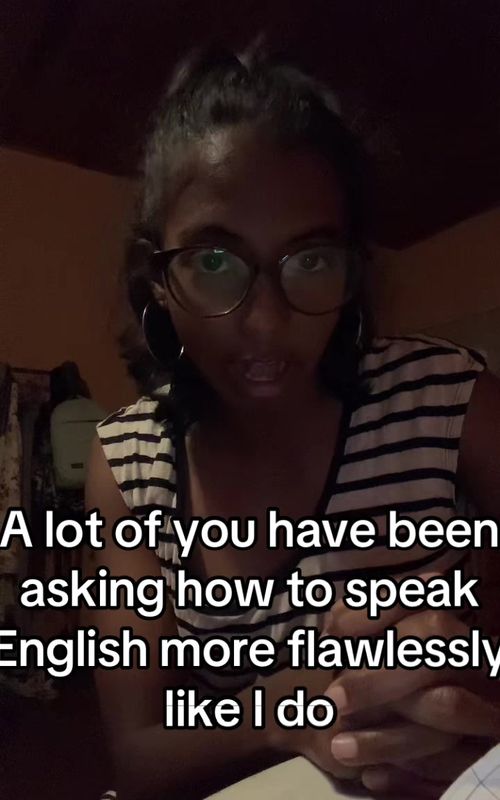 TikTok20.8K19
@gumgumsleepy
10 Oct 2026
Personal 'copy and paste method' tutorial offers actionable advice for English fluency.
 TikTok14.9K20
@user6552181414
13 Oct 2026
Clear, direct Spanish-to-English vocabulary drill provides quick, digestible learning.
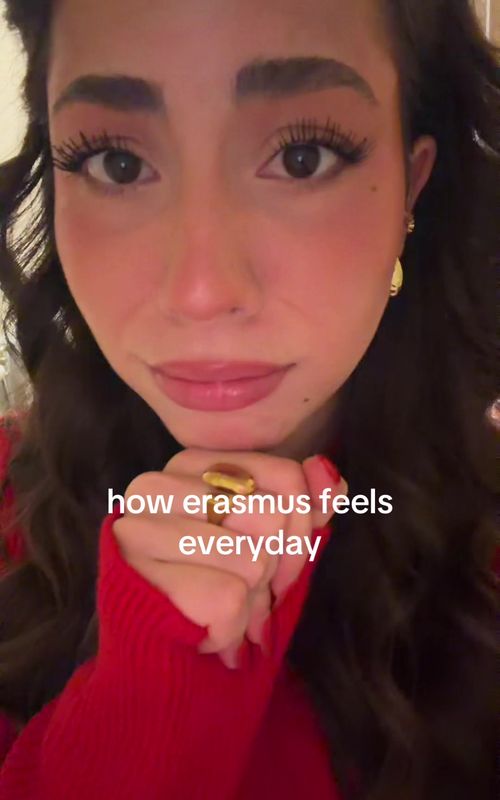 TikTok12.4K21
@leeiilaa.gs
14 Oct 2026
Relatable rant about translation frustration connects with bilingual audiences emotionally.
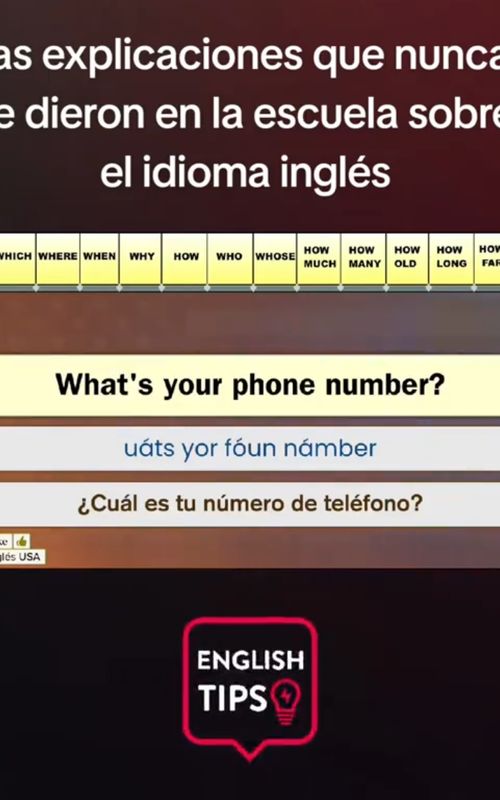 TikTok687.3K23
@inglesgratis1
30 Sept 2026
Tutorial on common English questions, presented as a comprehensive, easy-to-follow lesson.
 TikTok78.1K18
@kgfdyhds3
09 Oct 2026
Carolina Kowanz's short video format makes English learning accessible and engaging.
 YouTube6.3M24
@Asieselfrances
15 Mar 2025
Humorous take on Spanish phrases creates an entertaining learning experience.
 YouTube11.8M25
@ChinesewithJessie
10 Jun 2023
Comedy skit highlighting English as a second language struggles resonates with many.
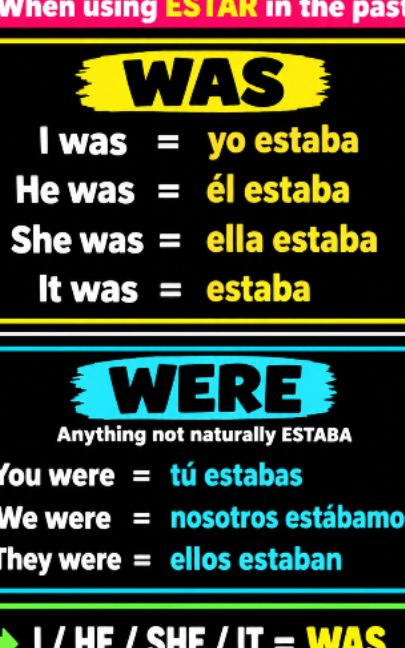 TikTok17.5K13
@englishyamor
23 Sept 2026
Quick rule for 'WAS' vs 'WERE' simplifies a common English grammar point for Spanish speakers.
 TikTok152.1K14
@tunepie3
24 Sept 2026
Skit-style English lesson by Carolina Kowanz uses role-play for practical learning.
Breakout creators
Accounts pulling far more views than their following, worth watching in this niche.
@iblancsss
YouTube
- followers
- 83.1K
- avg views
- 6.7M
Uses repeatable prank-style formats across multiple languages to showcase language cues and jokes, creating viral language-learning hooks.
4 breakout videos

@thetravelingginger
Instagram
- followers
- 16.2K
- avg views
- 1.8M
Goes beyond sightseeing by weaving practical travel hacking and budgeting tips into immersive, personality-driven destination stories.
4 breakout videos

@ashbelivin
Instagram
- followers
- 2.5K
- avg views
- 713.8K
Uses Malayalam-centric humor and relatable life scenarios to subtly integrate English-learning cues through repeatable meme formats.
6 breakout videos

@thenaeberhood
Instagram
- followers
- 4.1K
- avg views
- 617.4K
Consistently delivers short, joke-driven reels that blend bilingual humor and relatable daily-life moments to engage Spanish-speaking learners and fans.
10 breakout videos

Viral Language Learning: questions, answered
From what the agent found in this niche, as of 16 October 2026.
What language-learning content is trending on short-form video?
- Relatable comedy about language-learning struggles is the strongest theme, with skits exaggerating misunderstandings, pronunciation problems and bilingual frustrations. English tutorials made specifically for Spanish speakers are also rising, alongside user-generated formats featuring personal struggles and interactive quizzes. Examples include @irene.learns.english’s pronunciation skit using Pingo AI and @learningwithmadeline’s “bilingual problems” content.
What formats work for English-learning videos aimed at Spanish speakers?
- Comedy skits, direct Spanish-to-English vocabulary drills, interactive translation quizzes and Q&A videos are working formats. @brittslowlyfluent uses a quiz that asks viewers for Spanish translations, while @user6552181414 delivers a direct vocabulary drill. @Bigreem7 uses an urban-setting Q&A format to make Spanish learning interactive and authentic.
What hooks work for viral language-learning videos?
- Relatable scenarios and tutorial promises are the strongest hook types in the examples. One scenario begins, “First language is Spanish. Went to school and learned English and now I stutter in both languages.” Other hooks introduce a parent teaching the English he is learning or promise an English lesson, giving viewers a personal reason to keep watching.
Is the “3,000 Spanish words in 30 seconds” format still working?
- The “3,000 Spanish words in 30 seconds” hook makes rapid learning feel efficient and immediately useful, which helps content become shareable. However, the rapid-fire vocabulary-shortcut theme is fading, while relatable language-struggle comedy, English tutorials for Spanish speakers and UGC formats are rising or steady. It works as an attention promise but is not the strongest current theme.
Which language-learning creators should I watch?
- @iblancsss uses repeatable prank-style formats across multiple languages to highlight language cues and jokes. @ashbelivin blends Malayalam-centered humor and everyday scenarios with English-learning cues, while @thenaeberhood creates bilingual jokes around daily life for Spanish-speaking learners. @thetravelingginger combines practical travel and budgeting tips with personality-driven destination stories.
What language-learning videos are getting strong engagement?
- Examples include @learningwithmadeline’s relatable “bilingual problems” video, @irene.learns.english’s comedic pronunciation skit and @brittslowlyfluent’s Spanish translation quiz. Tutorial hooks also perform strongly: videos about a father teaching the English he is learning and an English lesson introduction are among the listed top hooks. These examples combine a clear premise with participation or humor.
How do TikTok, YouTube and Instagram differ for language-learning content?
- The listed top-video examples are concentrated on TikTok, where quizzes, bilingual-problem hooks, pronunciation skits and vocabulary drills appear prominently. YouTube examples include humorous reactions to Superholly’s English classes and an interactive Spanish Q&A. Instagram breakout creators use repeatable bilingual humor, Malayalam-centered memes and travel stories, showing a more personality-driven approach.
Build a research agent like this
Tell Virlo what you make or sell. It finds the videos breaking out on TikTok, YouTube Shorts and Reels, and tells you why they work.