Women mental health
Women's mental health content dominates through trauma-informed vulnerability and hormonal education. The highest-performing videos (1M+ views) combine personal resilience narratives with clinical credibility, while relationship psychology frames mental wellness as boundary-setting and emotional autonomy—not self-care aesthetics.
- videos analyzed
- 1K
- total views
- 943.3M
- outliers
- 52
- breakout creators
- 26
What's working in Women mental health right now?
Women’s mental health content is working through trauma-informed vulnerability and hormonal education, especially stories that validate survival, exhaustion, and feeling “off.” The strongest videos pair personal resilience or relationship-boundary narratives with clinical credibility, using symptom checklists, myth-busting, and highly shareable quotes rather than self-care aesthetics.
- Lead with a clinical fact that challenges a common mental health belief.
- Use three to five symptoms to explain emotional exhaustion or nervous system shutdown.
- Explain perimenopause-related anxiety and irritability in plain language.
- Frame boundaries as emotional autonomy, not only self-care.
- Use screenshot-worthy breakup lines and affirmations as shareable hooks.
Themes winning now
What people are watching in this niche, from the agent's latest analysis.
- 4 videosFading
Trauma Reframing & Survival Without Glorification
Trauma therapists and survivors explicitly reject the 'what doesn't kill you makes you stronger' myth, validating that survival can mean permanent change—audiences save this because it normalizes their own invisible struggles.
- 3 videosRising
Perimenopause & Menopause Mental Health Education
Women report feeling 'off' or misdiagnosed for years; creators validating hormonal causes for anxiety, irritability, and overstimulation fill a massive gap in medical literacy and resonate across age groups.
- 5 videosRising
Emotional Exhaustion & Nervous System Shutdown
Videos describing zoning out, irritability, and 'I'm just tired' as signs of emotional depletion—not laziness—give language to invisible burnout and validate rest as clinical necessity, not selfishness.
- 4 videosRising
Clinical Mental Health Education & Diagnosis Literacy
Credentialed creators (therapists, doctors) breaking down clinical definitions of depression, OCD, ADHD, and autism in plain language—audiences engage because they're learning diagnostic criteria they can self-assess against.
What's working
The patterns behind the top videos, from the agent's latest analysis.
- 01
Expert credential + myth-busting: Open with clinical fact that contradicts common belief (e.g., 'depression isn't sadness, it's a medical disorder')
- 02
Symptom checklist format: List 3-5 specific signs audiences can self-diagnose against (zoning out, irritability, 'just tired')
- 03
Powerful quote as hook: Use breakup lines or affirmations that audiences will screenshot and share ('rather adjust to absence than boundaries to disrespect')
The top videos
The ones the agent's latest analysis ranked highest, and why each one worked.
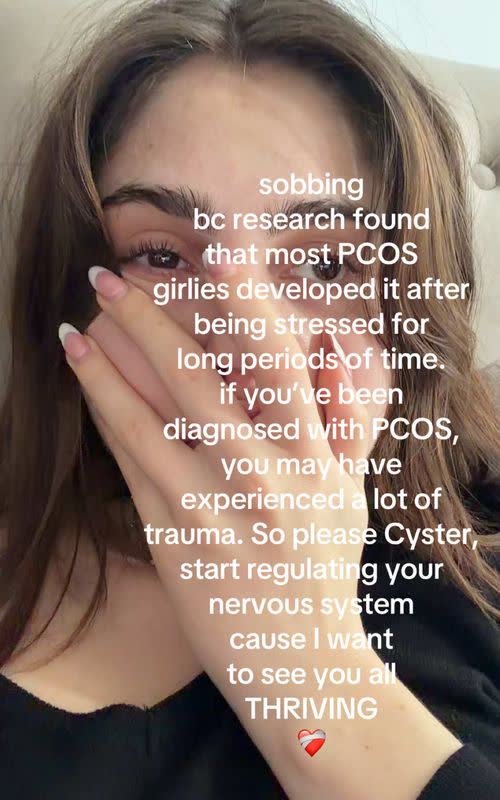 TikTok1.7M44
@milahabsy
17 May 2026
PCOS awareness with self-care call-to-action. Hashtag strategy (#pcos #womenshealthmatters) targets niche community seeking validation and medical education.
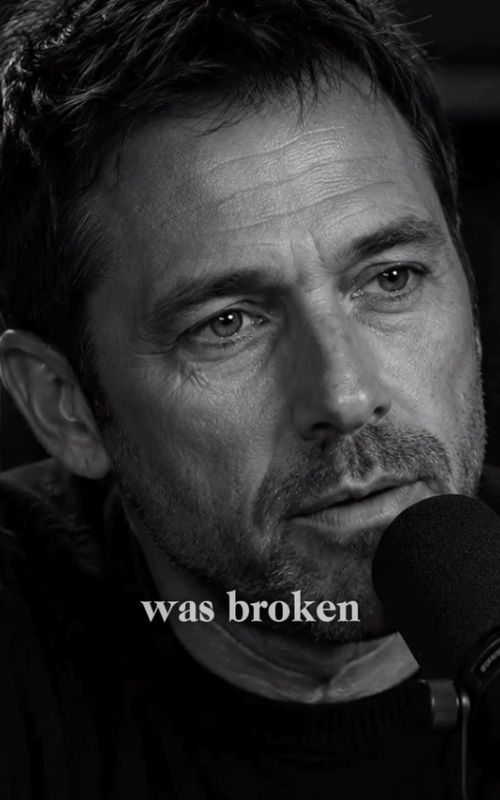 TikTok354.8K35
@liamctxasip
18 May 2026
Powerful breakup narrative: 'woman who rebuilt herself alone becomes impossible to manipulate.' Direct transcript delivery creates parasocial intimacy and shareability.
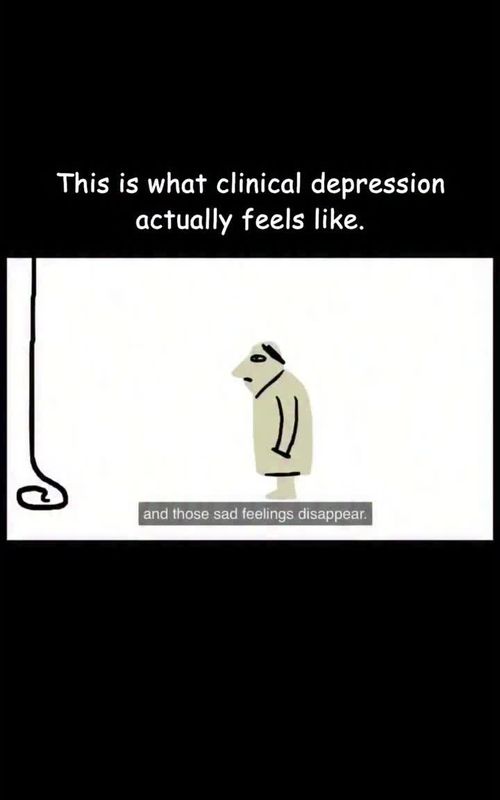 TikTok446.8K42
@eugene_lipov_md
14 May 2026
Clinical depression education from credentialed source. Expert myth-busting (depression ≠ sadness) paired with symptom checklist makes content saveable and self-diagnostic.
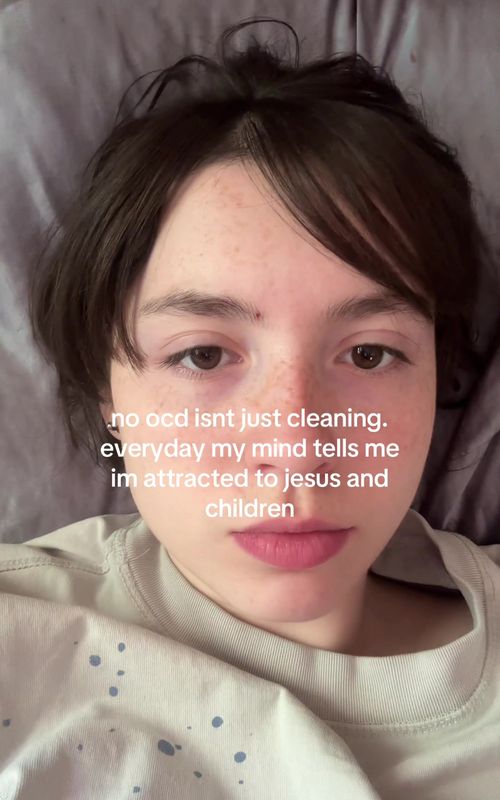 TikTok115.6K28
@despondentspirit
19 May 2026
Casual OCD medication confession ('so glad I'm medicated'). Unfiltered tone destigmatizes treatment and normalizes clinical intervention as relief.
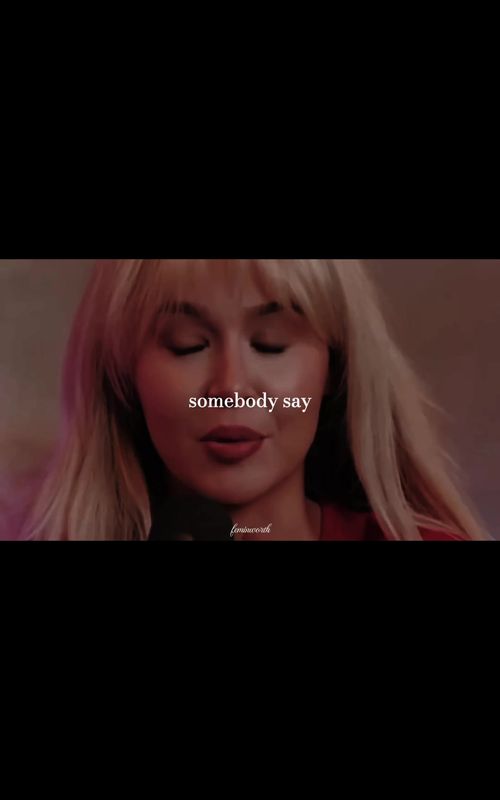 TikTok1M32
@feminworth
14 May 2026
Relationship psychology quote hook: 'rather adjust to absence than boundaries to disrespect.' Powerful line audiences screenshot and share as boundary-setting affirmation.
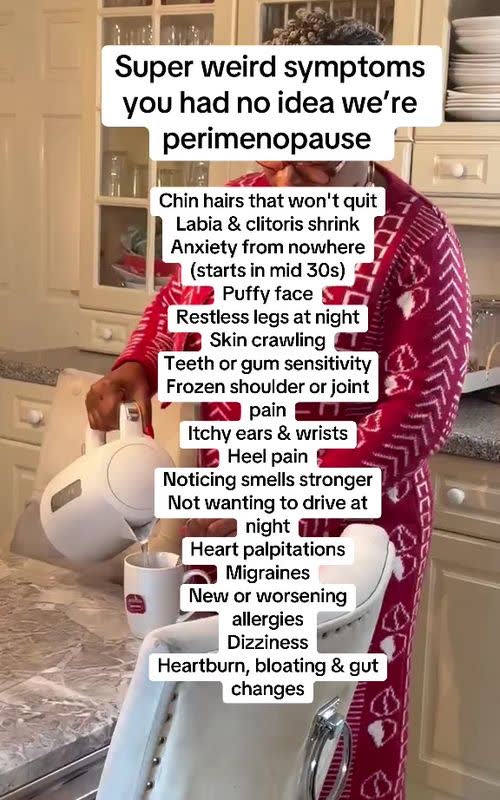 TikTok397.2K35
@edithwellness
19 May 2026
Perimenopause mental health education. Validates 'feeling off' and normalizes hormonal causes for anxiety—fills massive gap in medical literacy for women.
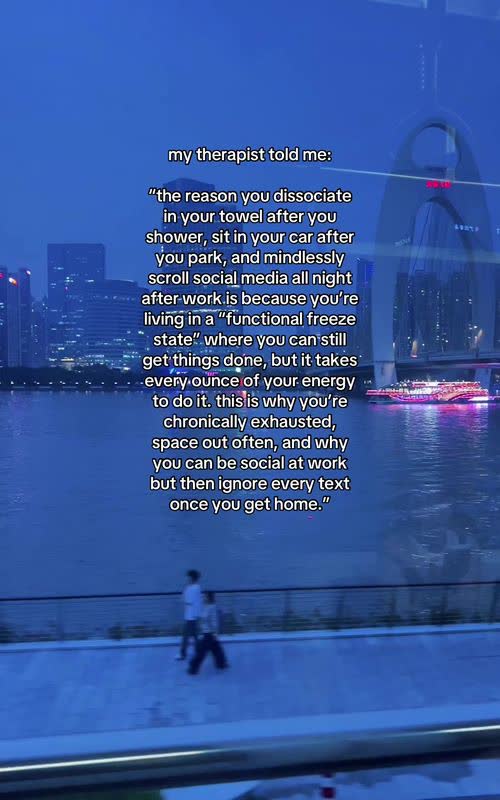 TikTok1.8M42
@resilientmind888
16 May 2026
Nervous system regulation: stress-induced couch paralysis. Reframes rest as clinical symptom, not laziness—audiences engage because it validates their exhaustion.
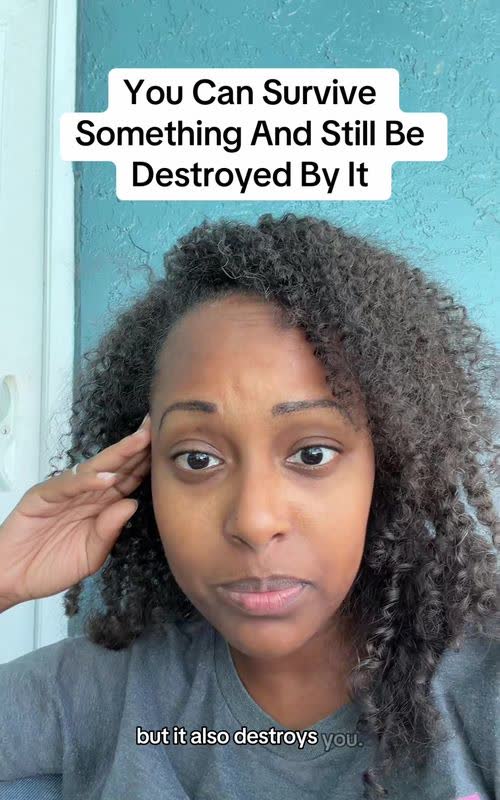 TikTok321.9K27
@tisheilajustice
17 May 2026
Trauma therapist myth-busting: 'what doesn't kill you makes you stronger' is false. Validates permanent change and invisible survival—audiences save for personal validation.
 TikTok22.2K22
@kiragr33n
19 May 2026
Before/after mental health transformation (48 hours apart). Faith-based messaging + direct 'you're not alone' CTA creates urgency and community support signal.
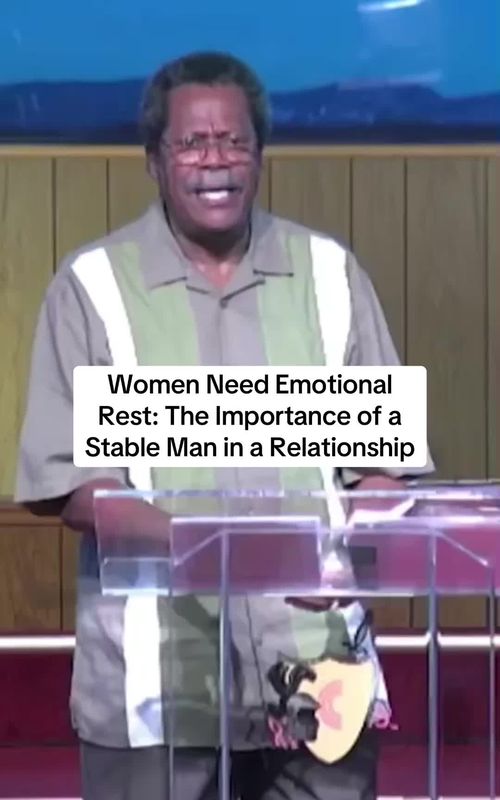 TikTok193.4K26
@christcommunity
16 May 2026
Long-form relationship psychology: emotional rest requires male stability/purpose. Gender-role framing appeals to specific audience seeking relationship validation framework.
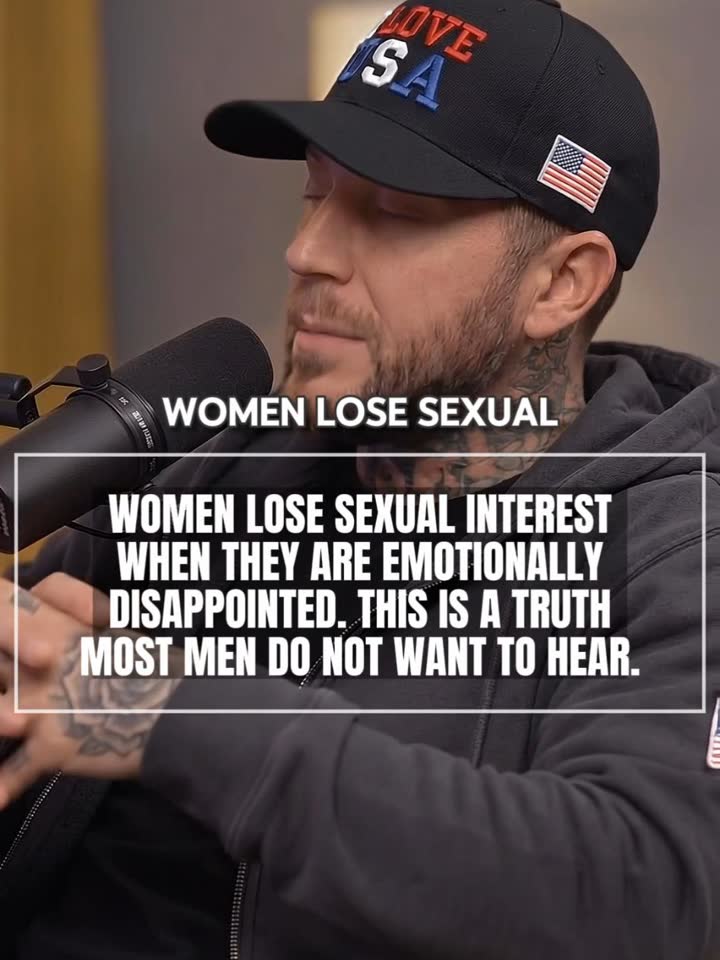 TikTok5.3M38
@itravismiller
17 May 2026
High-virality relationship content (3.3M views): women lose sexual interest without emotional safety. Emotional connection reframed as mental health necessity, not luxury.
 TikTok16.4K21
@lovestruck_journey
14 May 2026
Impostor syndrome + mental health support messaging. Direct 'speak up, you're not alone' CTA with personal credibility builds community trust and engagement.
 TikTok112.9K19
@beautyhealthlifestye
19 May 2026
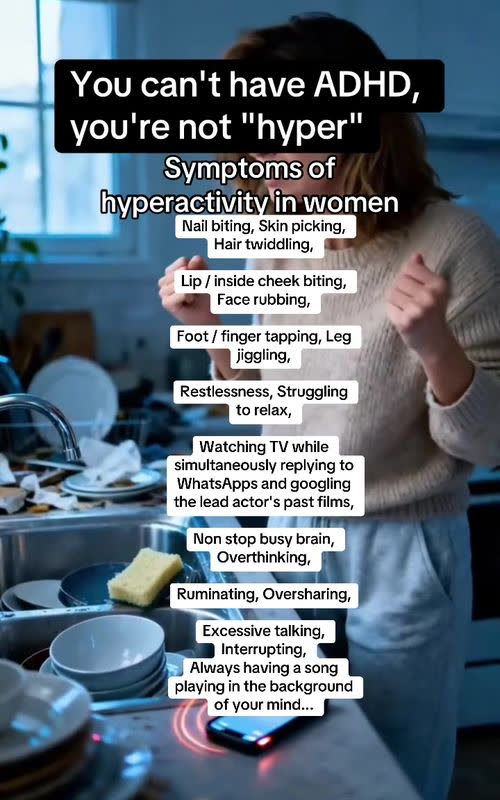
ADHD in women education: 'mind never switches off' vs. hyperactivity stereotype. Validates missed diagnoses and normalizes neurodivergent mental health struggles.
 TikTok242K18
@rrifx
17 May 2026
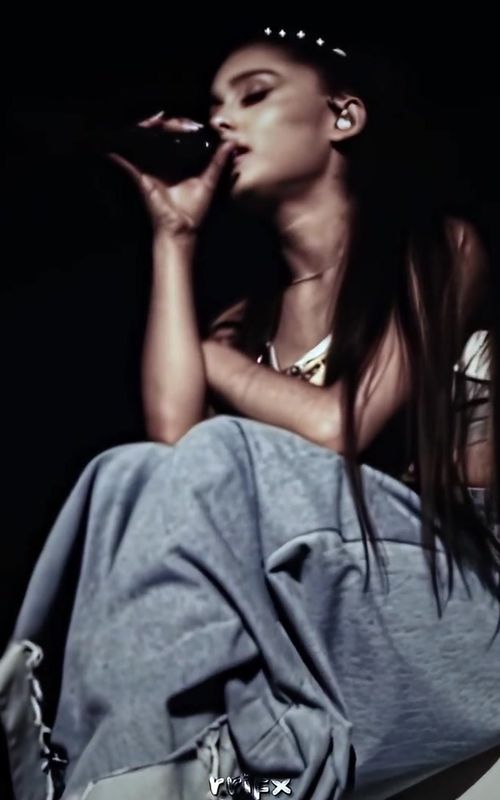
Off-topic: Ariana Grande mental health awareness edit. Celebrity mental health authority format—uses influencer credibility to drive engagement on awareness content.
 TikTok1.3M11
@bayleegrover
18 May 2026
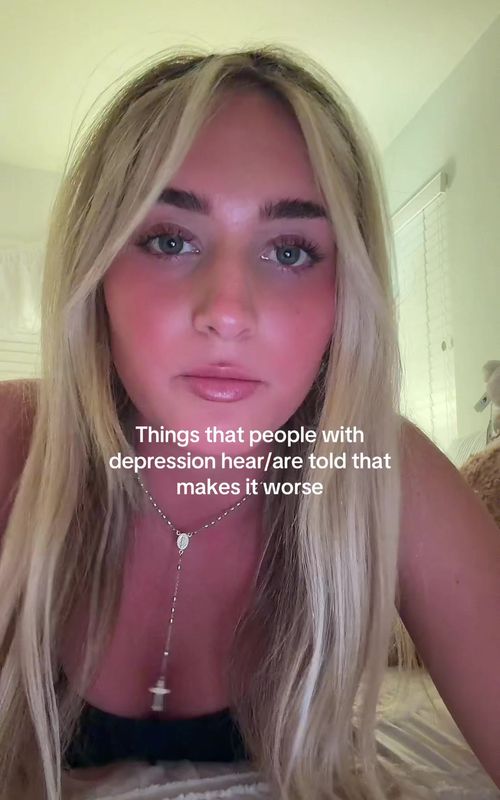
High-engagement affirmation content (846K views). 'Be mindful with what you say' messaging paired with aesthetic visuals creates shareable mental health support mantra.
Hooks that work
The opening lines behind the best videos. This agent holds 172 of them.
- Story tease534.1K
“Well, I spend a lot of time thinking about how much I hate my body and my mind, and it's changing.”
@herstasishealthWatch - Bold claim390.7K
“Super weird symptoms you had no idea we're perimenopause…”
@edithwellnessWatch - Bold claim192K
“Mental Health and Menopause 7 symptoms of menopause that can f*ck with your mental health…”
@kissbea.realWatch - Story tease319.6K
“I'm 340 pounds I'm depressed…”
@xoclaraofficialWatch - Direct address474.1K
“let's talk symptoms of adhd in women…”
@MelissaShepardMDWatch
Breakout creators
Accounts pulling far more views than their following, worth watching in this niche.
@De-Stressed
YouTube
- followers
- 65.6K
- avg views
- 4M
@psychologist.sabeeha
Instagram
- followers
- 6.6K
- avg views
- 1.1M

@counsellingwithnic
Instagram
- followers
- 1.4K
- avg views
- 548.6K

@shannonononnn
TikTok
- followers
- 6.9K
- avg views
- 820.8K

Women mental health: questions, answered
From what the agent found in this niche, as of 21 May 2026.
What women’s mental health content ideas are trending?
- Rising themes include perimenopause and menopause mental health, emotional exhaustion, nervous system shutdown, and clinical diagnosis literacy. Videos can explain why anxiety, irritability, overstimulation, zoning out, or feeling “just tired” may have deeper causes. Trauma reframing remains relevant through survival stories that reject the idea that trauma automatically makes someone stronger.
What video formats work for women’s mental health content?
- Three formats stand out: expert myth-busting, symptom checklists, and direct personal narratives. @eugene_lipov_md explains that depression is not the same as sadness and pairs the claim with symptoms. @resilientmind888 reframes couch paralysis as a stress-related nervous system response, while @liamctxasip uses a breakup narrative about rebuilding alone.
Which hooks perform for women’s mental health videos?
- Tutorial promises, bold claims, relatable anxiety scenarios, and shock statements are prominent hook styles. Examples include “How to heal from your trauma and how to understand yourself better,” “too much stress will give you an autoimmune disease,” and “if you met me you wouldn’t think suicide almost took my life.”
What women’s mental health topics are rising?
- Perimenopause and menopause education is rising because creators validate women who feel “off” or have experienced years of misdiagnosis. Emotional exhaustion and nervous system shutdown are also rising, particularly videos describing zoning out, irritability, and being “just tired” as signs of depletion rather than laziness. Clinical education on depression, OCD, ADHD, and autism is another rising theme.
Which creators should I watch for women’s mental health content?
- TikTok examples include @edithwellness for perimenopause education, @tisheilajustice for trauma myth-busting, @despondentspirit for an unfiltered OCD medication discussion, and @feminworth for boundary-setting relationship psychology. Breakout creators include @De-Stressed on YouTube, @psychologist.sabeeha and @counsellingwithnic on Instagram, and @shannonononnn on TikTok.
How does women’s mental health content differ across TikTok, YouTube, and Instagram?
- The listed top-performing examples are concentrated on TikTok, including PCOS education from @milahabsy, depression education from @eugene_lipov_md, and relationship psychology from @feminworth. Breakout creators appear across all three platforms: @De-Stressed on YouTube, @psychologist.sabeeha and @counsellingwithnic on Instagram, and @shannonononnn on TikTok.
Build a research agent like this
Tell Virlo what you make or sell. It finds the videos breaking out on TikTok, YouTube Shorts and Reels, and tells you why they work.