Micro-Influencer Marketing Strategy: How to Build Campaigns That Drive Authentic Engagement
Micro-influencer campaigns perform best when they’re built on clear objectives, informed by what’s already working, and paired with careful vetting of the right creators. This guide walks through how to build campaigns that drive authentic engagement and measurable growth.

Darcy Cudmore
Professional Blog Writer
Darcy Cudmore is the founder of RepuLinks, a digital PR and SEO agency helping brands earn authoritative media coverage, backlinks, and visibility in search. He writes about PR strategy, content marketing, AI search, and how companies can build credibility through smarter online visibility.

Micro-influencers have become one of the most powerful ways for brands to reach highly engaged niche audiences without the price tag of celebrity endorsements. But contrary to what many people think, success goes beyond simply selecting a creator with the right follower count, writing them a check, and calling it a day.
This guide walks you through a practical micro-influencer marketing strategy so you can generate authentic engagement from your target audience and drive measurable business growth. Along the way, you'll also learn how short-form video intelligence can remove much of the guesswork before you invest your time, effort, or marketing budget.
What Is a Micro-Influencer Marketing Strategy?
Micro-influencer marketing is a form of influencer marketing that works with creators who typically have between 10,000 and 100,000 followers. Although their total reach pales in comparison to that of macro influencers or celebrities, their strength lies in cultivating tight-knit, highly engaged communities.
The more engaged the community, the more likely they are to interact with branded content, trust product recommendations, and take meaningful action. As such, micro-influencers are particularly valuable collaborators if you're looking to break into a niche market or build awareness among a new target demographic.
Of course, identifying the right micro-influencers and building genuine relationships with them is only one part of the equation. Clear campaign objectives and well-defined success metrics are equally important ingredients in an effective micro-influencer marketing strategy.
Why Brands Invest in Micro-Influencers
Affordability
Working with micro-influencers is often a more cost-effective way to approach influencer marketing for several reasons. First, speaking purely from a talent fee perspective, they generally charge less than macro influencers or celebrity creators, making campaigns more accessible to brands with modest budgets.
Better yet, compensation isn't always a straightforward cash payment. Depending on the creator, campaign, and niche, some micro-influencers are happy to work in exchange for gifted products or a hybrid arrangement that combines products with a reduced fee.
Last but not least, this affordability and flexibility give brands, especially startups and smaller businesses, the opportunity to collaborate with multiple micro-influencers.
Rather than putting all their eggs in one basket with a single high-profile creator, the same budget can generate exposure across several closely related audience segments, helping brands expand their reach while reducing the risk of relying on just one partnership.
Higher Engagement From Stronger Audience Trust
One might argue, "Well, celebrities have a lot more followers, so surely they'll generate more engagement." If we're talking purely about overall reach and total impressions, that's often true.
But engagement can mean many things. Yes, it could mean more eyeballs, likes, or comments simply because more people see the content. Then again, it could also mean reaching an audience that's already positioned to take action after consuming content, whether that's making a purchase, signing up, downloading an app, or trying a product — the latter is where micro-influencers shine.
Their communities are often built around a specific niche, and followers tend to have stronger trust in the creator's recommendations. You'd be surprised how many creators with relatively modest followings have generated thousands of dollars in revenue or sold out products, outperforming much larger influencers where it matters most: business results.
Access to niche audiences
Micro-influencers build their following around a specific interest, whether that's home workouts, budget travel, skincare routines, or personal finance — that's old news.
But if you're a brand trying to drill down into a very specific community, say, you're promoting an app for people over 50 changing careers or a parenting product designed for stay-at-home dads, micro-influencers are one of your best options to earn their attention and build credibility within the circle.
How to Build a Successful Micro-Influencer Marketing Strategy
Step 1: Define your campaign objectives
Every micro-influencer campaign performs better when the goal is clearly defined before any creator outreach begins.
Are you driving awareness for a new product? Looking for leads or sales? Or are you simply trying to have somebody create user-generated content for your brand?
Without a clearly defined objective, it's easy for the campaign to lose direction. You may find yourself constantly changing which creators to work with, the type of content to produce, or even how success should be measured, none of which has anything to do with the micro-influencers themselves.
Simply put, it leads to unnecessary revisions, wasted budget, and a campaign that's far less efficient than it could have been.
Step 2: Understand What Content Types Are Working in Your Niche
After defining your campaign goals, the common approach is to immediately ask, "Who should we work with?" and start creating a shortlist of micro-influencers to potentially partner with. There's nothing inherently wrong with that. However, we'd argue there's an even better way to go about it.
Since much of today's influencer marketing happens through short-form videos on platforms like TikTok, Instagram Reels, and YouTube Shorts, it makes sense to first understand what's already winning in your niche, then build your shortlist around the creators consistently producing that high-performing content.
This is exactly where a short-form video intelligence platform like Virlo can help. Virlo enables marketing teams to identify top-performing content formats, winning hooks, trending topics, storytelling styles, and creators consistently producing outlier content, all before investing time, budget, or creative resources into a campaign.
Doing so gives you a much stronger basis for creator selection. Instead of assessing creators in isolation, you're evaluating them against content patterns audiences are already responding to.
More importantly, you're choosing creators who have already demonstrated an ability to produce content that resonates with your target audience, making your investment much less of a guessing game.
Step 3: Vet micro-influencers further
By this point, you should already have a shortlist of potential micro-influencers based on the content consistently performing in your niche. The next step is to vet those creators further to determine whether they're genuinely the right fit for your brand and campaign.
A good creator isn't necessarily the right creator. Look beyond individual viral videos and evaluate factors such as:
Audience fit: Does their audience reflect the demographics and interests you're trying to reach?
Brand alignment: Do their values, tone, and overall image naturally complement your brand?
Content quality and consistency: Are they consistently producing high-quality, engaging content, or are they riding the success of one viral post?
Previous brand partnerships: Have they worked with competing brands recently? Do sponsored posts still feel authentic and believable?
Professionalism: Are they responsive, reliable, and capable of delivering content that meets campaign requirements?
Topical authority: Have they consistently demonstrated expertise or first-hand experience in the topics they create content about, making them well-positioned to authentically represent your product or service?
Step 4: Provide micro-influencers with a clear creative brief
A well-written creative brief gives micro-influencers the context they need to create content that aligns with your campaign while still feeling authentic to their audience.
At a minimum, your brief should clearly communicate the following:
campaign objective
target audience
key messages
deliverables
timeline
content requirements (tone, visual elements, etc.)
disclosure guidelines
other of your brand's DO’s and DONT’s.
This is also a good opportunity to draw from the insights you gathered in Step 2. If you've already identified winning hooks, content angles, storytelling styles, or video formats within your niche, include them as creative inspiration in the brief.
At the same time, resist the temptation to script every second of the video. Remember, this is a partnership. Furthermore, the creator understands their audience better than anyone else and knows how to communicate in a way that feels natural on their platform. Invite them to contribute ideas, suggest creative angles, and adapt your brief where appropriate.
Step 5: Track performance throughout the campaign
Don't wait until the campaign ends before looking at the numbers. Tracking performance throughout the campaign gives you the opportunity to spot what's working early and make adjustments and budget reallocations where needed.
It also allows you to double down on creators or content that's outperforming expectations and pause underperforming ones before more resources are committed.
The metrics that matter ultimately depend on your campaign goals, but some of the most common ones include:
Reach and views: How many people saw the content?
Engagement: Are people liking, commenting, sharing, and saving the posts?
Watch time or video completion rate: Are viewers actually staying to watch the content?
Clicks: Are people clicking through to your landing page or website?
Conversions: Are those clicks turning into sign-ups, downloads, purchases, or whatever action your campaign is trying to achieve?
Creator-specific performance: Which creators are generating the strongest results relative to your objectives?
Most of these metrics can be tracked using the native analytics provided by TikTok, Instagram, and YouTube, or through an all-in-one short-form video intelligence platform like Virlo, which brings insights from all three platforms into a single place.
If your campaign goals include downstream actions such as website traffic, sign-ups, purchases, or other conversions, you'll also need a web analytics tool like Google Analytics to measure what happens after users leave the social platform.
Additional Tips for Better Micro-Influencer Campaigns
Even with a well-planned strategy, there are a few best practices that can help improve your chances of running a successful micro-influencer campaign. Here are a few worth keeping in mind:
Don't reinvent the wheel
Before brainstorming campaign ideas from scratch, study what's already working in your niche. Viral hooks, unique angles, visuals, and CTAs can all serve as inspiration for your creative brief while still leaving room for creators to make the content their own.
Don't choose creators based solely on follower count
Larger audiences don't automatically translate into better results. Give more weight to audience fit, niche expertise, content quality, and a creator's ability to consistently produce content that resonates.
Don't copy competitors without understanding why their content worked
Taking inspiration from successful campaigns is one thing; copying them outright is another. Focus on identifying the underlying patterns behind their success, then adapt those principles to fit your own brand.
Don't micromanage creators
Give creators clear objectives and brand guidelines, but avoid scripting every detail. The best-performing influencer content usually feels authentic because creators communicate in a style their audience already knows and trusts.
Keep monitoring your niche
The digital marketing landscape evolves quickly. New creators emerge, trends shift, and audience behavior changes. Continue monitoring your niche throughout the campaign so you can spot new opportunities and adjust your strategy when needed.
Find winning creators before everyone else does
By the time a creator becomes the obvious choice for every brand, they may already be in high demand or working with competitors.
Video intelligence platforms like Virlo help uncover creators consistently producing high-performing content early, allowing brands to identify promising partnership opportunities before they become everyone's first choice.
Build Better Micro-Influencer Campaigns With Virlo
Micro-influencer campaigns perform best when they’re built on clear objectives, informed by what’s already working, and paired with careful vetting of the right creators. Without this alignment, teams can easily fall back on guesswork, making it harder to predict outcomes and scale what’s already working.
Virlo helps you identify winning content patterns and the creators behind them, so your team can make informed campaign decisions before spending time, budget, or creative resources. Get started with Virlo today!
See What's Trending Right Now
- Social listening for TikTok, Reels & Shorts
- Spot viral trends before they peak
- Turn insights into ads, scripts & briefs
The Signal Newsletter
Weekly trend breakdowns, creator insights, and social listening tips — straight to your inbox.
Subscribe FreeSee Virlo in action
See What's Trending Right Now
- Social listening for TikTok, Reels & Shorts
- Spot viral trends before they peak
- Turn insights into ads, scripts & briefs
The Signal Newsletter
Weekly trend breakdowns, creator insights, and social listening tips — straight to your inbox.
Subscribe FreeRelated Articles
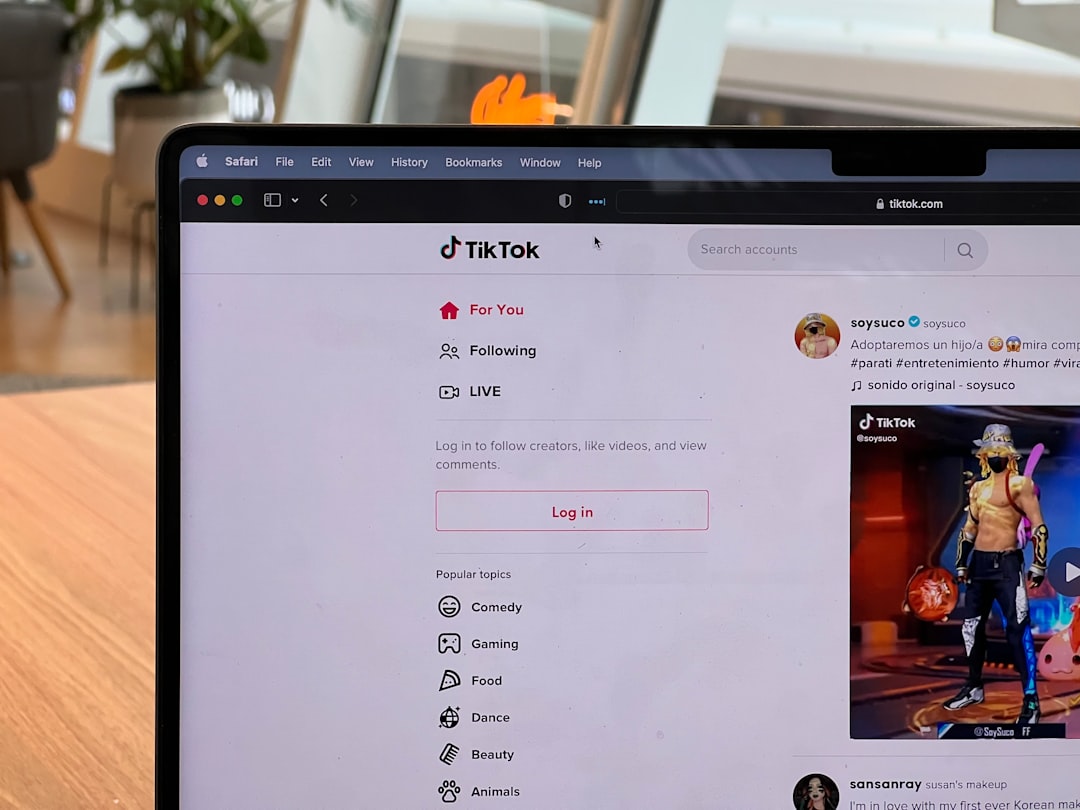
How the TikTok Algorithm Works in 2026
Every TikTok scroll is a decision the algorithm made for you. The For You Page (FYP) isn't chronological, isn't follower-based, and isn't random — it's a recommendation engine ranking millions of videos against signals about what you, specifically, are likely to watch to the end. For creators, th...
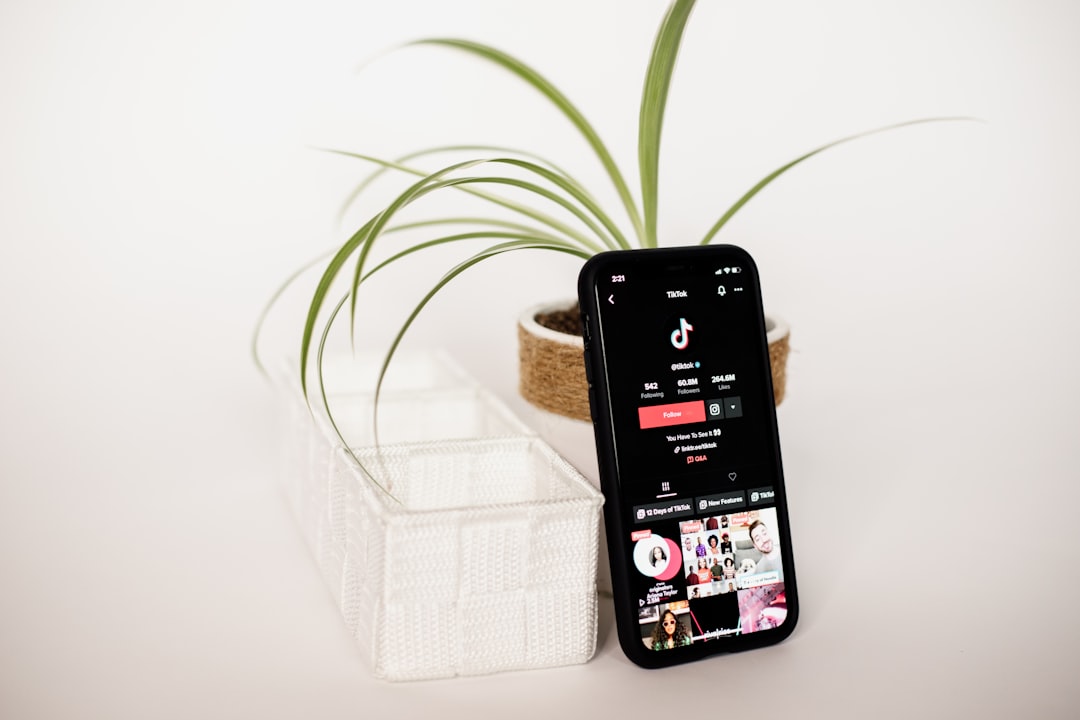
7 Best TikTok Content Strategy Tools for Brands in 2026
Most brands approach TikTok backwards. They create content, post it, and then look at the analytics to figure out why it did or didn't work. By the time that feedback loop completes, the content window has passed. The brands winning on TikTok in 2026 are doing it the other way around: they know w...

How To Get Verified On Instagram in 2026
Instagram verification in 2026 works two ways: apply free for the Notable badge or pay for Meta Verified. Here's what each path requires and how to give yourself the best shot.
Put this into practice with Virlo
Turn what you just read into real research. These are the tools creators, agencies, and brands use to find what's working on short-form video.
Content Research Agent
Run your short-form research on autopilot — outliers, creators, and sounds across TikTok, Reels, and Shorts.
Tracking Center
Monitor breakout creators, videos, and competitors with daily snapshots and deep AI analysis.
Free Data
Explore free viral hooks, trending niches, breakout products, and more — no account required.
Get The Signal
Join creators, marketers, and agencies getting weekly trend breakdowns and social listening insights delivered free.
Subscribe to the Newsletter
Stop Guessing. Start Knowing.
Join thousands of digital entrepreneurs using data to take the guesswork out of capitalizing on trends.