How Will AI-Generated Videos Impact YouTube Shorts Creators?
AI is making YouTube Shorts faster and cheaper to produce, but it’s also creating new challenges for creators. Here’s how AI-generated video could impact competition, monetization, disclosure, copyright, and the future of short-form content.
Darcy Cudmore
Professional Blog Writer
Darcy Cudmore is the founder of RepuLinks, a digital PR and SEO agency helping brands earn authoritative media coverage, backlinks, and visibility in search. He writes about PR strategy, content marketing, AI search, and how companies can build credibility through smarter online visibility.
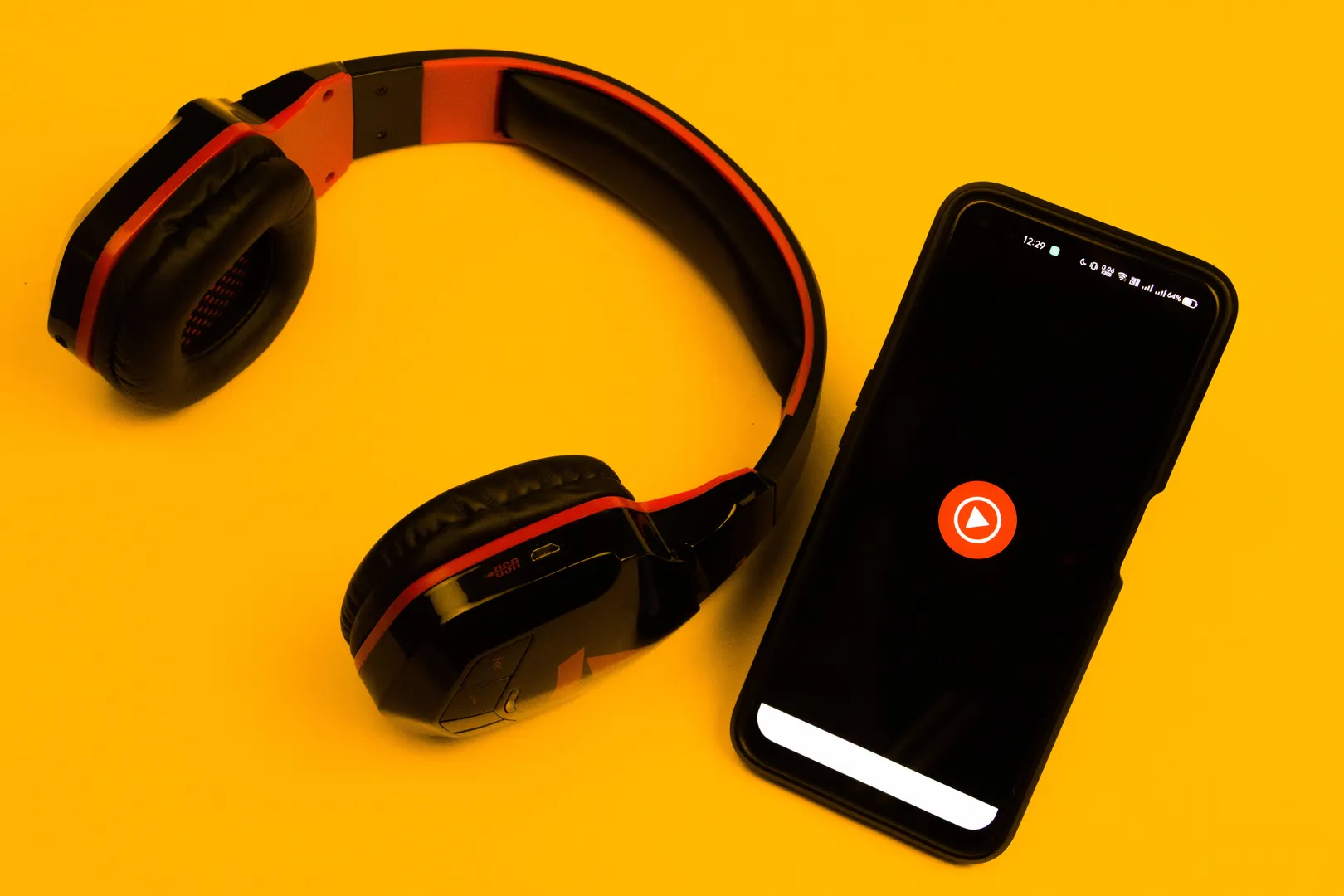
AI is removing much of the friction that once came with producing YouTube Shorts. Scripts, voiceovers, visuals, editing, and even entire videos can now be created faster and at a fraction of the cost, opening the door for anyone to produce more content without a large production budget.
At the same time, AI could prove to be as much a bane as a boon for creators. Easier production means more competition for attention, while the growing use of AI raises its own questions around monetization, disclosure, copyright, and even what happens when someone uses it to imitate your work or identity.
So, where does that leave YouTube Shorts creators? This guide looks at how AI-generated video could change the Shorts landscape and what creators should know as AI video generation becomes a bigger part of content production.
How AI Videos Change the Shorts Landscape
Competition for Attention Will Become Fiercer
An existing creator can take one long-form video and generate multiple Shorts from it in minutes. Lower production costs allow marketing teams to produce more short-form content in-house, while new creators can enter the game without the equipment or production budget that might have kept them on the sidelines before.
In other words, the same economics that make AI valuable to one creator also lower the barrier for everyone else competing for the same viewers.
We're already seeing just how quickly AI video production is growing. Industry data compiled by Report AI estimates that AI video generation volume increased by roughly 840% between January 2024 and January 2026, while monthly active users across AI video platforms surpassed 124 million by January 2026.
The good news? As Shorts production becomes easier and cheaper for practically everyone, knowing what to create becomes more important than knowing how to create it.
That's where content intelligence platforms can give you an edge. Virlo's Content Research Agent shows you the exact hooks, formats, and outlier videos already gaining traction in your niche. There's no need to rely on guesswork when you have a research-backed basis for deciding what worth creating in the first place.
Human Creators Will Become More Valuable
Chances are you've encountered your fair share of nonsensical AI videos and animations by now. They were amusing the first few times they appeared, but quickly became instant-scroll material as people grew tired of seeing them pop up every few scrolls.
Of course, that's just the shallow end of what generative AI can do. Today's AI tools can produce remarkably polished short-form content. An ecommerce brand can take a single product image and generate multiple video angles, backgrounds, and creative variations without organizing a new shoot for each one.
However, if everyone starts producing the same polished, faceless creative that AI is particularly good at making, something else becomes scarcer: the unmistakably human qualities behind a video.
Firsthand experiences, lived expertise, personality, spontaneous reactions, production flaws. All these can give viewers the human connection that a perfectly rendered AI video can't easily reproduce.
That presents creators with an opportunity. Rather than outsourcing the entire creative process to AI and ending up with content that resembles everything else generated from similar models and prompts, you can let AI handle the parts that make production faster or cheaper while keeping yourself front and center.
You can already see the value of that human presence in short-form UGC for ecommerce. A real customer holding the exact product, explaining how they use it, showing what happened, and then giving a candid testimonial carries that sense of authenticity.
AI avatars and generated voices are getting remarkably convincing, but at the moment, they can still give off that uncanny valley feeling, and it can be downright off-putting.
Viewers May Care Less About Whether Creators Use AI
This might sound contradictory to the previous point about human creators becoming more valuable. But think for a moment about CGI. When was the last time you refused to watch a movie simply because you knew it used CGI?
The technology has become such an ordinary part of filmmaking that what usually matters more is whether the movie itself is any good. AI-generated video could follow a similar trajectory, and some research already points in that direction.
A 2025 CHI study found that labels indicating content was AI-generated, deepfaked, or edited using AI did not significantly change participants' engagement with the content. In other words, they continued engaging with it despite knowing AI had been involved in its creation.
For creators, there are two takeaways from this:
AI continues to improve as a content production tool. Use it or you’ll lose against creators who use it to produce content faster.
Viewers consume content that's funny, gut-wrenching, useful, or otherwise engaging, whether AI was involved or not. This makes niche research all the more worthwhile.
Niche research is one of the steps creators and marketing teams often skip, and that's a costly mistake. Sure, you could generate dozens of polished Shorts from prompting an AI. But if your prompt was based on nothing but gut feeling, then all you have are dozens of useless Shorts that won't move the needle. As the saying goes, garbage in, garbage out.
Virlo helps address that problem before production begins. It can analyze short-form content across YouTube Shorts, TikTok, and Instagram Reels to surface outlier videos and the hooks and formats behind them.
That gives you actual performance data from your niche to inform what you create with AI, rather than asking AI to generate more videos based largely on guesswork.
Will YouTube Ban AI-Generated Videos?
No, YouTube doesn’t AI-generated videos, nor do they penalize or disqualify a channel from monetization simply because AI was used to create its content.
Where you can run into trouble is how you use AI. In July 2025, YouTube renamed its existing “repetitious content” policy to “inauthentic content” and clarified that repetitive or mass-produced content isn't eligible for monetization.
That includes AI-generated videos that use generic or unoriginal templates and appear to be mass-produced without adding the creator's own perspective or value.
All that said, you can keep using AI to help write or improve scripts, generate captions, create visuals, produce voiceovers or dubs, or execute your own creative concepts.
Can AI Videos Be Monetized on YouTube Shorts?
Yes, AI-generated YouTube Shorts can be monetized. YouTube has explicitly confirmed that channels using AI-generated content can remain eligible for the YouTube Partner Program (YPP), as long as their content meets its monetization policies.
This means you can run a faceless Shorts channel, use AI-generated voiceovers and visuals, or animate still images without giving up your ability to earn ad revenue. However, you must always keep YouTube's inauthentic content policy in mind.
How Much Does YouTube Pay for AI-Generated Videos?
YouTube doesn't have a separate pay rate for AI-generated videos. If your AI-generated Shorts qualify for monetization, they're paid through the same monetization channels as other eligible Shorts, including ad revenue, YouTube Premium revenue, and fan-funding features such as Super Thanks and channel memberships.
As we covered in our guide on how much money YouTube Shorts can make, ad revenue payouts can vary. Real creator examples we've analyzed ranged from roughly $0.007 to just under $0.16 per 1,000 views, which would put 1 million views somewhere around $7 to $160 at those particular rates.
Do You Have to Disclose AI-Generated Content on YouTube?
You may have to disclose AI-generated content on YouTube. This applies to realistic AI content that makes a real person appear to say or do something they didn't, alters footage of a real event or place, or depicts a realistic event that never actually happened.
On the other hand, you generally don't need to disclose AI used for production assistance. As such, you’re free to use AI to brainstorm ideas, improve a thumbnail, repair audio, or even clone your own voice for a voiceover or dub.
You can make the disclosure through the AI use setting in YouTube Studio when uploading your Short. YouTube will then add an AI label for viewers, which appears directly over Shorts.
What Happens If Someone Uses AI to Copy Your YouTube Shorts?
What you can do about it depends on exactly what they copied.
If Someone Copies Your Actual Short
If another channel reuploads all or nearly all of your original Short, YouTube's Copyright Match Tool may detect the copy automatically. You can review the match, contact the uploader, or submit a copyright removal request.
YouTube also lets copyright owners submit removal requests directly through YouTube Studio. When eligible, you can select Prevent Copies, which tells YouTube to try to stop copies of the removed video from being uploaded again.
Keep in mind that the Copyright Match Tool isn't automatically available to every creator. YouTube provides access to channels in the YouTube Partner Program, as well as certain creators who have submitted a valid copyright removal request or completed its access form.
If Someone Uses AI to Clone Your Face or Voice
YouTube allows you to request removal of realistic AI-generated or altered content that looks or sounds like you through its Privacy Complaint Process.
Each request is reviewed individually to determine whether the content warrants removal. How realistically it imitates you matters, as does whether viewers could clearly identify you. YouTube also takes the video's context into account, including any AI disclosure or use of your likeness for parody or satire.
Another protection available to creators is Likeness detection, which can scan newly uploaded videos for content that may contain an AI-altered or generated version of an enrolled creator's face. If it finds a potential match, you can review the video in YouTube Studio and, where appropriate, submit a likeness removal request.
If Someone Uses AI to Copy Your Idea or Style
This is where things get trickier. Copyright generally protects the original expression of an idea rather than the underlying idea itself. So, being the first creator to use a particular concept, format, or topic doesn't give you the right to stop everyone else from creating something similar.
That's an important distinction as AI makes imitation cheaper. YouTube gives creators tools for protecting their actual copyrighted work and, increasingly, their identity. But your general content ideas and formats can be much harder to keep competitors from replicating.
AI Makes It Easier to Create Content Nobody Wants to Watch
Sure, AI can save you time and money on production, but what good are those savings if the content gets you nowhere?
Here's the thing. Whether you use AI or handle the entire workflow manually, great content with viral potential starts with one thing: research.
Cliché as it may sound, this is where many creators fall short. They either skip research altogether or build their creative brief around assumptions about what their audience wants.
Virlo gives you 24/7 short-form content intelligence on what's working across YouTube Shorts, TikTok, and Instagram Reels. You get a view of outlier videos, the hooks behind successful content, and recurring formats you can adapt to your own brand, giving you a stronger basis for deciding what deserves production before you spend money and time creating content.
Get started with Virlo today and make content intelligence the research layer that comes before AI production.
See What's Trending Right Now
- Social listening for TikTok, Reels & Shorts
- Spot viral trends before they peak
- Turn insights into ads, scripts & briefs
The Signal Newsletter
Weekly trend breakdowns, creator insights, and social listening tips — straight to your inbox.
Subscribe FreeSee Virlo in action
See What's Trending Right Now
- Social listening for TikTok, Reels & Shorts
- Spot viral trends before they peak
- Turn insights into ads, scripts & briefs
The Signal Newsletter
Weekly trend breakdowns, creator insights, and social listening tips — straight to your inbox.
Subscribe FreeRelated Articles
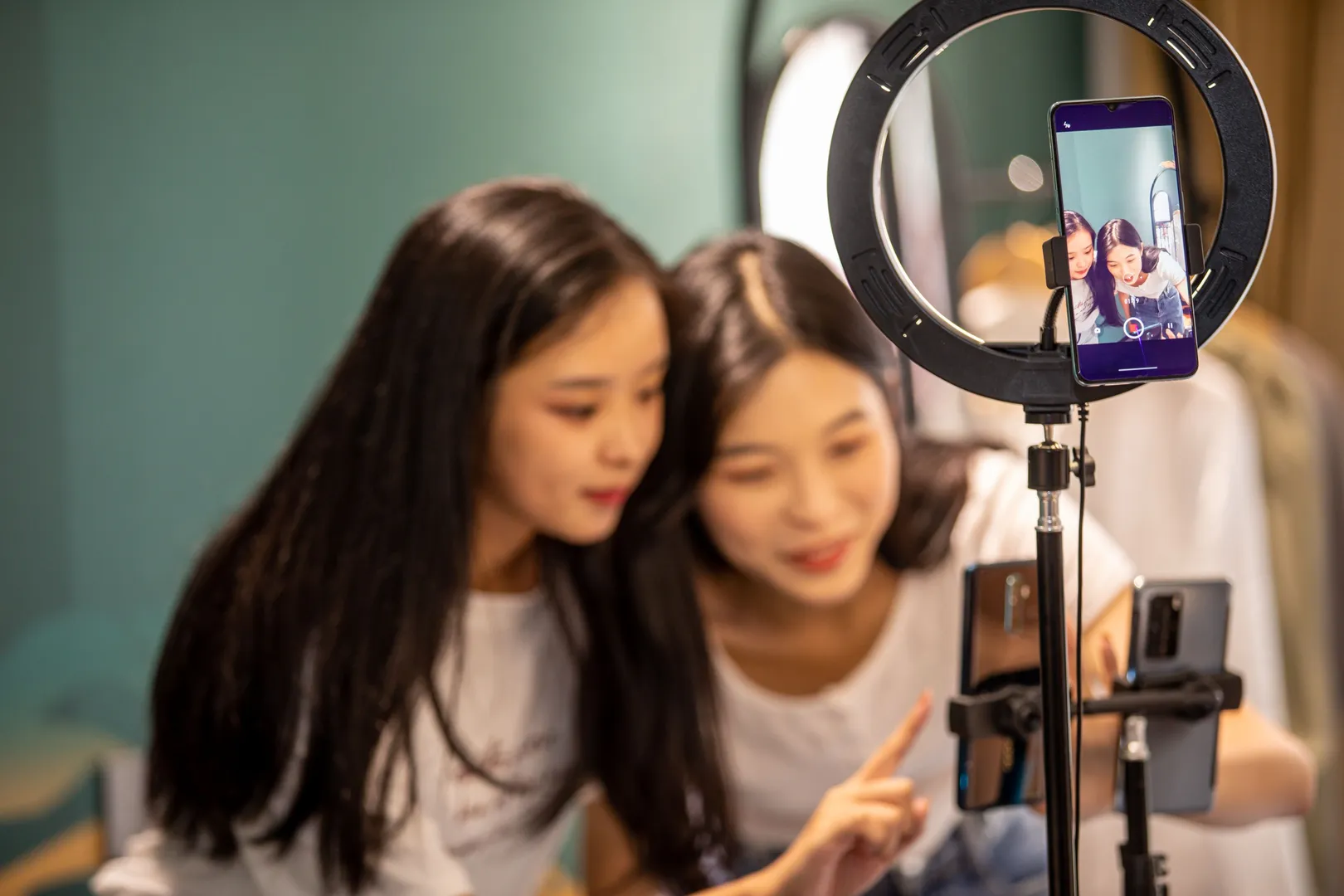
How to Use TikTok to Grow Your Business
Learn how to use TikTok to grow your business with educational content, product demonstrations, customer stories, TikTok SEO, creator partnerships, paid ads, and short-form content intelligence.
7 Best TikTok Competitor Analysis Tools in 2026
If you are managing TikTok content without a clear picture of what your competitors are doing, you are flying blind in one direction. You can see your own numbers. You cannot see what is working for the brands or creators competing for the same audience — which formats are driving their views, wh...

Why the First Few Seconds Matter
Boost TikTok, Reels & Shorts performance with hooks that grab attention in 3 seconds. Discover research-backed tactics, proven templates & AI insights from Virlo to skyrocket retention and engagement.
Put this into practice with Virlo
Turn what you just read into real research. These are the tools creators, agencies, and brands use to find what's working on short-form video.
Content Research Agent
Run your short-form research on autopilot — outliers, creators, and sounds across TikTok, Reels, and Shorts.
Tracking Center
Monitor breakout creators, videos, and competitors with daily snapshots and deep AI analysis.
Free Data
Explore free viral hooks, trending niches, breakout products, and more — no account required.
Get The Signal
Join creators, marketers, and agencies getting weekly trend breakdowns and social listening insights delivered free.
Subscribe to the Newsletter
Stop Guessing. Start Knowing.
Join thousands of digital entrepreneurs using data to take the guesswork out of capitalizing on trends.