Kids Financial Literacy
The most impactful trend is the shift from generic allowance discussions to highly specific, actionable systems like the '3-Jar Method' or 'Invoice-Based Allowance', demonstrating parents' hunger for concrete tools to teach financial literacy.
- videos analyzed
- 522
- total views
- 849.4M
- outliers
- 9
- breakout creators
- 1
What's working in Kids Financial Literacy right now?
Specific, step-by-step money systems are outperforming generic allowance advice, especially tutorials for the 3-Jar Method, weekly allowances, budget binders and mini savings challenges. Relatable demonstrations also work well, including grocery-shopping lessons, children using money cards and storytimes about kids’ saving or side hustles.
- Show a concrete allowance system, such as the 3-Jar Method or Smith Bucks.
- Use tutorial and explainer formats to make children’s money skills easy to follow.
- Feature children sorting cash, using a card or managing a budget binder.
- Turn grocery shopping and chores into practical financial literacy lessons.
- Use storytime to connect money lessons with relatable parenting experiences.
Themes winning now
What people are watching in this niche, from the agent's latest analysis.
- 18 videosNew
Detailed Allowance System Showcases
Parents are actively seeking practical, step-by-step guides for teaching financial responsibility, and these videos deliver by demonstrating tangible systems like the '3-Jar Method' or 'Smith Bucks'.
- 14 videosNew
Kids' Investing & Wealth Building Strategies
Parents are highly motivated by the promise of long-term financial security for their children, making complex investment strategies accessible and aspirational.
- 6 videosNew
Kids' Financial Product Demos
Parents are looking for tools that simplify money management for kids, and product demonstrations offer clear, visual solutions to common challenges.
- 10 videosNew
Relatable Parenting Money Stories
Emotional storytelling and shared experiences create strong relatability, fostering community and encouraging engagement through comments and shares.
Why these videos work
The patterns behind the top videos, from the agent's latest analysis.
- 01
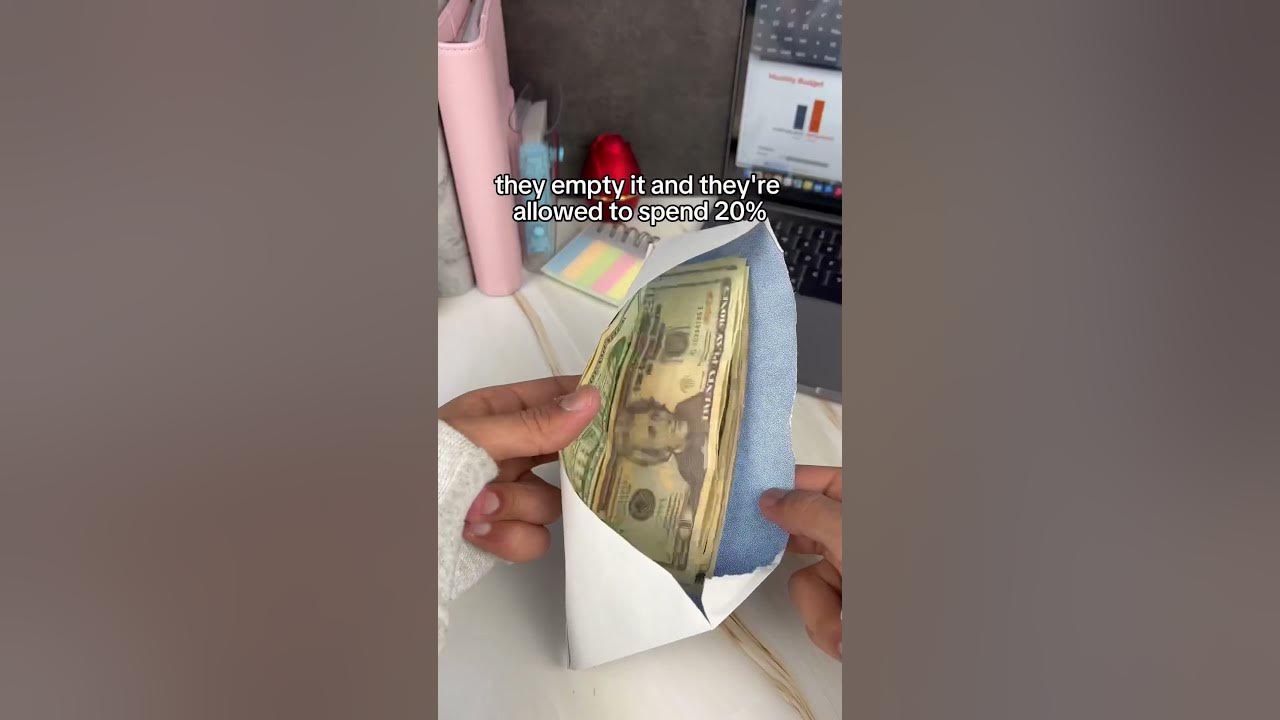
Use 'tutorial' or 'explainer' formats to break down complex financial concepts into digestible steps, like @Budget.With.Milly.'s $5 allowance system.
- 02
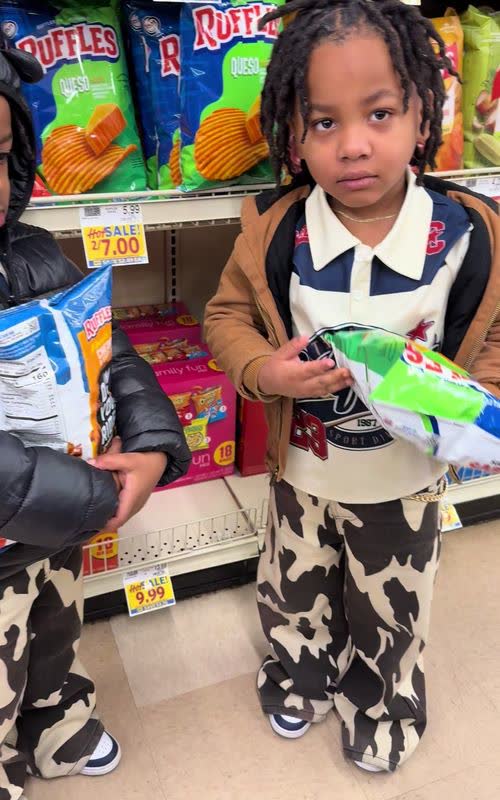
Implement 'day-in-the-life' or 'storytime' narratives to showcase real-world application and emotional impact, as seen in @jestin_jestice's grocery shopping lesson.
- 03
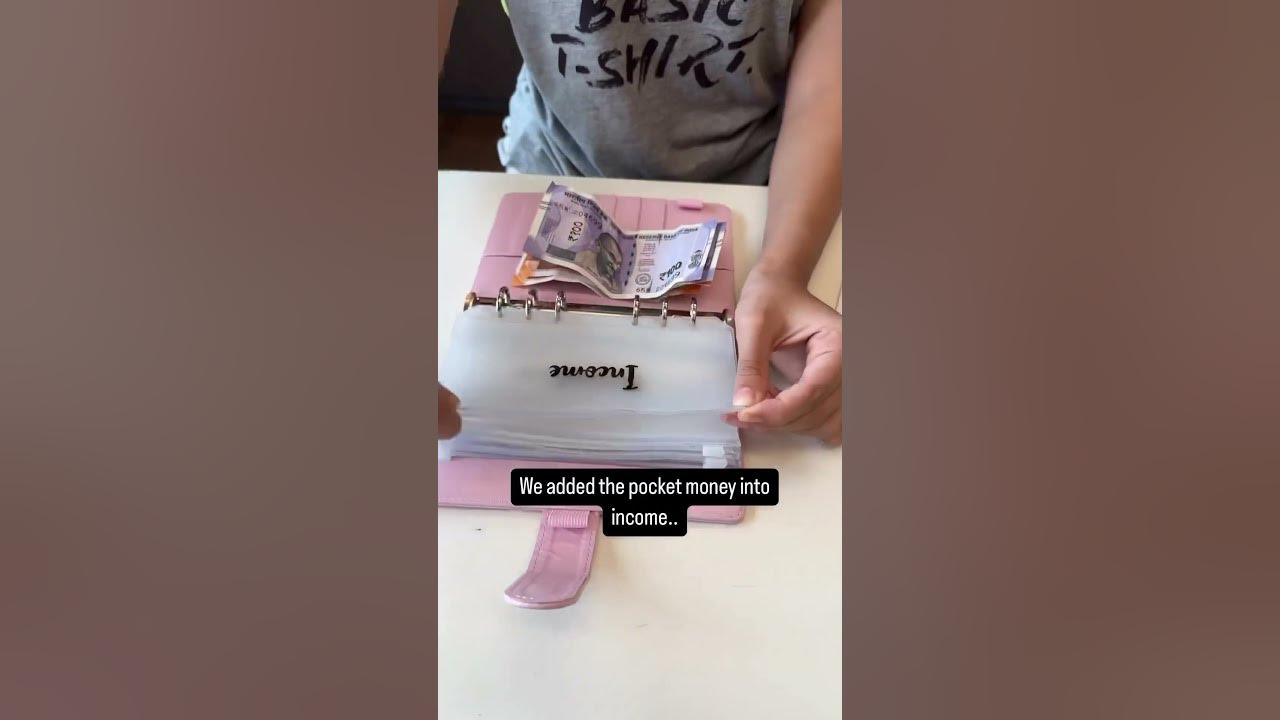
Feature children actively participating in money management, such as Nellie using her GoHenry card or kids sorting cash into budget binders.
The top videos
The ones the agent's latest analysis ranked highest, and why each one worked.
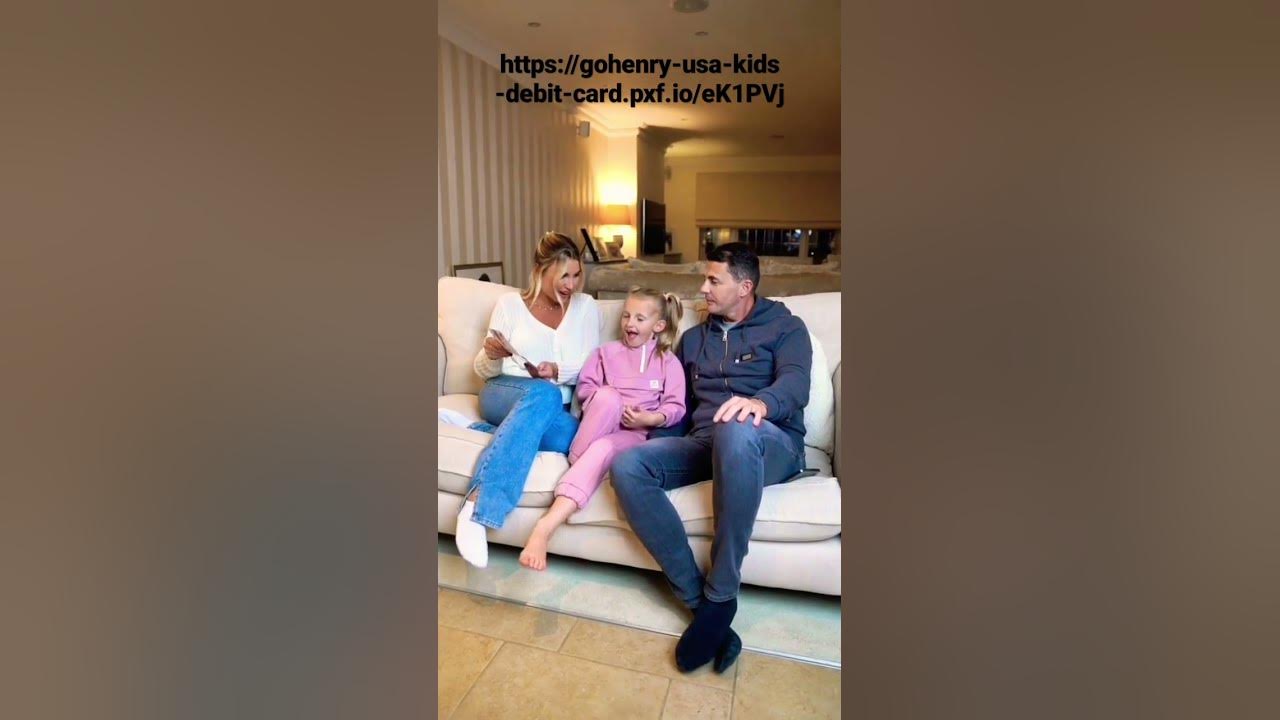 YouTube122.5K34
@billionairemindspace
01 May 2023
Product demo of GoHenry debit card for kids, showing practical application of money skills.
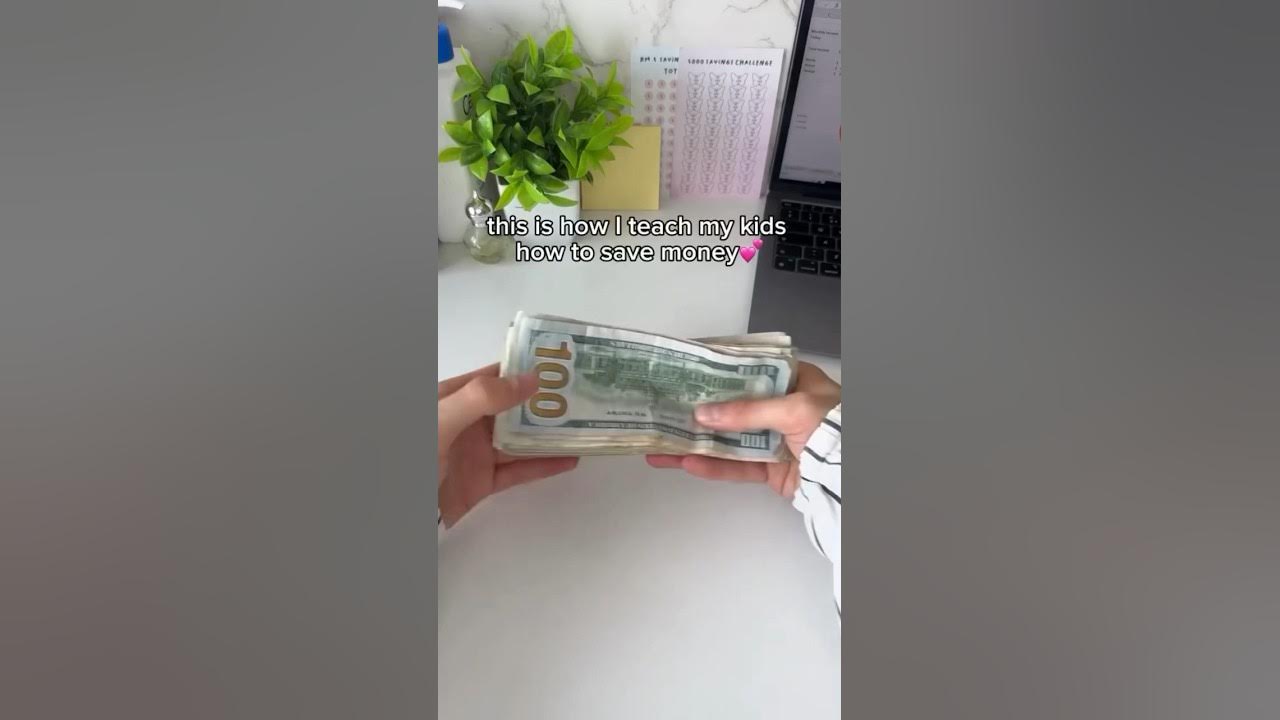 YouTube17.9M61
@Budget.With.Milly.
25 Jul 2024
Tutorial on a weekly allowance system, demonstrating how to teach kids saving habits effectively.
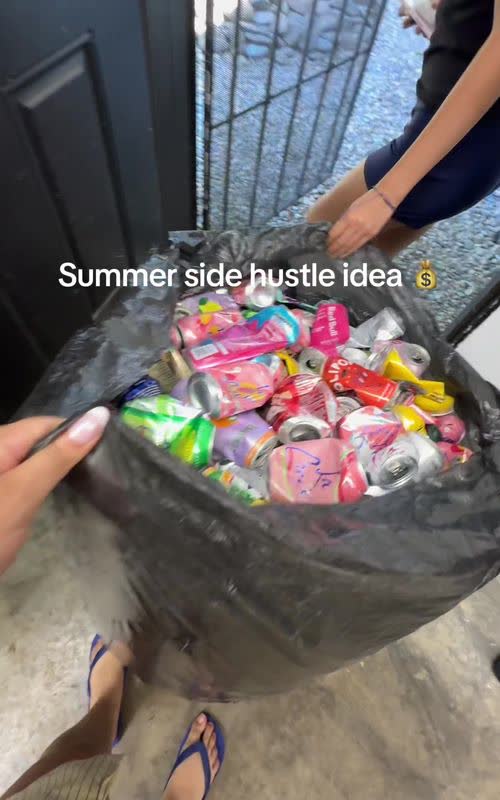 TikTok922.9K46
@carolinescatell
18 Jun 2026
Humorous storytime about a summer side hustle, making financial lessons relatable and entertaining.
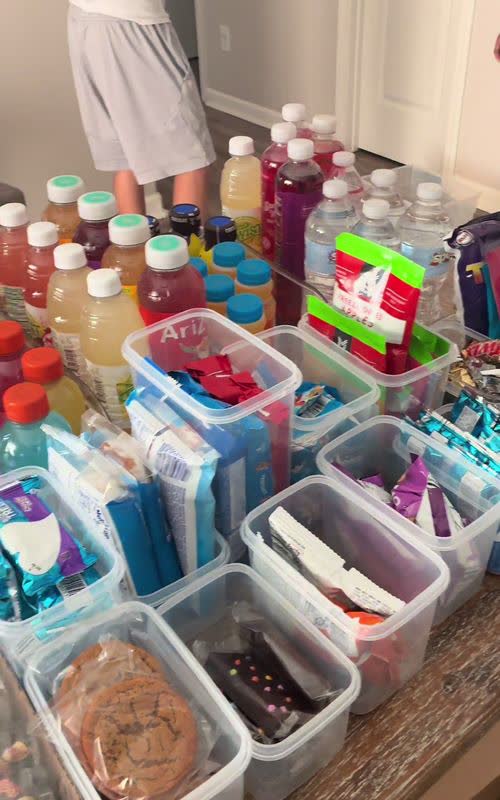 TikTok811.8K42
@keestyleonly
24 Oct 2026
Engaging barter system using Monopoly money for chores, teaching kids value and consequences.
 TikTok1.7M48
@jestin_jestice
13 Oct 2026
Day-in-the-life showing grocery shopping as a financial literacy lesson, making learning practical.
 YouTube1.8M51
@Kiddiegram
01 Aug 2024
Hack for money management using a budget binder, offering a tangible tool for kids.
 YouTube38.6M65
@TrulyBudget
04 Apr 2024
Tutorial on a mini savings challenge booklet, empowering kids to manage their own savings.
 TikTok1.1M48
@benknightinvestments
22 Sept 2026
Explainer on making a child a millionaire by 23, providing aspirational long-term financial goals.
 TikTok675.9K42
@nugchronicle
26 Sept 2026
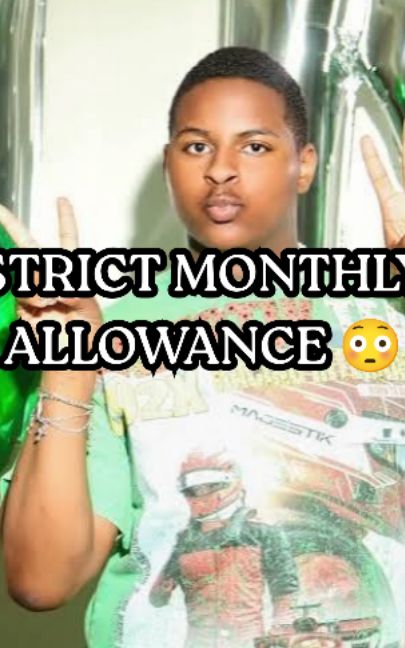
Story about managing a teen's allowance, addressing relatable parenting challenges with humor.
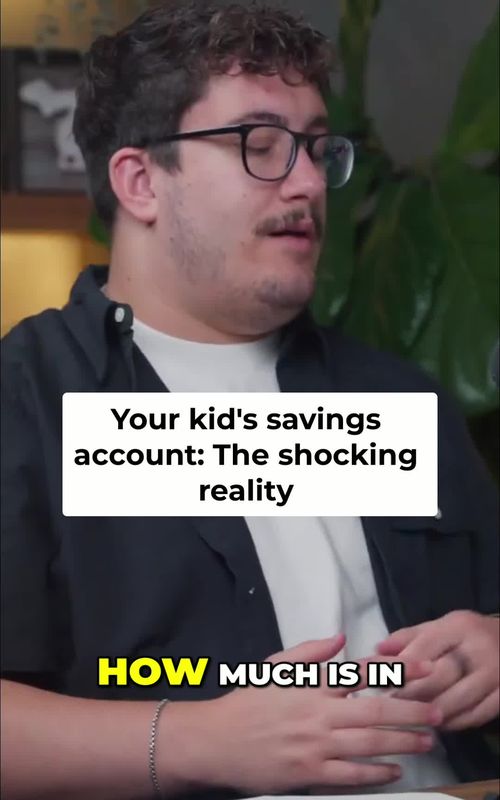 TikTok763.8K46
@lmafinaceclips
23 Jul 2026
Short clip showcasing kids' savings account balances, inspiring early financial planning.
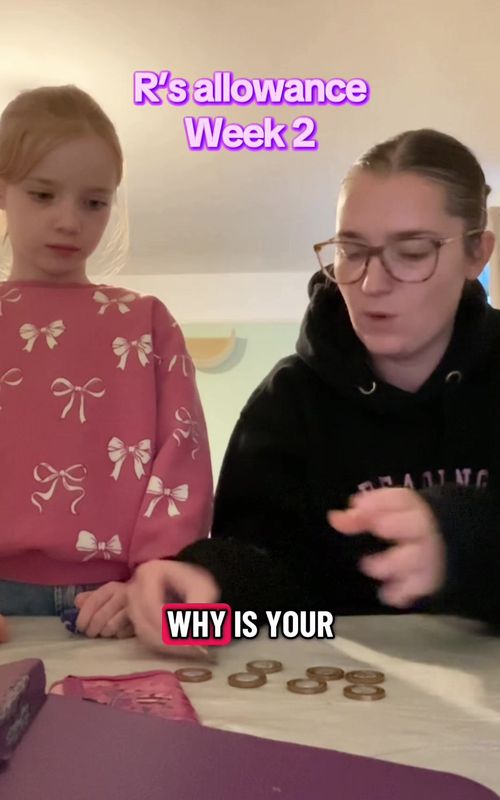 TikTok289.2K38
@thebethbevan
18 Nov 2026
Detailed weekly allowance breakdown, demonstrating practical budgeting and saving for specific items.
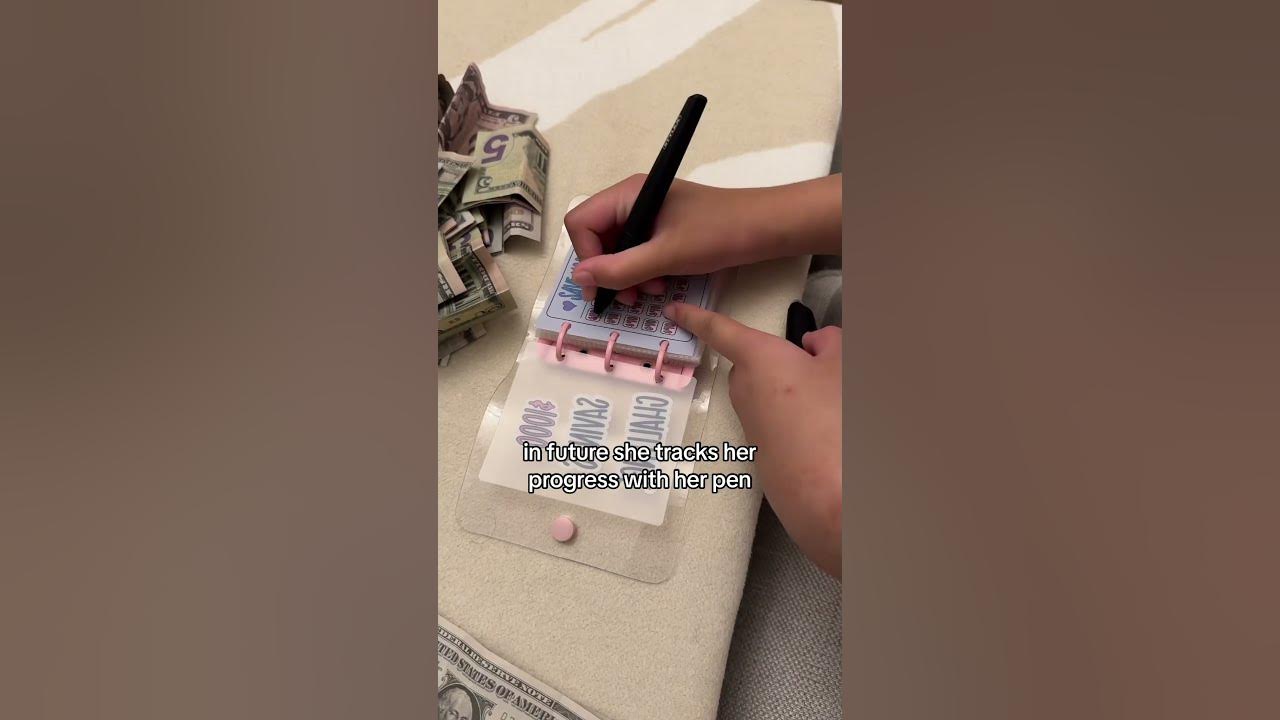 YouTube264.9K37
@Tenkayboxco
28 Jul 2024
Storytime about teaching kids to save money, emphasizing consequences of not learning.
 Instagram85.8K32
@karmelleor
09 Jul 2026
Product promotion for 'Fiscal Kids' book, offering a direct solution for money skills education.
 TikTok76.3K32
@themomentclub
11 Nov 2026
Storytime about an unconventional 'trust fund' lesson, highlighting mindset over just money.
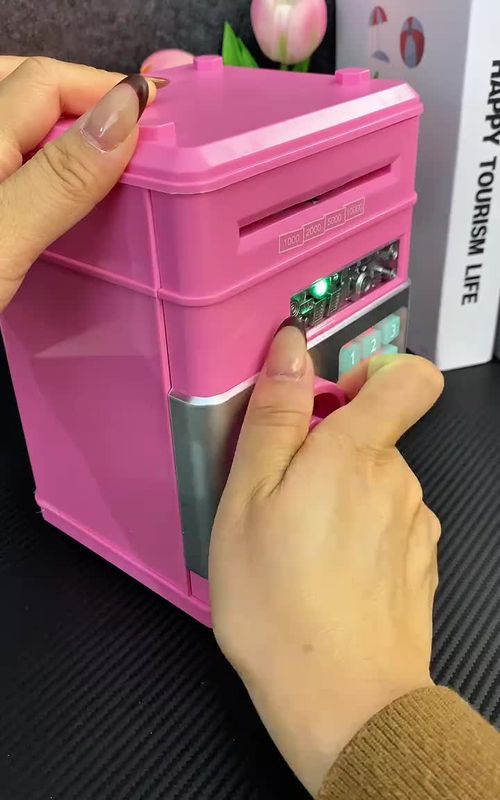 TikTok65.1K31
@brightandcozy
17 Nov 2026
Product demo of a 'Kids ATM' piggy bank, making saving interactive and fun.
Hooks that work
The opening lines behind the best videos. This agent holds 75 of them.
- Tutorial promise17.8M
“this is how I teach my kids how to save money every week we give them $5 and $1 per week is expected to go towards their expenses…”
@Budget.With.Milly.Watch - Tutorial promise1M
“Here's how I'd make my kid a millionaire.”
@benknightinvestmentsWatch - Tutorial promise23.2M
“all right kids I want to make sure you're rich when you grow up here's $100 but you can't spend it figure out a way to make it grow okay…”
@seanmakesmoneyeasyWatch - Tutorial promise1.3M
“YOUR AGE-ALLOWANCE…”
@minutemetrics2Watch - Story tease2M
“I'm trying to teach my ten year old something about money that I really wish I'd learnt when I was younger.”
@makeretemiringaWatch - Story tease2.3M
“my 12-year-old son saved $10,000 and everyone went crazy so let me explain…”
@Budget.With.Milly.Watch
FAQ
Common questions about Kids Financial Literacy, answered from what the agent found as of 20 November 2026.
What parenting money content is trending on short-form video?
- Detailed allowance system showcases are a leading theme, including the 3-Jar Method, Smith Bucks and invoice-based allowances. Kids’ investing and wealth-building strategies are also rising, alongside demonstrations of children’s financial products. Relatable parenting money stories add an emotional angle, especially when they show a real lesson from saving, spending, chores or a child’s side hustle.
What video formats work for teaching kids about money?
- Tutorials and explainers work for breaking financial concepts into clear steps, as shown by @Budget.With.Milly.’s weekly allowance system. Day-in-the-life videos and storytimes show how money lessons work in everyday situations, such as @jestin_jestice’s grocery-shopping lesson. Product demos also perform by making tools such as the GoHenry card visually understandable.
What hooks work for parenting and money skills videos?
- Tutorial hooks that promise a specific result are effective, including “this is how I teach my kids how to save money every week” and “Here’s how I’d make my kid a millionaire.” Other strong openings use a bold challenge, such as giving a child $100 to grow, or a specific benchmark like “YOUR AGE-ALLOWANCE.”
How can parents make allowance videos more engaging?
- Show the system in action instead of discussing allowances generally. Demonstrate how money is divided into savings and expenses, or use a visible tool such as cash jars, a budget binder or Monopoly money. @Budget.With.Milly.’s $5 allowance tutorial and @keestyleonly’s chore barter system illustrate how concrete rules make financial responsibility easier to understand.
Which creators and videos should parenting money creators study?
- @Budget.With.Milly. demonstrates a weekly allowance system, while @TrulyBudget uses a mini savings challenge booklet. @Kiddiegram shows a budget binder, and @billionairemindspace demonstrates the GoHenry debit card for kids. For storytelling, @jestin_jestice uses grocery shopping and @carolinescatell tells a humorous summer side-hustle story.
What makes kids’ financial literacy videos relatable?
- Relatability comes from showing children participating in real decisions and connecting the lesson to family life. Examples include a child using a GoHenry card, kids sorting cash into budget binders, grocery shopping as a financial lesson and a story about a child’s summer side hustle. Story hooks about lessons parents wish they had learned earlier also invite comments and shares.
More in Education
Other niches in this topic, each tracked by its own live research agent.
Build a research agent like this
Tell Virlo what you make or sell. It finds the videos breaking out on TikTok, YouTube Shorts and Reels, and tells you why they work.