Quiet Mind Strategies
The most impactful insight is the shift from generic advice to highly specific, neuroscience-backed techniques like the 'physiological sigh' and 'worry time,' demonstrating a demand for actionable, evidence-based strategies to quiet the mind.
- videos analyzed
- 470
- total views
- 127.8M
- outliers
- 15
- breakout creators
- 1
What's working in Quiet Mind Strategies right now?
Specific, neuroscience-backed techniques such as the physiological sigh, worry time and binaural beats are outperforming generic advice by giving viewers actionable ways to quiet the mind. Relatable silent aesthetics, vulnerable anxiety stories and direct talking-head reframes also connect strongly with people experiencing overthinking, sleeplessness and burnout.
- Lead with specific calming techniques, not generic advice.
- Use silent text overlays for relatable overthinking and sleep struggles.
- Reference neuroscience experts or scientific terms to build credibility.
- Reframe burnout around lack of progress for high achievers.
- Use direct address and personal stories to discuss anxiety or burnout.
Themes winning now
What people are watching in this niche, from the agent's latest analysis.
- 6 videosNew
Overthinking Relatability Aesthetics
Silent aesthetic videos with relatable text overlays create a strong emotional connection, validating shared struggles with an 'I'm not alone' sentiment.
- 7 videosNew
Neuroscience-Backed Calming Techniques
Presenting specific, scientifically-grounded methods like the 'physiological sigh' or binaural beats offers tangible, credible solutions for immediate relief, appealing to a results-oriented audience.
- 10 videosNew
High Achiever Burnout Redefinition
Challenging the conventional understanding of burnout (e.g., 'not from working too hard, but from lack of progress') resonates deeply with driven professionals, offering a fresh perspective and actionable reframing.
- 5 videosNew
Purpose Clarity Exercises
Providing structured questions and frameworks (e.g., Ikigai, '10/10 questions') empowers viewers to actively seek direction, transforming abstract 'feeling lost' into a solvable problem.
Why these videos work
The patterns behind the top videos, from the agent's latest analysis.
- 01
Use 'silent aesthetic' format with text overlays to express relatable internal monologues.
- 02
Feature neuroscience experts (e.g., Huberman Lab, Dr. Julie) or scientific terms to lend credibility to calming techniques.
- 03
Employ direct address, talking-head format to share personal stories of overcoming overthinking or burnout.
The top videos
The ones the agent's latest analysis ranked highest, and why each one worked.
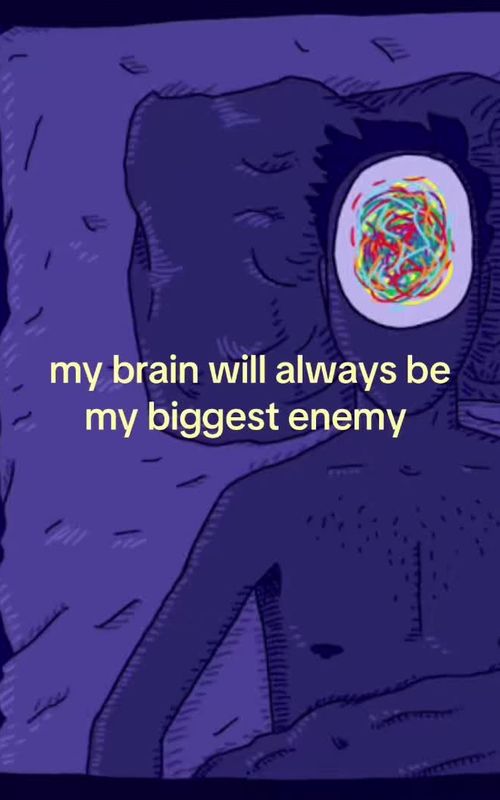 TikTok801.9K45
@joexannn
06 Oct 2026
Silent aesthetic with relatable text 'my brain will always be my biggest enemy' fosters deep emotional connection.
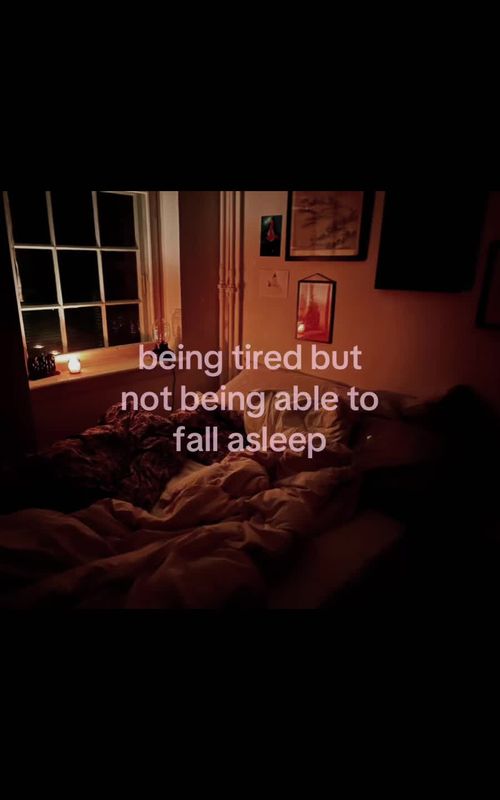 TikTok467.6K43
@spacellas
12 Jun 2026
Silent aesthetic with text 'being tired but not being able to fall asleep' captures a universal struggle.
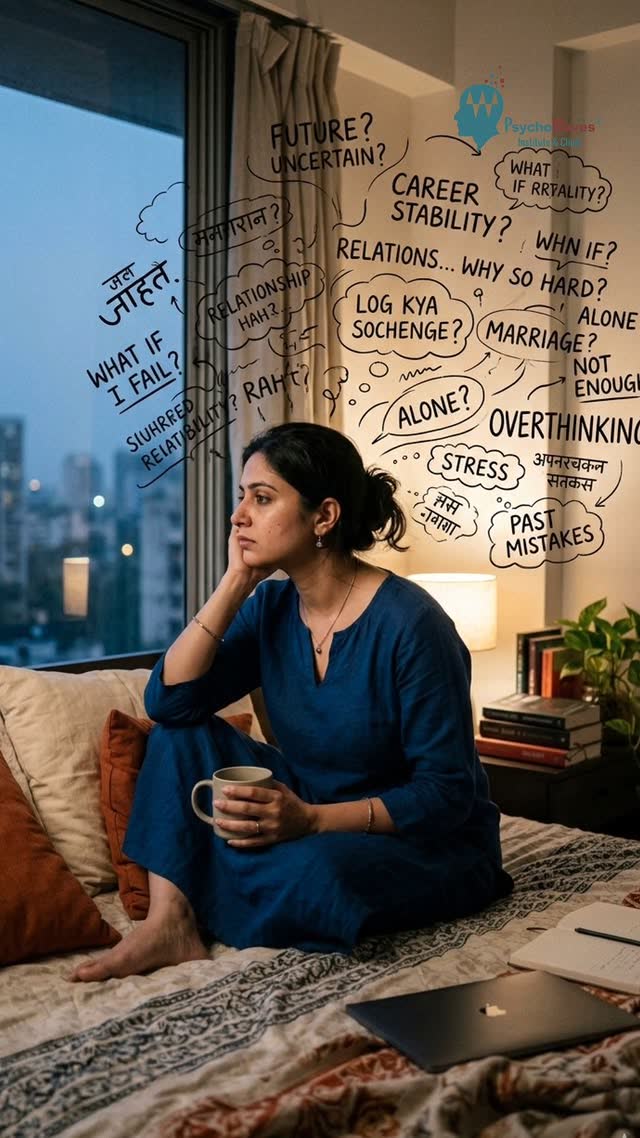 Instagram490.6K40
@psychowaves.inc
05 May 2026
Directly addresses overthinking's confusion, offering a path to management for mental ease.
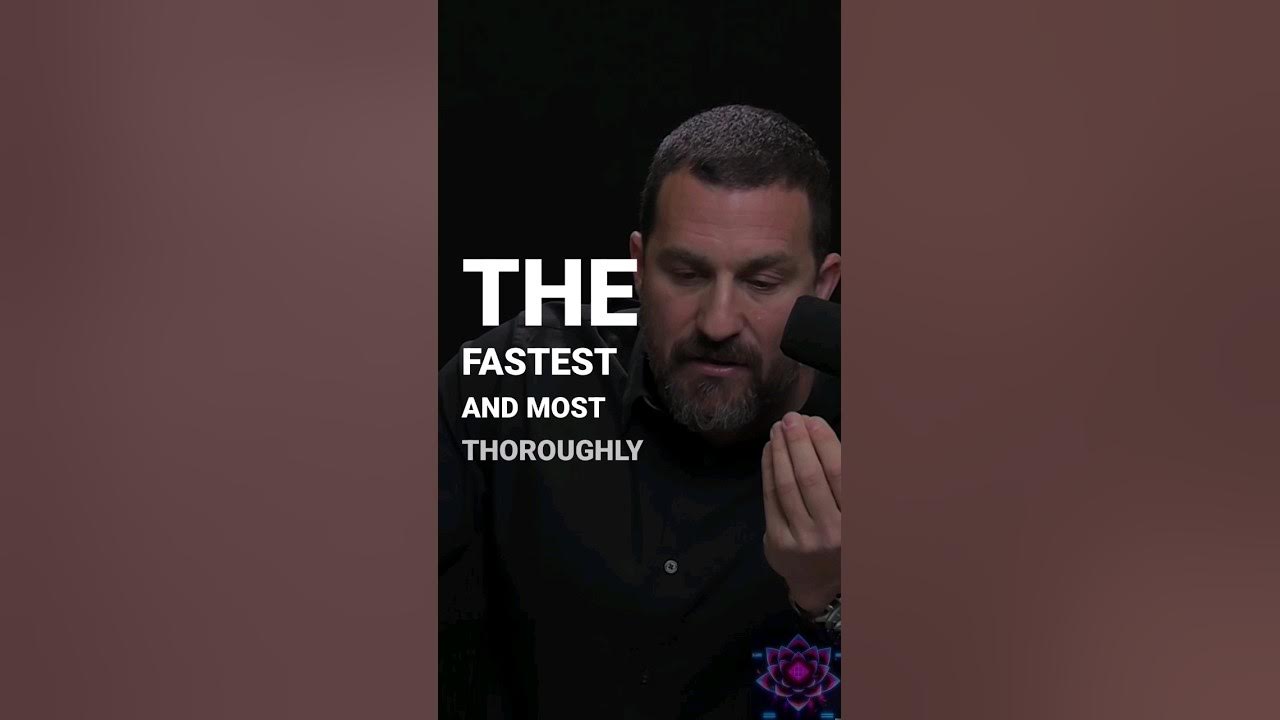 YouTube2.1M46
@empower.thyself
30 Jan 2023
Neuroscientist-backed 'physiological sigh' offers a credible, instant calming tool for stress relief.
 TikTok5.1M54
@gogiaco
21 Oct 2026
Vulnerable first-person narrative about anxiety's loneliness creates strong viewer empathy and validation.
 TikTok112.3K33
@tradestalkpodcast
05 Nov 2026
Tom Reber redefines burnout as lack of progress, offering a fresh, empowering perspective for high achievers.
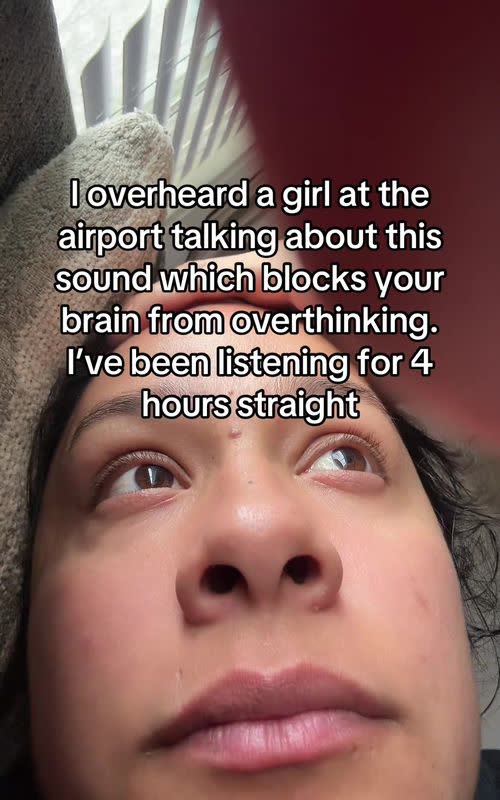 TikTok106.5K33
@moonstars211
17 Nov 2026
POV hook about replaying conversations, offering binaural beats via 'Moongate' app for mental clutter.
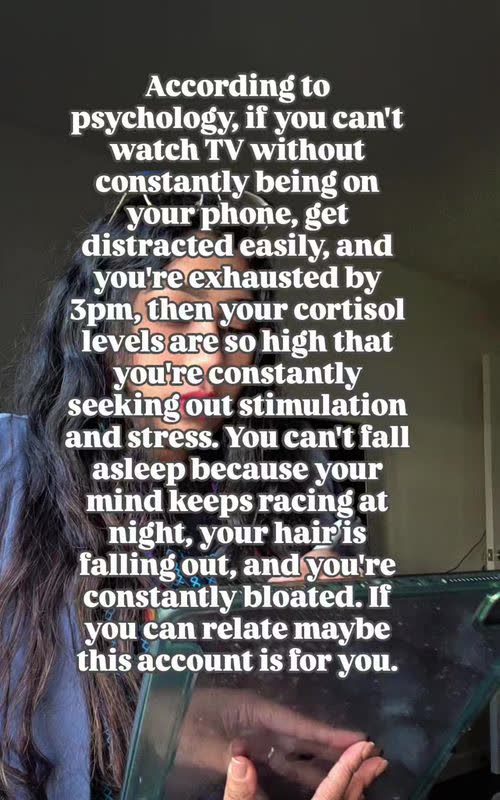 TikTok982.6K44
@theholistic.psychologist
27 Sept 2026
Addresses 'over-stimulated' and 'exhausted by 3 PM' symptoms, linking to cortisol and nervous system reset.
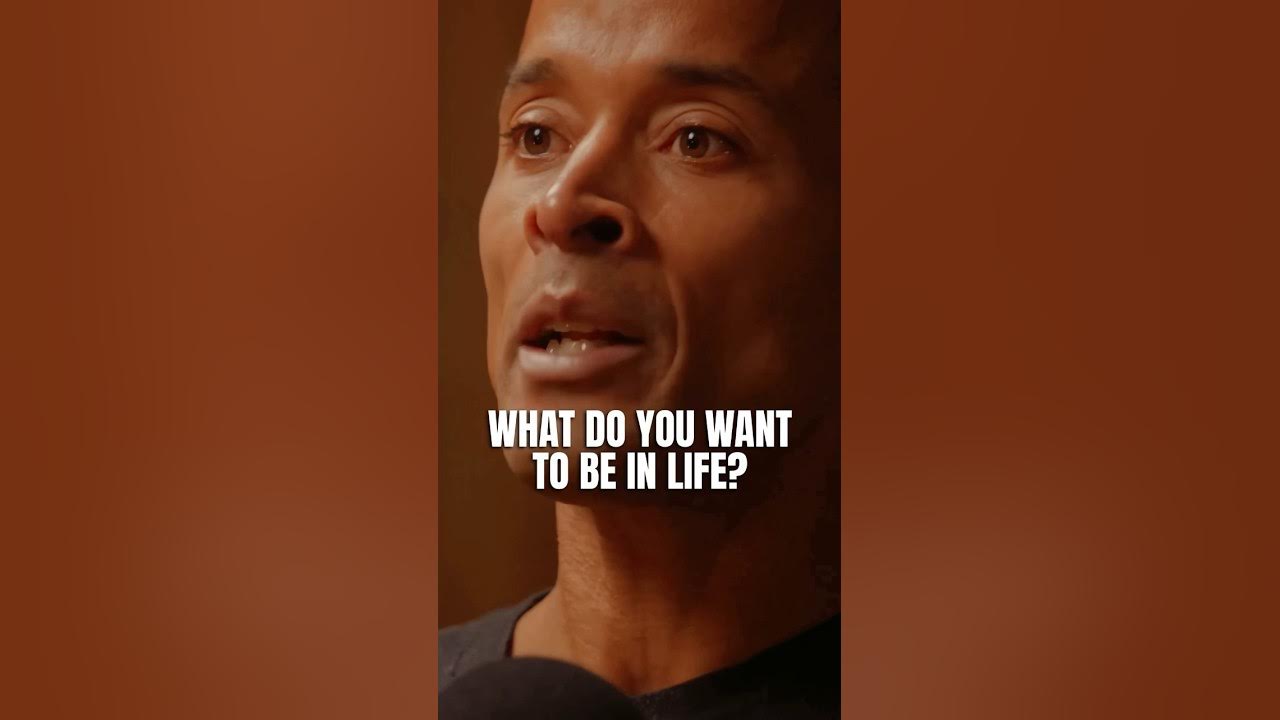 YouTube98.1K33
@motivateriver
18 May 2023
David Goggins' motivational clip challenges viewers to define what they stand for to overcome feeling lost.
 TikTok1.4M44
@myclipsbang
07 Oct 2026
Bible study perspective reframes overthinking as a lack of faith, offering spiritual guidance for control.
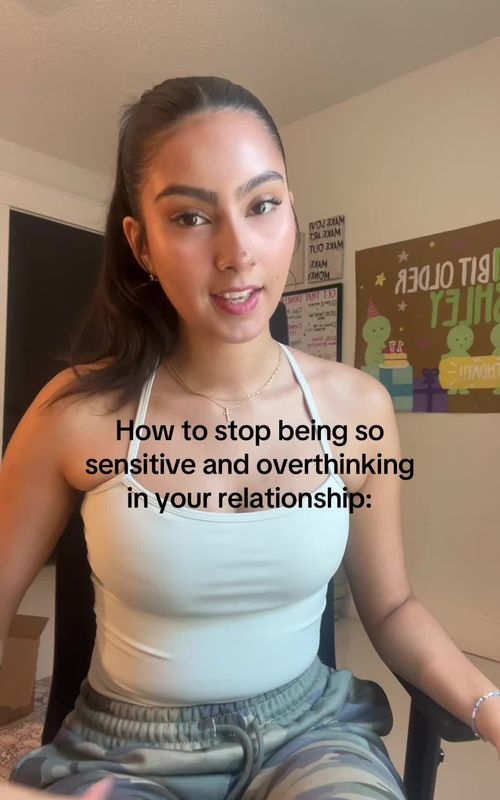 TikTok1.7M45
@marlene.atil
05 Sept 2026
Direct tutorial on stopping overthinking and sensitivity in relationships, offering actionable steps.
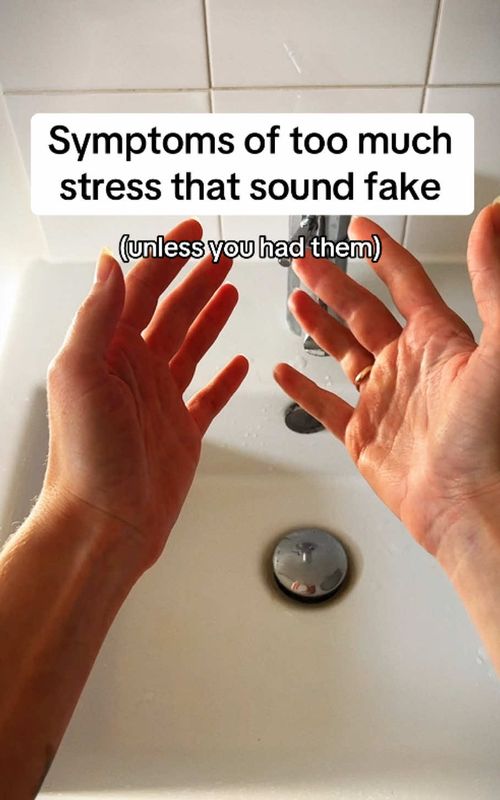 TikTok1.3M43
@sasha.anticipate
31 Oct 2026
Lists 'weird symptoms' of chronic stress, providing validation and awareness for burnout prevention.
 TikTok347.3K36
@nextsmallthingwithholly
13 Oct 2026
Personal storytime about feeling stuck with depression and chronic pain, fostering deep relatability.
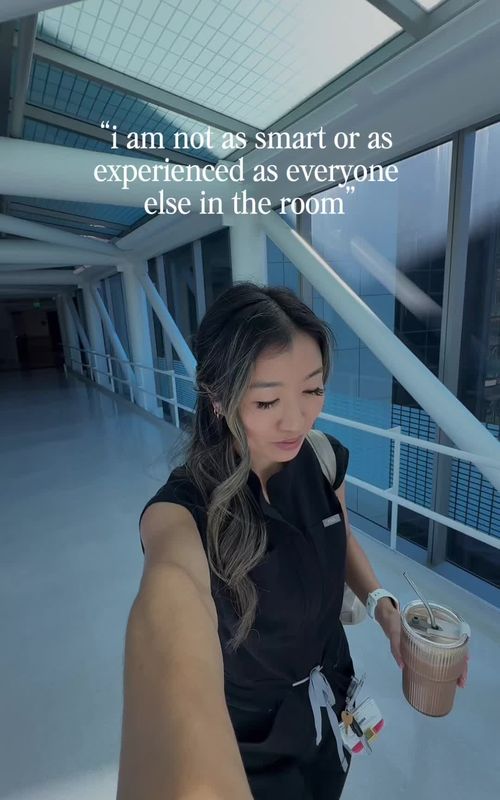 TikTok640.9K40
@ellietaw
22 Jun 2026
Motivational message addressing imposter syndrome, emphasizing confidence through action, especially in healthcare.
Hooks that work
The opening lines behind the best videos. This agent holds 75 of them.
- Tutorial promise5.3M
“One of my favorite little psychology tricks to get my brain to shut the fuck up when I overthink is really fun.”
@papaswellnessWatch - Bold claim2M
“The fastest and most thoroughly grounded in physiology and neuroscience for calming down in a self-directed way…”
@empower.thyselfWatch - Relatable scenario435.9K
“being tired but not being able to fall asleep…”
@spacellasWatch - Tutorial promise1.1M
“If you want to learn how to stop being so sensitive and overthinking everything in a relationship, I'm making this video for you.”
@marlene.atilWatch - Tutorial promise1.5M
“so if you're struggling a lot with chronic anxiety and overthinking this guide will help you overcome it…”
@itsjosephnguyenWatch - Bold claim383.6K
“I've said this before and I'll say it again. If you leave your mind alone, it will leave you alone.”
@heal_withladyloveWatch
FAQ
Common questions about Quiet Mind Strategies, answered from what the agent found as of 20 November 2026.
What quiet mind content ideas are working now?
- Specific calming techniques are a strong content direction, including the physiological sigh, worry time and binaural beats. Other ideas include silent aesthetic videos about overthinking, structured purpose exercises such as Ikigai or “10/10 questions,” and reframing burnout as a lack of progress rather than simply working too hard.
Which video formats work for overthinking and anxiety content?
- Silent aesthetic videos with text overlays work for expressing internal monologues and shared struggles, such as “my brain will always be my biggest enemy” or “being tired but not being able to fall asleep.” Direct-to-camera videos, vulnerable first-person narratives and storytime videos with film clips also perform for anxiety and persistent anxious thoughts.
Which hooks work for quiet mind videos?
- Tutorial promises perform well when they offer a concrete outcome, such as a psychology trick for stopping overthinking or a guide for chronic anxiety. Relatable scenarios, including being tired but unable to sleep, create immediate recognition. Bold claims about physiology, neuroscience or leaving the mind alone also appear among the strongest hooks.
What quiet mind topics are rising?
- Four newer themes stand out: neuroscience-backed calming techniques, overthinking relatability aesthetics, high achiever burnout redefinition and purpose clarity exercises. These topics move beyond broad self-help by offering tangible methods, validating private struggles, challenging familiar burnout definitions and turning feeling lost into structured questions or frameworks.
Which creators should I watch for quiet mind content?
- Examples include @empower.thyself on YouTube for a neuroscientist-backed physiological sigh, @joexannn and @spacellas on TikTok for silent relatable aesthetics, and @psychowaves.inc on Instagram for direct overthinking guidance. @gogiaco uses vulnerable anxiety storytelling, while @ura_app uses storytime and film clips about persistent anxious thoughts.
How does quiet mind content differ across TikTok, YouTube Shorts and Instagram Reels?
- The strongest examples span all three platforms but use different executions. TikTok examples include silent aesthetics, vulnerable narratives, storytimes and POVs; YouTube features a neuroscience-backed calming tutorial from @empower.thyself; and Instagram includes @psychowaves.inc directly addressing the confusion of overthinking and how to manage it.
More in Fitness & Health
Other niches in this topic, each tracked by its own live research agent.
Build a research agent like this
Tell Virlo what you make or sell. It finds the videos breaking out on TikTok, YouTube Shorts and Reels, and tells you why they work.