How to Grow Your Channel With YouTube Shorts
YouTube Shorts can help creators reach new audiences, gain subscribers, and drive broader channel growth. Learn the six pillars behind successful Shorts, from hooks and retention to niche opportunities and value-add, plus practical tactics you can apply to your own content.

Darcy Cudmore
Professional Blog Writer
Darcy Cudmore is the founder of RepuLinks, a digital PR and SEO agency helping brands earn authoritative media coverage, backlinks, and visibility in search. He writes about PR strategy, content marketing, AI search, and how companies can build credibility through smarter online visibility.
Growing your YouTube channel can mean different things depending on what you're trying to achieve. You may want to build your subscriber base, consistently reach new audiences, turn casual viewers into regulars, drive people toward your long-form content, or eventually monetize the audience you've built.
Whatever your destination, YouTube Shorts can be one vehicle for getting there. Shorts now average more than 200 billion daily views, giving creators and brands access to an enormous pool of potential viewers who may have never encountered their channel otherwise.
But a vehicle, for all its horsepower, still needs someone behind the wheel. YouTube has identified three content performance signals – the road signs – you'll want to follow if you're to steer your Shorts toward sustainable channel growth:
Appeal: Did people choose to watch?
Engagement: Did they stick around?
Satisfaction: Did they enjoy what they watched?
YouTube's recommendation system uses these signals to predict how likely a viewer is to engage with and find value in a particular Short. The stronger your content performs across these dimensions, the more evidence the system has that it resonates with a specific audience and may be shown to similar viewers.
Using those three principles, alongside the patterns we've seen shape successful short-form content over the years, we've narrowed YouTube Shorts growth down to six pillars.
The 6 Pillars of Growing Your YouTube Channel Through Shorts
But first, why start here instead of jumping straight into tactics? Because tactics can come and go fast. A particular editing style, posting trick, or content format may work today and become useless tomorrow.
The underlying principles, meanwhile, explain why those tactics work in the first place, giving you a framework you can apply regardless of which tricks and hacks happen to be popular.
The Hook
When your Short appears in the Shorts Feed, viewers can either stick around or swipe to the next video. Those opening moments need to give them an immediate reason to stop the scroll and pay attention.
So, how do you create a punchy, attention-grabbing hook? There are plenty of ways to open, including:
A provocative question
A surprising statistic
A contrarian statement
A bold claim
An immediate demonstration
A curiosity gap
A direct callout to a specific audience
And a whole lot more
None of these approaches is inherently superior to the others. And no single one works every time. Ultimately, your numbers and the traction your Shorts earn will tell you which approaches are worth using again.
A hook that sees around 70% or higher Viewed vs Swiped Away (VVSA) is more likely to achieve viral success.
VVSA, as the name suggests, represents how often viewers chose to keep watching your Short instead of swiping away when it appeared in their Shorts Feed.
You can check how yours perform in YouTube Studio. Go to Analytics > Content > Shorts and look for "Stayed to watch".
If you need a leg up, try Virlo's free Viral Video Hook Generator for YouTube Shorts. Simply enter your video topic and niche, and the tool generates hook ideas you can adapt and test in your own Shorts.
Retention
Once someone decides to watch your Short, how long do they stick around? Do they watch the whole thing, make it halfway, or leave five seconds later?
Retention maps directly to the "Engagement" principle we discussed earlier. The longer viewers stay, the stronger the engagement signal you send to YouTube's recommendation system.
YouTube uses Average View Duration (AVD) and Average Percentage Viewed (APV) as signals when ranking Shorts. You can find both in YouTube Studio:
Average View Duration (AVD): The average amount of time people who stayed to watch spent watching your Short. If your 30-second Short has an AVD of 24 seconds, the average engaged viewer watched for 24 seconds.
Average Percentage Viewed (APV): The average percentage of your Short watched among viewers who stayed. That same 24 seconds on a 30-second Short would translate to roughly 80% APV.
Aim for at least 70% APV.
Using the Audience Retention Graph, you can pinpoint the exact moments viewers swipe away and address those weak points in your next uploads. The ideal scenario is a relatively flat line; a sudden downward curve tells you viewers dropped off at that particular moment.
To improve retention, start with this five-point checklist:
Cut dead air: Remove pauses, lengthy introductions, and repeated points.
Vary the visual rhythm: Use purposeful cuts, camera changes, demonstrations, text, or B-roll where they help prevent the video from becoming visually static.
Deliver the payoff: If your hook promises an answer, reveal, transformation, or demonstration.
Keep video at a reasonable length: Don't stretch a 20-second idea into 50 seconds simply because you can.
Keep things moving: Maintain a steady flow of new information, visuals, or story beats so viewers always have a reason to see what comes next.
Viewer Satisfaction
YouTube's recommendation system learns from how viewers respond while and after watching your content. Among the feedback signals it considers are:
Likes
Shares
Comments
"Not interested" feedback
Viewer satisfaction surveys
On the last point, YouTube occasionally asks people to rate videos they've watched, and those responses give its recommendation system direct feedback about whether viewers found the content satisfying.
YouTube can then use that feedback to improve which videos it recommends to that viewer and others.
The problem is that you can't really optimize around a "satisfaction survey score." As a proxy, keep an eye on the satisfaction signals you can see, particularly likes, comments, shares, and the actual sentiment behind those interactions.
That said, if you've hooked viewers, kept them watching long enough to deliver what you promised and left them feeling like the Short was worth their time, you're already ticking many of the right boxes.
Opportunities Within Your Niche
Not every niche, or even every topic within the same niche, offers the same growth opportunity. YouTube itself points to three external factors that can affect how many people see your Shorts:
Topic interest: Some topics simply have larger potential audiences than others, and that level of interest can change over time.
Competition: Your Short is ranked against content from other channels that a viewer might watch. Even with strong performance metrics, you may receive fewer impressions when competing Shorts perform better.
Seasonality: Audience interests and viewing habits fluctuate throughout the year. A tax-related Short, Valentine's Day recipe, or back-to-school topic may have considerably more potential at certain times than others.
Since none of these factors are entirely within your control, a much better undertaking is to search for pockets of opportunity within your niche. A personal finance channel, for example, could drill down from personal finance into investing, ETFs, retirement planning, and so on.
Virlo's niche intelligence capabilities can help you research these opportunities by surfacing emerging niches, rising topics, and content already gaining traction within your market.
That gives you a chance to stake out early territory while a conversation is still gaining momentum, before it becomes saturated.
Proven Patterns
Plug keywords and topics relevant to your niche into YouTube Search and you'll find Shorts already ranking for those queries.
That gives you a wealth of performance data – observable evidence of the topics and creative approaches audiences in your niche have already responded to. As such, there's no reason to start from scratch every time.
Of course, the point isn't to copy another creator word for word, style for style, or frame for frame. It's to understand and reverse-engineer the patterns behind what works.
What hooks keep appearing? Which topics and angles perform well? Are tutorials, talking heads, demonstrations, comparisons, or another format dominating the results? How are those videos paced, structured, and edited to keep viewers watching?
Value Add
Once you've identified a proven content pattern, there's one more question worth asking: why should someone watch your version?
Your value-add doesn't necessarily have to be brand-new information or some earth-shattering insight nobody has heard before. Differentiation can come from:
A fresh perspective based on unique first-hand experiences and lessons learned
Personality and humor
Better demonstrations
Visual identity and editing
Masterful storytelling
Simplification of complicated concepts
Signature phrases, recurring jokes, or memorable catchphrases
Get as creative as you like. The goal is to make your Shorts unmistakably yours.
YouTube Shorts Tactics for Channel Growth
The tactics below align with YouTube's current Shorts guidance. Use them to attract viewers, keep them engaged, and turn that attention into broader channel growth.
Experiment with Content Types
Test tutorials, demonstrations, commentary, comparisons, behind-the-scenes clips, and recurring series relevant to your niche.
Compare their performance in YouTube Studio, then put more resources behind the formats your audience consistently responds to.
Link Shorts to Related Videos
Use YouTube's Related Video feature to lead viewers to another Short or one of your long-form videos. Just make sure the connection makes sense. There's no reason to send someone who just watched your Short about, say, beginner photography tips to a 20-minute video about advanced video editing.
Don't expect every Shorts viewer to click through, though, since viewing preferences can differ across formats.
Create Recurring Series
Turn repeatable topics or formats into recognizable series, such as weekly breakdowns, recurring challenges or multipart explainers.
It also takes some of the guesswork out of what to post next. That makes it easier to stay consistent while building a familiar content pattern around your channel.
Maintain a Sustainable Posting Schedule
There's no minimum posting cadence required for Shorts to perform. Pick a cadence you can realistically maintain, whether that's daily or three times per week, and stick to it. Consistency is key.
Optimize for Mobile Viewing
Most Shorts are consumed on mobile, so your video should be easy to watch and understand on a smaller screen. That means you should:
Use a 9:16 vertical format to make full use of the mobile Shorts player.
Keep on-screen text readable with large, legible fonts, short lines, and enough contrast against the background.
Keep important text and visuals within safe zones so interface elements such as captions, buttons, and channel information don't cover them.
Use captions for spoken dialogue so viewers can still follow along when watching without sound.
Use purposeful cuts, graphics, or B-roll where they help viewers follow the story without making the screen feel cluttered.
Preview your Short on a phone before publishing to catch text that's too small, awkward framing, or important elements hidden behind the interface.
Optimize Metadata
Video metadata refers to the descriptive information attached to your Short, such as its title, description, hashtags, and tags.
These fields provide YouTube with additional information about the video's topic and relevance, particularly for YouTube Search. That means you should:
Write clear, descriptive titles that tell viewers what the Short is about and naturally include the primary search term where relevant.
Add useful descriptions that provide any additional context a viewer may need.
Use relevant hashtags that closely relate to the topic.
Add relevant video tags where appropriate, particularly for common misspellings or alternative terms.
Keep everything aligned with the actual video. Your title, description, and other metadata should accurately reflect what viewers will get rather than chase unrelated searches or resort to clickbait.
Capitalize on Relevant Trends
Use trending sounds, memes, challenges, or formats when they make sense for your niche. For music, use YouTube's Shorts Audio Library or audio you otherwise have the rights to use to avoid copyright problems.
Engage With Your Audience
Reply to comments, ask follow-up questions, and use recurring viewer questions as ideas for future Shorts. YouTube also lets you reply to comments with a Short, giving you a direct way to turn audience conversations into new content.
Cross-Promote Your Shorts
Share your Short on platforms and communities where your target audience already spends time, such as LinkedIn, X, Facebook, or Reddit. It can also be a useful visual complement to what would otherwise be a text-heavy post or discussion.
Collaborate With Other Creators
Work with creators whose audiences and subject matter closely overlap with yours. This way, it becomes much easier to create content that adds value for both audiences while exposing your channel to a new and potentially larger pool of viewers.
A collaboration between completely unrelated niches can feel out of left field unless the contrast itself is deliberate. Either way, there should be a clear reason for both creators and their audiences to come together.
Leverage Content Intelligence to Grow Your YouTube Channel
Short-form content intelligence helps marketing teams, brand strategists, and social media managers understand what's already working across your niche, from rising topics and winning hooks to formats, creators, and content patterns earning attention.
Virlo gives you access to these insights through a single platform so you can make more informed decisions before spending time, creative resources, or budget producing your next YouTube Short. Get started with Virlo today!
See What's Trending Right Now
- Social listening for TikTok, Reels & Shorts
- Spot viral trends before they peak
- Turn insights into ads, scripts & briefs
The Signal Newsletter
Weekly trend breakdowns, creator insights, and social listening tips — straight to your inbox.
Subscribe FreeSee Virlo in action
See What's Trending Right Now
- Social listening for TikTok, Reels & Shorts
- Spot viral trends before they peak
- Turn insights into ads, scripts & briefs
The Signal Newsletter
Weekly trend breakdowns, creator insights, and social listening tips — straight to your inbox.
Subscribe FreeRelated Articles
8 Best TikTok Analytics Tools for Creators in 2026
TikTok's native analytics show you basic stats — views, likes, follower counts — but they don't tell you why a video performed, what your competitors are doing differently, or what's trending in your niche before it peaks. If you're serious about growing on TikTok, you need a dedicated analytics ...

9 Best Real-Time Trend Detection Tools for Short-Form Video in 2026
Short-form video signals can change quickly, and a format that looks promising in one niche may already be saturated in another. A useful tool should help you separate existing popularity from fresh acceleration across TikTok, Reels, and Shorts. General social listening tools built around mention...
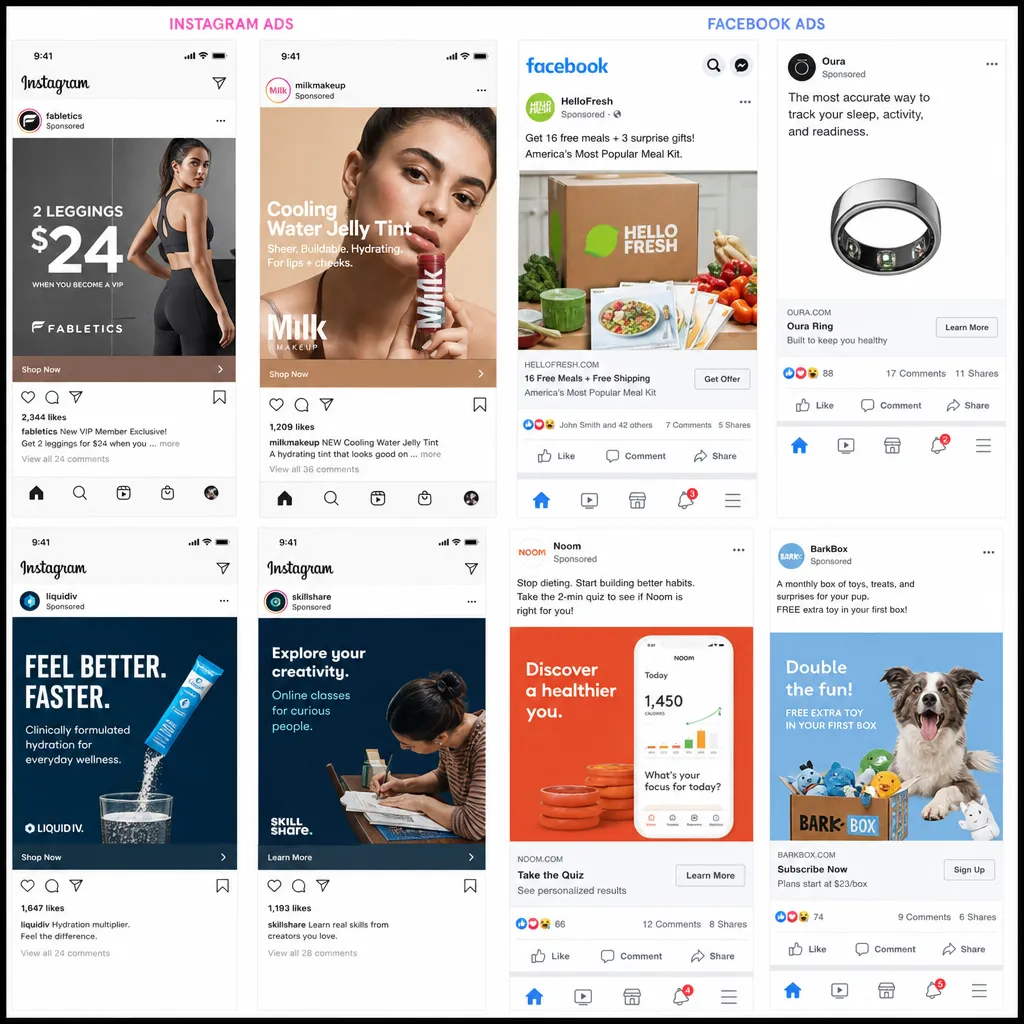
Facebook Ads vs Instagram Ads in 2026: Which One Deserves Your Budget
The real cost gap between Facebook ads and Instagram ads and which wins for ecommerce, leads, and B2B, and a starting budget split for your business type.
Put this into practice with Virlo
Turn what you just read into real research. These are the tools creators, agencies, and brands use to find what's working on short-form video.
Content Research Agent
Run your short-form research on autopilot — outliers, creators, and sounds across TikTok, Reels, and Shorts.
Tracking Center
Monitor breakout creators, videos, and competitors with daily snapshots and deep AI analysis.
Free Data
Explore free viral hooks, trending niches, breakout products, and more — no account required.
Get The Signal
Join creators, marketers, and agencies getting weekly trend breakdowns and social listening insights delivered free.
Subscribe to the Newsletter
Stop Guessing. Start Knowing.
Join thousands of digital entrepreneurs using data to take the guesswork out of capitalizing on trends.